The burgeoning ambition of Silicon Valley to construct ever-larger AI data centers, demanding prodigious amounts of electricity equivalent to hundreds of thousands of US homes, is confronting substantial obstacles, leading to widespread delays across the United States. Recent satellite imagery analysis suggests that a significant proportion, nearly 40 percent, of these critical infrastructure projects may fail to meet their scheduled completion dates within the current year. This shortfall casts a shadow over the rapid expansion of artificial intelligence capabilities, which are increasingly reliant on robust, hyper-scale computing infrastructure.
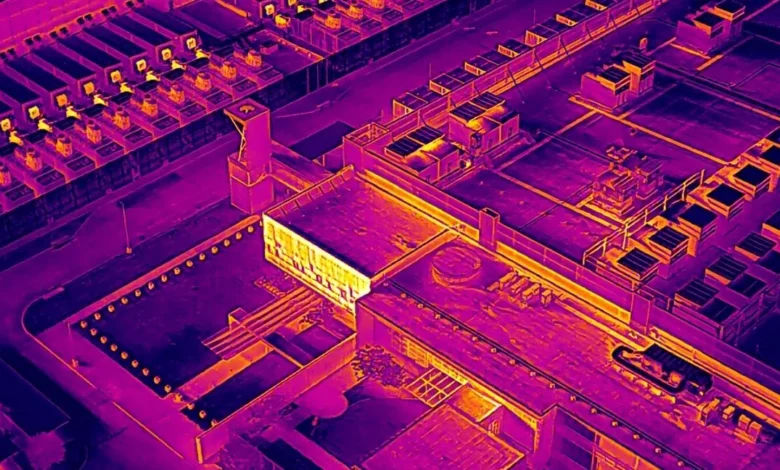
The findings, initially reported by the Financial Times, draw upon sophisticated geospatial data analytics provided by SynMax. This analysis meticulously tracks the progress of various data center projects by observing key construction indicators from space, such as land clearing activities and the laying of building foundations. To further corroborate these observations, SynMax’s data was cross-referenced with public statements and permit documentation meticulously compiled by IIR Energy, a prominent industry research group. The comprehensive evaluation revealed that major infrastructure initiatives from leading technology companies, including but not limited to Microsoft, Oracle, and OpenAI, are highly likely to experience delays exceeding three months beyond their initial projections. These delays are not merely logistical inconveniences but represent a potential bottleneck for the entire AI industry, impacting innovation timelines, service deployment, and the competitive landscape.
The Unprecedented Scale of AI Ambition and Its Infrastructure Demands
The current wave of data center construction is a direct response to the explosive growth and increasing sophistication of artificial intelligence, particularly generative AI models like large language models (LLMs) and advanced machine learning algorithms. These technologies require unparalleled computational power, massive data storage, and highly specialized infrastructure to operate efficiently. Companies are investing hundreds of billions of dollars globally to build out this digital backbone, viewing it as essential for maintaining their competitive edge and driving future technological advancements.
Unlike traditional data centers designed for general computing and storage, AI-focused facilities are characterized by their extreme density, housing thousands of high-power graphics processing units (GPUs) that generate immense heat. This necessitates advanced cooling systems, often liquid-based, and a significantly more robust power supply per square foot. The sheer scale of these projects, often encompassing hundreds of acres and requiring complex engineering, marks a new frontier in infrastructure development. The race to deploy these facilities is global, with nations and corporations vying for supremacy in the AI arms race, making any delays in the US buildout particularly noteworthy. The investment surge began in earnest in the late 2010s, but accelerated dramatically following the public release of ChatGPT in late 2022, which showcased the immense potential and demand for generative AI. Since then, announcements of new data center campuses, each requiring multi-billion-dollar investments, have become a regular feature of tech news.
Forecasting Delays: The Geospatial Evidence
The methodology employed by SynMax offers a novel and objective perspective on construction progress, circumventing reliance solely on company announcements or permit data, which can sometimes lag behind real-world developments. By analyzing high-resolution satellite imagery, researchers can identify early indicators of construction activity or stagnation. For instance, consistent progress in land excavation, the pouring of concrete foundations, and the erection of steel structures are positive indicators. Conversely, dormant construction sites, unchanged land features, or a lack of heavy machinery movement over extended periods signal potential delays.
The Financial Times report underscored that this analytical approach provides an early warning system, allowing for a more accurate assessment of project timelines than traditional methods. The cross-verification with IIR Energy’s detailed project data, including permit filing dates, public statements regarding groundbreaking ceremonies, and announced completion targets, strengthens the credibility of the findings. The revelation that nearly 40 percent of US data center projects are off schedule by at least three months indicates systemic issues rather than isolated incidents, affecting a broad spectrum of developers and locations across the nation.
Chronic Bottlenecks: Labor, Equipment, and Permitting
Interviews conducted by the Financial Times with over a dozen industry executives shed light on the multifaceted causes behind these significant delays. A recurring theme was the "chronic shortages of labor, power, and equipment," compounded by protracted permitting processes.
1. Specialized Labor Shortages:
The construction of modern, hyper-scale data centers, especially those optimized for AI, requires a highly specialized and skilled workforce. Executives involved with OpenAI projects specifically lamented the scarcity of crucial tradespeople. Electricians are in high demand, given the complex and high-voltage electrical systems required to power thousands of GPUs. Pipefitters are essential for installing advanced liquid cooling systems that dissipate the immense heat generated by AI hardware. HVAC technicians, structural engineers, and specialized network technicians are also critical. The rapid expansion of data center construction nationwide has outpaced the supply of these skilled professionals. Many experienced tradespeople are nearing retirement, and the pipeline of new talent entering these fields has not kept pace with the explosive demand, leading to bidding wars for available talent, increased labor costs, and extended project timelines. The highly integrated nature of data center construction means that delays in one trade can ripple through the entire project, halting progress for subsequent stages.
2. Equipment Supply Chain Issues:
The global supply chain, still recovering from the disruptions of the COVID-19 pandemic, presents another significant hurdle. Key components, particularly high-voltage transformers and specialized switchgear, are in short supply. These large, complex pieces of equipment are custom-built, often requiring lead times of 12-24 months, and their production capacity has not scaled adequately to meet the sudden surge in data center demand. Exacerbating this situation are geopolitical factors and trade policies. Tariffs imposed during the Trump administration on imported Chinese equipment, including critical electrical components and steel used in transformers, have driven up costs and reduced the availability of essential materials. While intended to bolster domestic manufacturing, these tariffs have, in practice, made it more expensive and challenging for Silicon Valley companies to acquire the necessary infrastructure, directly impacting the pace and cost of AI data center construction. The Ars Technica article cited by the Financial Times explicitly noted how these tariffs have "made the situation worse" for Silicon Valley’s AI ambitions.
3. Permitting and Regulatory Hurdles:
The process of securing the necessary permits for a data center project of this magnitude is inherently complex and time-consuming. It involves navigating a labyrinth of local, state, and sometimes federal regulations covering zoning, environmental impact assessments, utility connections, building codes, and safety standards. Local authorities, often unaccustomed to projects of such immense scale and energy demands, may lack the streamlined processes or specialized personnel to expedite approvals. Environmental reviews, particularly concerning water usage for cooling and potential carbon emissions from power generation, can lead to lengthy public comment periods and legal challenges. This bureaucratic inertia can add months, if not years, to a project’s timeline, irrespective of construction progress on the ground.
The Energy Conundrum: Powering the AI Future
Perhaps the most formidable challenge confronting the AI data center buildout is the gargantuan demand for electricity. Each hyper-scale AI facility can consume as much power as a small city, equating to the needs of hundreds of thousands of US homes. This staggering requirement places immense strain on existing power grids and infrastructure.
1. Utility Infrastructure Strain:
Utility companies across the US are struggling to keep pace with this unprecedented surge in demand. Many grids are decades old, designed for a more distributed and predictable load. Expanding power generation capacity, especially from renewable sources, and upgrading transmission lines and substations is a capital-intensive and time-consuming endeavor. Building new power plants or major transmission infrastructure can take five to ten years, far exceeding the rapid deployment timelines envisioned by tech companies. The "energy bottleneck" is a critical constraint, as utility companies must ensure grid reliability and stability for all consumers, not just data centers. This often means delays in connecting new facilities until adequate generation and transmission capacity can be brought online. Furthermore, the concentrated nature of data center clusters in certain regions (e.g., Northern Virginia, Arizona, Texas) creates localized energy crises, challenging the ability of local utilities to meet demand.
2. Water Consumption for Cooling:
Beyond electricity, AI data centers are also significant consumers of water, primarily for cooling purposes. While air-cooled systems are common, the high heat density of AI hardware often necessitates more efficient, water-based cooling solutions, including evaporative cooling towers. This massive water demand, especially in drought-prone regions, adds another layer of environmental concern and potential for local resistance, creating a complex resource management challenge.
Growing Local Resistance and Environmental Concerns
The rapid proliferation of data centers has not gone unnoticed by local communities, leading to a surge in opposition. Residents and environmental groups are increasingly vocal about the negative impacts associated with these facilities. Concerns range from the aesthetic impact of large, windowless buildings and the constant hum of cooling systems (noise pollution) to increased traffic congestion during construction and operation.
More profoundly, environmental concerns are driving much of the resistance. The immense energy consumption translates into a substantial carbon footprint, especially if the power is sourced from fossil fuels. Even with commitments to renewable energy, the sheer scale of demand can strain renewable generation capacity and necessitate reliance on traditional sources during peak times. The aforementioned water usage, particularly in arid regions, raises alarms about resource depletion and its impact on local ecosystems and agriculture. The concept of "NIMBYism" (Not In My My Backyard) is increasingly applicable to data centers, with communities pushing back against developments they perceive as detrimental to their quality of life and environmental health, often leading to protracted legal battles and permit denials.
Statements and Reactions from Related Parties (Inferred)
While specific real-time statements are often guarded, the logical implications of these challenges elicit predictable responses from various stakeholders:
- Tech Companies (Microsoft, Oracle, OpenAI): Companies are likely to acknowledge the complexity of infrastructure development, reaffirm their long-term commitment to AI, and emphasize ongoing efforts to mitigate delays. Statements would likely focus on supply chain diversification, investment in skilled trades training programs, and partnerships with renewable energy providers. They might emphasize that these are "unprecedented challenges" but that their "vision for AI remains undimmed."
- Utility Companies: Power providers would likely highlight their aggressive investment plans in grid modernization and new generation capacity. They would emphasize the need for collaborative planning with tech companies and regulatory bodies to ensure reliable power delivery while managing unprecedented demand growth. They might call for streamlined permitting processes for energy infrastructure projects themselves.
- Government/Policy Makers: Government officials would likely express recognition of AI infrastructure’s strategic importance for national competitiveness and economic growth. Discussions might revolve around potential federal incentives for domestic manufacturing of critical components, vocational training programs for skilled trades, and inter-agency coordination to streamline permitting for essential infrastructure. The impact of tariffs on key components might be revisited in light of these strategic imperatives.
- Industry Analysts: Analysts would likely confirm the findings, projecting potential impacts on market competition, AI innovation timelines, and the cost of AI services. They might also forecast a shift towards more energy-efficient AI models or distributed computing architectures to alleviate pressure on centralized data centers.
- Environmental Groups and Local Activists: These groups would continue to advocate for stricter environmental regulations, greater transparency regarding resource consumption, and the prioritization of sustainable development practices. They would likely call for more public input in data center siting decisions and emphasize the need for a holistic approach to technological growth that considers ecological and community well-being.
Broader Implications and Future Outlook
The delays in AI data center construction carry significant implications across economic, technological, environmental, and even geopolitical spheres.
Economic Impact: Increased construction costs due to labor shortages, equipment prices, and extended timelines will translate into higher operational expenses for AI development and deployment. This could potentially slow down the pace of AI innovation, especially for smaller players who cannot absorb these costs as easily as tech giants. It might also impact the US’s competitiveness in the global AI race if other nations manage to build out their infrastructure more rapidly. The US Department of Commerce has identified AI as a critical technology, making infrastructure delays a national concern.
Technological Impact: Slower infrastructure buildout means a delayed rollout of advanced AI services and capabilities. Companies might be forced to optimize existing resources more aggressively or explore alternative, more decentralized computing models. It could also spur greater investment in energy-efficient AI algorithms and hardware designs to reduce the burden on future data centers.
Environmental Implications: The heightened scrutiny on data center energy and water consumption will likely accelerate the push for truly green data centers. This includes greater reliance on 100% renewable energy sources, advanced water recycling technologies, and innovative cooling solutions. Regulatory bodies might impose stricter environmental standards, potentially increasing the cost and complexity of future projects but ultimately fostering more sustainable growth.
Geopolitical Implications: In an era where technological leadership is increasingly tied to geopolitical power, any slowdown in the US’s AI infrastructure development could be perceived as a strategic vulnerability. Other nations, particularly China, are also investing heavily in AI infrastructure, and prolonged delays in the US could allow competitors to gain ground in key areas of AI research and application.
Mitigation Strategies: To overcome these challenges, tech companies are likely to explore a range of mitigation strategies. These include greater investment in modular and prefabricated data center components to speed up on-site assembly, direct investment in vocational training programs to cultivate a new generation of skilled tradespeople, and more aggressive partnerships with utility companies to co-plan infrastructure upgrades. Strategic site selection, prioritizing locations with robust power grids and less local resistance, will also become crucial. Furthermore, advancements in AI chip design focusing on efficiency and specialized hardware for specific AI tasks could reduce overall power demands in the long term.
The current delays serve as a critical wake-up call, highlighting that the digital revolution, particularly in AI, is not merely a software challenge but also a profound physical infrastructure undertaking. The ability to overcome these construction and resource bottlenecks will ultimately determine the pace and direction of AI innovation for years to come.