Alex Cooper sparked a baby registry gifting chain across social media — and the videos are heartwarming

The internet, often criticized for fostering division and superficiality, has recently transformed into a conduit for profound, tangible human connection. In a viral phenomenon that began in late August 2026, the digital landscape shifted from passive scrolling to active philanthropy, as thousands of strangers mobilized to fulfill the baby registries of expectant parents across the globe. This spontaneous wave of generosity, initially catalyzed by media personality and "Call Her Daddy" host Alex Cooper, has evolved into a widespread movement that underscores the latent power of social media to mobilize community resources for those in need.
The Genesis of a Digital Movement
The trend originated from a personal space for Cooper. In May 2026, Cooper, alongside her husband, film producer and Unwell co-founder Matt Kaplan, announced they were expecting their first child. As a public figure who has built her career on candid dialogue, Cooper turned to her massive digital following for guidance on the realities of impending parenthood. The interaction was reciprocal; as followers provided advice, Cooper sought a method to express gratitude.

By late August, Cooper began a series of unannounced interventions, purchasing items from the Babylist registries of random followers who had shared their stories or advice. The impact was immediate. As videos of overwhelmed, tearful expectant parents receiving cribs, car seats, and essential nursery supplies began circulating on TikTok and Instagram, the gesture resonated deeply with a broader audience. For many viewers, the act served as a poignant reminder of the financial stressors associated with welcoming a new life, particularly in an economic climate where the "cost of entry" for parenting can be prohibitive.
A Chronology of Rapid Expansion
The momentum of this "gifting chain" moved with remarkable speed. By early September 2026, what began as a celebrity-led initiative transitioned into a grassroots phenomenon.
- Late August 2026: Alex Cooper initiates the trend by clearing registries of followers who provided her with pregnancy advice, citing a desire to "pay it forward."
- August 31, 2026: Data indicates that over 15,000 expectant parents had responded to initial prompts to share their registries within the first hour of the campaign going public.
- Early September 2026: Babylist, the primary platform facilitating these registries, formally partnered with Cooper’s Unwell media network to launch the #BabylistItForward initiative.
- September 2, 2026: The scale of the movement reaches critical mass, with major industry brands, including UPPAbaby and Mina Baie, announcing systematic support for registered parents.
The speed at which this trend proliferated—moving from an individual influencer’s action to a corporate-backed, community-driven campaign in less than two weeks—highlights the efficacy of algorithmic amplification when harnessed for altruism.

Quantitative Impact and Corporate Integration
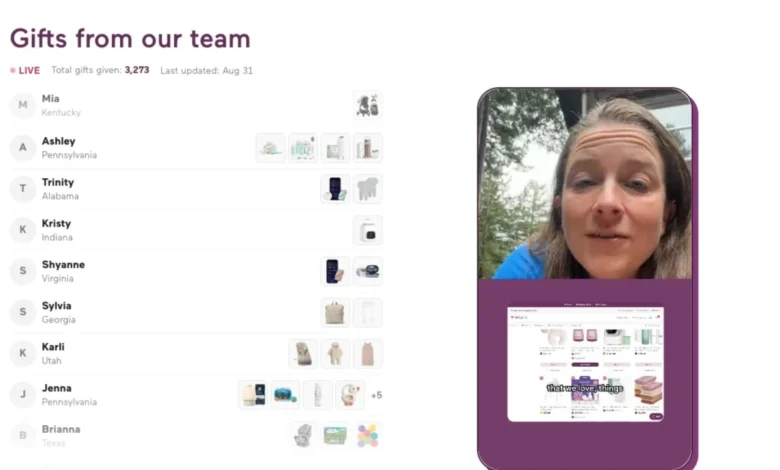
The #BabylistItForward campaign represents a departure from traditional corporate social responsibility (CSR) initiatives, which are often slow-moving and bureaucratic. Instead, this model relied on the real-time feedback loops of social media to direct aid. According to figures provided to the press as of August 31, 2026, the company had processed over 3,279 direct gifts from its own internal team alone.
The involvement of major brands served to stabilize the movement. Companies like UPPAbaby committed to clearing five full registries while simultaneously pledging to provide high-end strollers to 50 additional families. Similarly, the diaper bag manufacturer Mina Baie integrated its marketing with the trend by awarding products to 20 parents and clearing the registries of five others. These actions transformed the trend from a series of disparate, lucky interactions into a structured, reliable support system for families facing financial hardship.
The Human Element: Why It Matters
Beyond the monetary value of the goods provided, the movement has fostered an unexpected space for communal knowledge sharing. Comment sections, which are typically environments for debate, were repurposed as forums for parenting advice. Experienced parents began guiding first-time mothers and fathers on the necessity—or lack thereof—of specific baby products. Discussions about budget-friendly alternatives to high-cost items became common, turning the registry pages into resources for financial literacy and practical parenting strategy.

This aspect of the movement was explicitly identified by incoming Babylist CEO Jennifer Hyman as a core success metric. "The partnership was designed to reach parents at a point of vulnerability," noted industry analysts tracking the event. By providing not just products but also a sense of community, the campaign fulfilled a need for validation that goes beyond the physical items listed on a website.
Sociological Implications of Viral Altruism
The "registry gifting" trend is not an isolated incident but rather the latest iteration of a broader shift in digital culture. Over the past decade, platforms have seen the rise of "kindness creators"—individuals who build audiences by performing high-visibility acts of charity. While some critics argue that such displays can veer into performative altruism, the tangible outcomes of the #BabylistItForward campaign suggest a more complex reality.
For many recipients, the emotional and financial relief provided by these gifts is transformative. For instance, the story of Wyatt and Breanna Morris, an active-duty military family who saw their entire registry fulfilled by strangers on TikTok, serves as a testament to the efficacy of this model. The couple’s experience highlights the role of social media as a safety net that operates independently of traditional charitable organizations or government support.

Looking Ahead: The Sustainability of the Trend
As the initial viral surge begins to normalize, the question remains whether such models are sustainable. The transition of this trend into a formalized corporate campaign suggests that companies see value in aligning with this type of community-led giving. However, the movement’s most potent feature—the individual, spontaneous act of a stranger buying a single box of diapers for another—is inherently fleeting.
The implications for future digital marketing and community engagement are clear: audiences are increasingly rewarding brands and creators who facilitate genuine, helpful human interaction. Whether or not the #BabylistItForward hashtag remains a trending topic, the impact on the thousands of families who received support is permanent. The incident serves as a significant case study in how digital platforms can be utilized to bridge the gap between those with excess and those with essential needs, proving that the internet remains capable of profound, life-altering acts of kindness.
Ultimately, the phenomenon demonstrates that while digital culture is often characterized by its ephemeral nature, the connections forged through shared experience and mutual aid can produce concrete, long-lasting benefits. As the items arrive at homes across the country, the families receiving them are participating in a new, modern tradition—one that relies on the empathy of strangers and the scale of the global network to ensure that no parent feels they are navigating the journey of early parenthood entirely alone. The data, the corporate commitments, and the viral unboxing videos all point to a singular conclusion: when the tools of the digital age are pointed toward the common good, the results are as effective as they are heartening.