The Definitive Guide to Brand Mentions: Why Search Engines and AI Tools Look Beyond Your Website

In the modern digital landscape, possessing an immaculate website, compelling content, and a seamless user experience is no longer sufficient to guarantee digital visibility. Despite these foundational optimizations, businesses frequently find themselves invisible to the algorithmic eyes of traditional search engines like Google and generative artificial intelligence tools such as ChatGPT. The underlying reason is that these advanced systems do not evaluate a domain in isolation; rather, they conduct a holistic evaluation of a brand’s digital footprint by analyzing how third-party, credible sources discuss the entity.
When trusted publications, industry experts, and engaged online communities reference a business, they construct a web of credibility that algorithms utilize to determine authority, ranking potential, and recommendation eligibility. Consequently, understanding the mechanics of brand mentions, implementing proactive strategies to earn them, and accurately tracking their return on investment (ROI) have become imperative components of contemporary digital marketing and search engine optimization (SEO) frameworks.

Understanding Brand Mentions: Definitions and Core Distinctions
A brand mention encompasses any third-party reference to a business, product, executive, or service across the digital ecosystem. These references manifest in diverse formats, including journalistic articles, community discussion threads, video descriptions, podcast transcripts, and social media commentary. Industry analysts broadly categorize these references into two primary classifications: linked mentions and unlinked mentions.
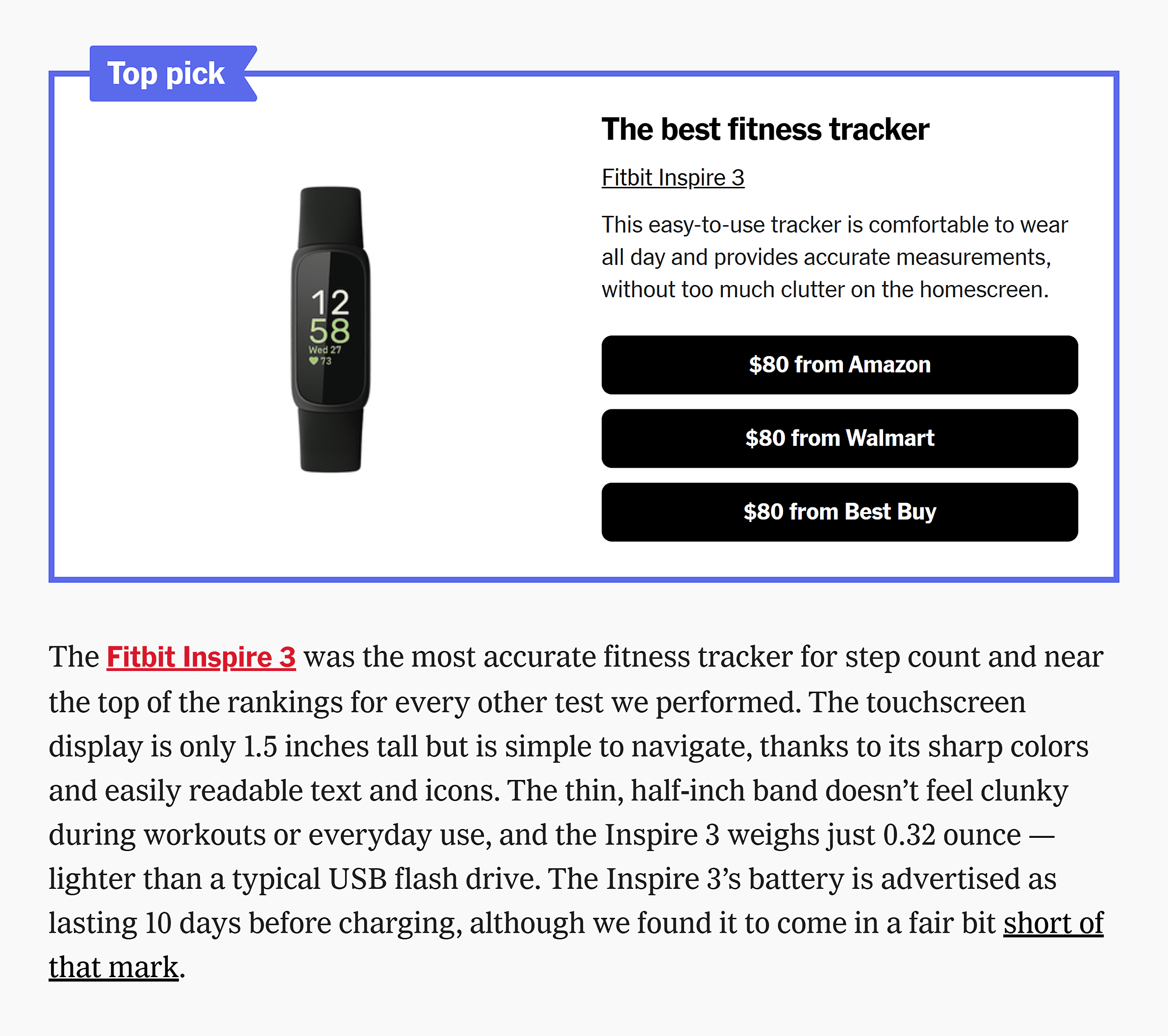
Linked mentions provide both textual recognition of the brand and a direct, clickable hyperlink leading to the company’s web domain. For example, a consumer-focused product roundup published by a major publication like The New York Times might explicitly name a fitness tracker manufacturer while embedding a hyperlink directed straight to the product purchase page. Conversely, unlinked mentions reference the brand name entirely without an accompanying hyperlink. A user discussing consumer electronics on a Reddit forum might praise a specific fitness wearable by name without inserting a navigational link.
While linked mentions offer the dual advantage of passing direct referral traffic and transferring "link equity" or authority to a domain, unlinked mentions remain highly valuable. Both linked and unlinked references contribute vital contextual data to search engine crawlers and large language models (LLMs), helping them map entity relationships without requiring direct user traffic conversion.

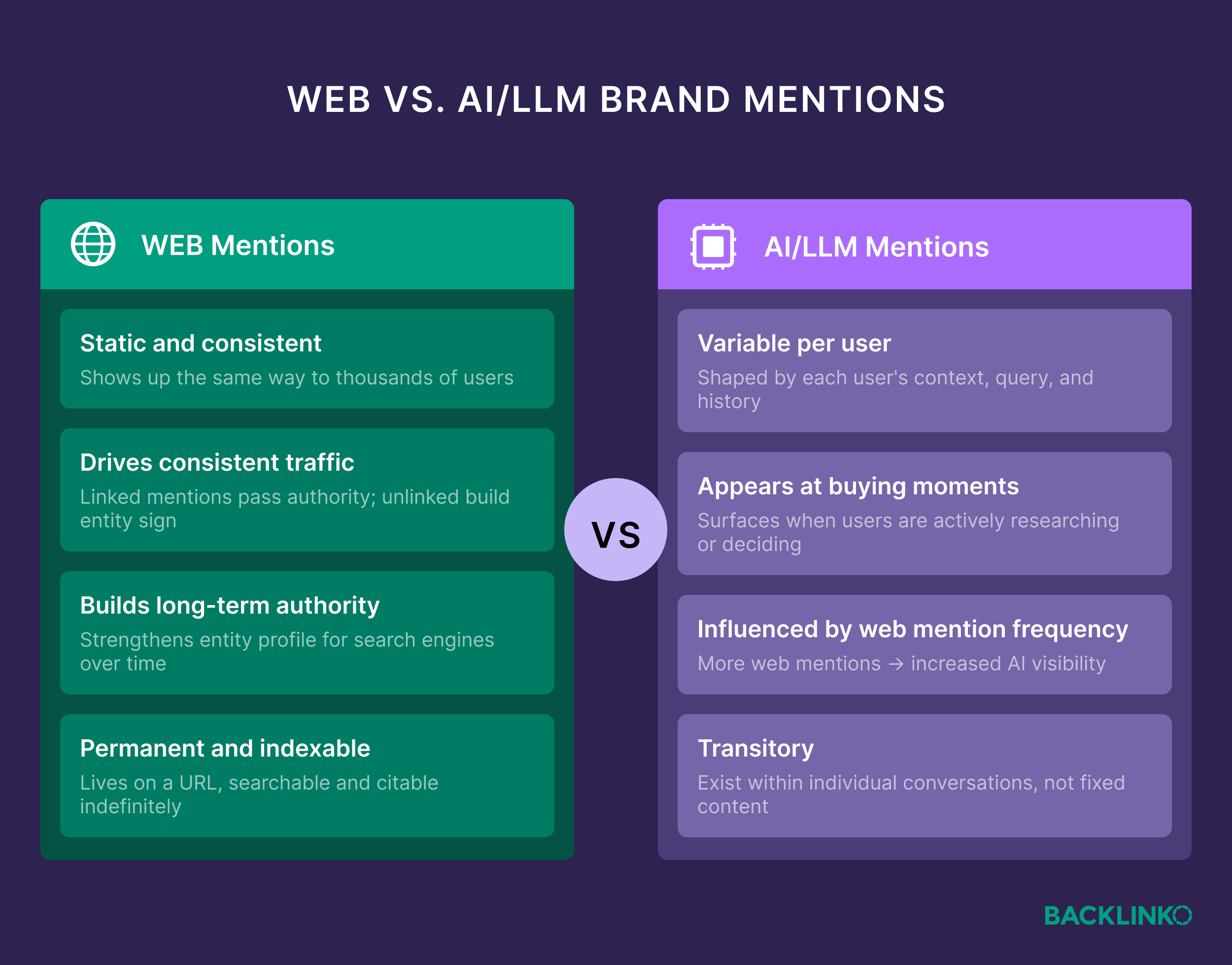
Furthermore, a distinct operational difference exists between traditional web brand mentions and LLM brand mentions. Web mentions are static; a published article or forum post remains visible in a uniform format to potentially hundreds of thousands of users over an extended timeframe. In contrast, brand mentions generated within an LLM conversation—such as ChatGPT or Anthropic’s Claude recommending a product in response to a prompt—are dynamic and personalized. These AI-generated references vary depending on the user’s specific context, geographic location, browsing history, and behavioral parameters, typically vanishing from public view once the individual chat session concludes. Therefore, earning consistent web mentions across authoritative platforms serves as the foundational pipeline for achieving visibility within AI-driven search environments.
The Macroeconomic and Algorithmic Shift: Why Brand Mentions Matter Now
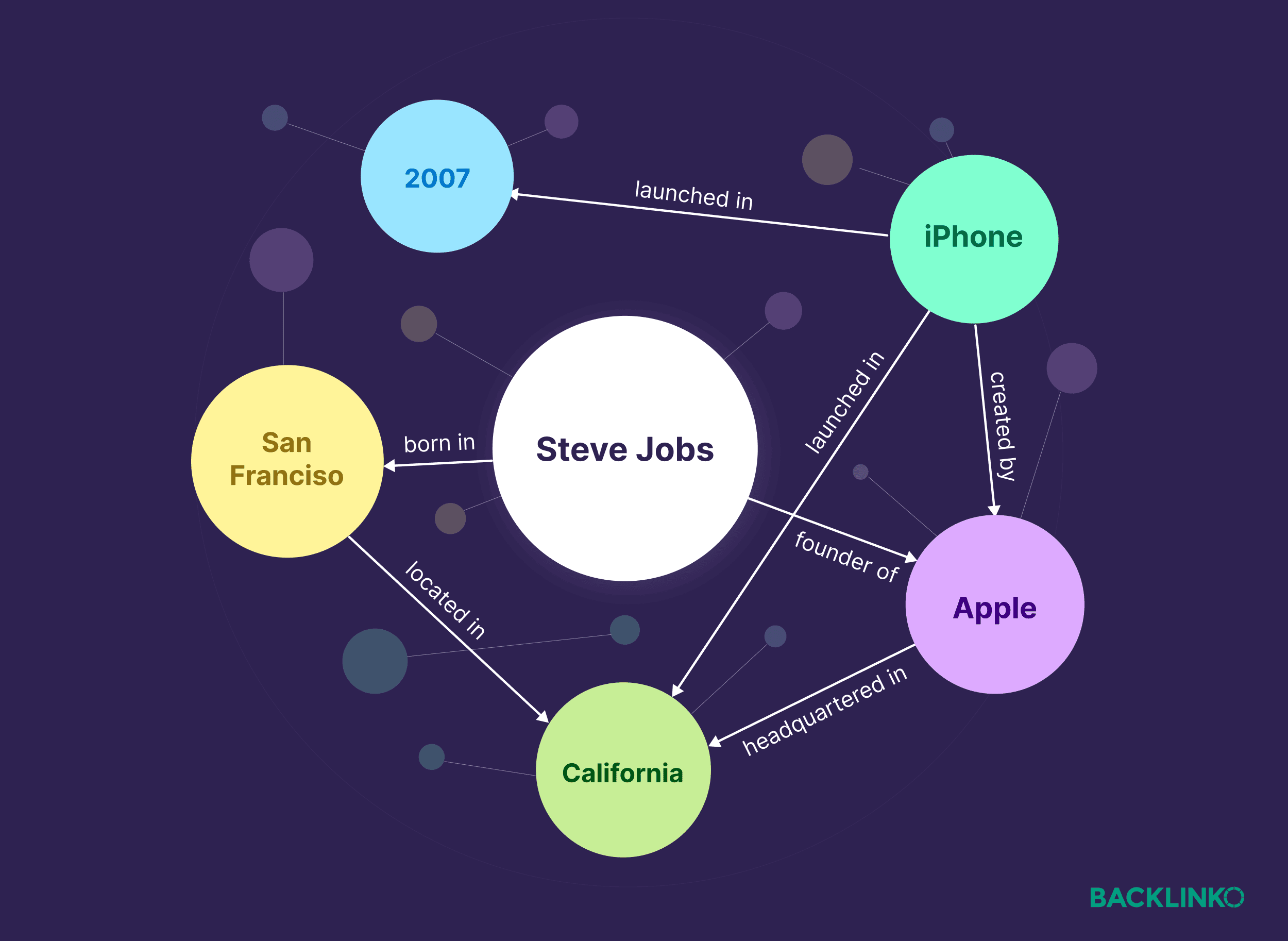
The amplification of brand mentions as a dominant ranking signal is closely tied to the evolution of search engine architecture. Over the past decade, search engines have transitioned from matching isolated keywords to understanding complex conceptual relationships through entities. Google’s Knowledge Graph, for instance, operates as a massive semantic database that maps connections between people, organizations, locations, and concepts.
To validate the legitimacy of an entity, search algorithms look outward from the brand’s proprietary website to analyze external sentiment, frequency of reference, and contextual associations. If an organization is frequently cited alongside specific industry terminology by authoritative third parties, the search engine strengthens its algorithmic confidence in that brand’s topical expertise.
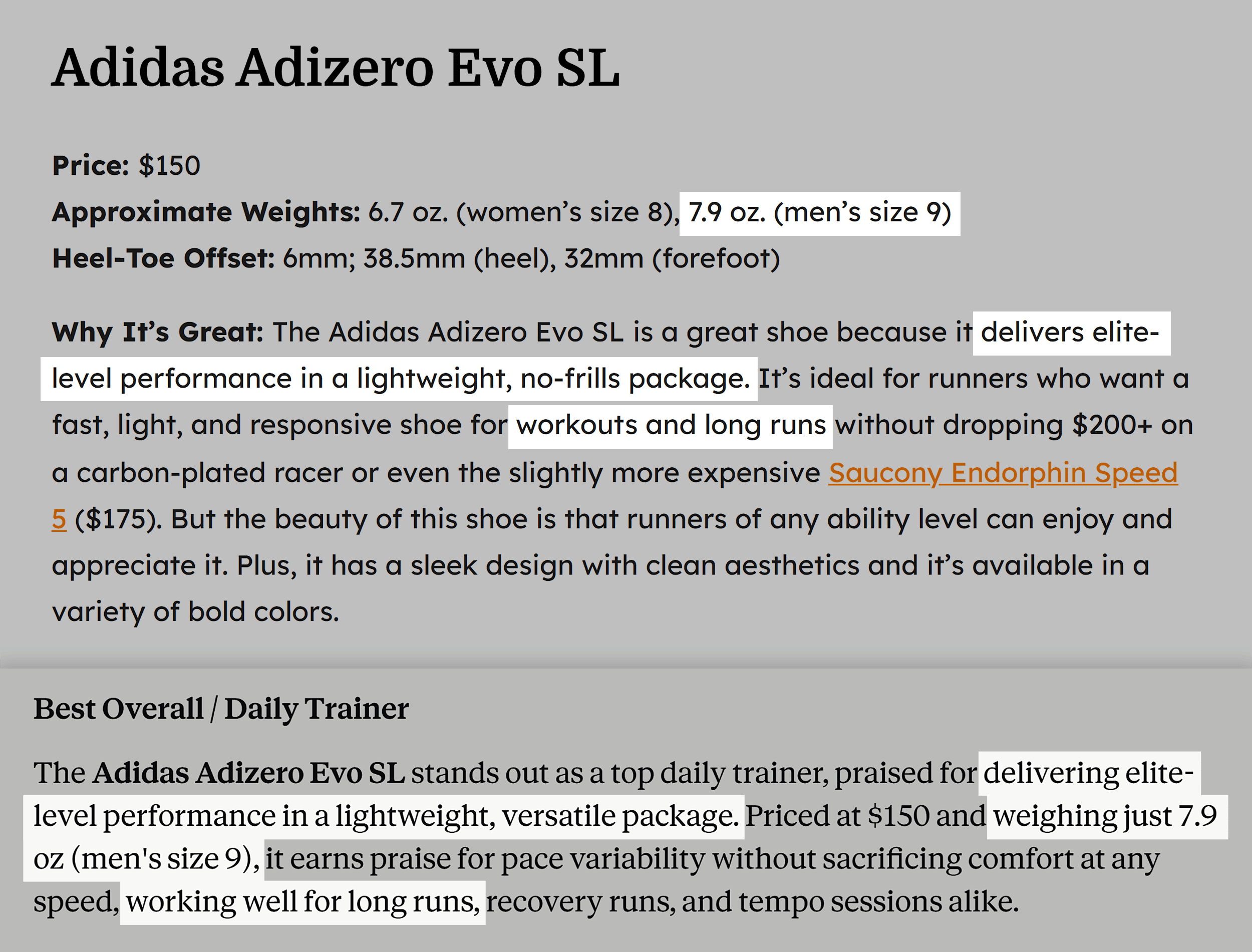
Simultaneously, generative AI platforms rely heavily on Retrieval-Augmented Generation (RAG) and training data derived from widespread web content. When an AI tool formulates a product recommendation, it synthesizes phrasing, sentiment, and descriptive attributes from trusted sources across the web. Empirical analysis of AI outputs reveals a striking correlation between the descriptive language used in high-authority third-party product reviews and the summaries generated by LLMs. For instance, athletic footwear reviewed in specialized running publications with phrases like "elite-level performance in a lightweight, no-frills package" are frequently described by AI models using nearly identical phrasing. Consequently, web mentions act as the primary training corpus and reference library for artificial intelligence systems.
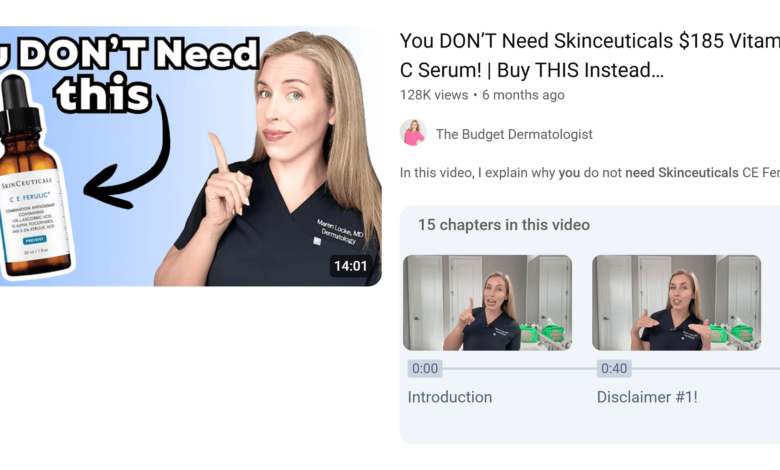
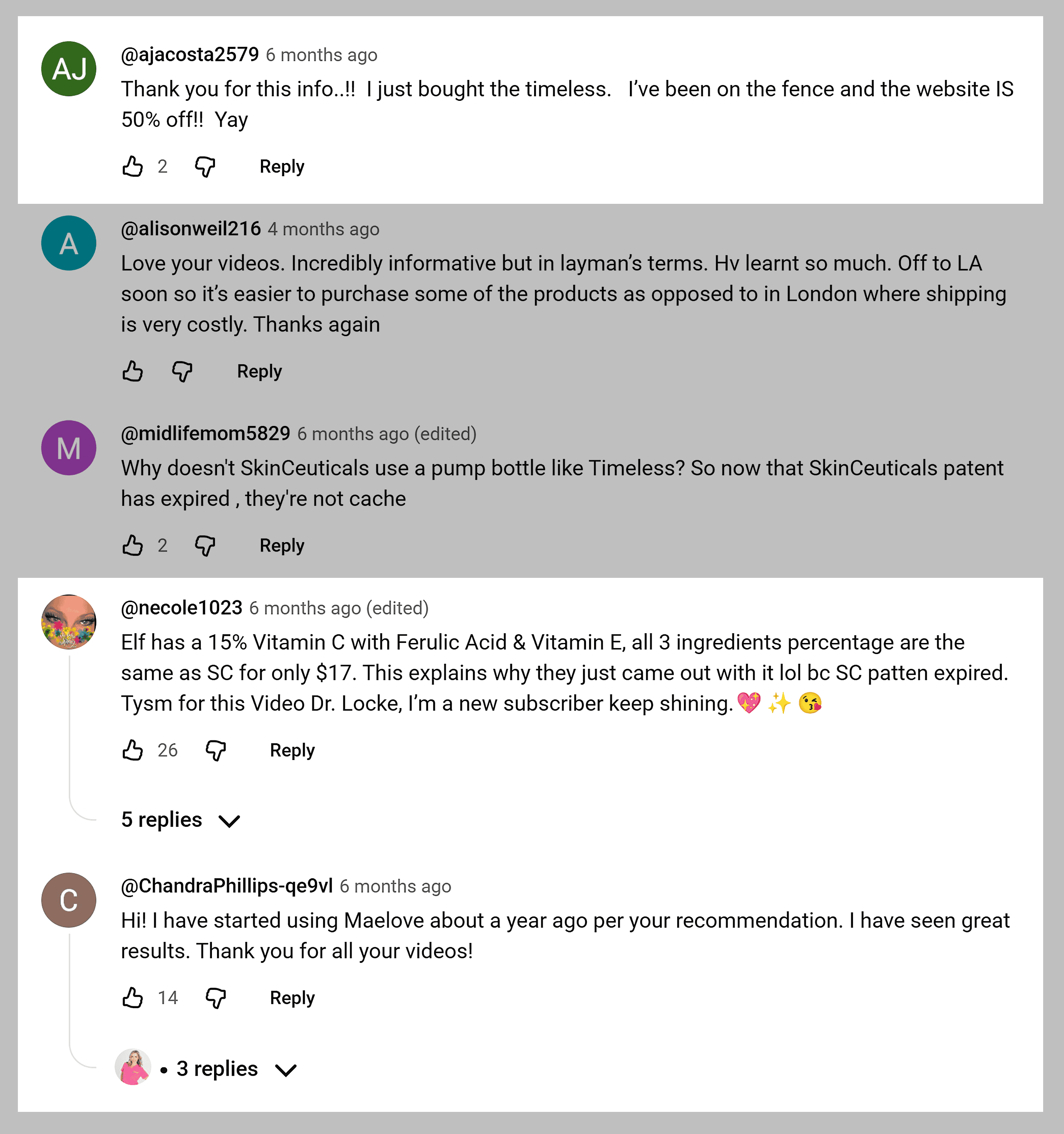
Beyond algorithmic indexing, brand mentions dramatically expand organizational visibility into entirely new consumer segments. Traditional search optimization captures users who are actively typing high-intent queries into a search bar. However, brand mentions within YouTube videos, expert-led podcasts, and niche community forums expose a brand to passive audiences who may not be actively searching for the specific product at that exact moment. When a trusted authority recommends an alternative product within a video essay, viewers frequently convert into buyers based on the secondary endorsement, opening up acquisition channels independent of traditional search volume.
Anatomy of a High-Value Brand Mention
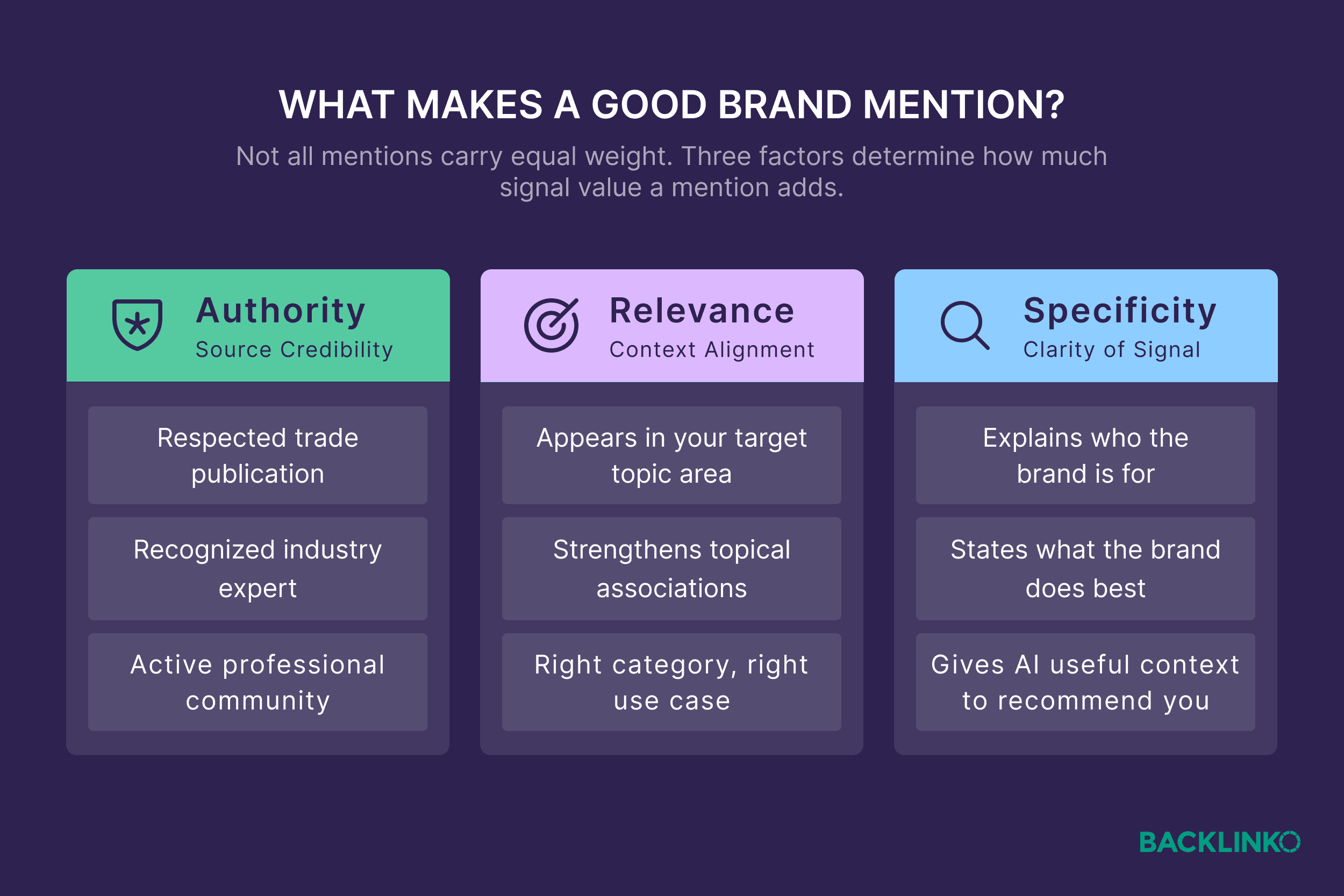
Not all brand mentions carry equal weight in the eyes of search crawlers and AI algorithms. Digital marketing analysts evaluate brand mentions through three critical criteria: authority, relevance, and specificity.
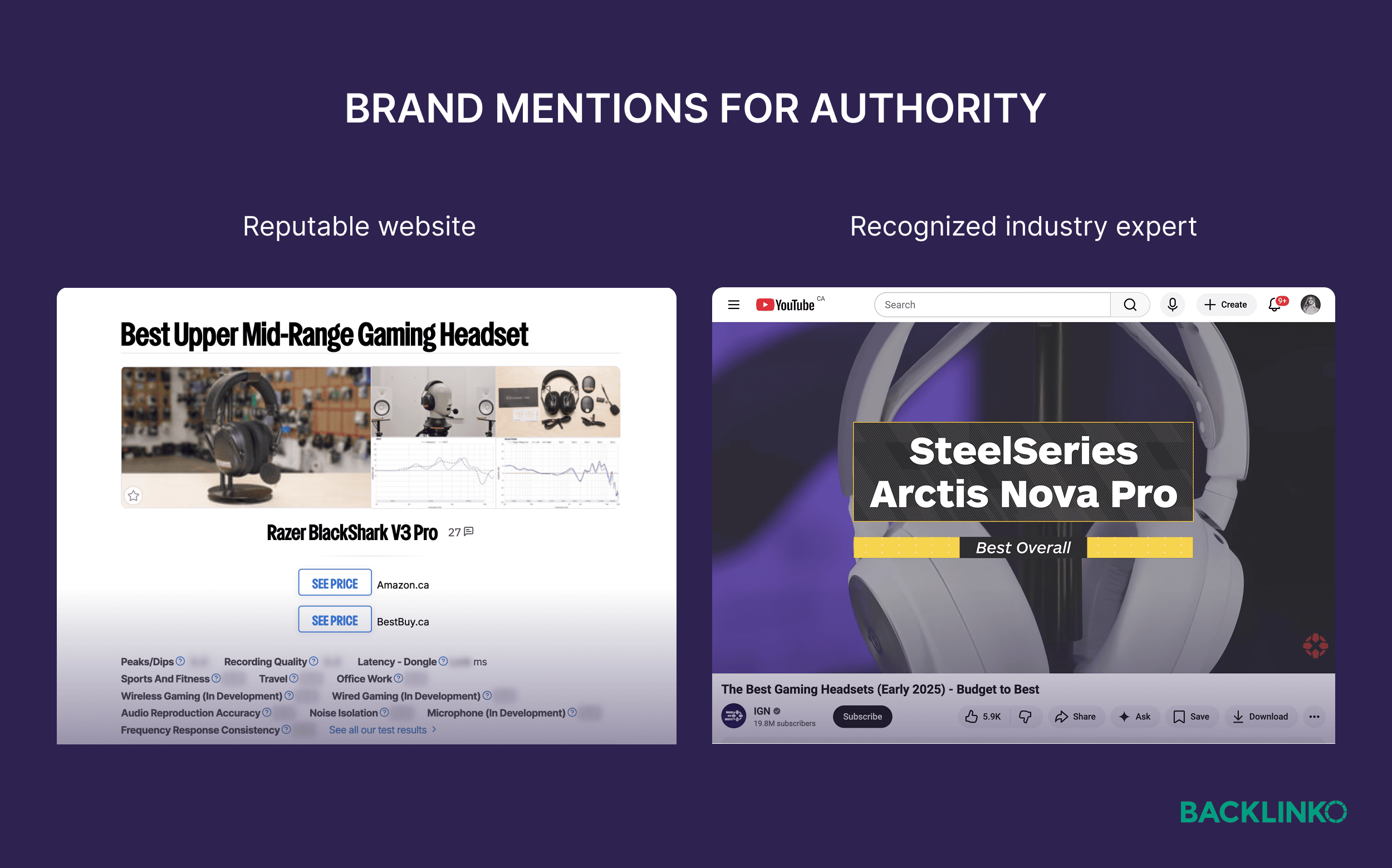
- Authority: The credibility and trustworthiness of the source publishing the mention. A reference within an established, high-domain-authority industry publication or a peer-reviewed journal transmits a substantially stronger signal than a vague mention on an obscure, low-traffic weblog. Search engines weigh editorial standards, backlink profiles, and historical trustworthiness when assessing the value of the citing domain.
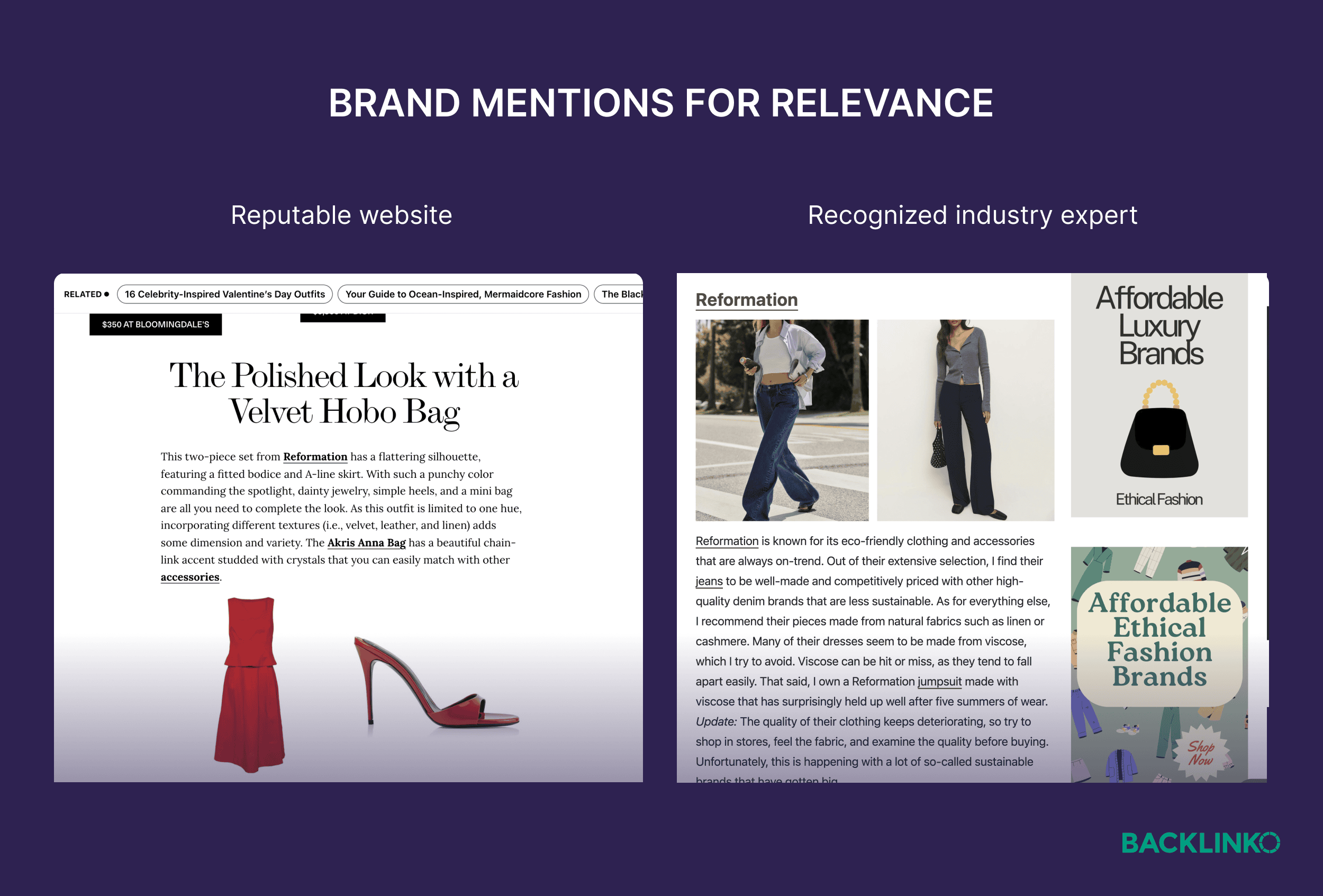
- Relevance: Contextual alignment operating on two distinct levels—topical relevance and industrial relevance. A brand mention is most effective when it occurs within content discussing the precise themes and subject matter the business aims to dominate. Furthermore, the publication itself must belong to the broader industry vertical associated with the brand.
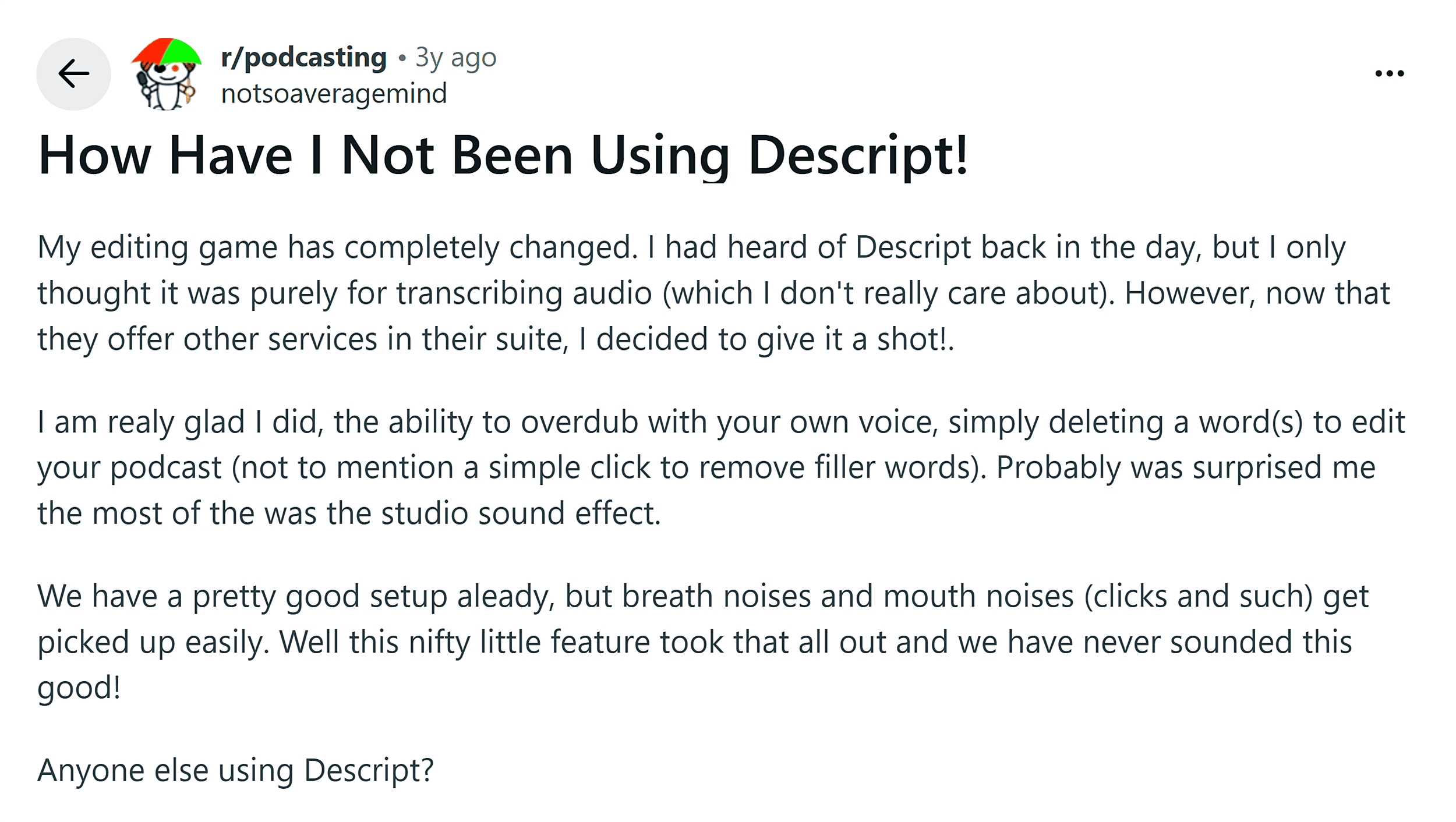
- Specificity: The inclusion of granular details, exact use cases, comparative metrics, and clear functional attributes. Generic, passing references provide minimal utility to algorithms. Conversely, mentions that detail specific product features, performance benchmarks, pricing advantages, or direct implementation experiences supply search engines and LLMs with explicit data regarding what the brand does and the precise scenarios in which it should be recommended.
Four Proven Tactics to Earn Valuable Brand Mentions
Organizations seeking to systematically enhance their brand footprint can implement four distinct, highly effective content and public relations strategies.
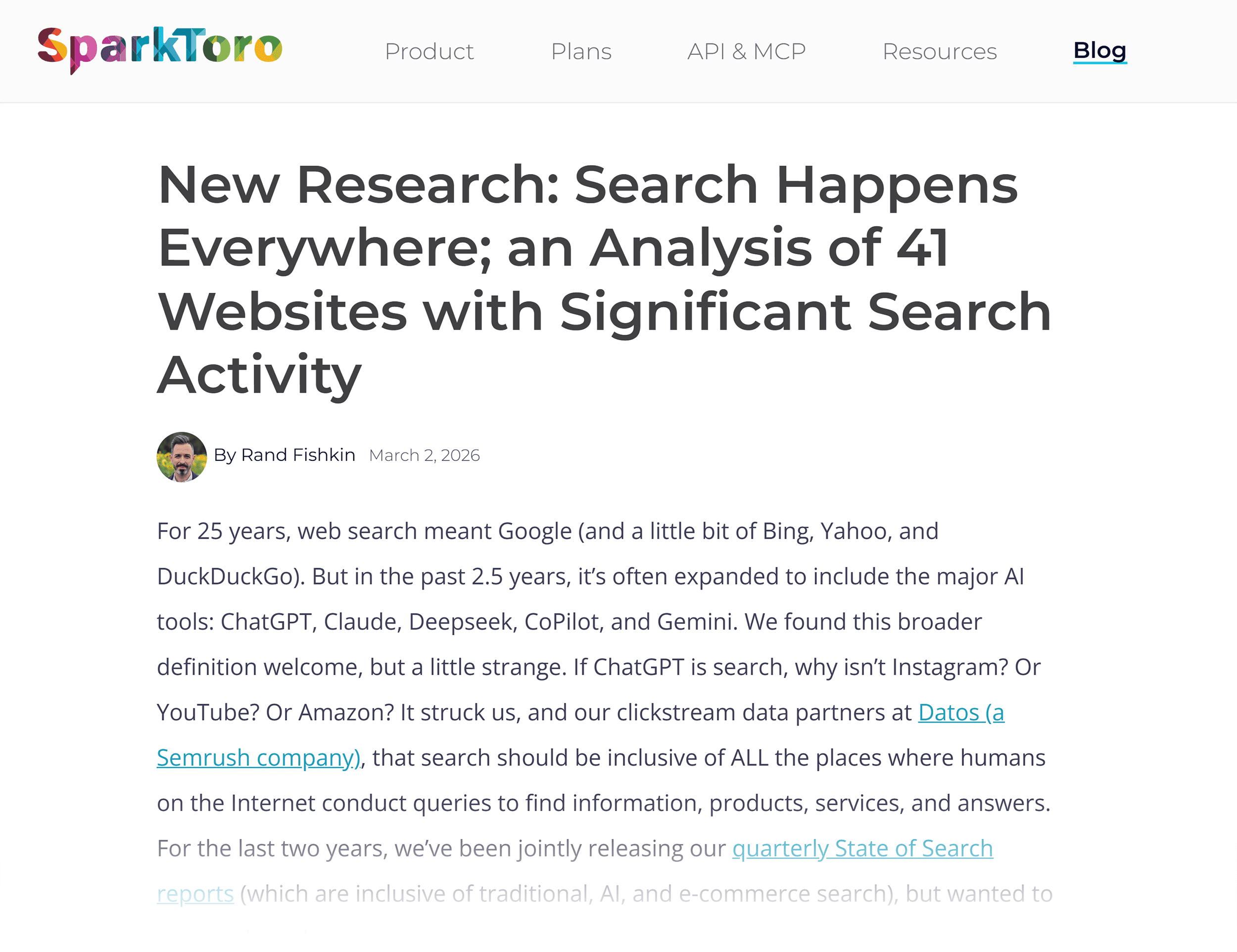
1. Create Data-Driven, Citable Content
Original research remains one of the most reliable methodologies for securing long-term brand mentions. When an organization fields proprietary surveys, analyzes proprietary datasets, or addresses hotly debated industry controversies with empirical evidence, it creates a primary source asset. Industry practitioners, journalists, and academic researchers must cite the originating brand to reference the data.
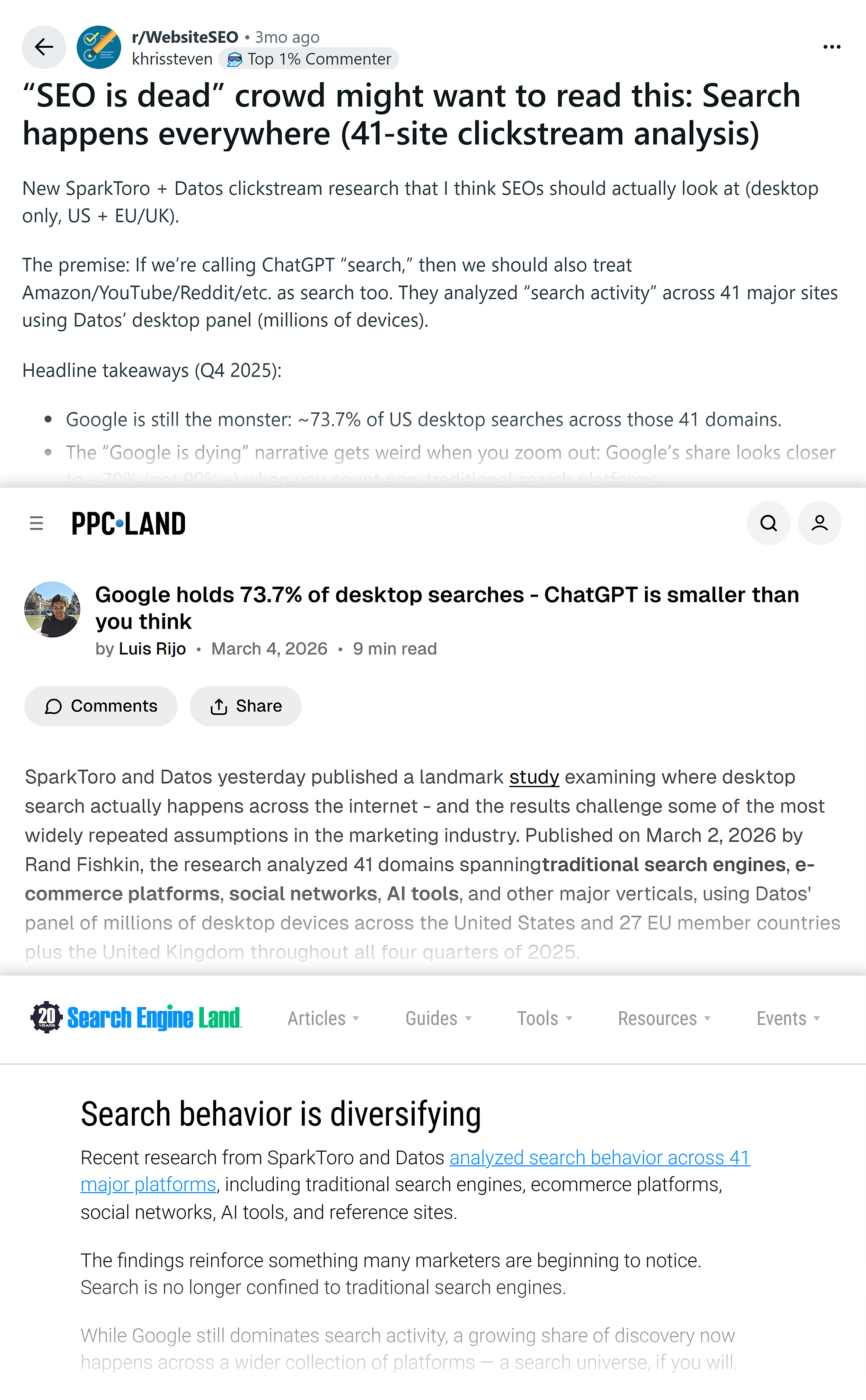
To execute this effectively, organizations must monitor community forums, sales call transcripts, and industry Slack channels to identify recurring, unanswered questions. By designing a study that definitively answers these queries and packaging the findings with clear visualizations, executive summaries, and easily extractable data points, companies maximize their citation potential. Historical case studies from prominent data-driven organizations demonstrate that publishing comprehensive industry reports routinely yields dozens of high-authority linked mentions across trade press and professional networks.
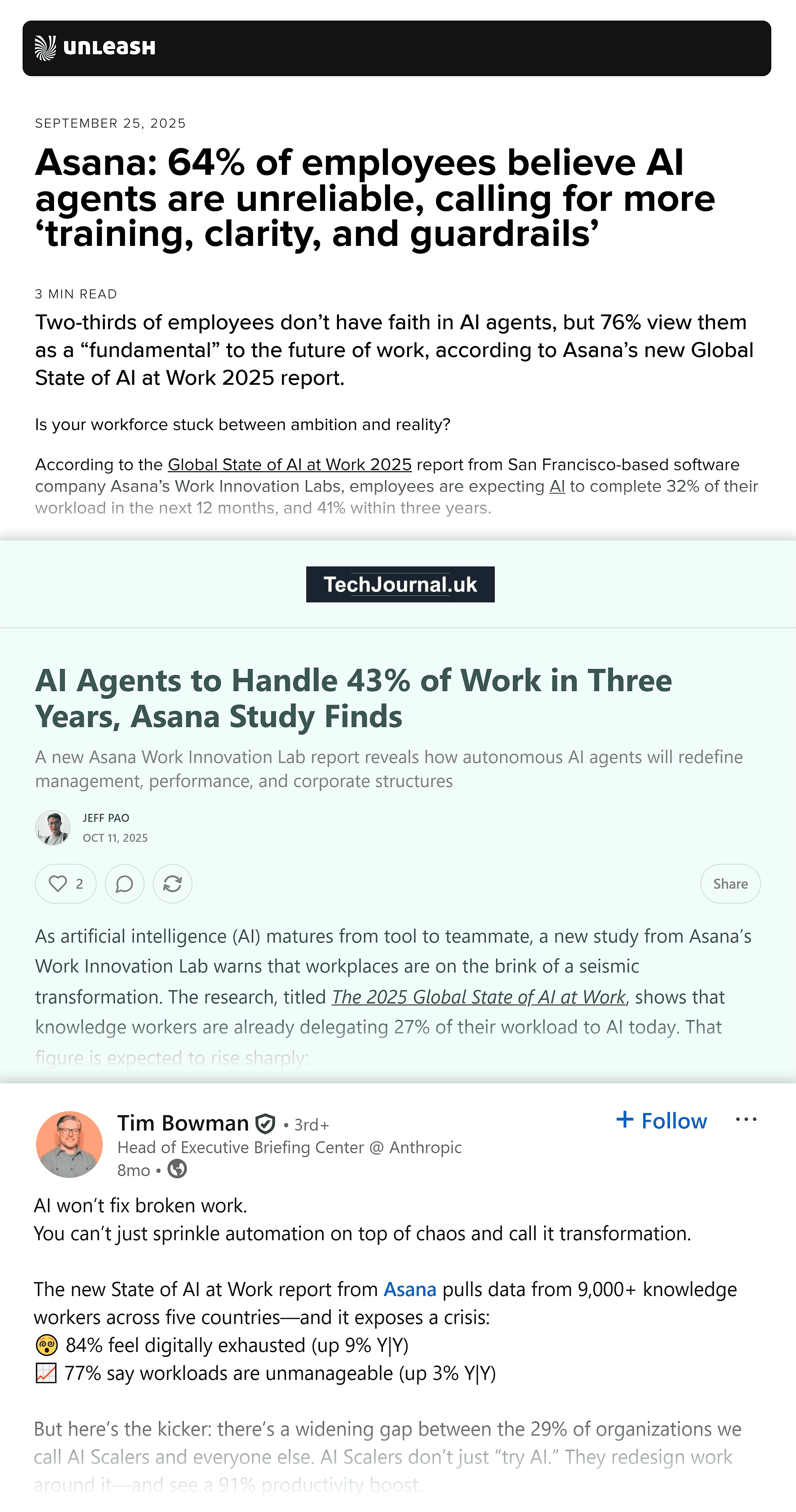
2. Partner With Complementary Brands on Co-Created Assets
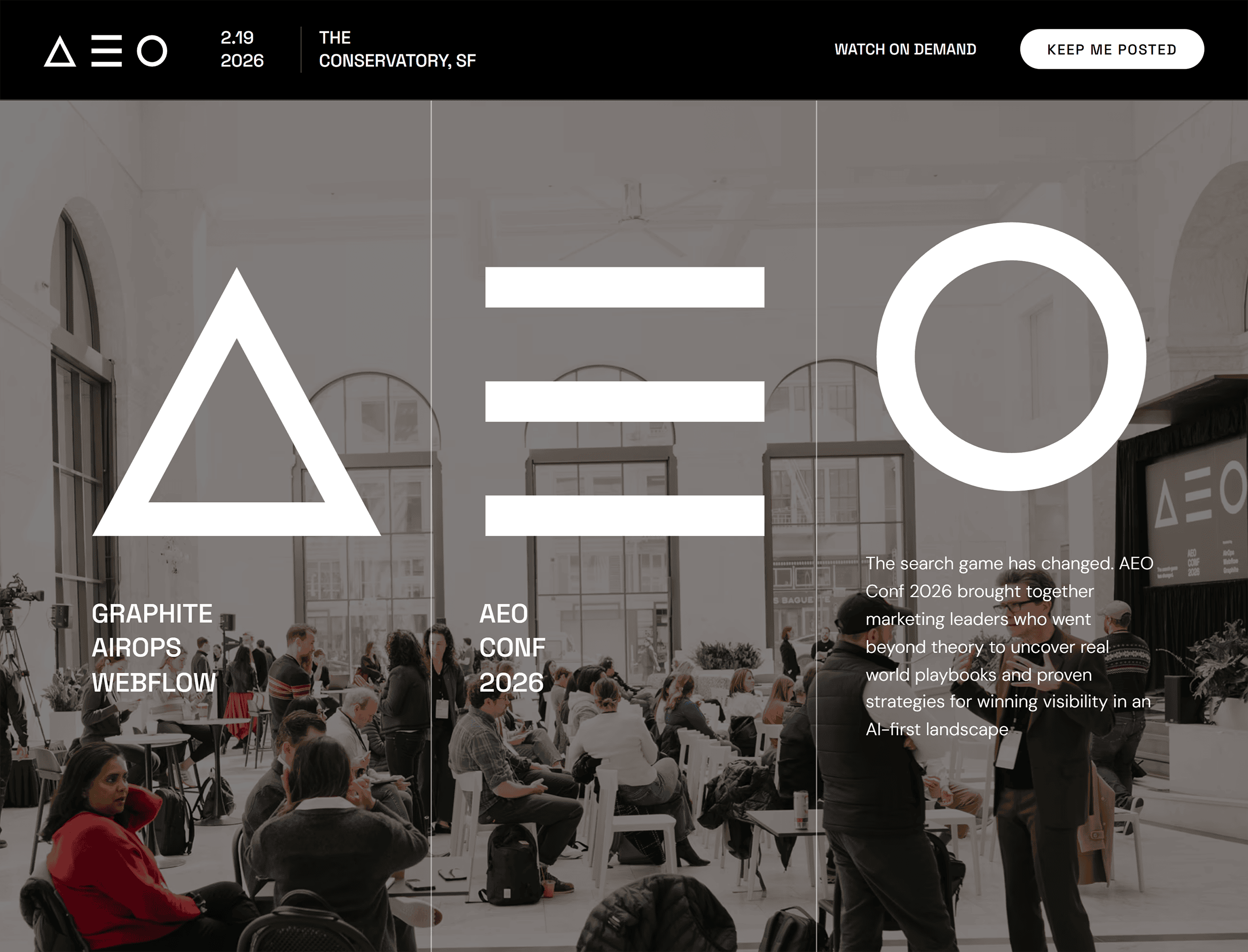
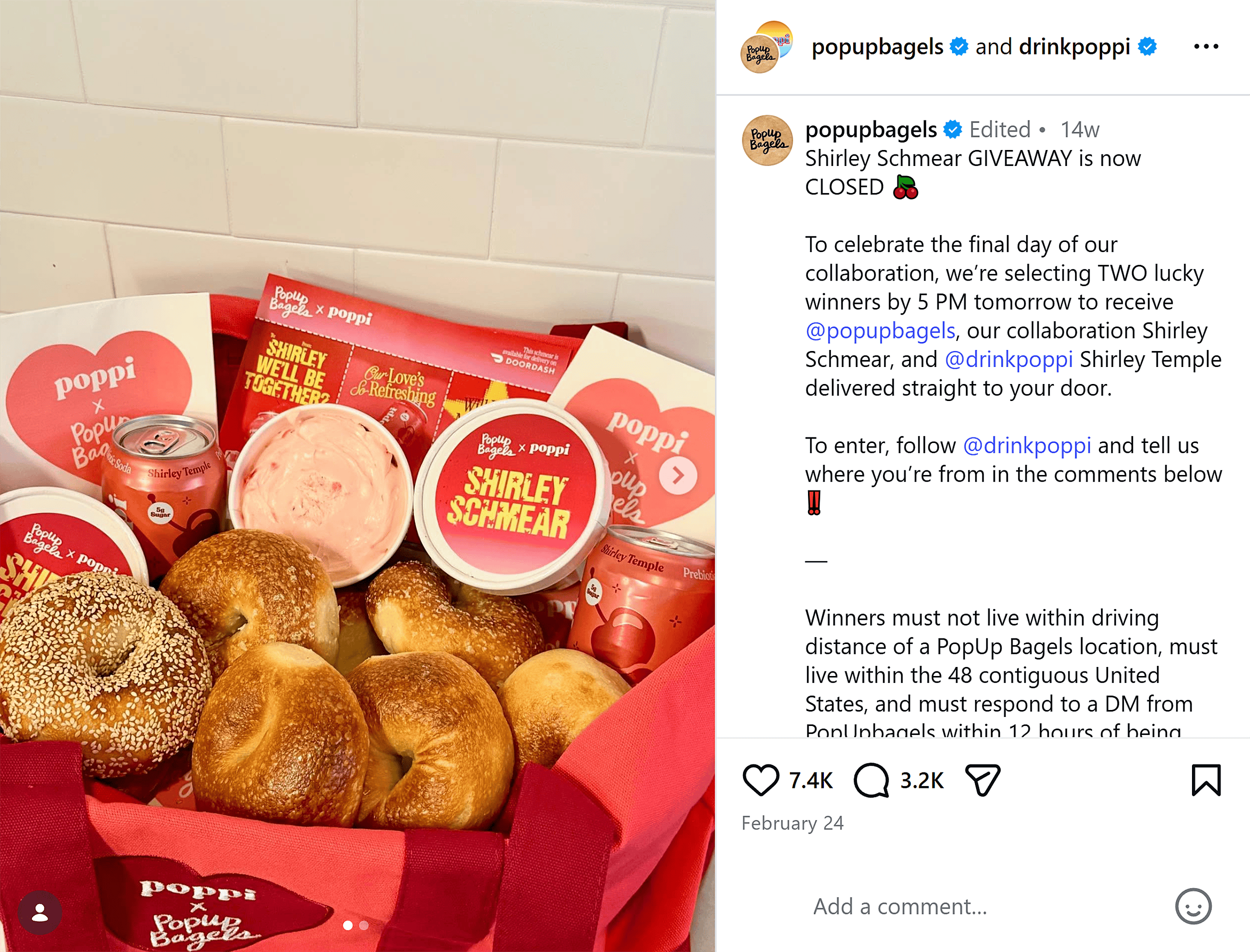
Collaborative marketing campaigns allow non-competing businesses that target overlapping consumer demographics to pool their audiences. By co-hosting industry conferences, launching joint research initiatives, or executing co-branded product releases, participating brands ensure they are consistently mentioned in tandem across independent channels.
This strategic alignment leverages the psychological phenomenon of co-occurrence. When independent creators, attendees, and media outlets repeatedly discuss two or more brands within the same conversational context, search engines and AI models map a semantic relationship between those entities. Executing strategic public relations pushes around these partnerships further secures mainstream media coverage, cementing the brand’s authority within its designated niche.
3. Feature Other Brands and Experts in Your Content
An efficient method for generating reciprocal brand mentions involves actively incorporating external industry experts, thought leaders, and complementary businesses into proprietary content assets. Formats such as expert roundups, collaborative benchmark reports, and specialized interview series incentivize contributors to share the finished asset with their personal and professional networks.
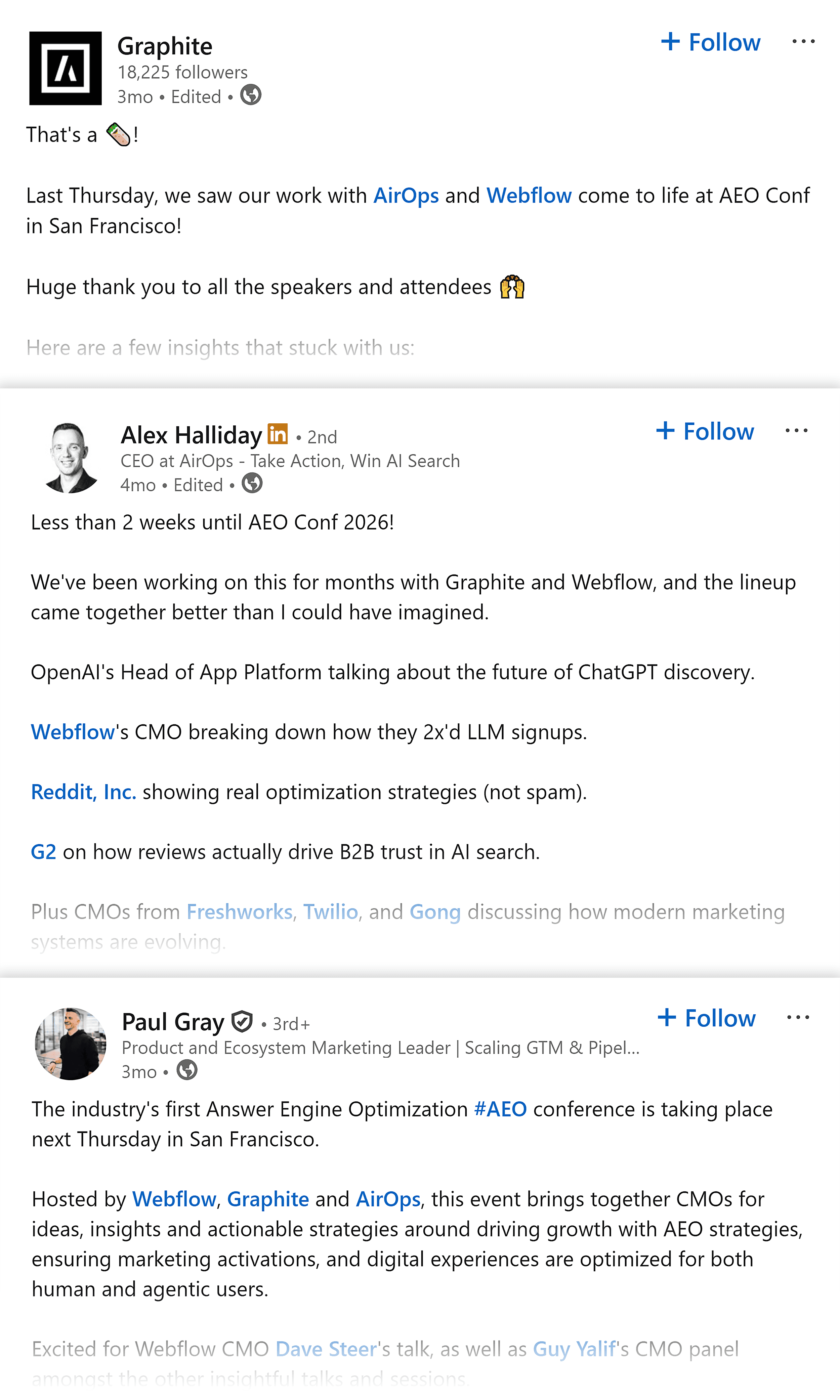
When an organization structures a piece of content to genuinely highlight an expert’s unique perspective—rather than burying a generic one-line quote within a lengthy list—the contributor is significantly more inclined to distribute the material to their followers. This advocacy exposes the hosting brand to entirely new professional communities, generating organic social mentions and inbound links.
4. Contribute Subject Matter Expertise Through Digital PR
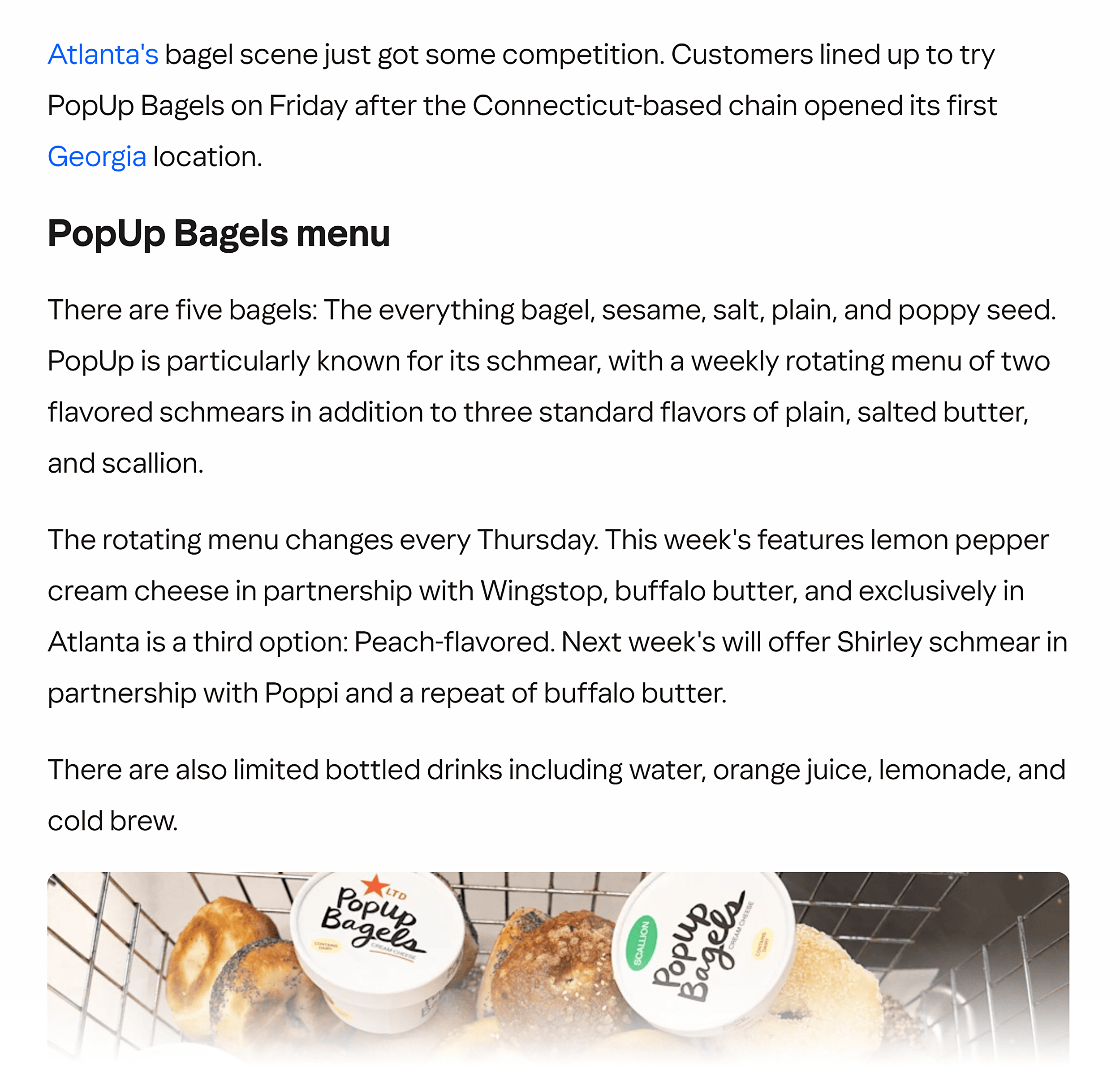
Proactively positioning executives and subject matter experts as reliable sources for journalists, podcast hosts, and webinar organizers represents a cornerstone of digital PR. By pitching insightful commentary, proprietary frameworks, and industry predictions rather than direct commercial sales pitches, organizations secure authoritative mentions across media outlets, show notes, and video descriptions.

Success in digital PR relies on prioritizing audience value over publication prestige. Securing placements in smaller, highly targeted niche podcasts or specialized trade publications frequented by a specific buyer persona often yields higher conversion efficiency and more relevant contextual data for AI algorithms than attempting to target generalized mainstream media outlets.
Tracking and Reporting Brand Mentions to Leadership
To justify resource allocation and measure the efficacy of brand-building initiatives, marketing teams must implement a structured measurement and reporting framework. Monitoring brand mentions requires a multi-tiered tracking approach combining free tools, social listening platforms, and backlink analytics.
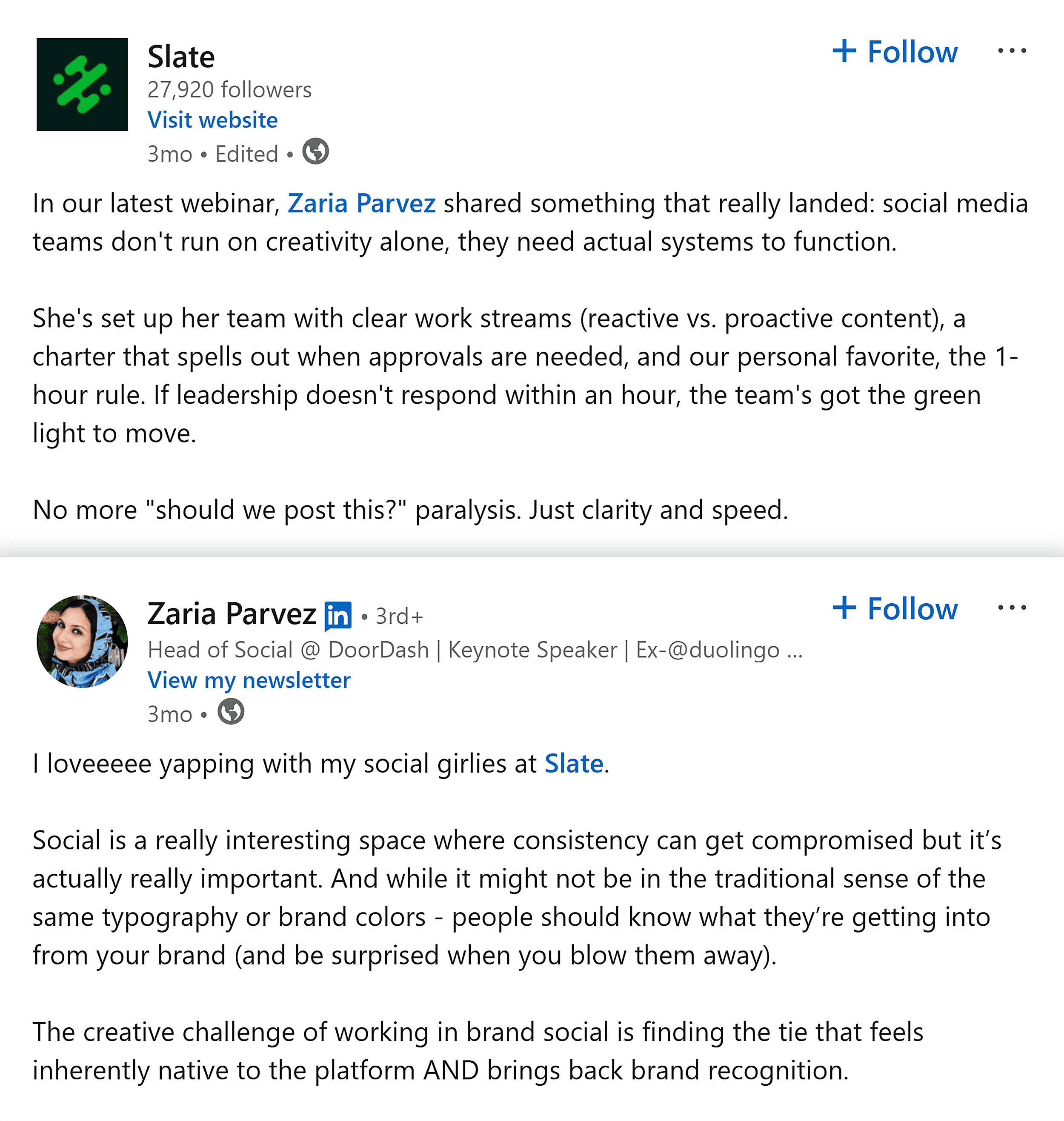
- Google Alerts and Manual Searches: Deploying Google Alerts for brand names, common misspellings, core product lines, executive names, and primary competitors provides a baseline daily digest. Because automated tools frequently miss community forums and niche subreddits, teams must supplement automated alerts with weekly manual searches across major social and video platforms.
- Social Listening Platforms: Utilizing advanced software applications—such as dedicated brand monitoring tools, Brandwatch, or Mention—allows organizations to track real-time conversations across global news sites, review aggregators, and social channels. These platforms provide qualitative metrics such as sentiment analysis (positive, neutral, negative) and volume trends.
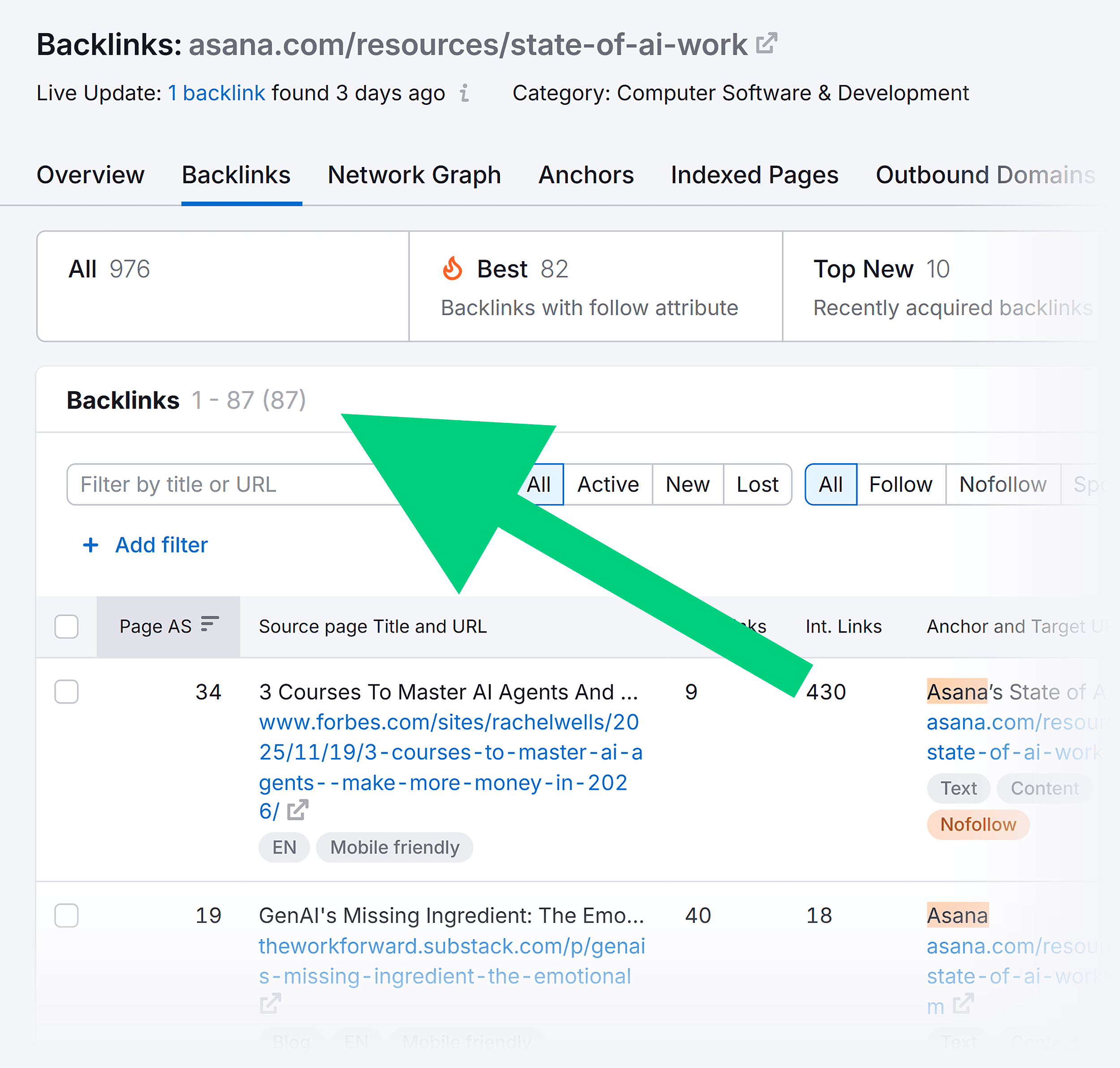
- Backlink and Mention Analytics: Leveraging enterprise SEO platforms to filter backlink profiles specifically by brand-name anchor text enables marketers to isolate earned editorial mentions. Tracking the growth of unique referring domains over quarterly intervals helps establish a clear correlation between PR campaigns and expanding AI search visibility.
When reporting these findings to executive leadership, data should be framed around qualitative storytelling and strategic momentum rather than isolated numerical counts. Monthly and quarterly executive summaries should outline total mention volume, prevailing sentiment shifts, audience reach estimations of citing domains, and the impact of specific marketing campaigns on brand perception. By connecting earned brand mentions directly to improvements in organic discovery and generative AI recommendations, marketing leaders can definitively demonstrate the profound ROI of building a resilient, omnipresent digital brand.