The Strategic Shift: Why Enterprise Marketing Teams are Reevaluating Adobe Marketo Engage in 2026

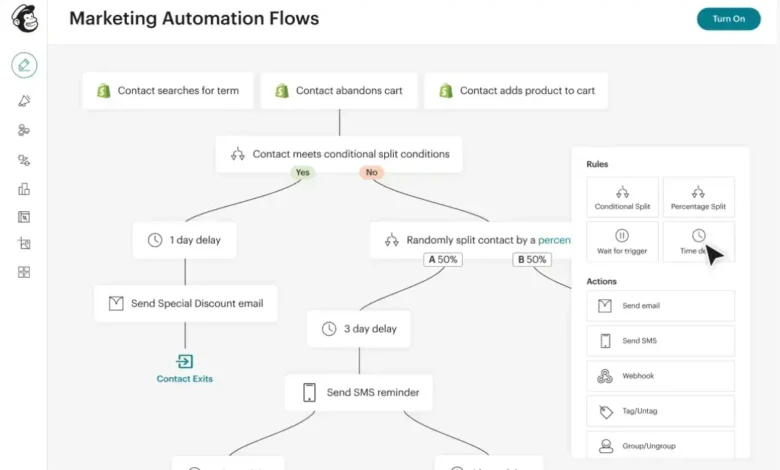
For over a decade, Adobe Marketo Engage has served as the backbone for enterprise-level demand generation. As a sophisticated B2B marketing automation platform, it has powered the lead nurturing, account-based marketing (ABM), and revenue attribution strategies of the world’s largest organizations. However, the landscape of digital marketing is shifting. As of 2026, nearly 50% of marketing leaders report that they are actively leveraging automation to drive efficiency, and this surge in adoption has prompted a critical industry-wide reflection: is the incumbent technology still the most effective choice, or has the complexity of the platform begun to stifle the very agility it was designed to support?
The current market environment is characterized by a demand for "revenue velocity"—the speed at which a marketing qualified lead transitions into a closed-won opportunity. For many operations leaders, the friction caused by managing a standalone marketing automation platform (MAP) separate from their customer relationship management (CRM) system has become a primary bottleneck. This realization has triggered a wave of migrations as companies look toward unified ecosystems that prioritize data integrity and speed to market.
The Historical Context of the Marketing Automation Plateau

The rise of Marketo coincided with the birth of modern inbound marketing, where the ability to track digital breadcrumbs across a complex buyer journey was a competitive advantage. During the 2010s, enterprises accepted the trade-off of high licensing fees and the necessity of specialized, certified administrators because the alternative—fragmented, manual spreadsheets—was far worse.
However, the technology stack has evolved. Modern marketing teams now require real-time data flow, AI-driven predictive modeling, and, most importantly, a unified view of the customer. The "sync layer"—the technical bridge between Marketo and a CRM like Salesforce—has become a point of failure for many. Data latency, where a lead’s activity in a marketing email takes minutes or hours to reflect in the sales dashboard, is no longer acceptable in an era where sales teams expect immediate context.
The Drivers of Current Migration Trends
Marketing operations leaders and Chief Revenue Officers (CROs) are now evaluating platforms based on a new set of criteria, primarily focusing on the Total Cost of Ownership (TCO). While the sticker price of a software license is often transparent, the "hidden" costs of Marketo—comprising third-party consulting fees, dedicated headcount for maintenance, and the opportunity cost of slow implementation—have led to significant budget reallocations.

-
Operational Complexity and Admin Dependency: Unlike modern SaaS solutions that empower the average marketing manager to build complex workflows via drag-and-drop interfaces, Marketo remains a highly technical environment. This often creates a "gatekeeper" scenario where marketing campaigns are delayed by the availability of technical administrators.
-
Data Fragmentation: When marketing and sales data reside in different architectures, "source of truth" conflicts are inevitable. These discrepancies lead to poor lead routing, inefficient follow-ups, and a fractured customer experience.
-
Time to Value: In a high-pressure revenue environment, a six-month implementation cycle is increasingly viewed as a liability. Companies are prioritizing platforms that offer "out-of-the-box" connectivity, allowing teams to be operational in weeks rather than quarters.
Landscape of Emerging Alternatives
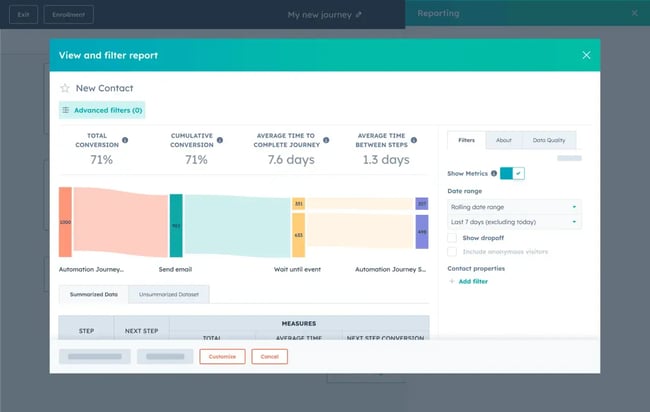
As the market matures, several key players have emerged as primary alternatives, each serving different organizational needs:
HubSpot Marketing Hub and Smart CRM: Positioned as a unified, all-in-one system, this platform has become the leading challenger. Its value proposition centers on eliminating the sync layer entirely. By housing marketing automation and CRM within the same architecture, it provides a "single source of truth" that updates in real-time.
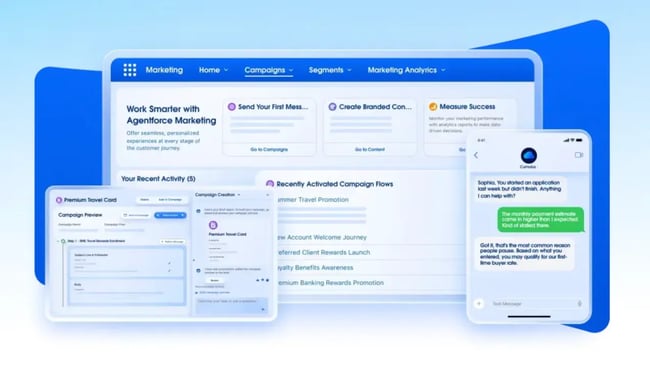
Salesforce Marketing Cloud (Pardot): For organizations already deeply entrenched in the Salesforce ecosystem, this remains the logical choice. Its native integration is its greatest strength, though it often lacks the intuitive UI and rapid deployment capabilities that newer, more agile competitors offer.
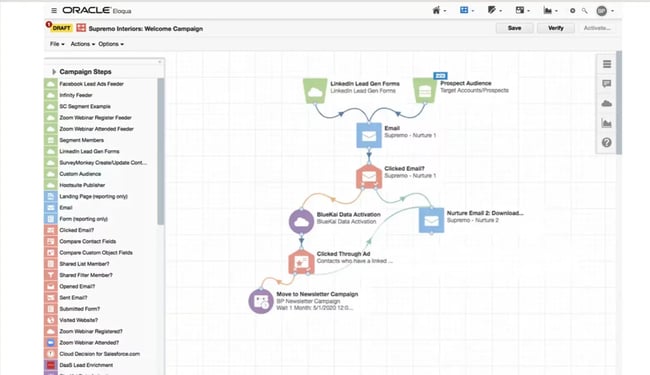
Oracle Eloqua: Often viewed as the direct competitor to Marketo for high-complexity, enterprise-scale operations. It excels in global, multi-brand environments with massive databases, but it carries similar risks of high implementation and maintenance costs.
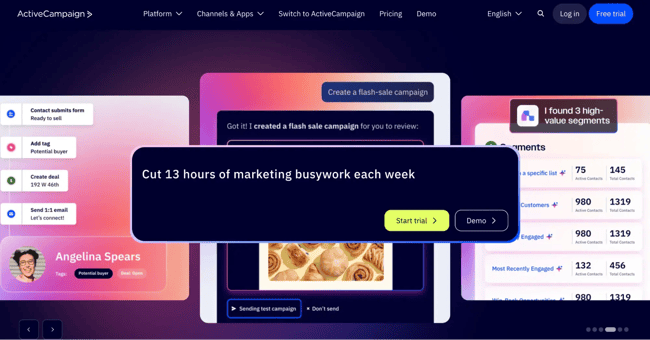
ActiveCampaign and Zoho: These platforms are gaining significant traction in the mid-market. While they may lack the enterprise-grade ABM features of larger competitors, they offer a user-friendly experience that significantly reduces the barrier to entry for smaller or more agile teams.
Analytical Breakdown of Migration Risks and Rewards
The decision to migrate from a legacy system is not one that should be taken lightly. Industry analysts note that the primary cause of failed migrations is not the technology itself, but poor data hygiene carried over from the legacy system.
When a company migrates to a new platform, they essentially have a "clean slate" opportunity. However, if they simply lift and shift broken processes, duplicate records, and messy segmentation logic into the new system, they are merely paying to experience the same problems in a different interface.
To mitigate these risks, successful organizations are adopting a rigorous three-step migration framework:
-
The Functional Audit: Teams are conducting deep-dive audits of their existing programs. It is a common finding that 30% to 40% of automation workflows in legacy systems have not been active for over a year. By archiving these, companies can drastically reduce the scope and complexity of their migration.
-
Data Sanitization: Before importing data into a new platform, firms are investing in data cleaning services to remove duplicates and normalize formatting. This step is critical for ensuring that AI-powered lead scoring in the new platform performs accurately from day one.
-
Integration Mapping: Rather than replicating old "workarounds," teams are using the migration to rethink their stack. They are replacing multiple disparate tools (such as separate webinar, social, and email platforms) with the unified capabilities of their new, modern marketing platform.
The Role of Artificial Intelligence
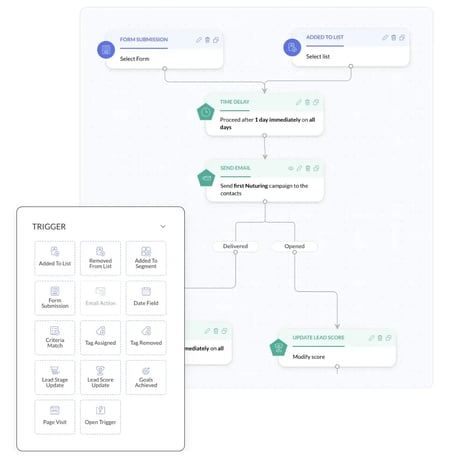
The shift is further accelerated by the emergence of AI. Modern platforms are integrating AI not as an add-on, but as a core component of the user experience. This includes predictive lead scoring that adapts to changing market conditions, content generation tools that personalize messaging at scale, and conversational interfaces that allow marketers to build workflows using natural language prompts.
For a marketing team, the difference is stark. In a legacy environment, building a complex nurture sequence might require a developer to write custom code. In an AI-integrated environment, a marketer can simply prompt the system to "create a five-step lead nurture sequence for prospects who downloaded a whitepaper and have a company size of over 500 employees," and the system constructs the logic, creates the segments, and suggests the email content.
Implications for the Future of Revenue Operations
The broader implication of this market shift is the professionalization of Revenue Operations (RevOps). As the line between "marketing" and "sales" continues to blur, the tools used to support these functions must evolve.
The move away from monolithic, legacy automation platforms suggests that enterprises are prioritizing speed and data visibility over the "all-encompassing" feature sets that were the standard ten years ago. While Marketo remains a powerhouse, its position is no longer unassailable.
For the modern CMO, the goal is clear: build a tech stack that acts as an accelerator, not an anchor. As organizations continue to digitize their operations, the winners will be those who can connect their marketing signals to their revenue results with the least amount of friction. Whether that is achieved through a single-vendor, unified platform or a highly integrated, best-of-breed stack remains a strategic decision—but the era of tolerating "sync lag" and "admin overhead" is rapidly coming to an end.
Conclusion: A Call for Strategic Evaluation
For any organization currently questioning their reliance on Marketo, the advice from industry experts is consistent: start with the problem, not the product. Document the specific operational inefficiencies currently costing the team time and revenue. Is it the data sync? Is it the difficulty of training new staff? Is it the cost of external consultants?
Once the pain points are identified, evaluate the market based on how the alternative handles those specific bottlenecks. The migration process is an intensive investment of time and resources, but for teams trapped in high-cost, low-velocity cycles, it is often the most important investment they can make to ensure long-term competitive viability. In 2026, the technology you choose should work as hard as your team does; if it doesn’t, the market is offering more options than ever before.