Motorola Returns to the US Flagship Smartphone Market with the Signature 27 Powered by Snapdragon 8 Elite Extreme Gen 6

Motorola has officially confirmed its strategic return to the traditional flagship smartphone market in North America with the upcoming launch of the Motorola Signature 27. Announced during Qualcomm’s annual Snapdragon Summit, the device marks a significant turning point for the manufacturer, which has spent recent years primarily focusing on foldable form factors like the Razr series and regional-exclusive releases. By bringing its top-tier candy-bar smartphone to North American shores, Motorola aims to challenge entrenched market leaders like Samsung and Apple in the ultra-competitive premium tier.
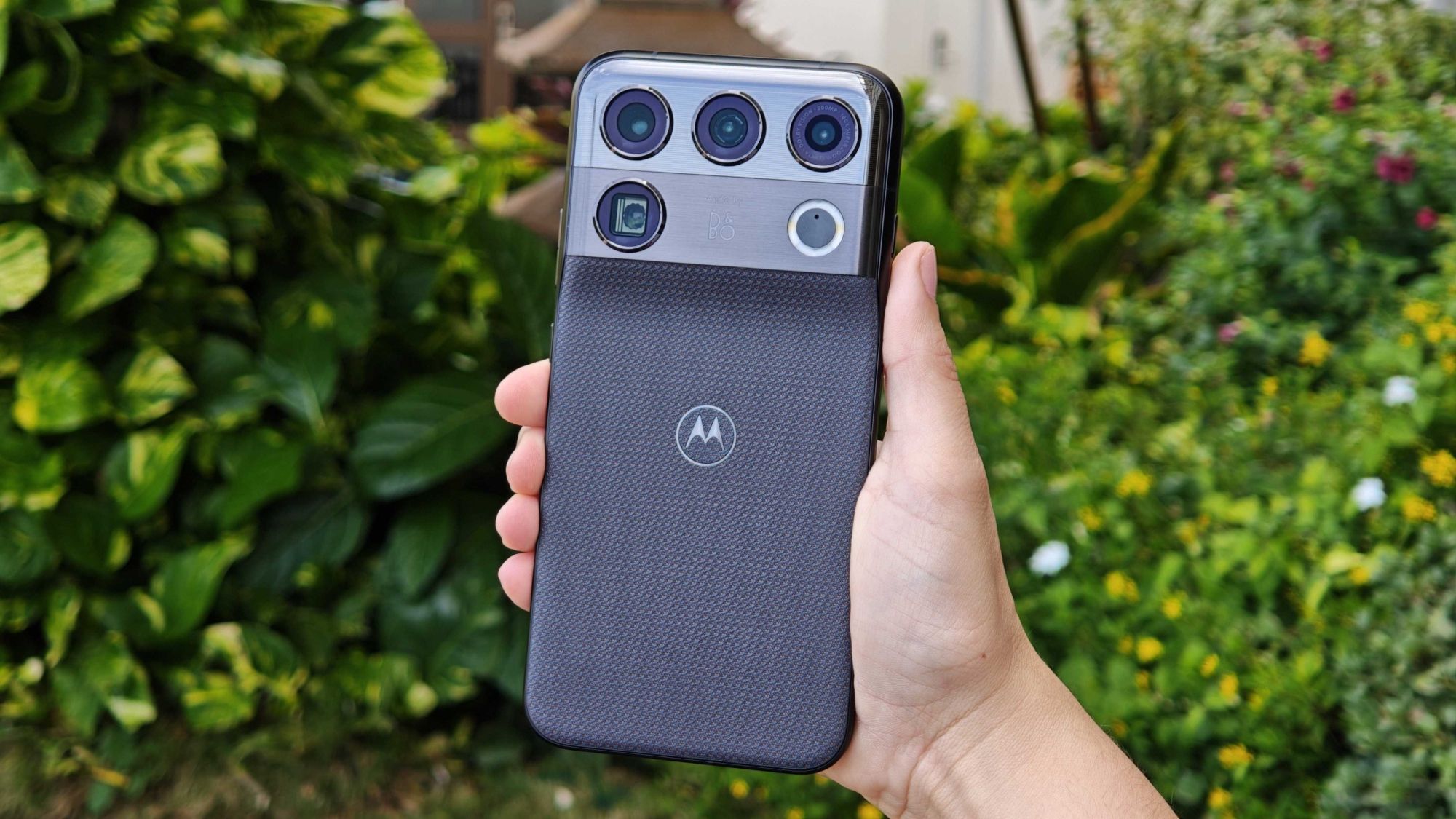
The announcement at the Snapdragon Summit positioned Motorola as a featured original equipment manufacturer (OEM), highlighting the brand’s deepening technical partnership with Qualcomm. At the core of the Motorola Signature 27 is the newly unveiled Snapdragon 8 Elite Extreme Gen 6 chipset. This processor is engineered to deliver generational leaps in artificial intelligence processing, energy efficiency, graphics rendering, and global 5G connectivity.
Background Context and Strategic Shift
For years, Motorola maintained a fragmented regional product strategy. High-end devices such as the original Motorola Signature were frequently made available exclusively in European and Latin American markets, leaving North American consumers without a traditional flagship alternative to the Samsung Galaxy S-series or Apple iPhone. This approach drew persistent criticism from industry analysts and tech enthusiasts who lamented the absence of Motorola’s best standard smartphone designs in the United States.
However, shifting market dynamics and strong financial momentum have prompted a change in corporate strategy. According to Motorola executives, the brand recently closed its most profitable quarter in history, achieving a 15 percent year-over-year revenue increase. Crucially, the primary driver of this financial growth was the premium device segment, signaling that consumers are eager for high-end options outside of the foldable ecosystem.
Market research indicates that Motorola observed a measurable volume of international Motorola Signature units being imported and registered on networks within the United States. This underground demand served as validation for executives, confirming that a domestic launch of the Signature 27 would capture a receptive audience looking for alternatives to established flagship ecosystems.
Hardware Innovations and Specifications
While full technical specifications remain under wraps ahead of the official commercial rollout, Motorola has detailed several key hardware components of the Signature 27. The device departs from the company’s previous chip selection strategy—which saw the lower-end Snapdragon 8 Gen 5 utilized in products like the Razr Fold—by adopting the heavy-hitting Snapdragon 8 Elite Extreme Gen 6.
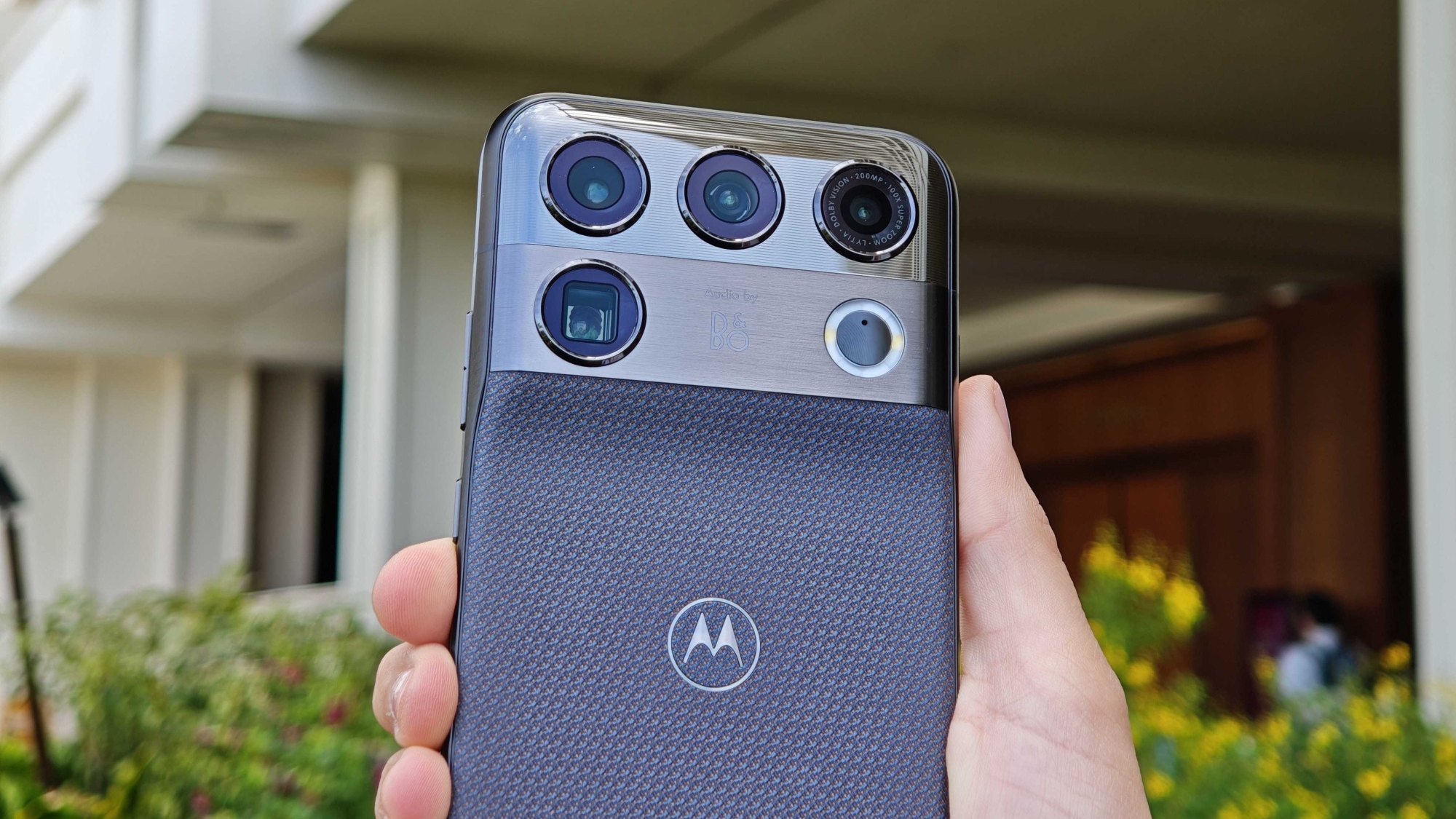
Imaging capabilities represent a central pillar of the Signature 27’s value proposition. The device incorporates a high-end camera array headlined by a 50-megapixel Sony Lytia 910 primary sensor paired with a 200-megapixel periscope telephoto lens. To maximize photographic output, Motorola’s engineering teams have engaged in extensive collaborative tuning sessions with Qualcomm engineers, focusing specifically on AI-driven image signal processing (ISP), low-light performance, and hardware-level video stabilization. Internal benchmarking reportedly indicates that the Signature 27’s camera system outperforms the company’s current folding flagships, positioning it to achieve top-tier DxOMark scores upon release.
In addition to its imaging hardware, Motorola has established a multi-year partnership with Danish audio pioneer Bang & Olufsen (B&O). Building upon Motorola’s existing collaboration with Pantone for color accuracy and design aesthetics, the B&O partnership brings century-old acoustic engineering expertise to the Signature 27’s internal speaker systems and audio processing pipelines.
Design Evolution and Ergonomic Refinements
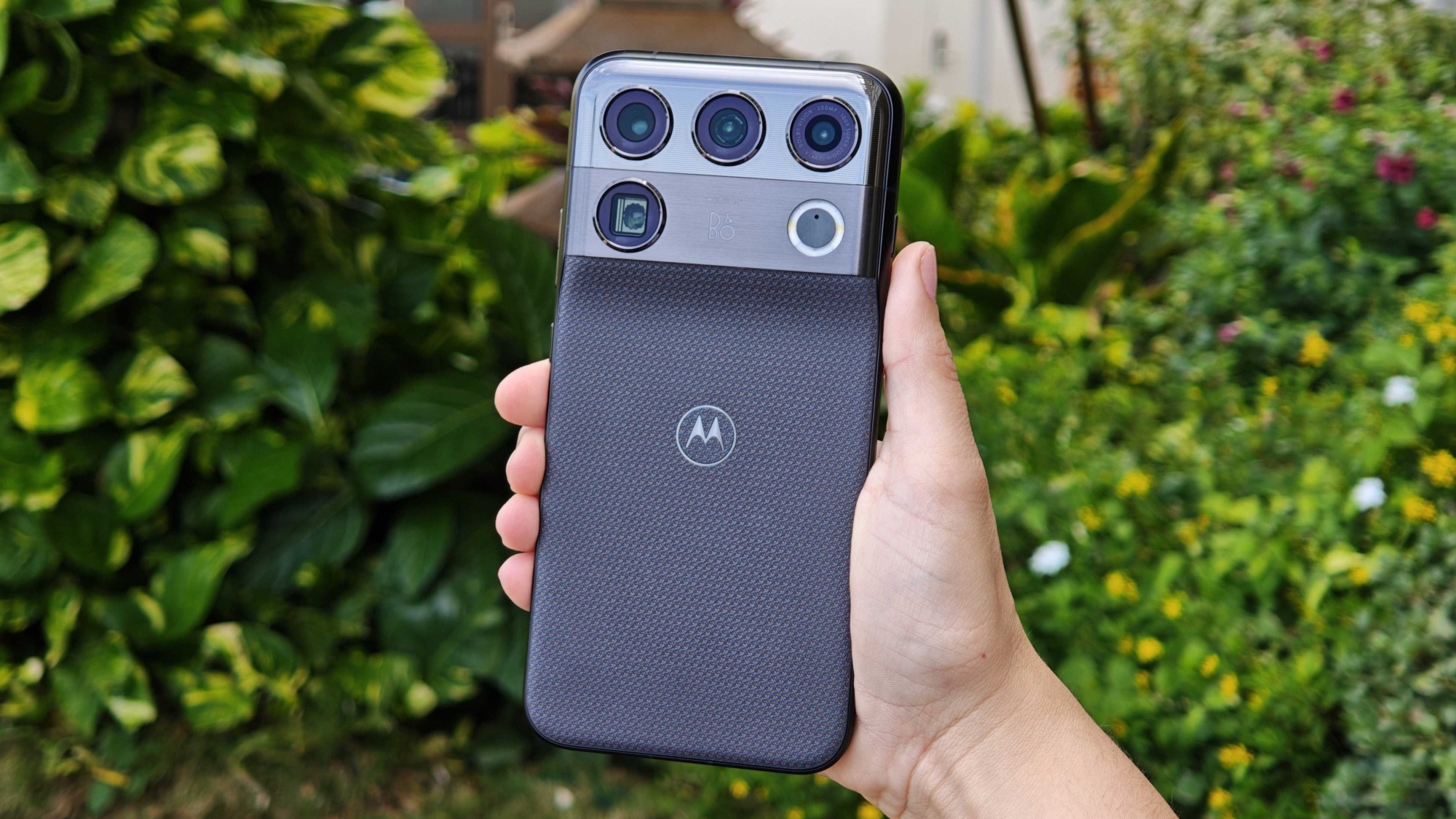
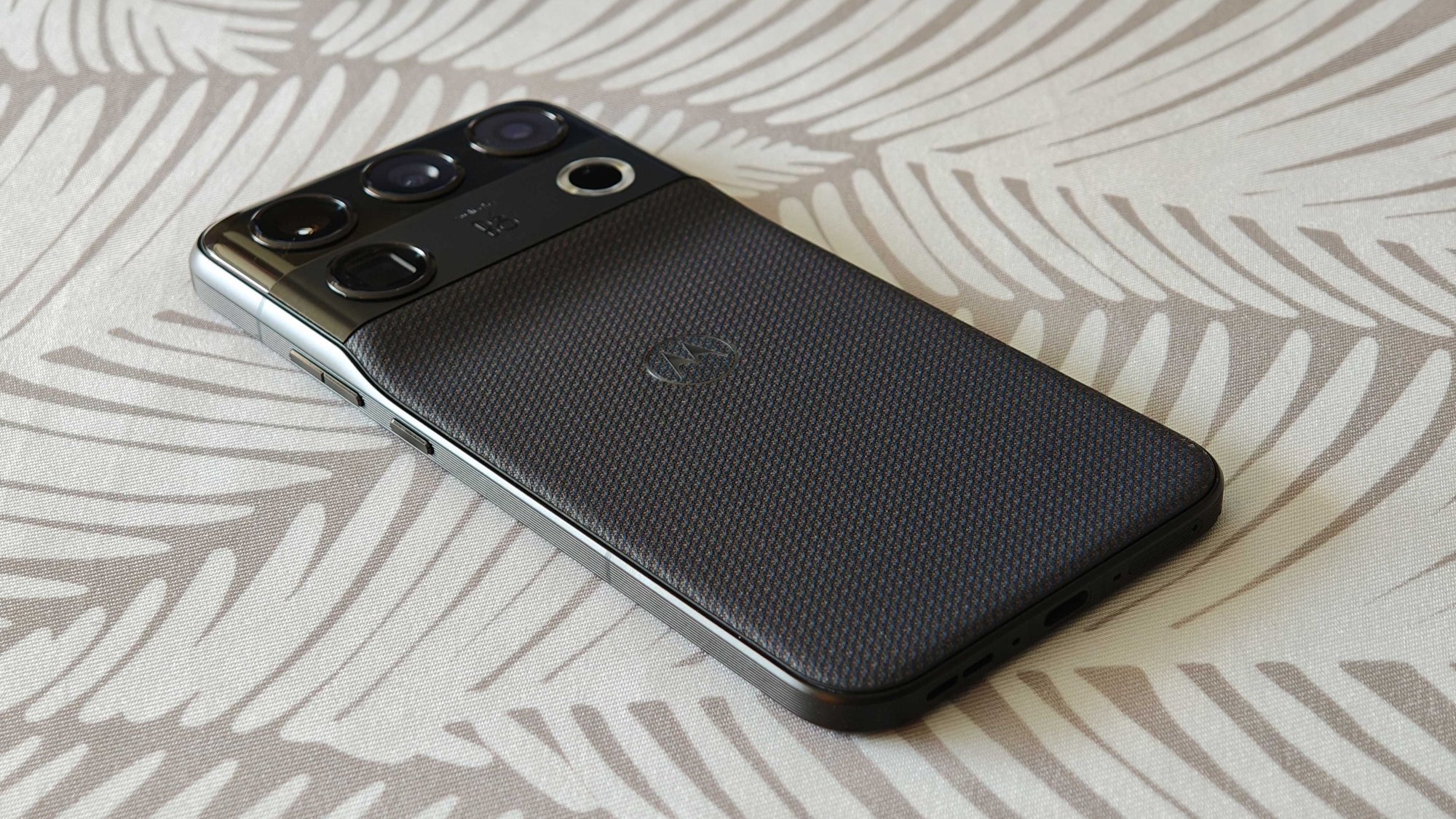
The aesthetic presentation of the Motorola Signature 27 introduces a departure from conventional smartphone design languages. The rear panel features a symmetrically centered, top-mounted camera housing containing five distinct circular cutouts for sensors and the flash unit. Unlike previous Motorola devices that featured asymmetrical camera bumps causing the phone to wobble when placed flat on a surface, the Signature 27 employs a balanced, centered layout designed to eliminate desk wobble and evenly distribute weight in the hand.
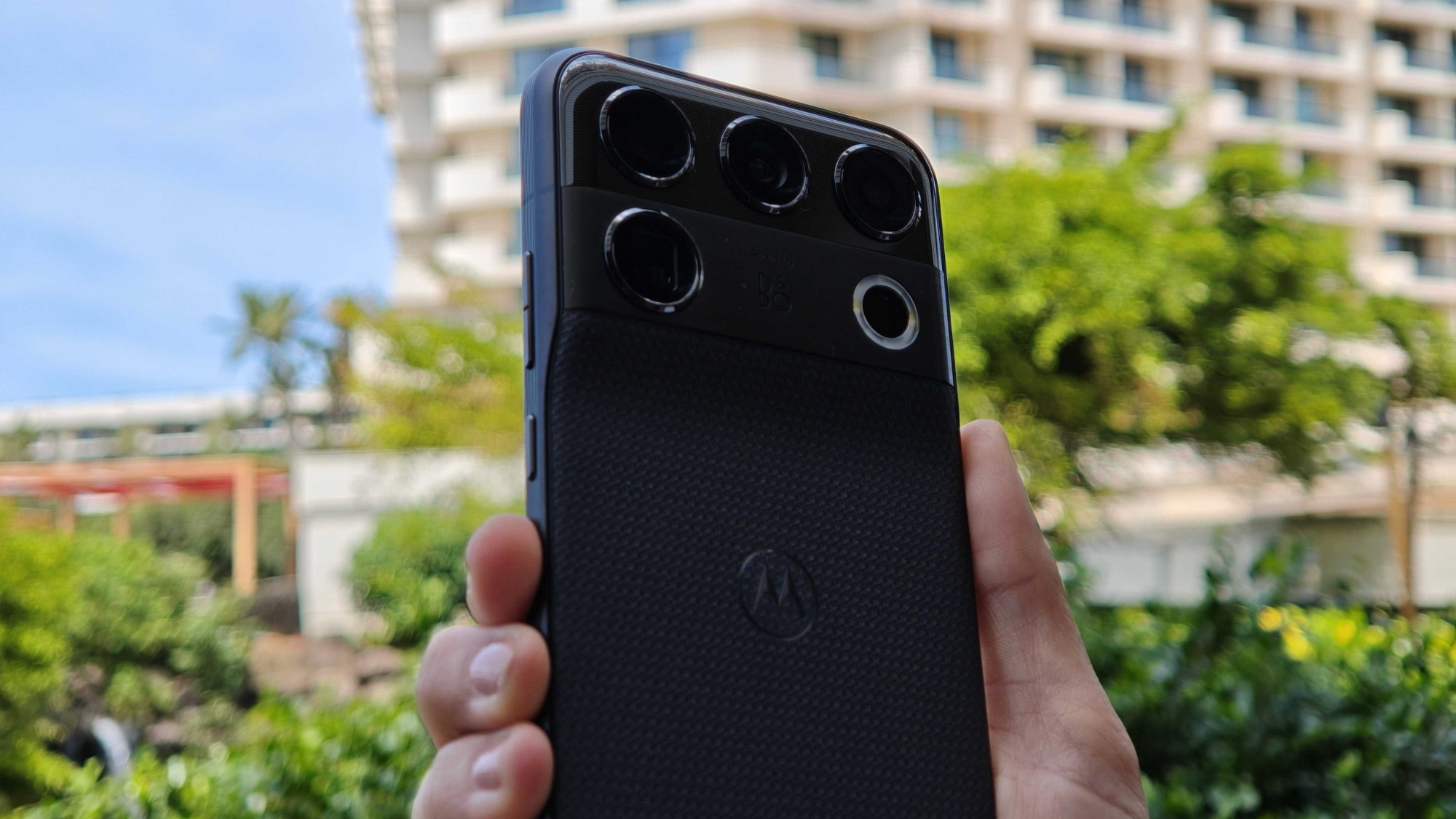
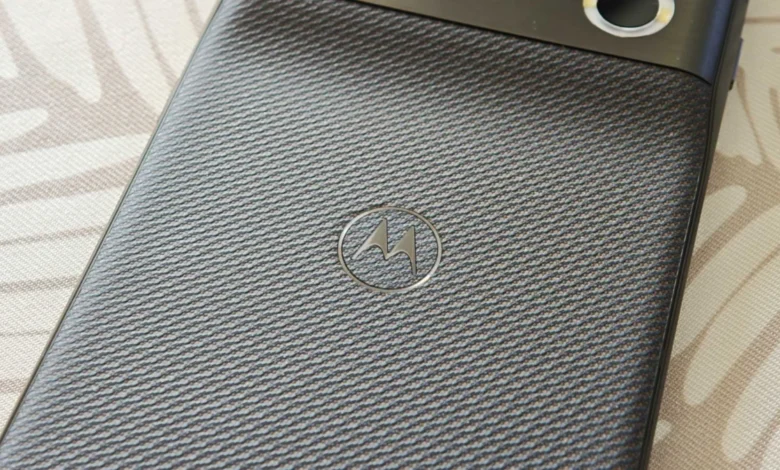
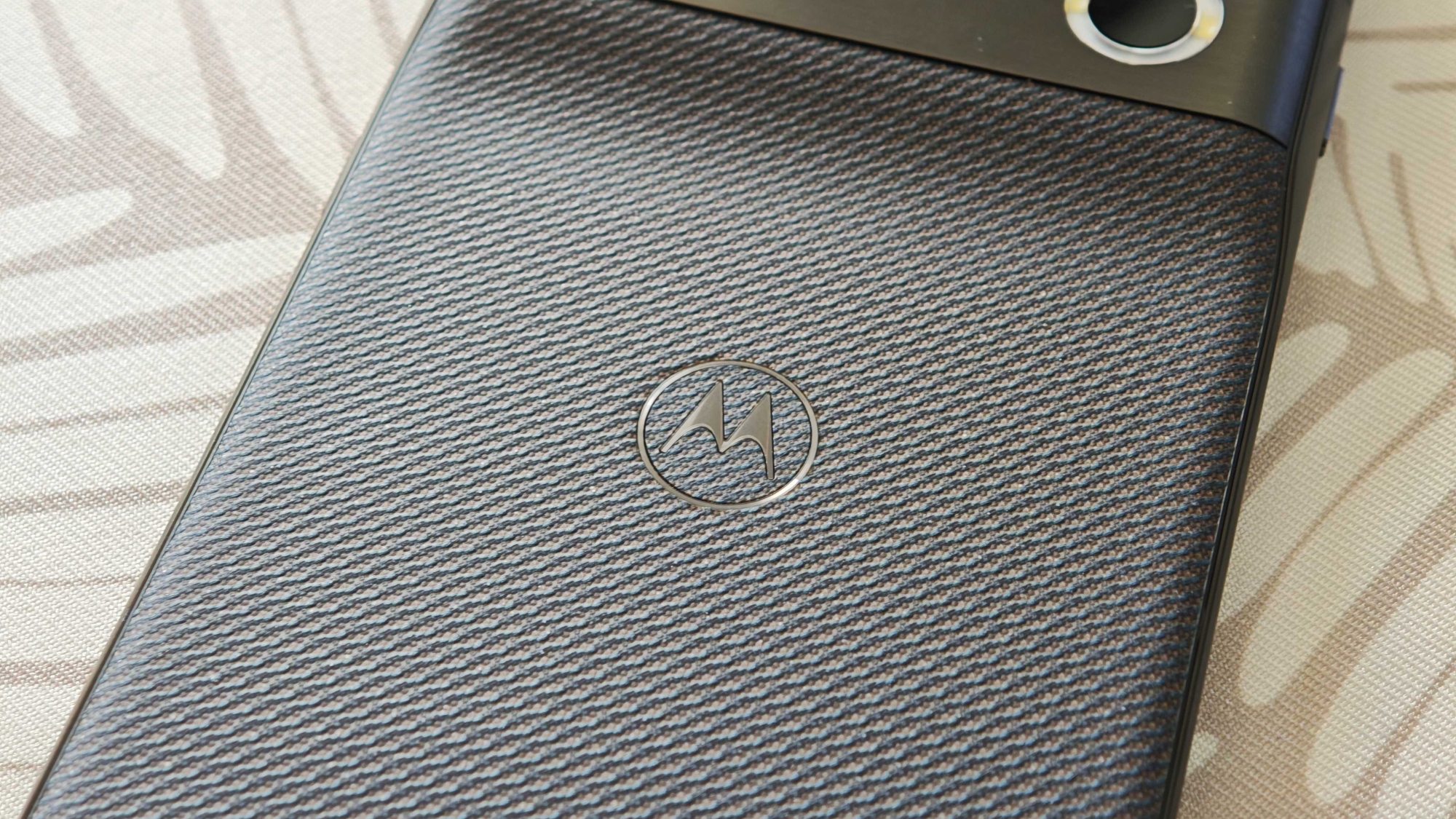
The device will be offered in distinct tactile colorways, including a textured black woven finish and a soft, brushed textile-inspired green variant utilizing Pantone’s Coal Smoke color palette. The profile remains exceptionally thin, complemented by premium metallic framing and dual-texture ceramic and brushed aluminum accents within the camera module itself.
In a parallel rebranding effort, Motorola is streamlining its North American naming conventions. Abandoning the multi-digit full-year nomenclature used in previous generations, the company has adopted a concise two-digit suffix—the Signature 27—aligning its portfolio structure with industry standards seen in automotive and competing mobile brands to simplify accessory compatibility and consumer recognition.
Market Implications and Industry Outlook
The reentry of Motorola into the North American traditional flagship market carries notable implications for the smartphone landscape. Samsung currently commands the vast majority of the Android flagship market share in the United States, leaving limited room for competing manufacturers. By introducing a device equipped with cutting-edge silicon, specialized audio engineering through Bang & Olufsen, and competitive camera hardware, Motorola is positioning itself to capture discerning buyers who prioritize design differentiation and uncompromised performance.
Industry analysts suggest that the success of the Signature 27 will depend heavily on pricing strategy, carrier partnerships, and software support longevity. While Motorola has not yet announced exact pricing or a specific release date, global availability is scheduled for later this year. As the launch window approaches, the company plans to disclose comprehensive specifications, market-by-market availability, and retail partnerships, setting the stage for what executives describe as the most ambitious smartphone release in the brand’s modern history.