Google Photos brings AI-powered digital wardrobe feature to iOS users in the United States, India, and Brazil

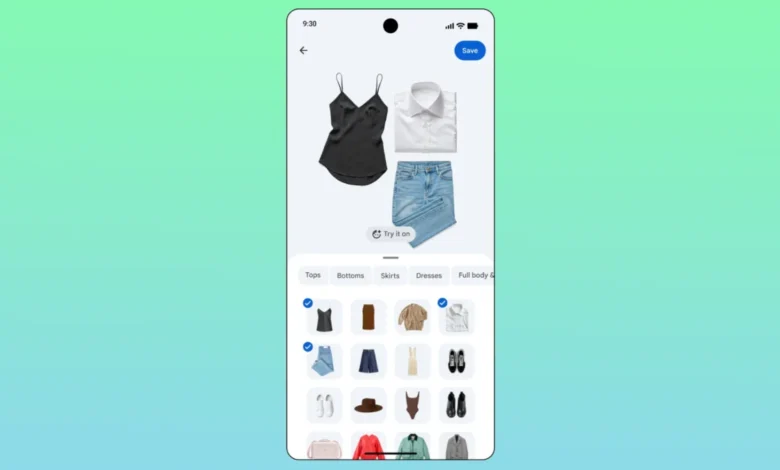
Google has officially expanded its AI-driven digital wardrobe functionality to the Google Photos application for iOS, marking a significant milestone in the tech giant’s strategy to integrate generative artificial intelligence into personal photo management. Previously exclusive to Android devices following its initial unveiling in April 2026, the feature is now rolling out to users across the United States, India, and Brazil. This expansion underscores Google’s commitment to positioning its Photos platform as more than a simple storage repository, transforming it into a proactive tool for lifestyle and fashion management.
The Evolution of the Digital Wardrobe Feature
The digital wardrobe feature represents a sophisticated application of computer vision and machine learning. By analyzing a user’s existing photo library, the system automatically identifies clothing items, segregating them from general images to build a virtual closet. This process eliminates the tedious manual entry typically associated with digital organization tools.
When a user opens the Google Photos app, they will now find a dedicated "Wardrobe" section housed within the Collections tab. The AI categorizes these items into logical groups such as tops, bottoms, outerwear, and accessories. Once the items are cataloged, the software allows users to virtually assemble outfits, testing combinations of garments without the need to physically retrieve them from a closet. This functionality is supported by a "Remix" capability, which utilizes generative AI to visualize how different items might appear together, providing a sandbox for users to plan their attire for various occasions or simply curate their style.
Chronology of the Deployment
The development of the digital wardrobe can be traced back to early 2026, as Google sought to leverage its leadership in AI to enhance user engagement.
- April 2026: Google officially announced the AI-powered wardrobe tool during its spring product showcase, emphasizing its capability to parse vast photo libraries to identify personal fashion items. At this stage, the feature was restricted to the Android ecosystem to facilitate a controlled rollout and refinement of the image-recognition algorithms.
- May–August 2026: During this four-month window, Google engineers focused on optimizing the latency of image processing and refining the accuracy of object detection, particularly in complex lighting conditions or images with multiple subjects.
- September 24, 2026: Google formally announced the availability of the feature for iOS users in the United States, India, and Brazil. This rollout marks the first time non-Android users have access to the full suite of wardrobe management tools, signaling that the platform has reached a level of maturity suitable for a broader audience.
Supporting Data and Technical Context
The integration of this feature relies on the sophisticated backend infrastructure of Google’s AI models, which are capable of distinguishing between high-level fashion categories with remarkable precision. According to internal data provided by Google’s product team, the AI currently boasts an accuracy rate of over 92% in identifying common apparel types from standard smartphone photography.

The expansion into India and Brazil is particularly strategic. Both nations represent some of the fastest-growing demographics for smartphone-based cloud storage services. By targeting these regions alongside the United States, Google is capitalizing on high mobile-first consumer habits. Market research indicates that digital closet and "style-tech" applications have seen a 15% year-over-year increase in interest, with younger demographics—specifically Gen Z and Millennials—leading the demand for automated organization tools that simplify daily decision-making.
Official Responses and Strategic Implications
While Google has not released a specific statement regarding the privacy implications of scanning personal photo libraries for fashion-related content, the company’s documentation asserts that all image processing is conducted within the secure, encrypted environment of the user’s private account. Industry analysts suggest that this feature is part of a broader "platform stickiness" strategy. By providing utilities that assist in daily life—from travel planning via Google Maps to personal style management in Photos—Google creates an ecosystem where the cost of switching to a competitor becomes increasingly high.
"The move to bring this to iOS is a clear signal that Google is no longer content with being just a storage provider for iPhone users," noted Marcus Thorne, a lead technology analyst at a digital services research firm. "By introducing high-value, AI-first features to the iOS version of Google Photos, they are competing directly with Apple’s native Photos app, which, while robust, has been slower to integrate this level of generative fashion organization."
Broader Impact on the Retail and Fashion Industry
The ripple effects of this technology extend beyond individual convenience. By enabling users to curate and "try on" their own clothes virtually, Google is effectively creating a private, data-rich environment for fashion consumption. Observers anticipate that this could eventually lead to partnerships with retail platforms. If an AI can identify that a user wears a specific brand or style, it could theoretically suggest complementary items from online retailers, turning the digital wardrobe into a personalized shopping assistant.
However, the technology is not without its limitations. Users have reported that the accuracy of the "virtual try-on" feature is heavily dependent on the quality and angle of the source photos. Images taken from far away or in cluttered rooms can sometimes confuse the AI, leading to miscategorized items or inaccurate garment renders. As Google continues to refine the feature, it is expected that the company will push updates that allow for better user-side corrections, enabling individuals to tag items manually if the AI fails to identify them correctly.
Future Developments: The Remix Templates
In addition to the wardrobe update, Google has introduced 15 new templates for its "Remix" feature. Remix is designed to allow users to apply artistic transformations to their images using generative AI. These templates allow for everything from subtle lighting adjustments to dramatic stylistic shifts. By bundling these templates with the wardrobe update, Google is reinforcing the idea that Google Photos is a creative studio, not just a backup drive.

The move to add more creative tools suggests that Google is attempting to capture a larger share of the creative social media market. With the rise of short-form video and curated photo feeds, users are increasingly looking for tools that allow them to modify their visual output without needing advanced proficiency in professional software like Adobe Photoshop.
Conclusion and Market Outlook
The expansion of the digital wardrobe feature to iOS is a calculated expansion of Google’s AI footprint. By selecting the United States, India, and Brazil for the initial iOS rollout, the company is prioritizing markets with high adoption rates for photo-management software. As the technology evolves, the integration between the "Wardrobe" tool and the broader AI ecosystem—including Search and Shopping—will likely become more seamless.
For the average user, this update offers a practical solution to the common problem of "closet blindness," where items go forgotten in the back of a physical wardrobe. For Google, it is a significant step in establishing the standard for AI-integrated personal management. As the company continues to iterate on these features, the focus will likely shift toward improving the generative quality of the virtual try-ons and expanding the compatibility of the service to include more diverse clothing categories and complex styling scenarios.
The next phase of this rollout will likely involve global expansion to European markets and other regions in Asia, provided the current infrastructure can handle the increased load of processing data for a global user base. Whether this feature achieves widespread adoption will depend on how effectively Google can communicate the value of a digital closet to a user base that is increasingly wary of how their private data is being processed by AI models. For now, the integration of the wardrobe feature represents one of the most practical and accessible uses of consumer-facing generative AI currently available on the market.