Navigating the Apple Laptop Market Amid Global Memory Shortages and Recent Price Adjustments

The global consumer electronics market has experienced a significant structural shift following a cascade of component price hikes, forcing major manufacturers to reassess their pricing strategies. For several years, Apple Inc. defied broader economic trends by making its Mac lineup increasingly accessible. Consumers benefited from lower entry-level price points, higher standard allocations of memory and storage relative to cost, and the strategic introduction of novel form factors like the MacBook Neo. These measures successfully positioned Apple’s hardware as a competitive value proposition within the broader personal computer ecosystem.
However, persistent supply chain pressures—specifically an ongoing, industry-wide memory shortage—have forced a reversal. Apple recently implemented a sweeping series of price increases across its Mac and iPad portfolios. While these adjustments have slightly diminished the immediate appeal of purchasing a new Apple computer, market analysts note that current Mac configurations continue to hold competitive value when weighed against Windows and ChromeOS alternatives. For consumers currently in the market for a new personal computer, understanding the current lineup, the impact of the memory shortage, and available purchasing strategies is essential.
Global Memory Shortages and the Catalyst for Price Increases
The root cause of Apple’s recent pricing recalibration lies deep within the semiconductor supply chain. Over the past year, high-demand components—most notably dynamic random-access memory (DRAM) and NAND flash storage—have faced severe production constraints and rising acquisition costs. These hardware bottlenecks stem from a combination of geopolitical factors, shifting manufacturing priorities toward enterprise artificial intelligence hardware, and constrained fab capacities worldwide.
For a company that relies heavily on high-volume manufacturing and tight profit margins, absorbing these escalated component costs indefinitely proved unfeasible. Consequently, late June marked a definitive turning point when Apple adjusted its retail pricing architecture upward. This macroeconomic reality affects every tier of the Mac ecosystem, altering the calculus for buyers who had grown accustomed to falling price-per-gigabyte ratios. Despite these increases, the market retains localized promotional deals and alternative procurement channels that help mitigate the financial impact for budget-conscious consumers.
The MacBook Air: Balancing Premium Features and Mainstream Accessibility
Up until the introduction of the MacBook Neo, the MacBook Air served indisputably as the gateway to Apple’s portable computer ecosystem. Even though the launch of the Neo has introduced a new, ultra-affordable tier that slightly complicates traditional purchasing logic, the MacBook Air remains the definitive choice for mainstream users seeking an elevated computing experience without stepping into professional-grade pricing.
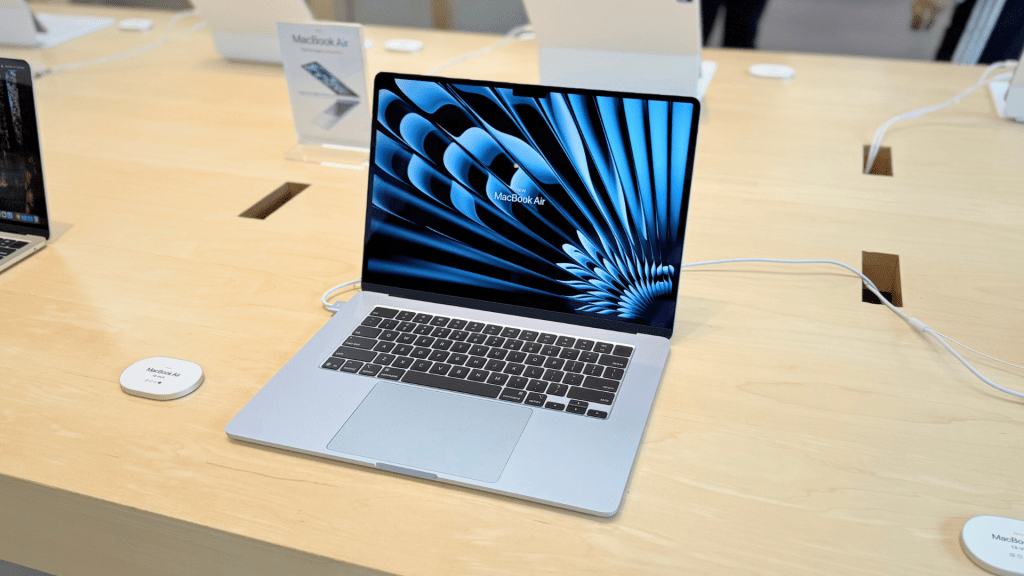
The MacBook Air lineup continues to distinguish itself through high-end consumer amenities. Key hardware highlights include the secure and convenient MagSafe magnetic charging standard, vibrant Liquid Retina displays supporting the wide P3 color gamut, advanced webcams equipped with Center Stage software for video conferencing, and class-leading battery life enabled by Apple Silicon efficiency. Furthermore, the MacBook Air maintains a crucial ergonomic advantage by offering a 15-inch form factor, catering to users who demand expanded screen real estate—a feature absent from the strictly 13-inch MacBook Neo lineup.
While standard retail pricing has felt the upward pressure of the memory crisis, third-party retailers continue to offer periodic discounts on both the 13-inch and 15-inch configurations, keeping the MacBook Air a relevant and compelling option for students, remote workers, and everyday consumers.
The MacBook Neo: Apple’s Bold Entry into the Sub-$700 Market
Designed to address the demands of budget-focused consumers and education markets, the MacBook Neo represents Apple’s aggressive push into a lower pricing tier, debuting at an accessible retail price point of $699.

The introduction of the MacBook Neo required calculated engineering compromises to achieve this price point without diluting the core macOS user experience. Industrial design integrity, overall build quality, and display sharpness remain uncompromised compared to its more expensive siblings. Performance is driven by a modified variant of Apple’s mobile silicon, the A18 Pro chip. While the A18 Pro is technically less powerful than the M-series processors found in the Air and Pro lines, independent testing confirms it delivers more than adequate performance for web browsing, document editing, and media consumption.
To maintain the lower cost, the MacBook Neo features a reduced port selection and a baseline memory configuration of 8GB. Nevertheless, these specifications are entirely reasonable for the target demographic. Adding aesthetic appeal, the device is available in a vibrant palette of colors, including Citrus, Blush, and Indigo.
For consumers seeking further savings, retail discounts on brand-new units are currently sparse, but Apple’s official refurbished store provides an alternative avenue. Certified refurbished models typically command a $100 to $120 discount relative to retail pricing. Apple’s rigorous refurbishment process ensures that every unit includes a standard one-year warranty, a brand-new outer shell, a fresh battery with zero degradation, and comprehensive component testing, ensuring a like-new user experience.
The MacBook Pro Ecosystem: Peak Performance Facing Imminent Redesign
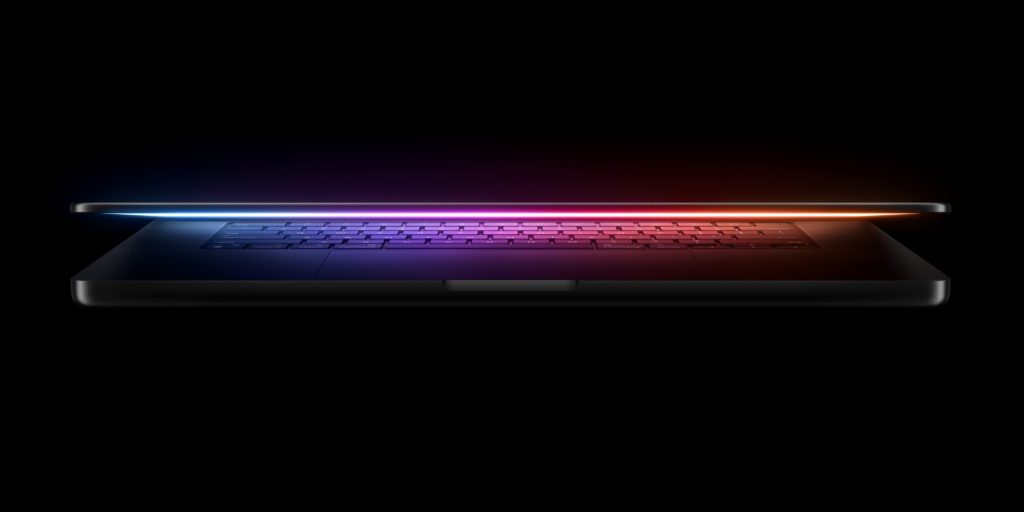
At the apex of Apple’s portable computing hierarchy sits the MacBook Pro, engineered for power users, software developers, creative professionals, and engineers who demand uncompromising processing power and thermal performance. However, prospective buyers face a strategic dilemma regarding the timing of their purchase.
Industry reports indicate that Apple is preparing a major hardware overhaul for the high-end variants of the MacBook Pro line. Scheduled for release later in the year, these upcoming revisions are rumored to introduce OLED display technology, integrated touchscreen capabilities, and significantly thinner chassis designs.
Crucially, industry analysts note that these radical structural redesigns will debut exclusively alongside the forthcoming M5 Pro and M5 Max silicon. Consequently, consumers considering a baseline MacBook Pro powered by the standard M5 chip face no such dilemma; purchasing a current-generation model remains a safe and future-proof investment. The same logic applies to professionals who prioritize raw computational throughput over physical chassis modifications, as the M5 Pro and M5 Max chips will continue to deliver extraordinary performance regardless of exterior form-factor adjustments.
Retailers continue to run promotional discounting across both 14-inch and 16-inch M-series MacBook Pro configurations, softening the blow of recent component-driven price adjustments.

Broader Implications for the Personal Computer Industry
Apple’s recent price adjustments and product segmentation strategy reflect broader systemic vulnerabilities within the global technology supply chain. As memory and semiconductor costs remain volatile, manufacturers are forced to walk a fine line between maintaining accessible consumer pricing and preserving corporate profit margins.
The introduction of the MacBook Neo demonstrates Apple’s strategic pivot to capture price-sensitive market segments that might otherwise migrate to lower-cost Windows laptops or Chromebooks. Conversely, the high-end MacBook Pro tier underscores the inelasticity of the professional market, where users are often willing to absorb higher costs in exchange for specialized performance gains and longevity.
Ultimately, while the era of rapidly declining Mac prices has temporarily paused due to macroeconomic realities, Apple’s hardware ecosystem retains structural advantages. Seamless hardware-software integration, industry-leading energy efficiency, and strong residual resale values ensure that Macs—whether acquired new with seasonal discounts or via certified refurbished channels—continue to provide robust, long-term value within the modern computing landscape.