Googlebook Android App Support: What Intel Processor Limitations Mean for Consumers

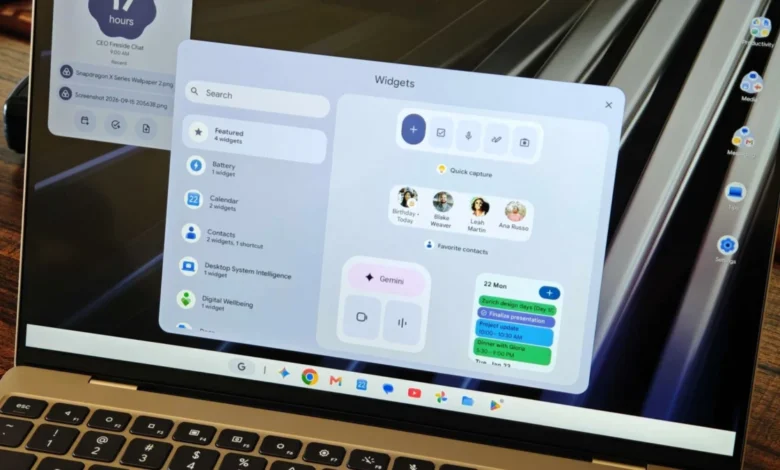
The launch of the highly anticipated Googlebook lineup has brought a wave of excitement to the personal computing market, but it has also revealed a significant technical caveat regarding software compatibility. While Google has positioned its new hardware ecosystem as the ultimate bridge between mobile applications and desktop productivity, recent clarifications from the tech giant indicate that not all Googlebooks are created equal when it comes to running Android apps. Specifically, models powered by Intel processors may encounter compatibility hurdles with a fraction of complex mobile applications and games originally engineered for ARM-based architectures.
This revelation has sparked considerable discussion among industry analysts and consumers alike, shedding light on the underlying architectural challenges of bringing mobile ecosystems to traditional desktop environments. As the first wave of devices hits retail shelves starting at $899, understanding these processor-dependent limitations is crucial for buyers navigating the shifting landscape of modern laptop computing.
Background and Context: The Evolution of the Googlebook Ecosystem
The journey toward the Googlebook began gathering serious momentum earlier this year during major corporate showcases, most notably following Google’s formal laptop hardware announcements during specialized developer and consumer broadcasts. Pre-orders officially kicked off on September 21, marking a strategic pivot in how Google integrates its software services with dedicated laptop hardware. Designed to compete directly in the premium laptop segment, the initial lineup features hardware contributions from major manufacturers including Acer, ASUS, and Lenovo, alongside devices from HP and Dell.
Unlike traditional Chromebooks—which have historically occupied the budget and education-focused sectors of the market—the Googlebook family is pitched as a high-end productivity powerhouse. Starting at an entry-level price point of $899, these machines boast premium hardware specifications, including vibrant touchscreens, haptic glass trackpads, backlit keyboards, and deeply integrated smartphone-pairing capabilities.
Among the standout innovations introduced with the platform is "Magic Pointer," a productivity-focused feature that embeds Google’s Gemini artificial intelligence directly into the desktop cursor. This allows users to summon contextual AI assistance dynamically across various applications and workflows. Recognizing the broad appeal of this feature, Google has already begun rolling out the Magic Pointer functionality to existing Chrome browser users on Windows and Mac operating systems, ensuring that the software innovation reaches a broader audience beyond just Googlebook buyers.
The Core Technical Issue: Intel Versus ARM Architecture
The heart of the recent software compatibility discussion lies in the silicon powering these new machines. A hardware divide cleanly splits the current Googlebook lineup: devices from Acer, ASUS, and Lenovo rely on the Intel Core Ultra 5 processor, while models from HP and Dell utilize Qualcomm’s Snapdragon X Elite architecture.
When Google initially marketed the Googlebook ecosystem, the company emphasized access to the full Google Play Store, creating an expectation of seamless, universal app compatibility. However, an inquiry by industry publication Android Authority on October 5 uncovered a vital nuance. Because the vast majority of Android applications and mobile games are natively developed for ARM-based processors—the standard architecture found in smartphones and tablets—translating those applications to x86-based Intel platforms is not always seamless.
Google addressed these concerns by clarifying that while the vast majority of Android applications run smoothly regardless of the underlying processor, certain software exceptions exist. "A small handful of complex apps or games need some developer tuning to run their best on Intel-based platforms," the company stated.
This architectural mismatch can manifest in several ways for the end-user. While everyday productivity apps, streaming services, and casual games generally function without issue, highly demanding 3D games, complex audio-visual production software, or apps relying heavily on specific mobile hardware hooks may experience performance degradation, graphical glitches, or unexpected crashes.
Industry Response and Remediation Efforts
In the wake of the clarification, tech commentators and consumer advocacy groups have raised questions regarding transparency. Industry observers noted that clear communication about processor-specific app limitations prior to the pre-order phase would have allowed consumers to make fully informed purchasing decisions. Discovering after a purchase that a favorite mobile application or game behaves erratically on an Intel-powered Googlebook risks frustrating early adopters.
Nevertheless, Google has moved quickly to mitigate potential fallout. The company confirmed that it is actively collaborating with software developers, as well as major semiconductor partners Intel and Qualcomm, to optimize complex applications for the Intel Core Ultra 5 platforms. Through targeted developer updates and platform-level adjustments, Google aims to narrow the performance gap and ensure a uniform user experience across both hardware tiers.
Furthermore, tech industry analysts point out that hardware transition periods—such as the shift toward mixed-architecture desktop environments—frequently encounter initial software friction. Apple experienced similar optimization phases during its transition from Intel processors to its proprietary Apple Silicon (ARM-based) architecture, relying on translation layers like Rosetta 2 and developer cooperation to smooth out incompatibilities.
Consumer Implications and Buying Guide
For prospective buyers currently evaluating the Googlebook lineup at major retailers such as the Google Store and Best Buy, the practical impact of this technical limitation requires careful consideration.
For the average consumer whose workflow centers around web browsing, cloud-based productivity suites, streaming media, and standard communication apps, the differences between the Intel-powered models and the Qualcomm-powered models will likely remain imperceptible. The core operating system, web browsing speeds, and everyday multitasking capabilities perform robustly across all variants.
However, power users, mobile gamers, and developers who heavily rely on specific Android applications as part of their daily routine should weigh their options carefully. Buyers prioritizing heavy mobile gaming or niche Android utility software may find greater consistency in models utilizing Qualcomm’s Snapdragon X Elite chips, which share closer architectural DNA with the mobile devices for which those apps were originally designed. Conversely, users who prefer the traditional enterprise compatibility, virtualization support, and software ecosystems traditionally associated with Intel architecture may find the Core Ultra 5 models better suited to their broader computing needs, provided they can tolerate minor optimization delays for specialized mobile apps.
As the Googlebook ecosystem continues to mature, ongoing software updates, developer optimizations, and firmware enhancements are expected to steadily minimize these cross-architecture friction points, ensuring that the promise of a unified mobile-desktop experience is fully realized across every device in the lineup.