Apple Pushes Day-Zero Security Update for Upcoming HomeView Devices to Address Nine Critical Vulnerabilities

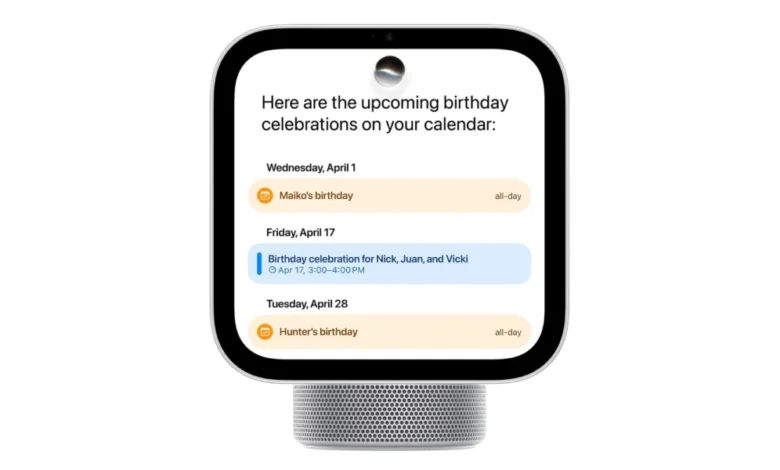
Apple has released HomeView Software Version 27.2 (build 24V526), a critical day-zero software update designed to patch nine distinct security vulnerabilities across multiple system components. The deployment of this foundational update coincides directly with the official retail launch of the Apple HomeView, ensuring that early adopters and pre-order customers receive a secured device out of the box. Although the very first units are scheduled to reach consumers tomorrow, Cupertino’s engineering teams moved swiftly to align the new smart display’s architecture with the broader ecosystem updates recently rolled out across iOS 27.2, macOS 27.2 Golden Gate, and iPadOS 27.2.
The inclusion of these patches prior to the official hardware rollout highlights an evolving paradigm in consumer electronics, where hardware deployments are increasingly safeguarded by simultaneous or preemptive firmware interventions. Because these vulnerabilities have been publicly documented and analyzed by security researchers, industry experts strongly advise all new HomeView owners to check for and apply Software Version 27.2 immediately upon completing their initial device setup.
Detailed Breakdown of the Patched Vulnerabilities
The comprehensive security log accompanying HomeView Software Version 27.2 reveals a diverse spectrum of addressed vectors, ranging from Bluetooth pairing anomalies and memory corruption issues to authorization flaws within Apple’s proprietary CoreUtils and Messages frameworks.

Chief among the high-profile vulnerabilities is a logic defect tracked under CVE-2026-113964, which involved CoreUtils state management. This flaw could theoretically allow a malicious actor within Bluetooth range to bypass standard rate limits on pairing code attempts, ultimately facilitating unauthorized device pairing without requiring physical or interactive confirmation from the user. A related vulnerability, CVE-2026-113965, allowed unauthorized Bluetooth accessories to establish connections completely circumventing user interaction checks through improved logic enforcement.
Further compounding the Bluetooth-related risks, CVE-2026-113970 identified a critical use-after-free memory management issue. An attacker operating within close range could exploit this flaw to corrupt process memory, potentially destabilizing the operating system or executing arbitrary code. An analogous memory integrity threat was neutralized via CVE-2026-111497, which addressed an out-of-bounds write issue within the brotli data compression library, where maliciously crafted input could similarly trigger memory corruption.
The Messages application framework also received vital hardening. Two distinct vulnerabilities—CVE-2026-113961 and CVE-2026-113960—were discovered by anonymous researchers. The first flaw permitted remote attackers to covertly join an iMessage group chat and harvest incoming messages without proper authorization. The second vulnerability permitted newly added members of an iMessage group to retrospectively access historical message traffic sent prior to their official addition to the thread. Both issues were resolved through rigorous authorization enforcement and the complete removal of vulnerable legacy code paths.
Additional patches included fixes for AirPlay and rapportd protocols, specifically addressing logic and state management errors that allowed attackers to bypass rate limits on pairing attempts (CVE-2026-113968 and CVE-2026-113969). Finally, an authorization flaw within App Intents, independently discovered by security researcher László Várady under CVE-2026-113963, was resolved to prevent third-party applications from improperly accessing sensitive user data.
Chronology of the HomeView Product Rollout

The release of Software Version 27.2 represents the culmination of a tightly controlled hardware and software deployment cycle. The Apple HomeView was initially unveiled to the public earlier this autumn as Cupertino’s dedicated entry into the competitive smart display market. Designed to serve as a central hub for home automation, media playback, and personal organization, the device generated significant consumer interest, leading to robust pre-order metrics ahead of its physical release date.
Throughout the pre-order phase, developers and reviewers evaluated early review units, praising the device’s seamless integration with the Apple ecosystem while scrutinizing its initial feature set. Concurrently, Apple’s internal security audits and bug bounty submissions caught the nine vulnerabilities addressed in today’s build. By synchronizing the HomeView’s debut firmware pipeline with the broader 27.2 operating system updates distributed to iPhones, iPads, and Mac computers, Apple successfully streamlined its patch management infrastructure. This synchronized approach ensures that newly integrated device categories do not act as legacy security liabilities within an otherwise hardened user network.
Integration of Siri AI and Forthcoming Functional Updates
Beyond immediate threat mitigation, Apple has utilized the launch window to clarify the roadmap for the device’s voice-activated assistant capabilities. Earlier today, company representatives confirmed that a subsequent software update—scheduled for deployment next month—will introduce advanced security accessory support to the HomeView’s Siri AI interface.
At launch, the HomeView’s implementation of Siri deliberately enforces strict safety protocols, refusing to execute sensitive physical security commands such as unlocking residential entry doors or opening garage doors entirely via voice recognition. This conservative stance reflects industry-wide caution regarding acoustic spoofing and unauthorized remote voice activations. The forthcoming December update will bridge this gap by integrating robust multi-factor verification frameworks, likely tying voice commands to authenticated user presence or secondary confirmation steps via trusted companion devices like the iPhone or Apple Watch. This measured progression underscores Apple’s strategic emphasis on privacy and physical security as core selling points for its domestic hardware ecosystem.

Broader Industry Implications and Consumer Guidance
The swift deployment of a day-zero security update for a newly minted product category illustrates the persistent challenges modern technology firms face in closing the window between hardware manufacturing and final consumer delivery. Because consumer electronics often sit in distribution warehouses, retail inventories, or transit hubs for weeks before reaching end users, the firmware pre-installed on the factory floor is frequently outdated by the time the packaging is unsealed.
Cybersecurity analysts emphasize that the discovery of nine distinct vulnerabilities prior to the device’s general availability underscores the efficacy of proactive vulnerability research and coordinated disclosure programs. Rather than obscuring early security hurdles, Apple’s transparent publishing of CVE identifiers and detailed remediation summaries reassures enterprise and consumer markets regarding the platform’s structural resilience.
For everyday consumers taking delivery of their Apple HomeView units, the immediate operational directive is clear. Standard initial setup protocols will prompt users to connect the device to a local Wi-Fi network and authenticate with their Apple ID. During this provisioning sequence, the system will automatically query Apple’s update servers for HomeView Software Version 27.2. Users should ensure that automatic updates remain enabled to guarantee continuous protection against evolving network and Bluetooth-based vectors. As smart home infrastructure becomes increasingly central to domestic daily life, the rapid identification and mitigation of firmware vulnerabilities will remain a vital benchmark for evaluating the long-term viability and security of consumer technology ecosystems.