Sennheiser Challenges Industry Norms with the Momentum True Wireless 5 Featuring User-Replaceable Batteries

The modern consumer electronics market is flooded with countless wireless earbud options, ranging from inexpensive entry-level models to ultra-premium, audiophile-grade in-ear monitors. While mainstream giants like Apple dominate market share with products such as the AirPods, they share an inherent architectural flaw that has long frustrated environmental advocates and consumers alike: the complete lack of user-replaceable components. Sealed tightly with industrial adhesives and solders, standard wireless earbuds are practically engineered to fail once their internal lithium-ion batteries inevitably degrade, usually rendering the entire device electronic waste within a few short years.
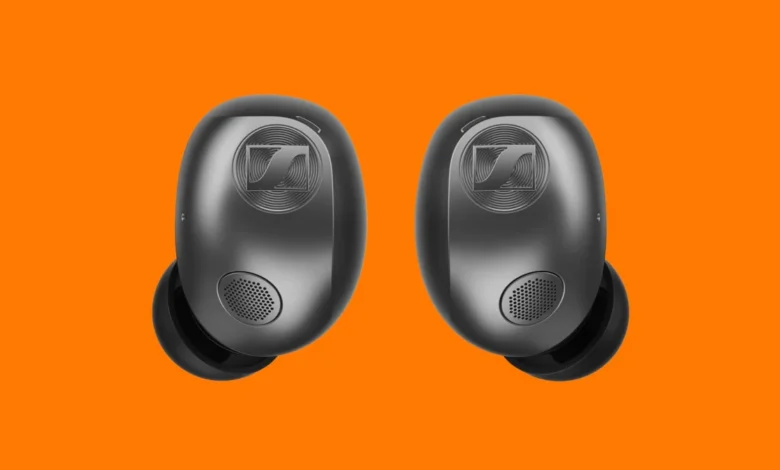
German audio engineering specialist Sennheiser is looking to disrupt this wasteful industry standard. The company has officially introduced the Momentum True Wireless 5, a flagship pair of inner-ear headphones that combines high-end acoustic performance and advanced active noise cancellation with a revolutionary mechanical design: batteries in both the individual earbuds and the charging case that can be easily swapped out using nothing more than a small screwdriver. This design choice represents a monumental shift for premium tier audio equipment, directly targeting the lifecycle limitations that plague competitors like the Apple AirPods Pro.
An Industry Plague: The Planned Obsolescence of Wireless Audio
For years, technology critics and right-to-repair advocates have leveled heavy criticism at consumer electronics manufacturers for intentionally designing hardware that resists maintenance. Apple, despite introducing self-repair initiatives and limited parts-availability programs for iPhones, has consistently maintained sealed, disposable architectures for its audio ecosystem. The inability to replace a dying battery in a pair of high-end wireless earbuds forces consumers to repurchase entire systems every two to three years, driving up electronic waste (e-waste) metrics globally.
The scale of the problem is staggering. According to international e-waste tracking organizations, millions of tons of small lithium-ion batteries are discarded annually, largely trapped inside unserviceable consumer gadgets. While modular phone manufacturers like Fairphone—with products like the Fairbuds—have previously demonstrated that user-replaceable coin-cell batteries are technically feasible in cheaper or mid-range alternatives, the premium segment has largely ignored repairability in pursuit of sleeker aesthetics and waterproof adhesive seals.
Sennheiser’s entry into the repairable-battery arena bridges the gap between luxury audio fidelity and long-term sustainability, offering a viable solution for consumers who are hesitant to invest heavily in products destined for premature obsolescence.
Engineering Excellence Meets Modularity
Despite prioritizing sustainability and mechanical access, Sennheiser has not compromised on the acoustic and smart features expected from a flagship audio product retailing at a premium price point.
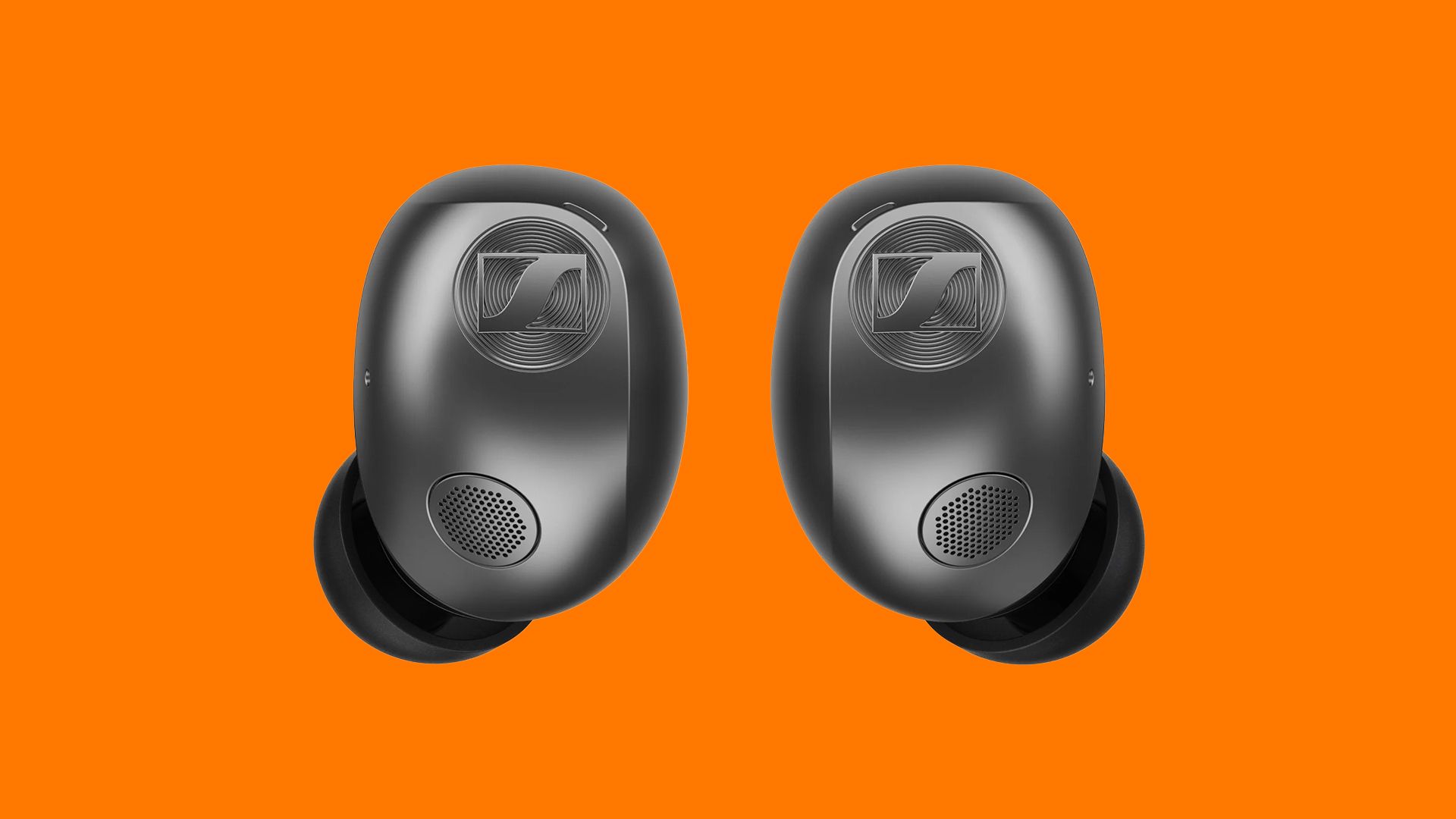
The Momentum True Wireless 5 are equipped with Sennheiser’s proprietary TrueResponse transducers, engineered to deliver a wide soundstage and precise frequency response. To further enhance the listening experience, the earbuds support 3D Dolby Atmos sound processing, offering immersive spatial audio for movies, games, and compatible music tracks. For purists and high-resolution streaming enthusiasts, the inclusion of a Lossless codec option ensures maximum audio fidelity without data compression artifacts.
Noise cancellation and call quality have also received significant upgrades. The device utilizes an adaptive active noise cancellation (ANC) system that dynamically adjusts to ambient environmental sounds in real time. This is paired with AI-powered voice isolation algorithms and automatic wind reduction technology, ensuring clear voice transmission during phone calls and virtual meetings even in challenging outdoor environments.
Comfort and everyday usability have been addressed through a completely revised ergonomic shape, ensuring a secure and comfortable fit for a wider variety of ear canal geometries. Combined with the companion Smart Control Plus app, users can access advanced sound personalization tools, including highly customisable equalizer (EQ) settings to tailor the audio profile to their exact preferences. In terms of endurance, Sennheiser cites a total of up to 40 hours of combined playtime when utilizing the rechargeable carrying case.
The Right-to-Repair Movement Gains Momentum in Audio
The launch of the Momentum True Wireless 5 arrives at a critical juncture for global electronics manufacturing. Legislative bodies in the European Union and several United States jurisdictions have increasingly advanced right-to-repair legislation, aiming to force manufacturers to design products with replaceable parts, standardized fasteners, and accessible service manuals.
By addressing the battery degradation bottleneck, Sennheiser positions itself at the forefront of a shifting consumer consciousness. Industry analysts suggest that as environmental awareness grows, consumers are beginning to weigh long-term durability just as heavily as initial feature sets and brand ecosystems. While devices like the homemade, modified AirPods created by enterprising hardware hackers years ago proved that modified repairability was possible for dedicated hobbyists, mainstream products with built-in modularity offer a much broader path toward sustainable consumer electronics.
Broader Market Implications and Future Outlook
The introduction of user-swappable batteries in a flagship audio product could force competitors to re-evaluate their design philosophies. Historically, tech giants have argued that waterproofing, compact form factors, and structural rigidity require the total elimination of physical seams and modular compartments. Sennheiser’s latest hardware challenges this narrative, proving that high-end acoustic sealing and consumer-level serviceability are not mutually exclusive.
If the Momentum True Wireless 5 achieves commercial success, it may serve as a proof-of-concept for the broader audio industry, encouraging other market leaders to adopt modular engineering principles. For consumers, the shift promises a future where investing in premium sound no longer means accepting an expiration date dictated by battery chemistry, marking a significant step forward for both audiophiles and the global environment.