Samsung Galaxy Users Report Severe Battery Drain and Setup Bugs Following One UI 9 Update

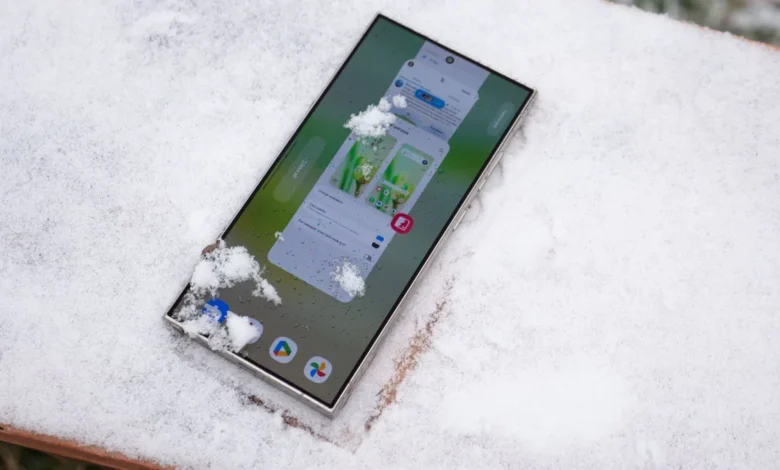
The recent rollout of Samsung’s One UI 9 software update has introduced unexpected technical hurdles for a segment of the company’s user base. While major software upgrades are routinely anticipated for introducing refined user interfaces, enhanced security patches, and expanded feature sets, this particular deployment has been accompanied by widespread reports of severe battery depletion. Owners of both current-generation flagships and older devices have taken to community forums and social media platforms to voice their frustrations over sudden and inexplicable power loss, casting a shadow over what was meant to be a smooth transition into a new software ecosystem.
The Scope of the One UI 9 Battery Drain Issue
Initial reports of abnormal battery consumption began circulating shortly after Samsung initiated its wide-scale deployment of One UI 9. Users of the Galaxy S24 Ultra, alongside select reports from the newer Galaxy S25 and Galaxy S26 iterations, have described an aggressive degradation in daily power efficiency.
According to user-submitted diagnostics on platforms such as Reddit and regional tech forums like SammyFans, the battery drain manifests in two primary ways: heavy active usage depletion and excessive idle drain. One documented instance on a Galaxy S24 Ultra revealed that the device consumed 95% of a full charge in just five hours and twenty minutes under routine workloads, yielding barely over three hours of screen-on time (SoT).
Equally concerning are the reports detailing severe idle drain. Several community members noted that their devices lost upwards of 40% of their total charge over an eleven-hour period while resting completely idle—a stark contrast to the standard, highly optimized standby performance typical of Samsung’s modern OLED flagships. For some users, the situation has necessitated charging their devices multiple times throughout the day simply to maintain baseline operational readiness.
A Fragmented User Experience
Despite the vocal nature of the complaints, the issue appears to be highly fragmented rather than a universal systemic failure. Many device owners have successfully downloaded and installed One UI 9 without registering any discernible deviation from their historical battery metrics. Review units and long-term testing devices handled by major publication teams, including specialized Android hardware analysts, have reported mixed results—with some units operating normally while others occasionally exhibit minor anomalies.
This inconsistency has complicated troubleshooting efforts for both consumers and tech analysts. Because the performance degradation does not affect every device uniformly, hardware specialists suggest the underlying trigger may be tied to background app optimization routines, third-party software incompatibilities that failed to migrate smoothly during the update process, or localized cache corruption rather than a flawed core kernel in the One UI 9 firmware itself.
Additional Setup Hurdles and Systemic Bugs
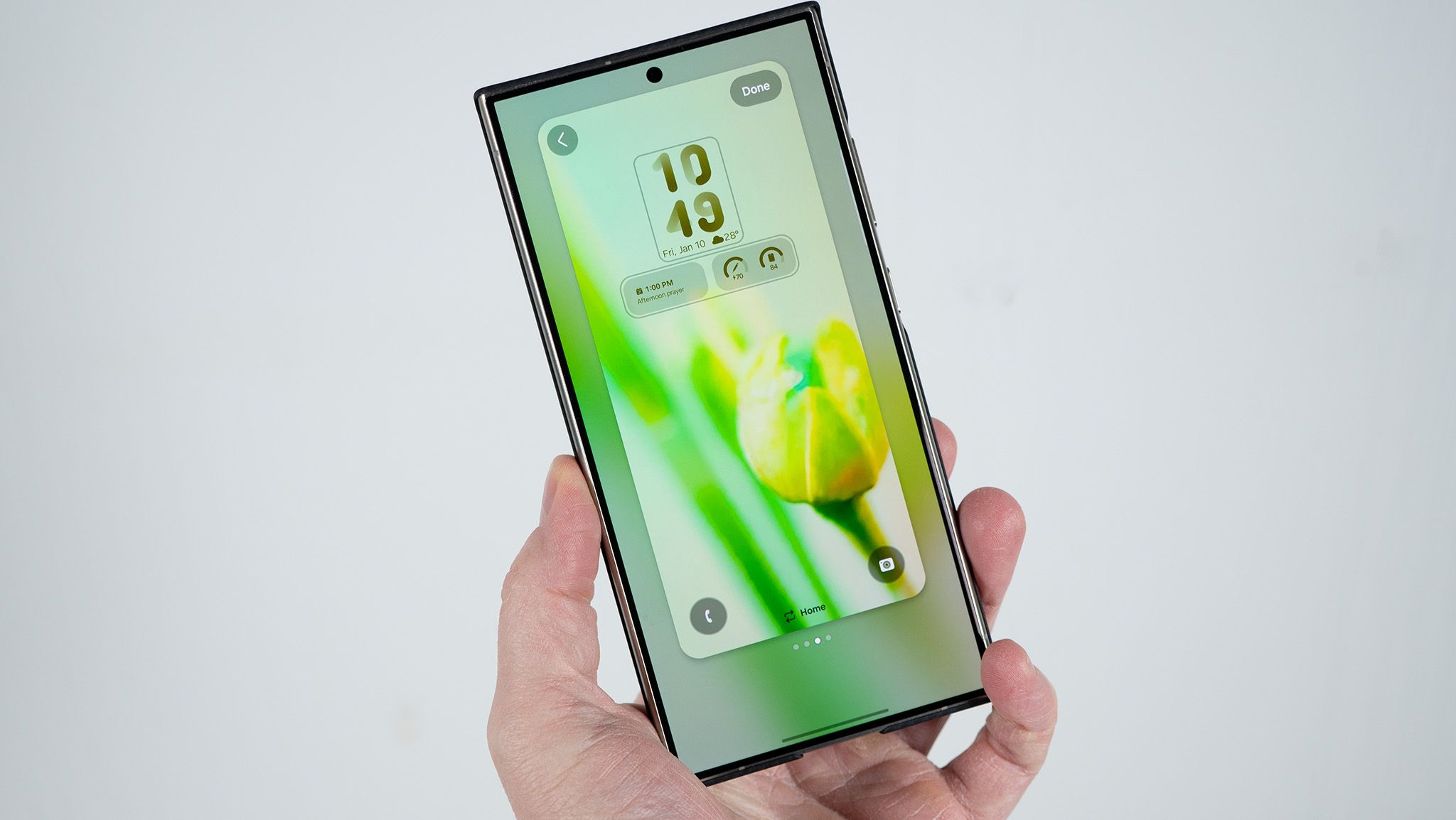
Beyond the power consumption dilemma, the One UI 9 rollout has also encountered friction in the form of isolated initialization bugs. Early adopters upgrading to the latest software framework have occasionally run into critical stumbling blocks during the initial device configuration phase.
Notably, a documented case involving a Korean user attempting to finalize a system setup on a high-end Galaxy device resulted in a persistent loop error. Upon reaching the final step of the configuration wizard, the system repeatedly blocked access to the core home and lock screens, instead throwing an unhandled "webpage is unavailable" network error.
Samsung moved quickly to address this specific user friction point, issuing a targeted troubleshooting advisory. The manufacturer recommended that affected users ensure their default web browsers are updated to the most recent version and advised forcing a connection to a stable, high-bandwidth Wi-Fi network to clear the persistent error loop during initialization. While this setup bug does not impact the vast majority of upgraders, its presence highlights the complex dependencies inherent in modern, cloud-integrated mobile operating systems.
Background and Context of Samsung’s Software Deployment Strategy
The deployment of One UI 9 represents a major milestone in Samsung’s software lifecycle management. As the company expands its commitment to long-term software support—offering up to seven years of major operating system upgrades for its flagship product tiers—the technical complexity of managing legacy compatibility increases exponentially.
Historically, major software iterations designed to run across multiple generations of hardware face the delicate challenge of bridging architectural differences between older system-on-chips (SoCs) and newly engineered silicon. When a software framework introduces deeper integration of machine learning routines, advanced user-interface rendering engines, and continuous background telemetry, legacy processors often bear a heavier computational load. If background synchronization or indexing processes fail to terminate correctly after an update, it frequently results in the exact type of rapid thermal dissipation and battery drain currently being reported by Galaxy S24 and S25 owners.
Industry Implications and the Path Forward
Software stability remains a cornerstone of consumer brand loyalty in the ultra-competitive smartphone market. Incidents of post-update battery degradation, while historically common across various original equipment manufacturers (OEMs), pose a direct threat to user trust, particularly for devices positioned in the ultra-premium pricing tier.
As user-generated support tickets accumulate across Samsung Members forums, Reddit, and independent developer communities, attention shifts toward the manufacturer’s engineering divisions. While Samsung has not yet issued a sweeping global press statement acknowledging a widespread battery defect tied specifically to One UI 9, the concentration of anecdotal evidence suggests that a patch cycle may be necessary.
For affected consumers, standard troubleshooting procedures—such as clearing the system cache partition through recovery mode, monitoring individual app battery usage via device settings, or performing a clean factory reset—remain the primary avenues for mitigation. However, the ultimate resolution will likely depend on Samsung releasing a targeted maintenance update designed to optimize background resource allocation and resolve persistent power-management anomalies introduced in the One UI 9 package. Industry observers expect the tech giant to monitor telemetry data closely over the coming weeks and deploy stabilizing patches in subsequent routine security updates.