Meta issues formal apology to No Kings Coalition following controversial Instagram account suspension during critical election window

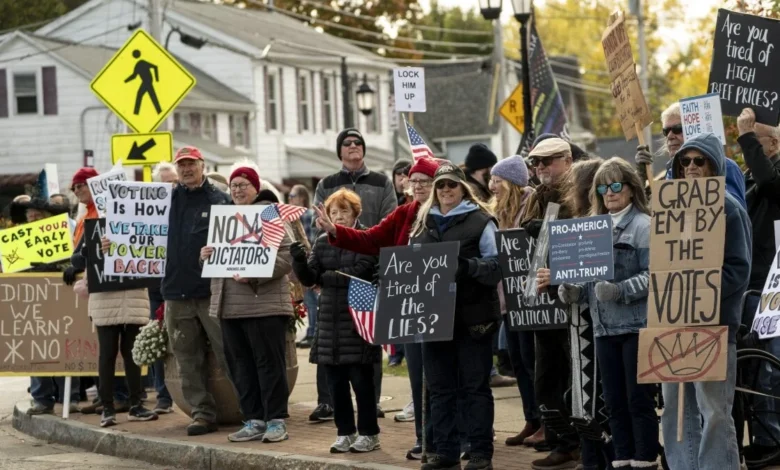
Meta has issued a formal apology to the No Kings Coalition, a prominent social justice organization, after the company shuttered the group’s Instagram account during a series of nationwide demonstrations on October 17. The incident, which saw the account go dark for approximately 90 minutes, has reignited long-standing debates regarding the role of automated content moderation in civic discourse, the vulnerability of activist groups to platform censorship, and the transparency of Big Tech’s enforcement algorithms during sensitive political periods.
The Chronology of the Suspension
The disruption occurred at a pivotal moment for the No Kings Coalition, which had been actively organizing voter participation initiatives and staging demonstrations ahead of the midterm elections. According to internal reports from the coalition, the account was abruptly taken offline in the midst of high-traffic activity.
For 90 minutes, the coalition was unable to communicate with its base of followers, effectively silencing its primary channel for organizing and disseminating information. Even after the initial suspension was lifted, administrators reported significant technical hurdles, as they remained unable to regain access to the account’s backend, further hindering their ability to manage the platform during the peak of their weekend protest activities.
Following public outcry and inquiries from the media, Meta spokesperson Andy Stone addressed the situation on social media. Stone attributed the outage to "incorrect enforcement" triggered by "abrupt, high-volume" requests that mimicked bot-like behavior. Specifically, Meta’s automated security systems flagged a Claude tool—a third-party utility being used by the organization—that was purportedly accessing profiles, posts, and hashtags at a frequency that exceeded the platform’s security thresholds.
"This activity caused our automated protections to incorrectly take the No Kings Instagram account offline," Stone stated. "It unfortunately took additional time for us to straighten out the situation with admin access to the IG account. We want to reiterate our sincere apology for the error."
The Algorithmic Dilemma: Security vs. Speech
The suspension highlights a growing tension between the necessity for platform security and the protection of free speech. Meta relies heavily on artificial intelligence and automated moderation tools to combat spam, bot farms, and malicious actors that seek to manipulate discourse. However, as the No Kings Coalition incident demonstrates, these systems are not infallible.
When automated tools are calibrated to aggressively filter high-frequency traffic, they often lack the nuance to distinguish between a malicious botnet and an activist organization utilizing legitimate third-party tools to scale their outreach. In this instance, the "incorrect enforcement" suggests a failure in the system’s ability to recognize the context of the activity, prioritizing technical protection over the continued functionality of a verified user.
Critics argue that the lack of human oversight in the initial enforcement phase is particularly damaging during election cycles. For movements like the No Kings Coalition, timing is everything. A 90-minute blackout during a protest is not merely a technical glitch; it is an effective suppression of movement activity at the exact moment that activity is most visible and impactful.
Industry Context and Pattern of Censorship
The incident is not an isolated one, but rather the latest in a series of events that have led to widespread accusations of censorship against Meta. Over the past month, the company has faced intense scrutiny from various advocacy groups. Feminist organizations recently accused the platform of suppressing content related to the Cornell sexual assault case, alleging that Meta’s moderation algorithms were inconsistently applying community standards to shield or hide sensitive, yet newsworthy, discussions.
These concerns are compounded by a long history of complaints from marginalized groups. For years, organizations representing reproductive health services and LGBTQ+ activists have alleged that their accounts are disproportionately targeted for shadow-banning, flagging, or permanent removal. These groups argue that their content—which often focuses on human rights, health education, or systemic inequality—is frequently misinterpreted as "hateful" or "violating" by automated systems that fail to account for the social context of the posts.
The underlying frustration is exacerbated by the company’s 2025 decision to roll back several major hateful conduct protections. Many analysts and civil rights groups have suggested that this policy shift was a calculated capitulation to political pressure, specifically aligning with the anti-DEI (Diversity, Equity, and Inclusion) platform championed by the Trump administration. By reducing the guardrails that protected vulnerable groups from targeted harassment and silencing, critics argue Meta has created a digital environment where civic activism is increasingly precarious.
Broader Implications for Civic Participation
The implications of this incident extend beyond a single Instagram account. As social media platforms become the primary public squares for modern political discourse, the power of these companies to determine who is heard—and when—is immense.
The League of Women Voters, among others, publicly condemned the suspension, noting that the timing of the blackout was deeply troubling. "When people are gathering, organizing, and seeking information about civic participation, cutting off a movement’s primary communication channel—even temporarily—is deeply troubling," the organization stated on October 18.
The incident poses a fundamental question for democratic societies: How can we ensure that platforms remain secure from bad actors without inadvertently enabling the silencing of legitimate political movements?
For activist organizations, the lesson of the No Kings Coalition incident is a reminder of the fragility of digital infrastructure. Relying on a single platform for mass communication carries the inherent risk that an algorithm, working to prevent abuse, might inadvertently stifle the very voices that need the platform most.
Data and Transparency
Meta has not provided a detailed breakdown of the "high-volume" traffic that triggered the suspension, nor have they offered a public timeline on how they intend to adjust their algorithms to prevent similar errors in the future. Without granular transparency into why these "incorrect enforcements" occur, activists are left to operate in a state of uncertainty.
According to digital rights watchdogs, the frequency of such errors has increased as platforms have moved toward more aggressive AI-driven moderation to cut costs and respond to political pressure to "clean up" the digital space. The trade-off, however, is a loss of accountability. When a human moderator makes a mistake, there is a clear chain of command and a path for appeal. When an algorithm makes a mistake, it is often hidden behind the veil of "proprietary software" and "security protocols."
Looking Forward
As the midterm elections draw closer, the pressure on social media companies to balance security and expression will only intensify. The No Kings Coalition is currently working to ensure their digital presence remains secure, but the broader movement for digital justice continues to call for more than just apologies.
Advocacy groups are increasingly calling for:
- Human-in-the-loop requirements: Mandatory human review for accounts with significant followings or those categorized as civic/political before an automated suspension is executed.
- Transparency reporting: Public disclosures regarding the frequency of "incorrect enforcement" incidents, broken down by the type of organization impacted.
- Appeals process reform: The establishment of a dedicated, rapid-response channel for activist organizations to contest automated suspensions in real-time, preventing the "90-minute blackout" scenario.
For Meta, the challenge remains. As the company navigates a changing political landscape, its ability to maintain the trust of social justice movements will depend on its capacity to rectify these technical failures. For now, the No Kings Coalition’s account has been restored, but the broader question of whether tech giants are inherently biased against activist discourse remains a central, and unresolved, feature of the modern digital landscape. The incident serves as a stark reminder that in the age of algorithmic governance, the right to free expression is often only as secure as the code that monitors it.