Mastering Social Media Key Performance Indicators: A Comprehensive Strategy for Measuring Real Business Impact in the Digital Age


Navigating the modern digital marketing landscape requires brands to look far beyond surface-level vanity metrics. As social media platforms continue to evolve into core revenue-generating ecosystems—with global social network user bases projected to reach 5.75 billion and U.S. social network ad spending forecasted to eclipse $121 billion—organizations face mounting pressure to demonstrate tangible returns on their digital investments. According to recent executive data from Gartner, approximately 46% of Chief Marketing Officers cite prioritizing initiatives that directly drive business growth as their top operational challenge. Consequently, differentiating between general analytics and true Key Performance Indicators (KPIs) has become an essential competency for marketing teams and corporate leadership alike.

Defining and Tracking True Business Drivers
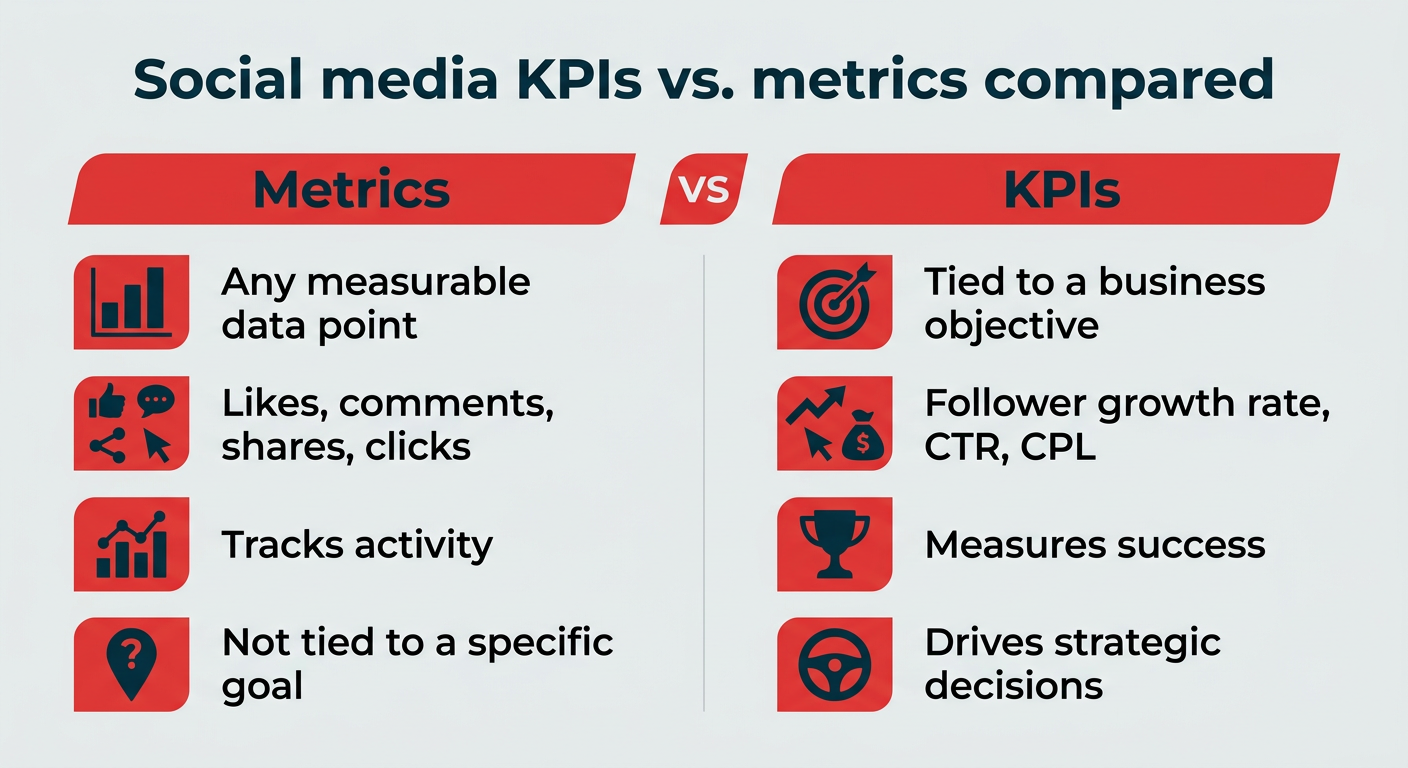
The fundamental distinction in digital analytics lies between metrics and KPIs. While a metric represents any measurable data point generated across social accounts—such as total likes, video views, or raw follower counts—a KPI is specifically tied to a broader business goal. Every KPI functions as a metric, but not all metrics serve as KPIs. For instance, while tracking daily impressions provides vital context regarding overall content visibility, a true KPI focuses directly on strategic outcomes, such as weekly follower growth rate, customer acquisition cost, or conversion rates from social channels to owned properties.
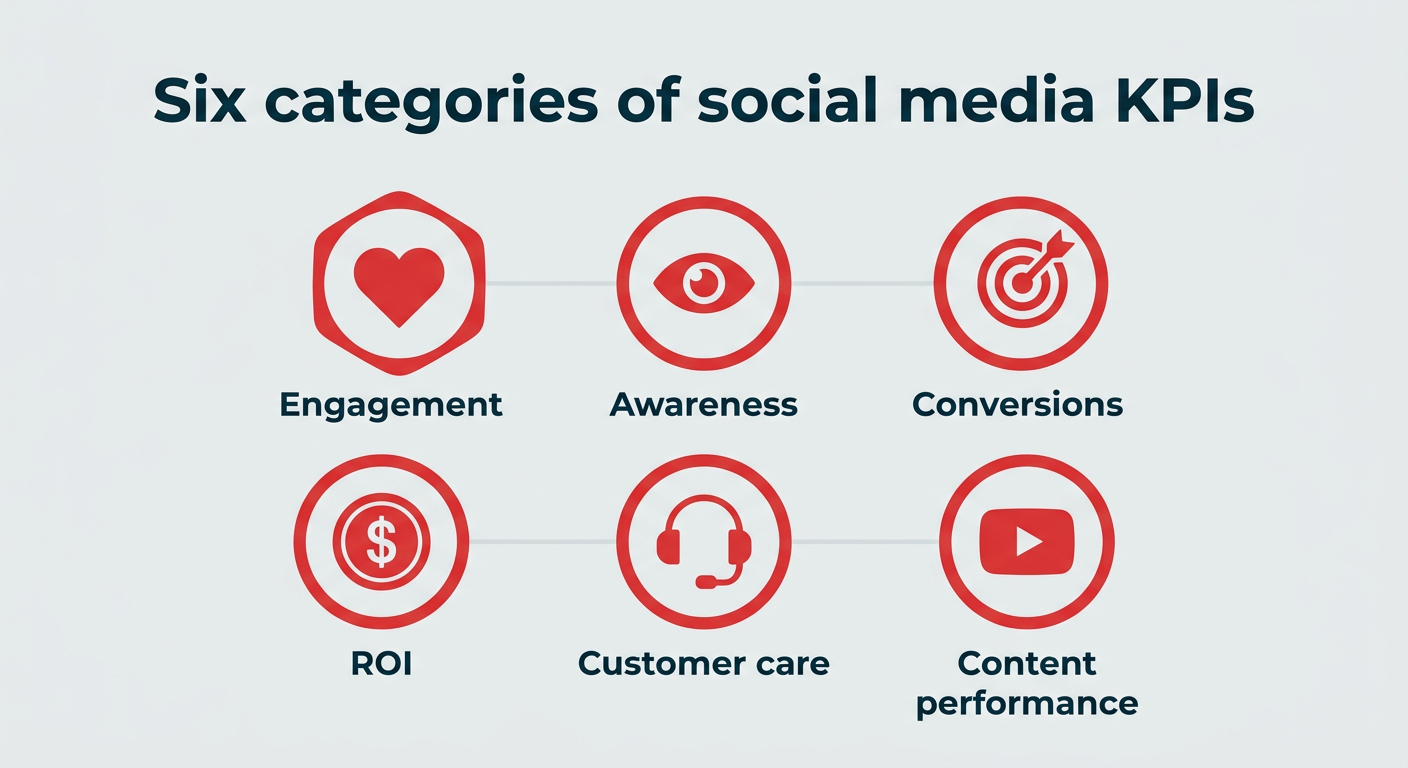
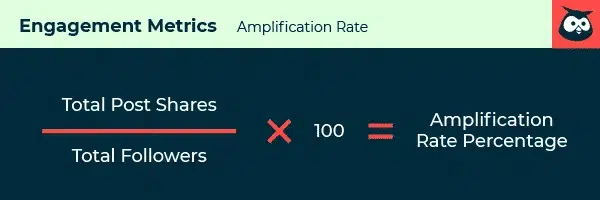
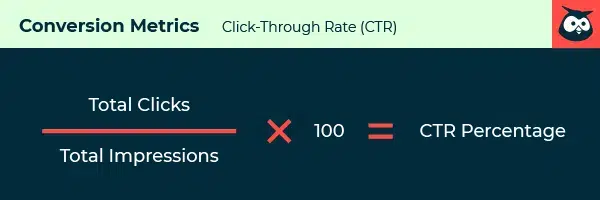
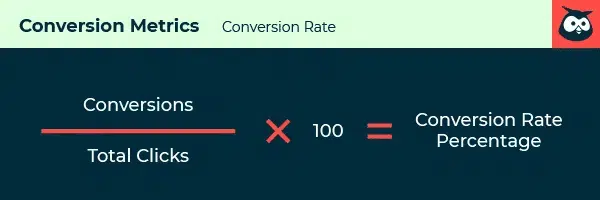
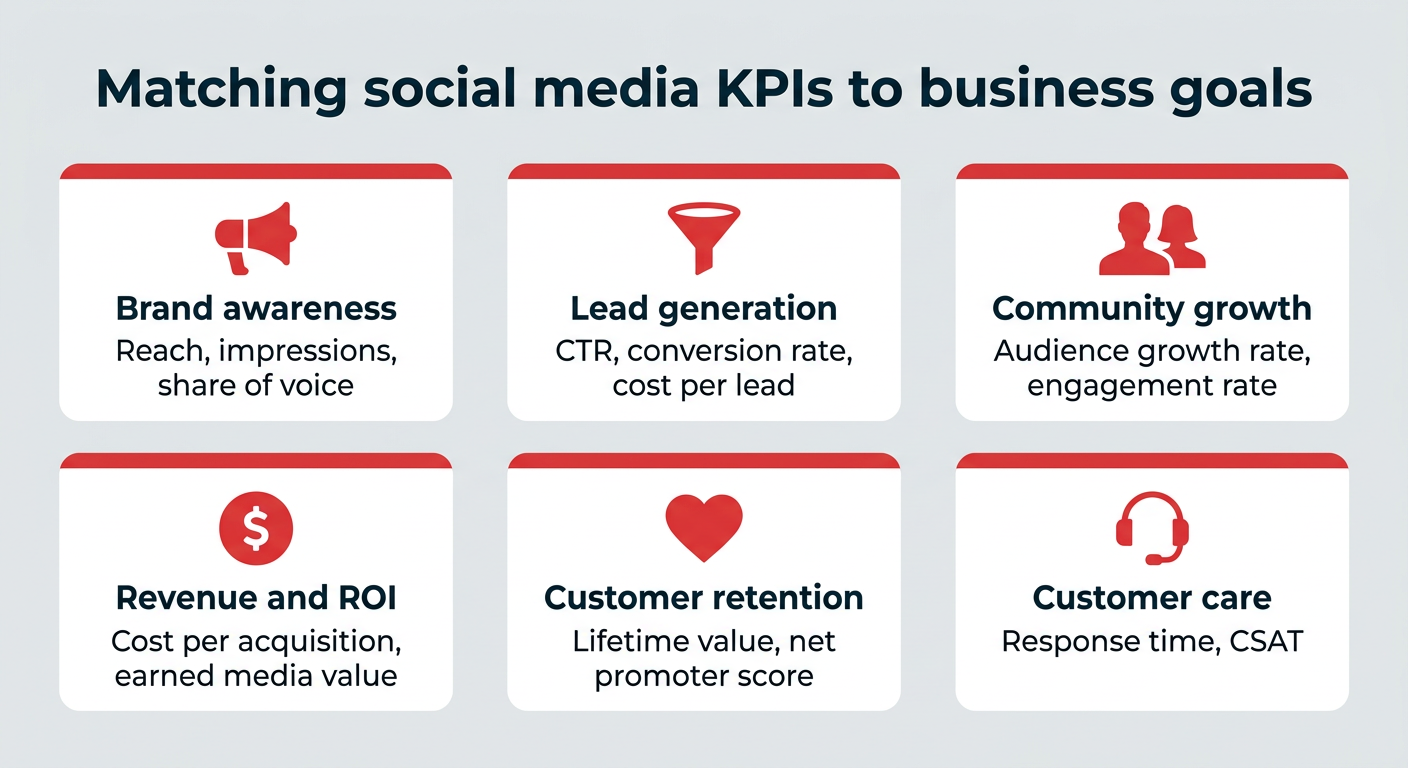
To implement an effective measurement strategy, marketing professionals generally categorize KPIs into six core pillars: engagement, awareness, conversions, return on investment (ROI), customer care, and content performance. Each category addresses a distinct facet of organizational growth. Engagement KPIs—including amplification rates, average engagement rates, and comment volumes—evaluate how deeply an audience connects with published content. Awareness KPIs, such as reach and social share of voice, measure brand visibility in competitive markets. Conversion and ROI KPIs bridge the gap between social media activities and the corporate bottom line, tracking click-through rates, cost per lead, and revenue generation. Finally, customer care KPIs gauge brand sentiment, response efficiency, and long-term customer lifetime value.
The Three-Step Framework for Establishing SMART Targets
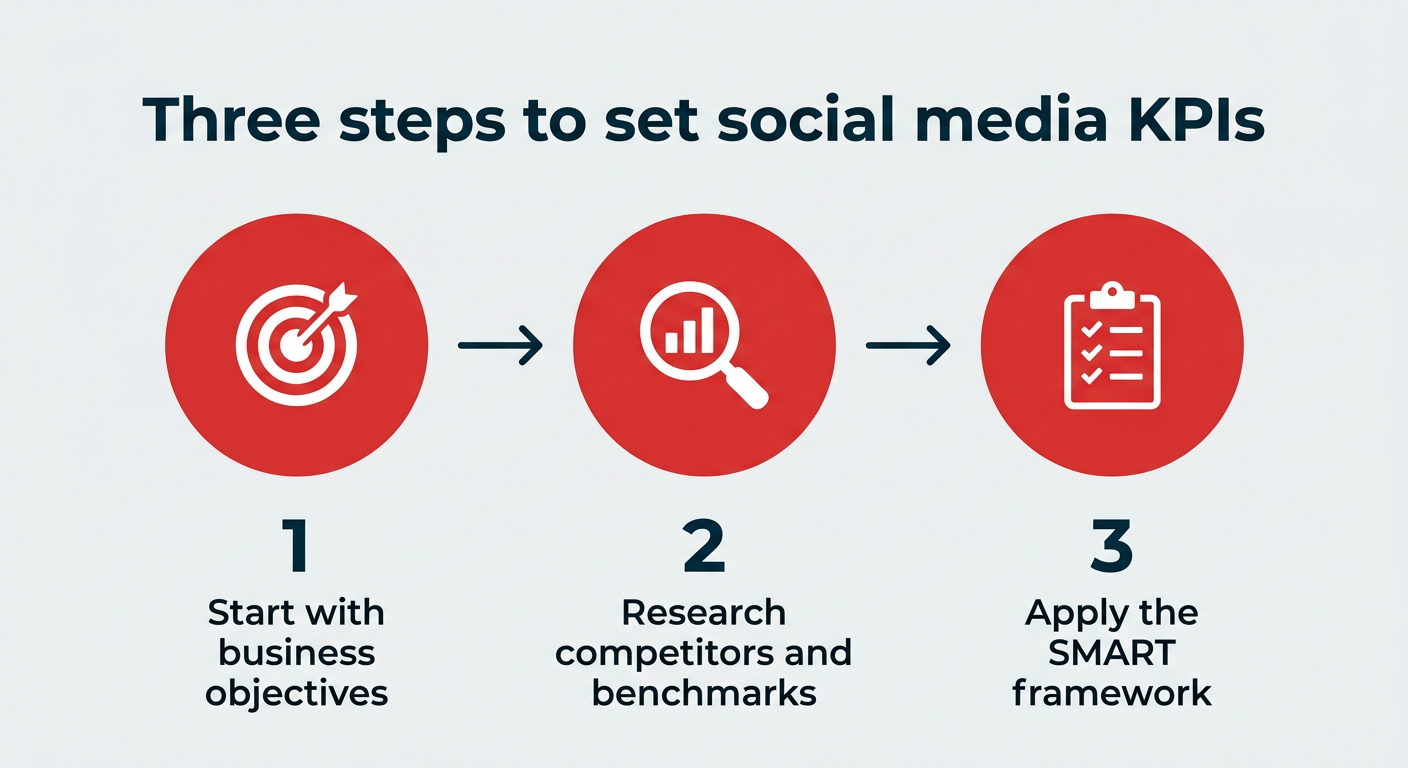
Developing a robust measurement program requires a systematic, three-step methodology that begins with overarching business objectives and filters down to granular, actionable targets.
First, teams must align every social media goal directly with a broader corporate strategy. Whether the primary corporate directive is expanding market share, launching a new product line, or improving customer retention, social media objectives must reflect these high-level priorities.
Second, organizations must conduct comprehensive competitive analysis and benchmark research. Utilizing industry benchmarking tools allows brands to evaluate their standing relative to market competitors. Rather than relying on guesswork, marketing teams analyze historical data and industry averages for metrics such as click-through rates and average engagement—which typically hover between 1% and 3% for average accounts, with rates exceeding 3% to 5% considered strong.

Third, teams must apply the SMART framework—ensuring targets are Specific, Measurable, Achievable, Relevant, and Time-bound. By grounding social media KPIs in this structured framework, organizations eliminate ambiguity and ensure that every tracked data point directly contributes to organizational objectives. Industry experts recommend focusing on three to five core KPIs per business objective to prevent data fatigue and maintain strategic clarity.
Data Collection, Review Cadences, and Executive Reporting
Once KPIs are established, organizations must determine how data will be collected, reviewed, and presented to leadership. Managing multiple social accounts often presents logistical challenges when relying solely on native platform analytics. Because individual networks define metrics differently and operate in isolation, manual data exports and spreadsheet calculations frequently drain valuable resources. To streamline this process, many enterprises adopt unified social media dashboards that aggregate cross-network performance into a single view.

Establishing a disciplined review cadence is equally critical to maintaining campaign momentum. High-performing marketing teams typically utilize a three-tiered review schedule:

- Weekly reviews allow tactical adjustments, helping teams identify performance dips and optimize ongoing campaigns in real-time.
- Monthly evaluations facilitate broader strategic assessments, ensuring content performance aligns with monthly targets.
- Quarterly reviews provide an opportunity to reassess whether the chosen KPIs continue to support evolving business goals.
When reporting findings to executive leadership, communication must shift from granular, post-level details to high-level business outcomes. C-suite executives prioritize data related to revenue generation, pipeline development, and cost efficiency. Effective reporting packages lead with these high-impact indicators, utilizing clear visualizations and contextual industry benchmarks while relegating supporting metrics to an appendix. This streamlined approach ensures that marketing teams can articulate their strategic value, secure necessary budgetary support, and secure executive buy-in for future social media initiatives.