The digital marketing landscape is undergoing its most profound structural shift since the mainstream adoption of search engines. For over two decades, the formula for online visibility was straightforward: secure a first-page ranking on Google through traditional search engine optimization (SEO), optimize for high-volume keywords, and capture the inbound traffic. However, the rapid proliferation of generative artificial intelligence (AI) and Large Language Models (LLMs)—such as OpenAI’s ChatGPT, Anthropic’s Claude, and Perplexity—has rendered this linear strategy increasingly obsolete.
Recent empirical data reveals an unsettling paradox for digital publishers and brands: a website can comfortably claim the top position on Google’s search engine results pages (SERPs) yet remain entirely unmentioned, uncited, and unrecognized by AI search systems. To understand this disconnect, industry analysts and search specialists are pointing to a fundamental background process utilized by generative models known as "query fan-out."
Decoding Query Fan-Out: How AI Constructs Answers
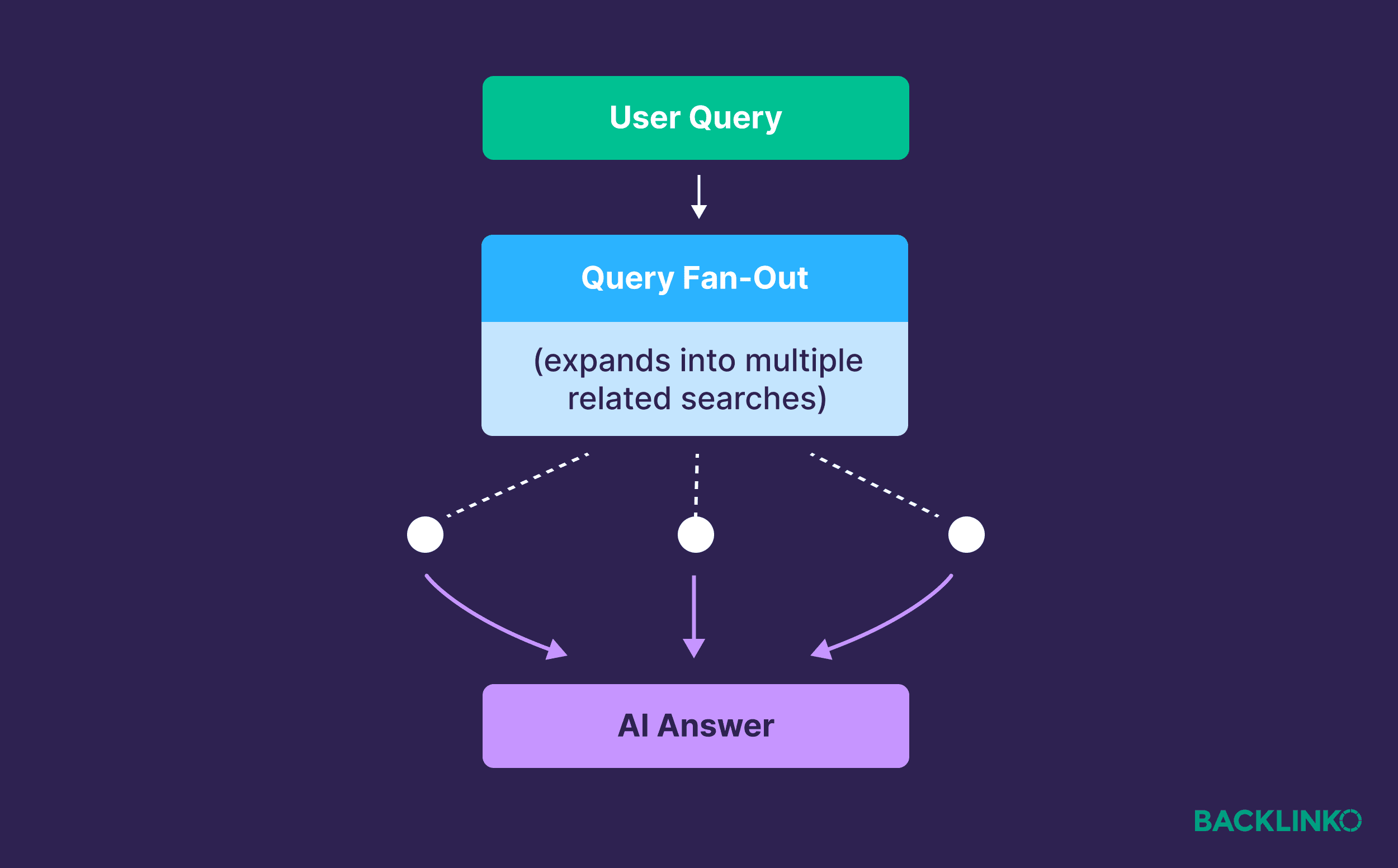
When a user submits a prompt to an AI-powered search tool—such as asking for the "best toothbrush" or inquiring about a complex technical comparison—the system rarely defaults to the single best-ranking web page. Instead, it initiates a complex computational mechanism called query fan-out.
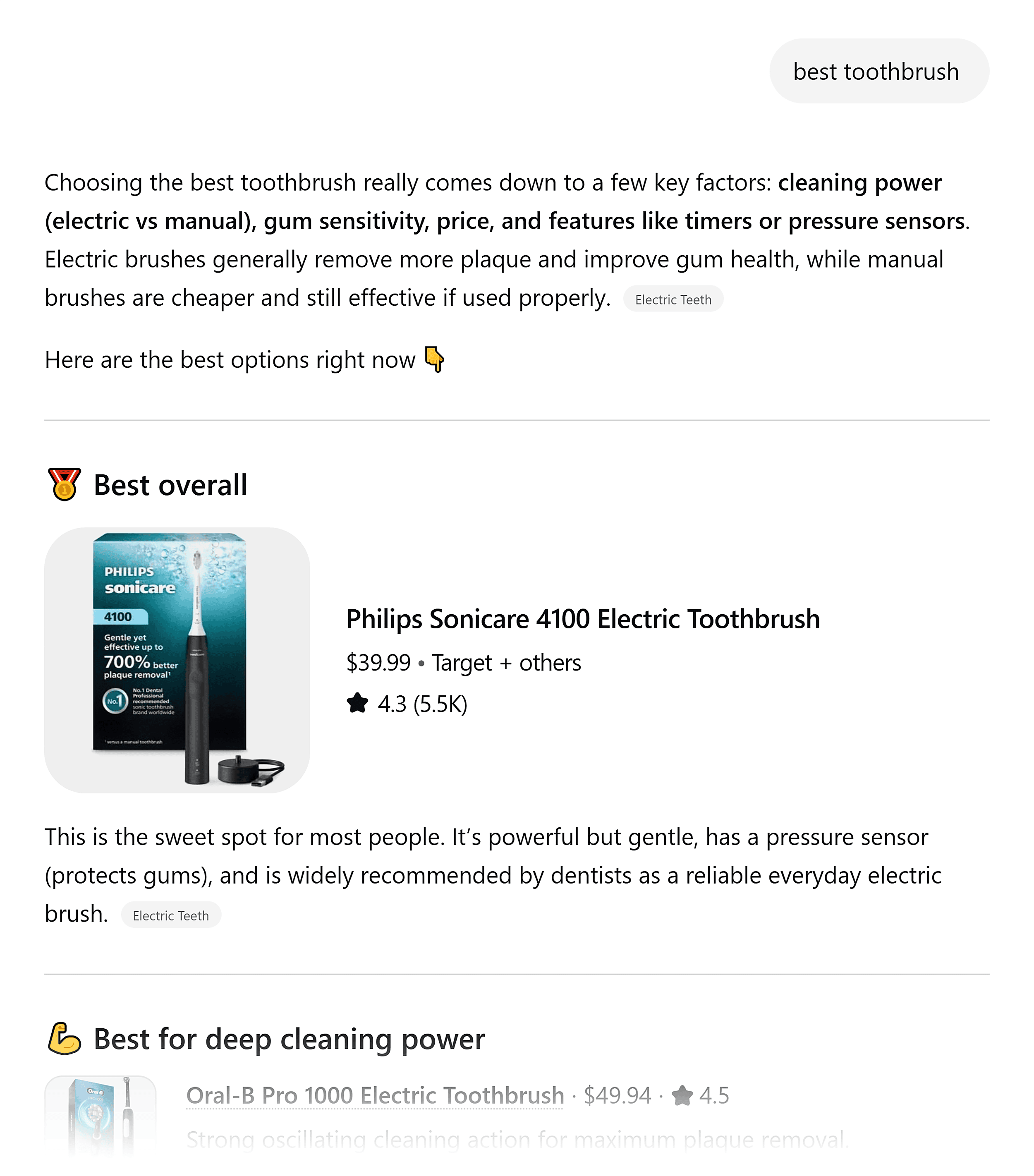
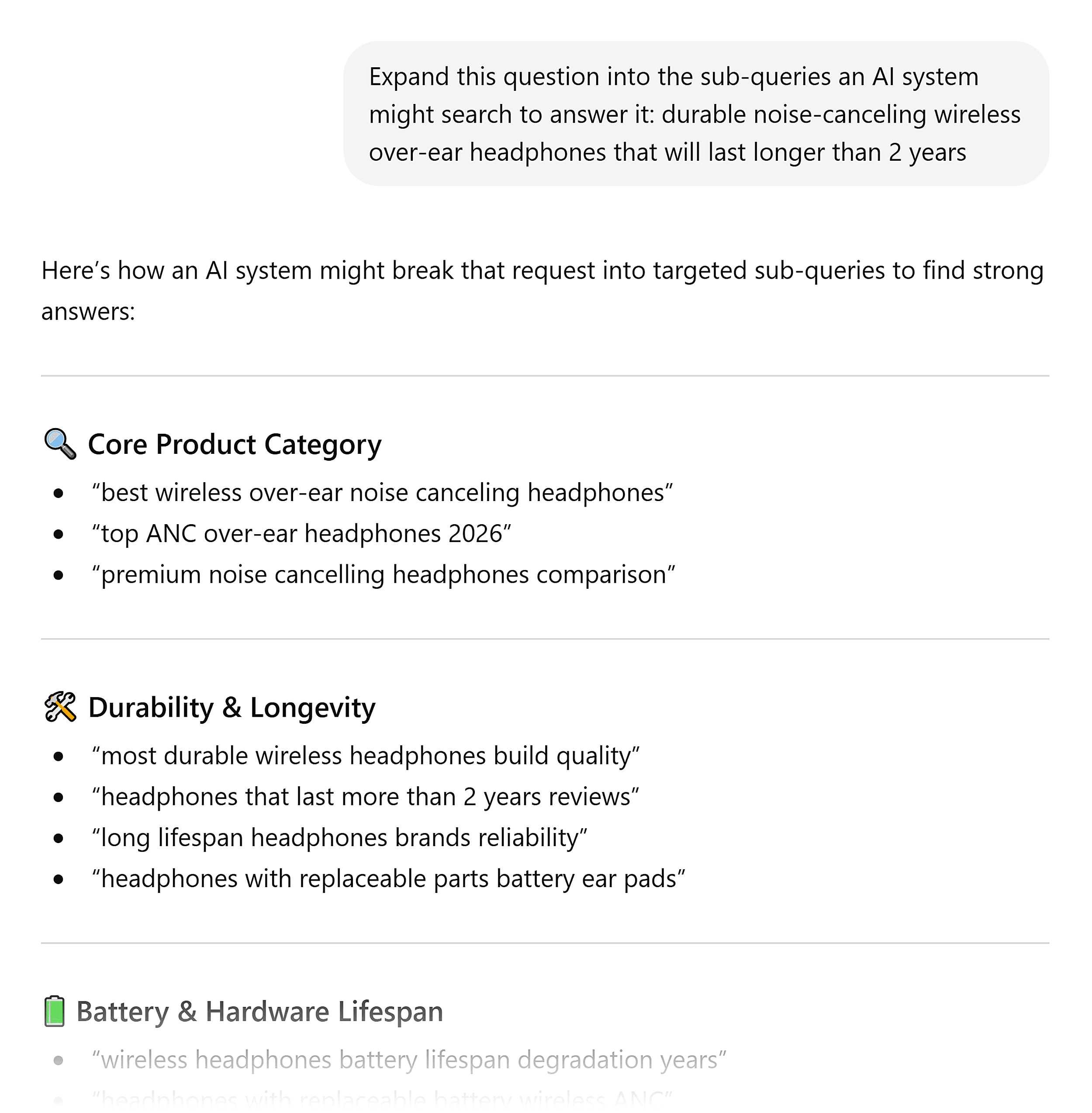
Query fan-out is a background process where an AI system takes a single user prompt and dynamically breaks it down into multiple, highly specific sub-queries. Rather than relying on a monolithic search index match, the AI "fans out" the inquiry across a series of targeted sub-questions designed to build a holistic, multi-faceted picture of the topic.
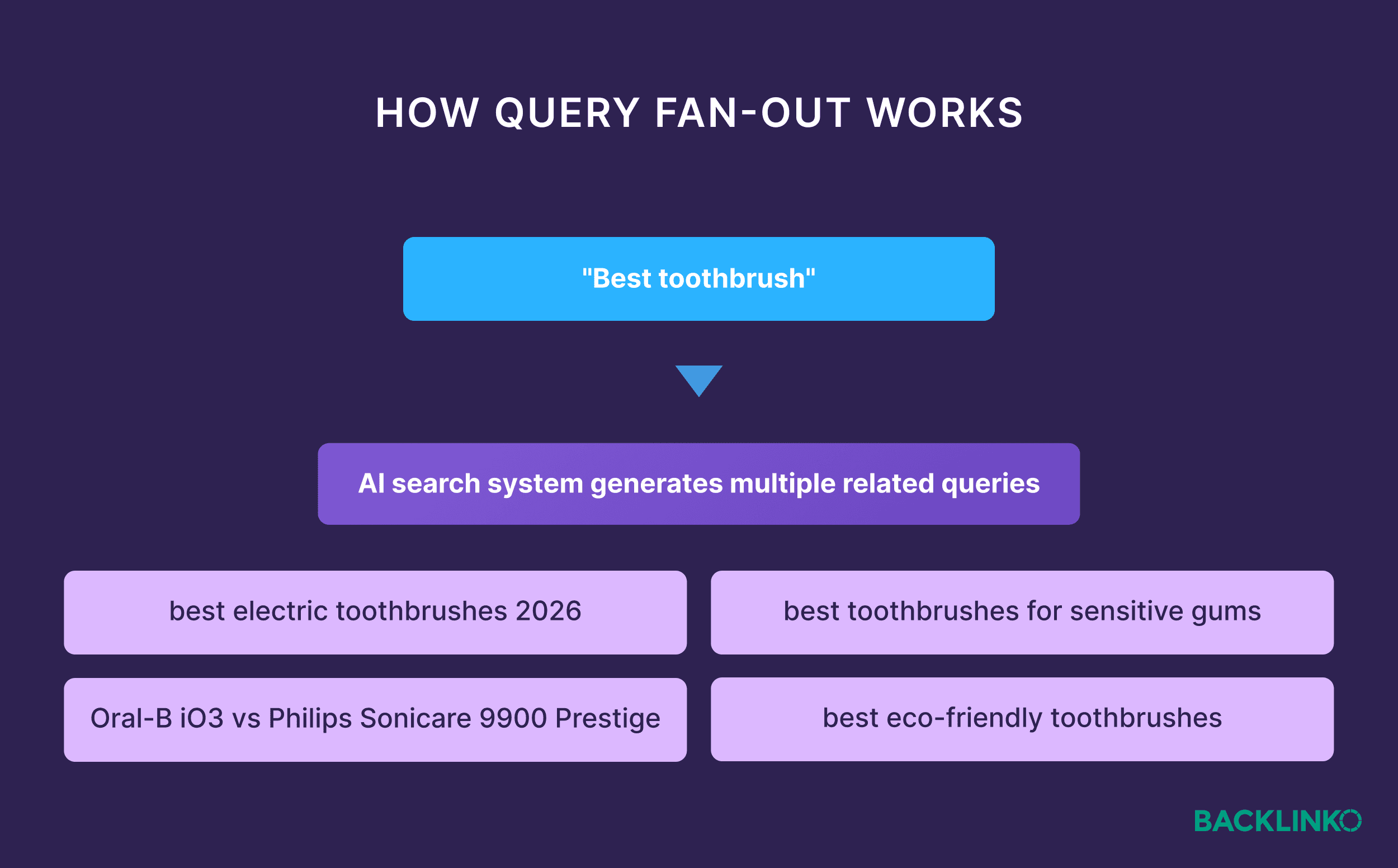
For instance, a broad, two-word prompt like "best toothbrush" can trigger an automated cascade of background sub-queries. These might include "best electric toothbrushes of the year," "best toothbrushes for sensitive gums," "Oral-B versus Philips Sonicare head-to-head performance," and "eco-friendly toothbrush pricing and value options."
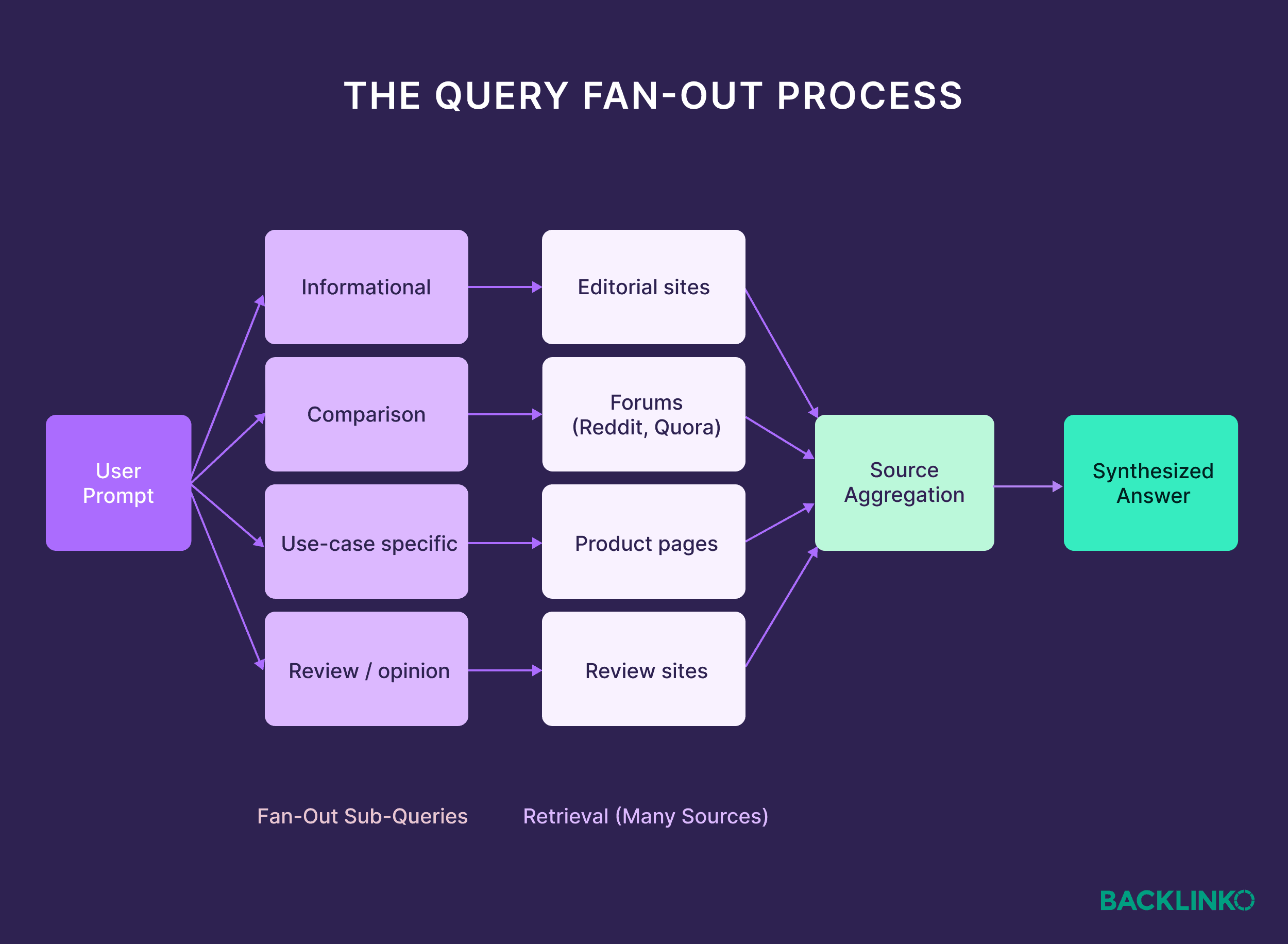
Once these sub-queries are executed, the AI retrieves information from a vast array of sources—ranging from authoritative editorial reviews and niche product pages to peer-to-peer discussion boards like Reddit. The model then synthesizes these fragmented data points into a single, cohesive, conversational response that anticipates the user’s unstated needs, price constraints, and use-case scenarios.
The Mechanics Behind the Visibility Gap
This architectural reality explains why high traditional search rankings do not automatically translate into AI citations. When AI systems evaluate sources for these sub-queries, retrievability, topical coverage, and passage-level relevance take precedence over brute-force domain authority or traditional ranking positions.
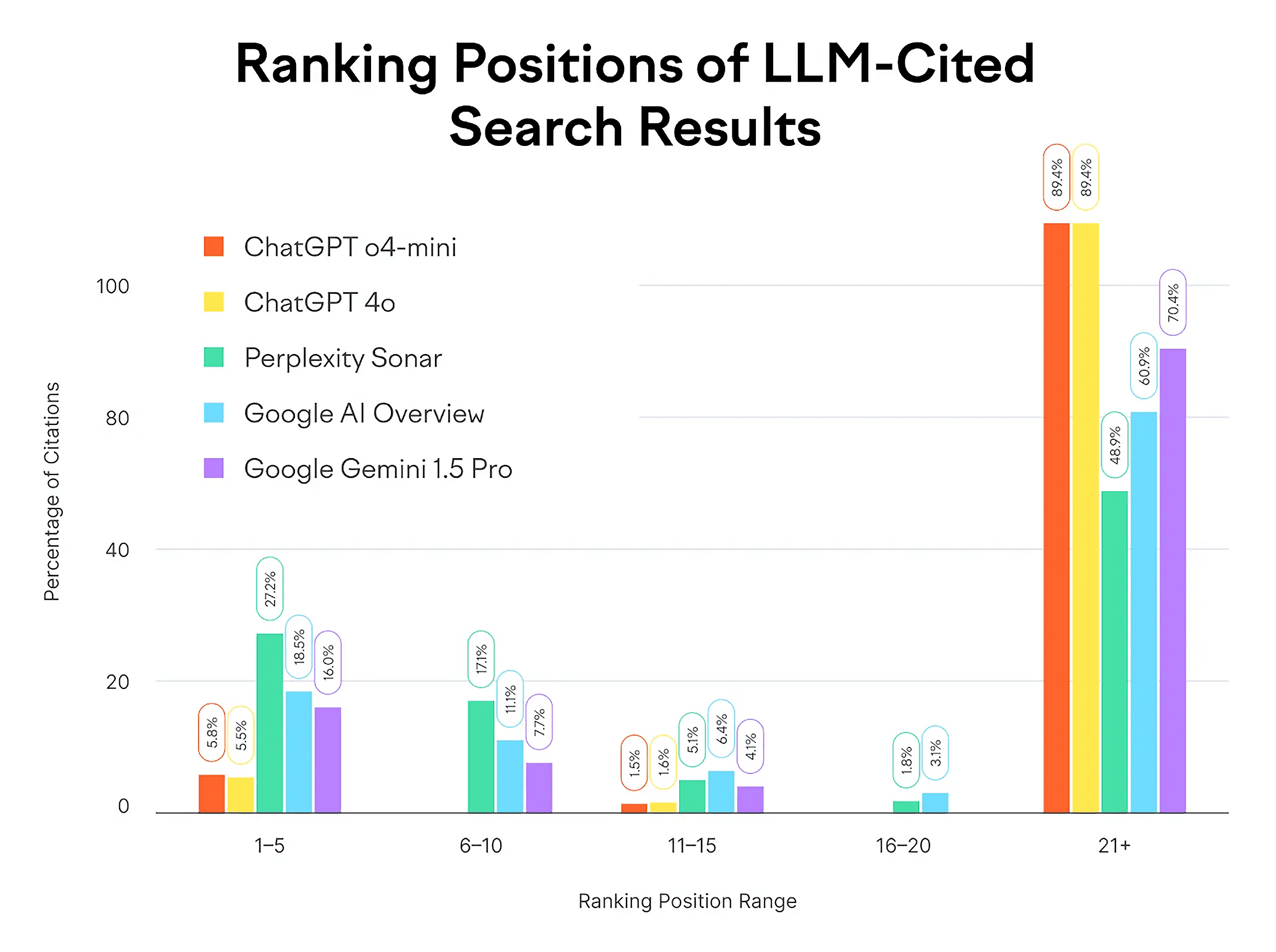
A landmark study conducted by Semrush illustrates this shift vividly, demonstrating that ChatGPT cites web pages residing in ranking position 21 or lower nearly 90% of the time. Similarly, Perplexity and Google’s own AI discovery environments frequently bypass top-tier ranking sites in favor of deeper, more granular resources that directly resolve a specific sub-query.

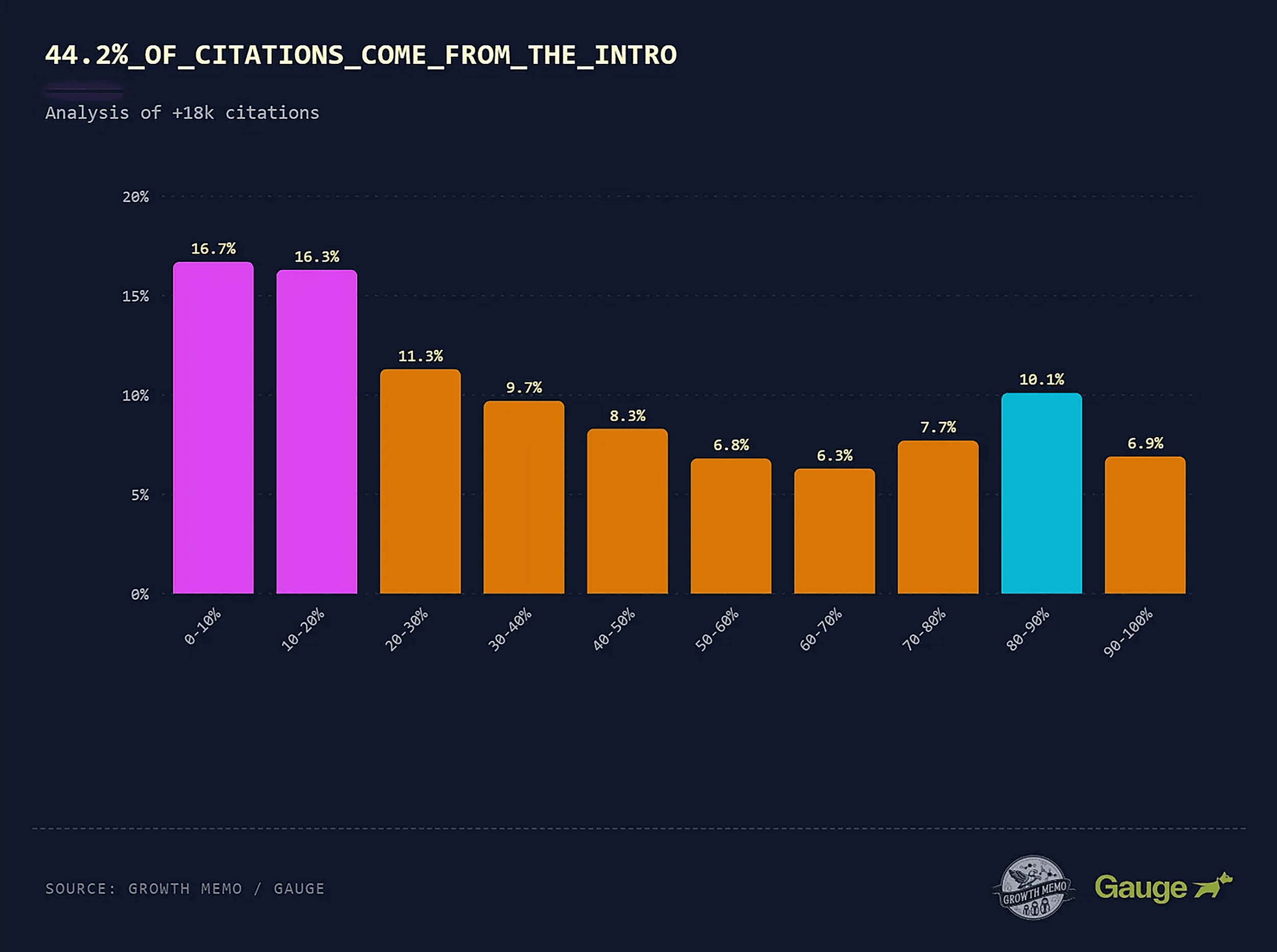
Furthermore, research into how AI models process information indicates that citations are heavily front-loaded. An analysis of 1.2 million ChatGPT responses conducted by growth advisor Kevin Indig found that 44.2% of citations originate from the first 30% of a referenced web page. An additional 31.1% of citations come from the middle section, while only 24.7% pull from the final third. This structural preference underscores that AI systems do not merely recommend entire pages; they extract specific, self-contained passages that provide immediate answers.

Collapsing the Traditional Buying Journey
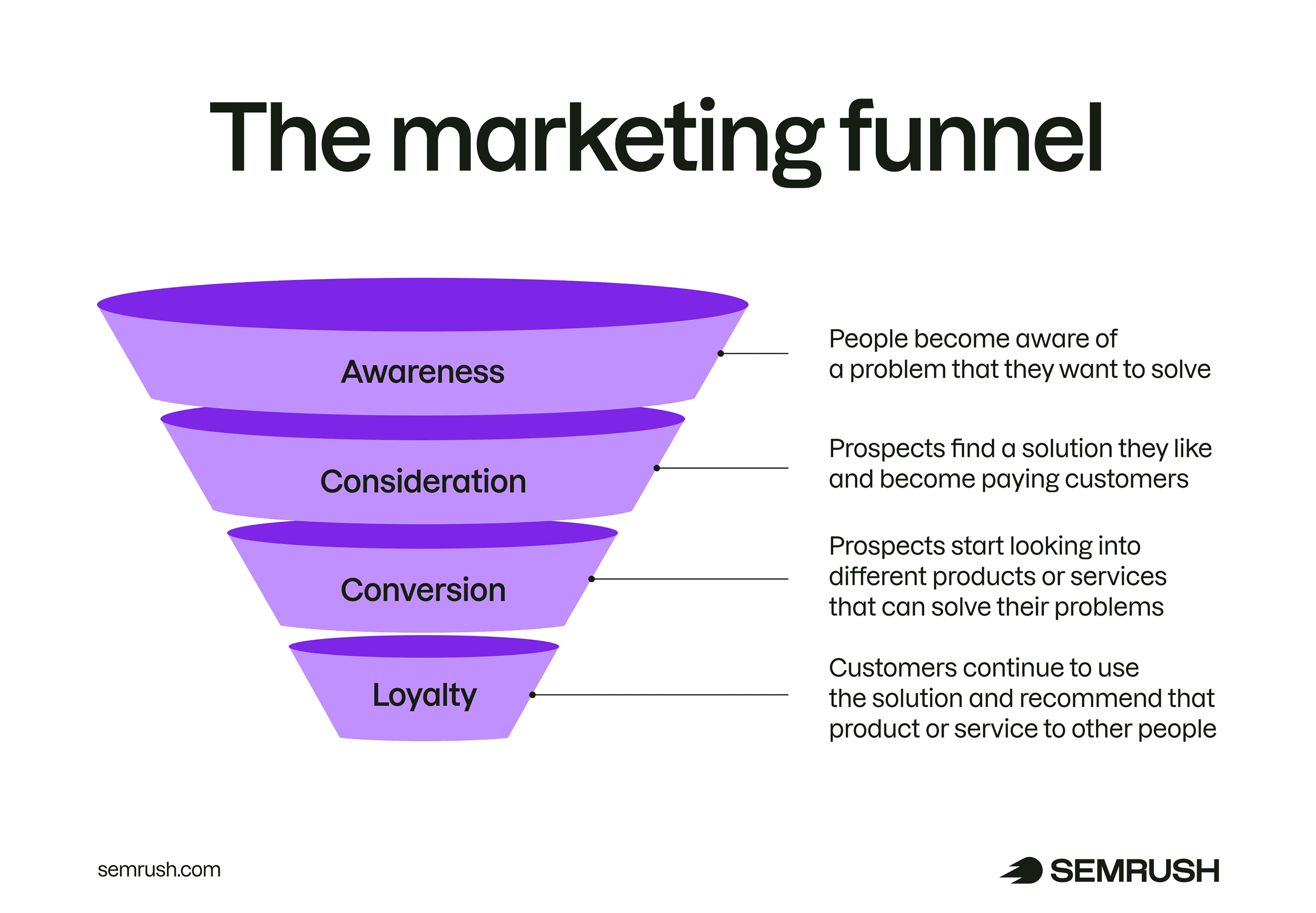
For marketers, the operational implications of query fan-out extend far beyond technical SEO tweaks. For years, digital marketing strategies were built around a linear consumer funnel: awareness, consideration, and decision. Brands developed specific content silos for each distinct stage of the buyer’s journey.

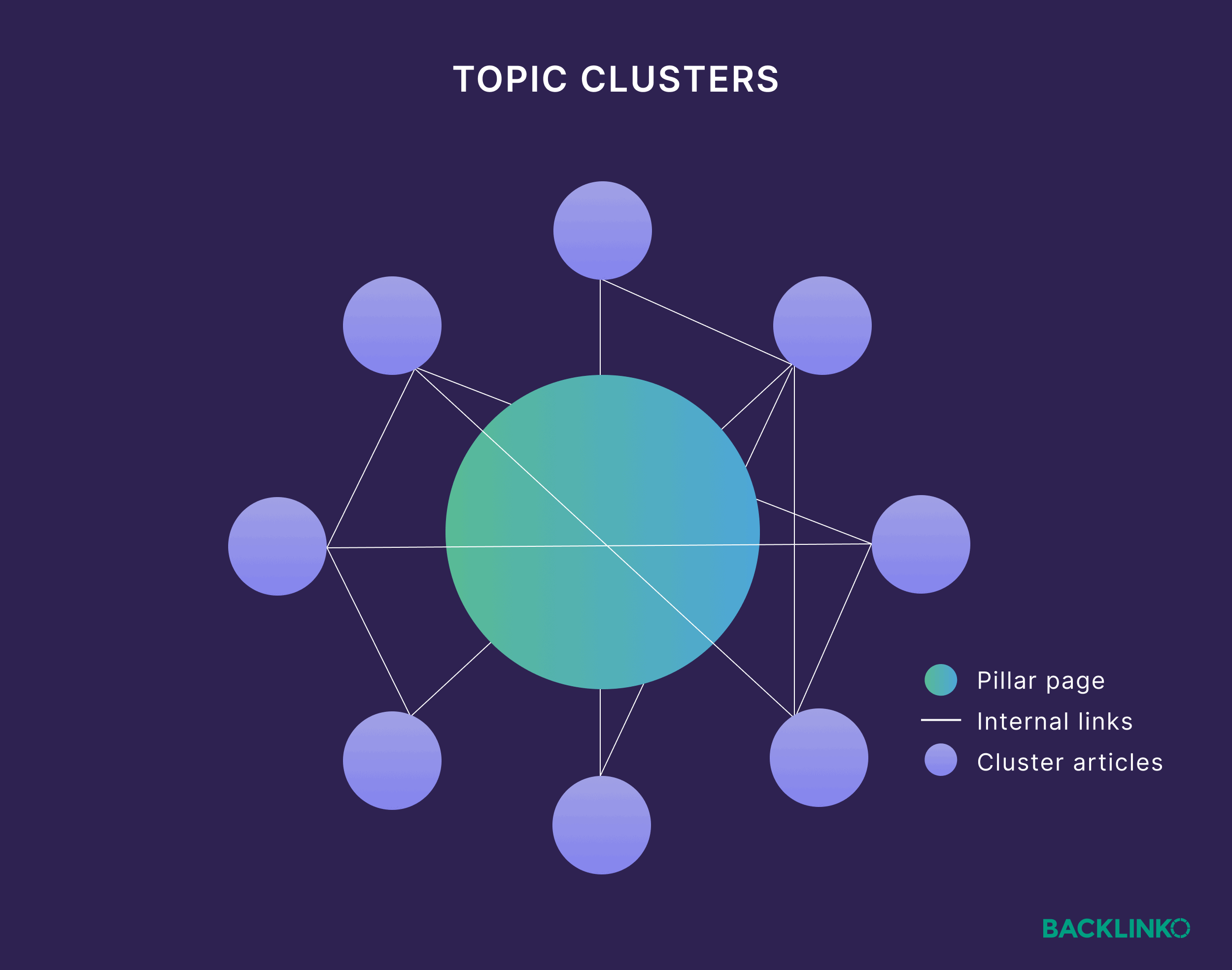
Query fan-out effectively collapses this funnel into a single interaction. Because a single high-intent prompt forces the AI to fan out across multiple dimensions simultaneously, the resulting response frequently weaves together awareness-level context, consideration-level comparisons, and decision-level product specifics all at once. Consequently, modern content strategies must evolve away from isolated keyword targeting and embrace comprehensive topical authority, ensuring that web pages address the full spectrum of user intent within a single architecture.
Strategic Adaptations for the AI Era
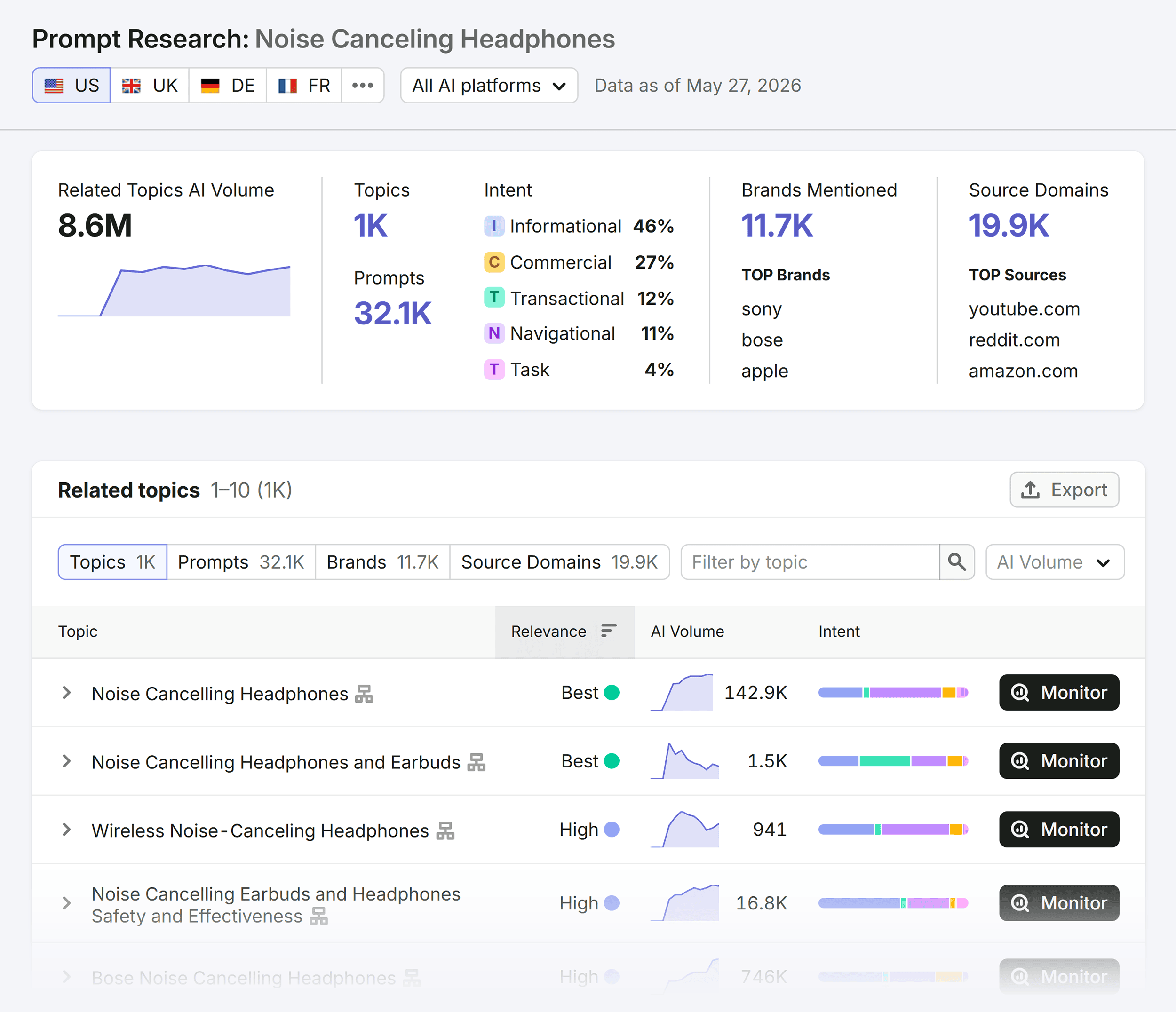
Navigating the query fan-out era requires a systematic approach to content creation, auditing, and optimization. Industry practitioners recommend a structured workflow to capture rising AI visibility:
-
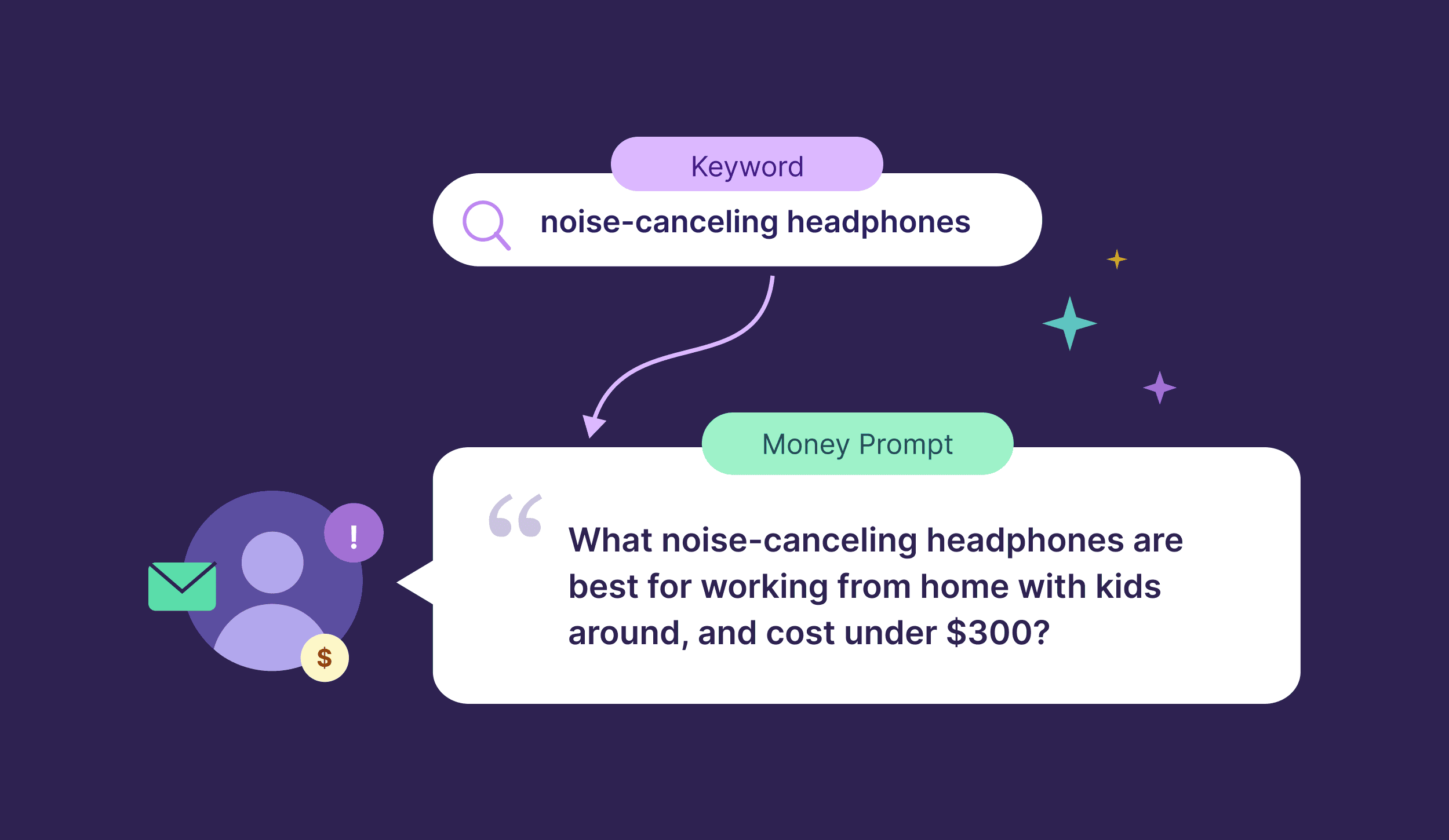
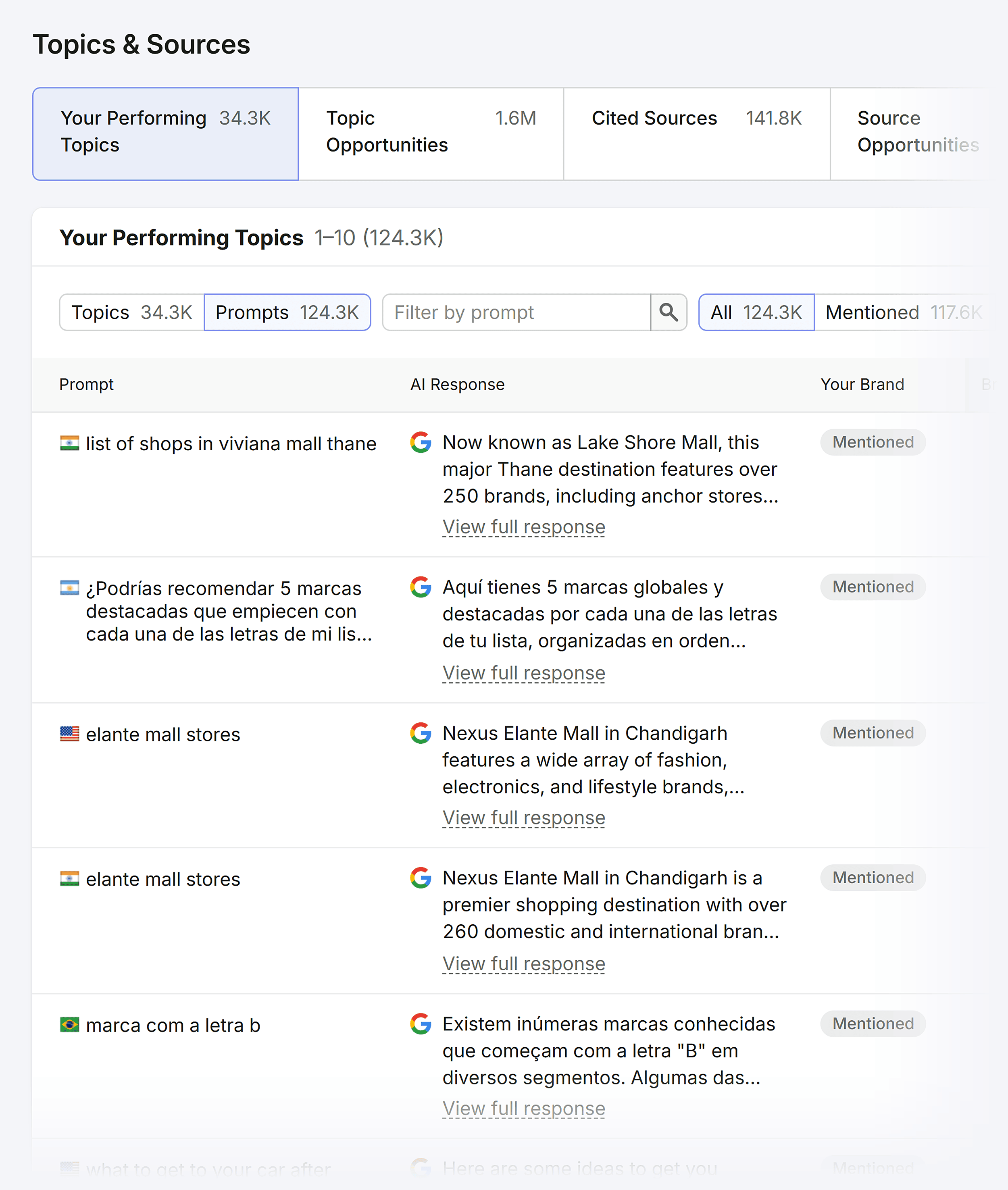
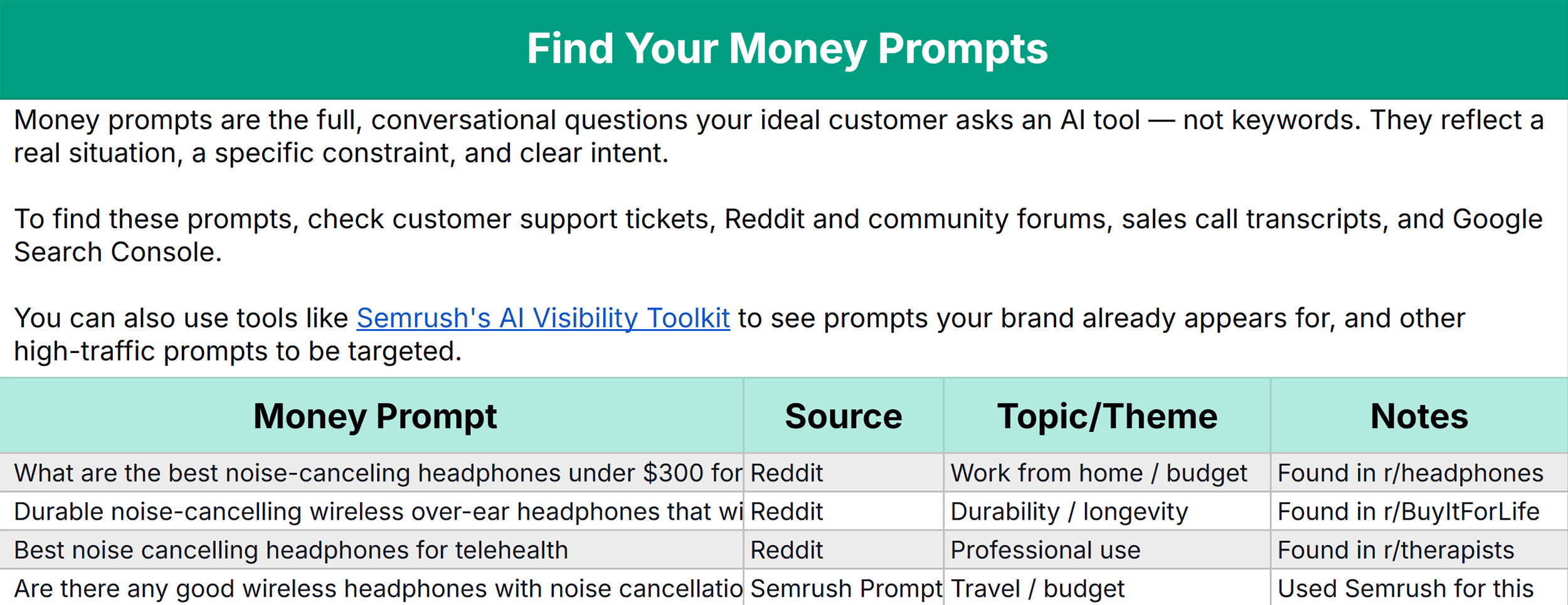
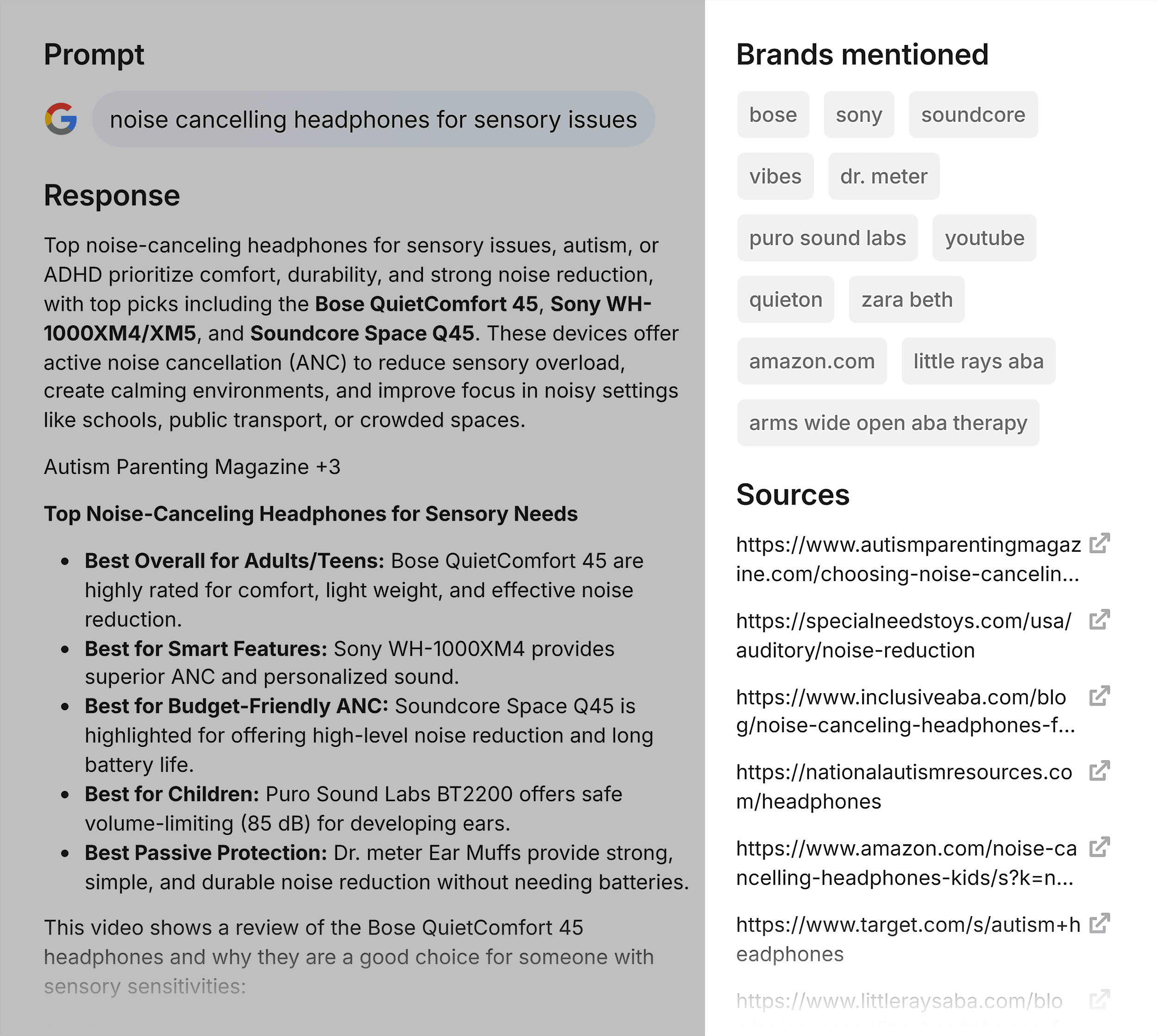
Identifying Money Prompts: Brands must move beyond traditional short-tail keywords and identify conversational "money prompts"—the complex, nuanced questions ideal customers pose to AI tools when seeking solutions. Utilizing specialized AI visibility toolkits allows marketing teams to analyze exact prompts generating brand mentions across platforms.
-
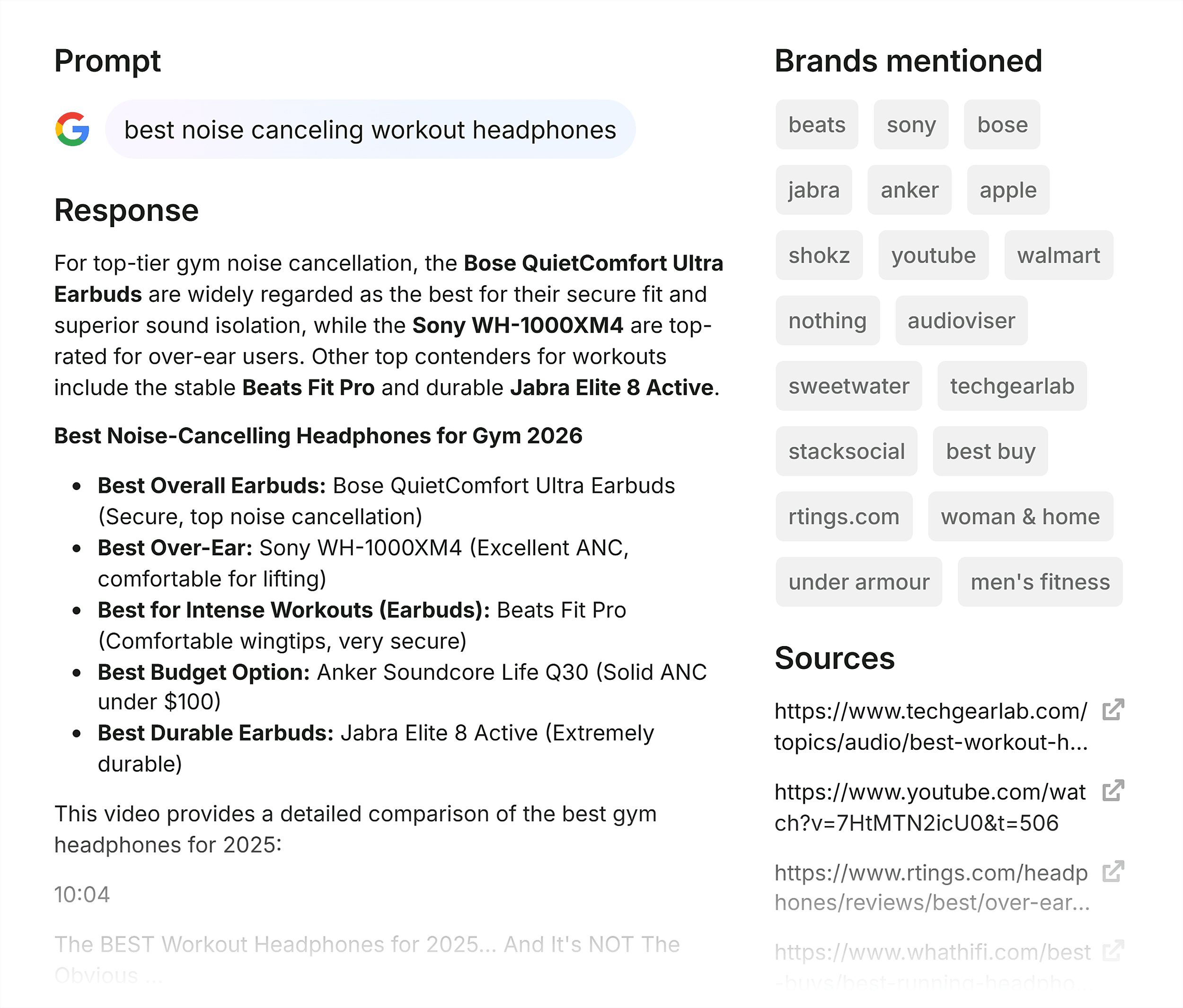
Mapping the Fan-Out Set: By examining the sub-queries generated during the fan-out process—either through manual inspection of developer networks or specialized browser extensions—publishers can uncover the precise thematic angles AI systems explore.
-
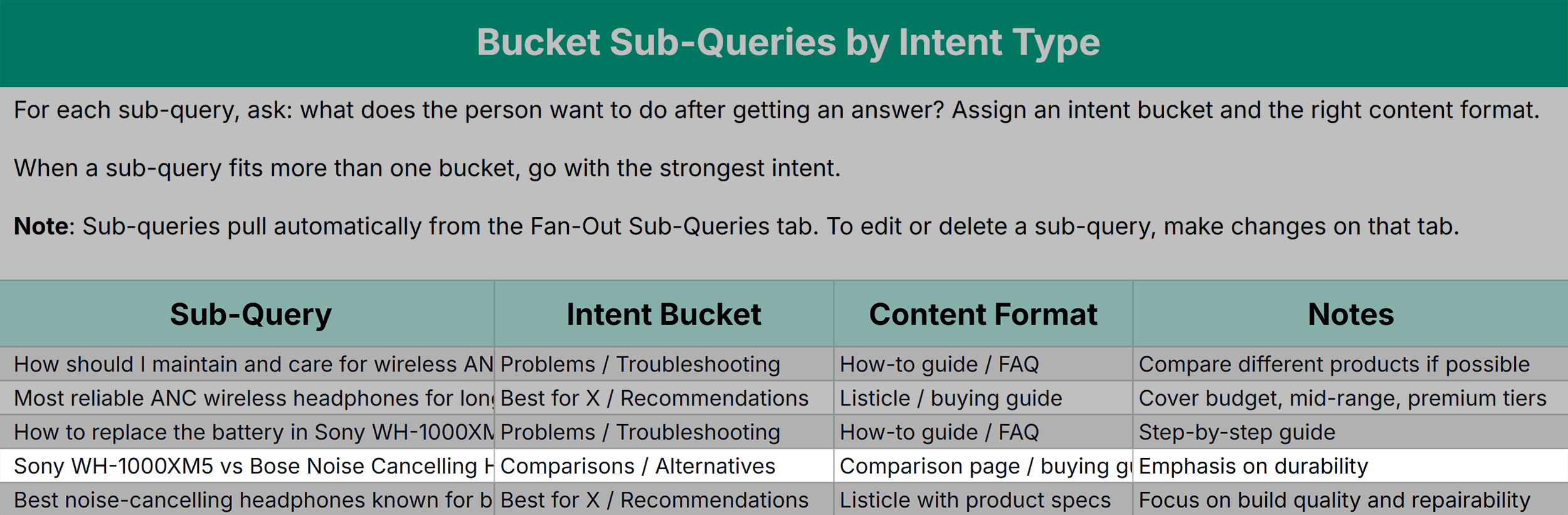
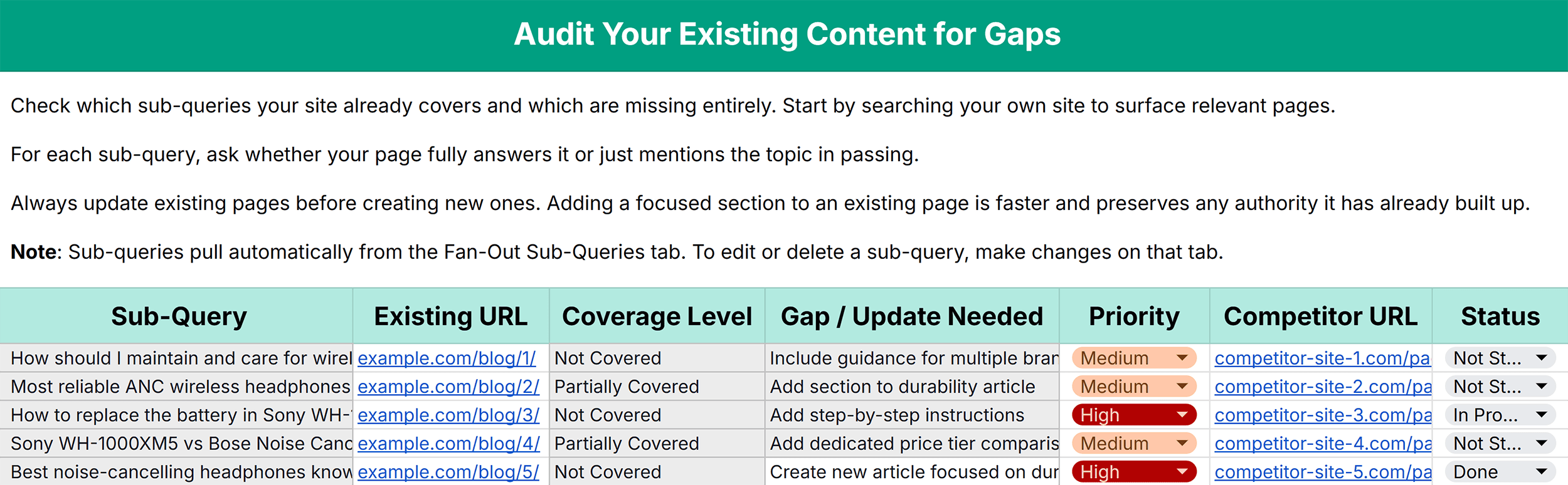
Intent Bucketing and Content Gaps: Sub-queries must be categorized by intent types, such as definitions, comparative evaluations, troubleshooting, pricing inquiries, or social proof. Auditing existing site architecture against these buckets reveals critical content gaps that competitors may currently dominate.

-
Optimizing for Passage Extraction: Content must be structured with clear subheadings, bulleted lists, and prominent, scannable data points. By front-loading direct answers and organizing key specifications into clean tables, brands make it significantly easier for LLMs to parse and extract specific passages.
-
Continuous Performance Measurement: Tracking AI visibility requires specialized monitoring tools that measure mention frequency, cross-platform sentiment, and brand positioning relative to competitors over time.
As search behavior continues its migration toward conversational interfaces and generative answers, the rules of digital discoverability have permanently changed. Success in the age of AI search belongs not to those who merely dominate the top of a traditional search results page, but to those whose content is comprehensive enough to survive the fan-out and precise enough to be extracted as the ultimate source of truth.