The Expansion Chronology
Google’s journey into physical retail has been characterized by a measured, deliberate pace. While the company dominated the digital marketplace for decades, it remained largely absent from the physical retail landscape until it began exploring dedicated hardware spaces. The trajectory of this expansion has accelerated significantly between 2025 and 2026.
Following the initial success of its flagship stores in major metropolitan areas, Google began a multi-pronged rollout strategy. The 2026 calendar year proved to be a pivotal period for the brand. The opening of the San Diego location earlier in the year solidified the company’s presence on the West Coast, while the Tokyo store—the first physical location outside of the United States—demonstrated Google’s intent to cater to its international hardware user base.
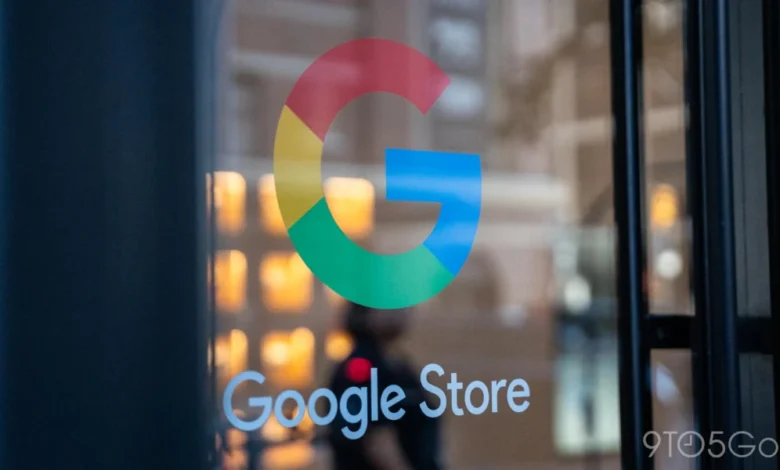
The Houston Galleria location is the natural evolution of this strategy. Texas has become an increasingly vital market for technology firms, with major hubs in Austin and Dallas-Fort Worth attracting significant investment. By selecting the Houston Galleria—a massive, upscale indoor shopping center that attracts millions of visitors annually—Google is positioning itself directly in front of a diverse and affluent demographic, further cementing its foothold in the southern United States. This will be the second Google Store in Texas, following the successful launch of the Austin storefront last year.
Strategic Retail Philosophy
The Google Store model is distinct from the traditional electronics retailer. Rather than focusing solely on high-volume inventory turnover, the spaces are designed to function as "experience centers." The Houston Galleria location will feature a comprehensive suite of Google’s hardware ecosystem, including the latest iteration of Pixel smartphones, Pixel Watch wearables, Pixel Buds, and the full range of Nest smart home devices, including security cameras and thermostats.
Beyond product displays, the store is engineered to serve as a hub for customer support and community engagement. The facility is equipped to handle on-site technical assistance, providing a physical touchpoint for consumers who require hands-on help with their devices. This "Genius Bar"-style approach to service is intended to foster long-term brand loyalty. By offering in-person troubleshooting and repair services, Google aims to mitigate the common friction points associated with hardware ownership, thereby increasing the value proposition of its premium devices.
Furthermore, the store serves as a showroom for the integration of Google’s software services, such as Google Assistant and Home automation, within a tangible environment. By allowing potential customers to interact with these devices in a simulated home setting, the company reduces the barrier to entry for complex smart home technology.
Market Implications and Regional Significance
The selection of Houston as a target market is not coincidental. As the fourth-largest city in the United States, Houston represents a massive consumer base. The Galleria itself is a retail titan, consistently ranking among the most profitable malls in the country. Placing a Google Store here aligns with the company’s preference for high-visibility, high-foot-traffic locations that cater to both tech-savvy early adopters and the general public.
From an economic perspective, the opening reflects the broader trend of "omnichannel" retail. Even as e-commerce continues to dominate the consumer electronics sector, companies like Google recognize that physical stores act as powerful marketing tools. A retail presence provides a tangible brand identity that online-only retailers often lack. It allows for experiential marketing—customers can feel the build quality of a phone, test the interface of a watch, and see the clarity of security camera feeds in real-time.
Industry analysts suggest that this retail expansion is a direct counter-strategy to competitors like Apple, which has utilized its retail stores as a foundational element of its brand identity for over two decades. By mirroring this model, Google is attempting to control the entire user journey, from initial discovery and hands-on testing to purchase and post-sale support.

Operational Logistics and Community Impact
The Houston Galleria location will operate with standard retail hours, providing accessibility to shoppers throughout the week. A key feature of the new store is the integration of online and offline shopping experiences. Customers can purchase devices via the Google Store website and opt for in-store pickup, effectively leveraging the store as a fulfillment center. This reduces shipping wait times and provides an opportunity for staff to offer setup assistance at the moment of collection.
The store is also expected to host periodic events, workshops, and product demonstrations. These events are designed to engage the local community, educate users on new features, and provide a venue for product launches. By hosting these sessions, the Google Store transforms from a simple point of sale into a community resource, which historically correlates with higher customer retention rates and increased brand advocacy.
Looking Toward the Future
As Google continues to refine its retail footprint, the industry will be watching to see if the company maintains its current pace of expansion or if it shifts toward a model of localized partnerships. The 11 domestic locations represent a significant investment in infrastructure, staffing, and real estate. While the company has not publicly disclosed a list of future locations, the pattern of expansion suggests a focus on major urban centers with high concentrations of existing Google service users.
The success of the Houston location will likely serve as a benchmark for future retail ventures. If the store can successfully drive traffic, maintain high levels of customer satisfaction, and provide a tangible uplift in hardware sales, it will provide the data-backed justification required to move into smaller, secondary markets or to expand further into international territories.
Ultimately, the opening of the Google Store at the Houston Galleria is more than just a retail launch; it is a declaration of intent. It signifies that Google is no longer content to exist solely as a digital entity or a hardware brand distributed through third-party retailers. By taking control of the physical shopping environment, the company is attempting to exert greater influence over how its ecosystem is perceived, purchased, and serviced. For the consumers in Houston, this translates to a new, high-touch experience with one of the world’s most influential technology brands. As the doors open on November 6, the company will be looking to prove that it can translate its digital dominance into the physical world, one storefront at a time.