Mastering the Modern Social Media Content Plan: A Comprehensive Blueprint for Efficient Digital Marketing and Sustainable Brand Growth

The modern digital marketing landscape has transformed social media management from a reactive, day-to-day posting chore into a disciplined, data-driven operational strategy. For modern organizations, establishing a predictable, repeatable social media content planning workflow is no longer merely a luxury of convenience; it is an absolute operational necessity. By moving away from last-minute scrambles and chaotic ad-hoc publishing, brands can effectively safeguard their teams against burnout, elevate content quality, and tangibly connect daily social media activities to high-level organizational goals and measurable return on investment.

Defining Content Planning and Its Strategic Value
At its core, social media content planning is the intentional process of determining what to publish, when to deploy those assets, and how each piece of media supports broader commercial and marketing objectives. Comprehensive planning transcends basic calendar scheduling. It involves mapping topics, formats, and integrated campaigns months in advance to ensure that a brand’s public-facing voice remains consistent, relevant, and compelling.

A well-structured content planning framework yields immediate efficiency gains. Rather than continuously rebuilding workflows or drafting posts in isolation, teams can utilize batch creation methods to maximize their output. A single core campaign idea or long-form asset can be systematically repurposed into a diverse array of formats—such as short-form video segments, interactive carousels, comprehensive blog breakdowns, and succinct text posts—thereby extending the lifecycle and impact of the original material without demanding proportional increases in labor or capital.
Furthermore, strategic planning acts as a buffer against team burnout and messaging fatigue. By anticipating seasonal spikes, key industry events, product launches, and holidays well in advance, marketing teams can mitigate the risks of inconsistency. Crucially, maintaining an organized content calendar does not stifle agility; rather, it creates the structural capacity required to pivot and respond to breaking news or trending topics without disrupting the overarching marketing strategy.

The 10-Step Blueprint for Executing an Effective Content Plan
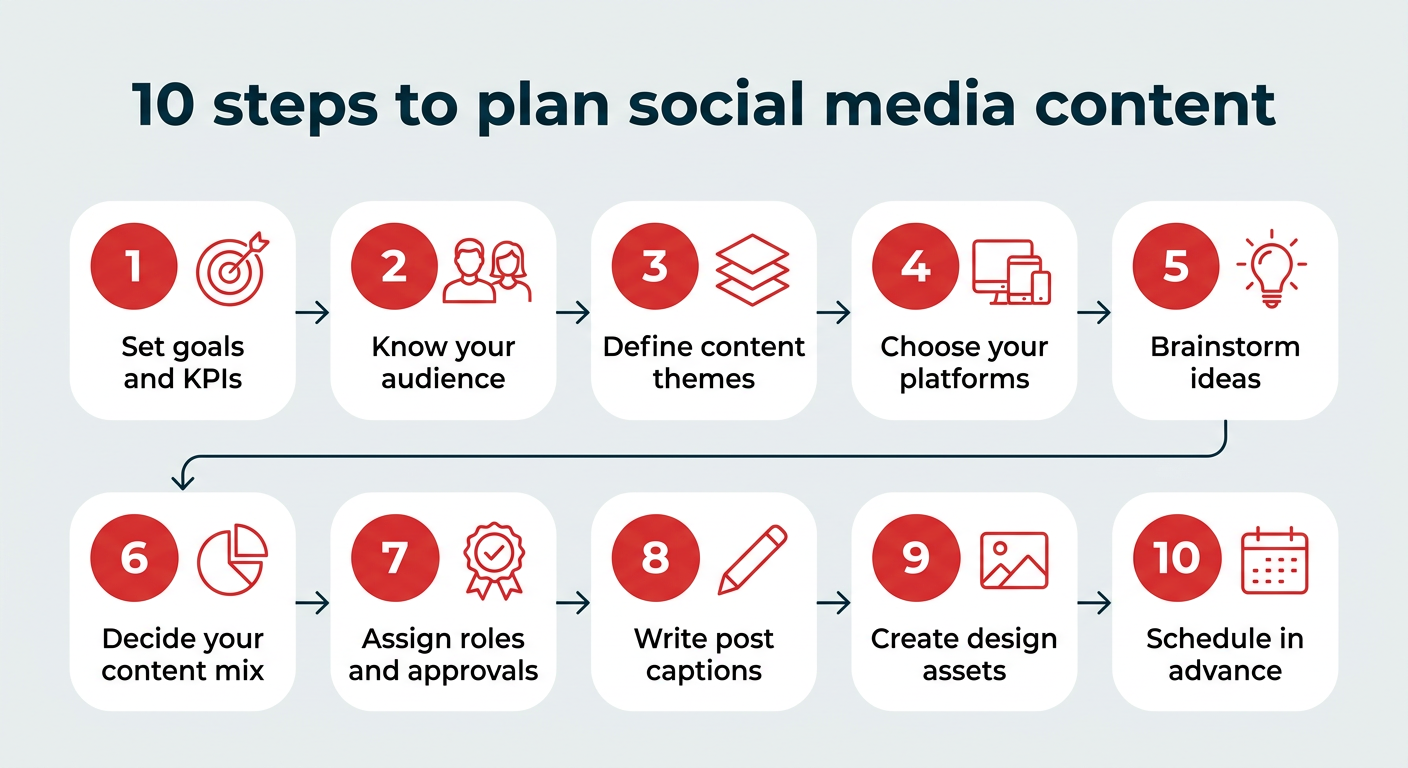
To construct a resilient and sustainable social media content operation, marketing leaders must implement a rigorous, step-by-step methodology.

Step 1: Establishing Clear Goals and Key Performance Indicators
Every successful content strategy begins by defining precise objectives. Common targets include boosting brand awareness, driving website traffic, generating qualified leads, or fostering community engagement. To make these aspirations actionable, teams must attach specific Key Performance Indicators (KPIs). For instance, transitioning a vague objective like "grow our audience" into a measurable target such as "increase monthly video impressions by 20% in the second quarter" gives teams a concrete benchmark against which to plan. Industry experts recommend focusing on no more than two or three core goals per quarter to maintain strategic clarity.
Step 2: Conducting Rigorous Audience Research
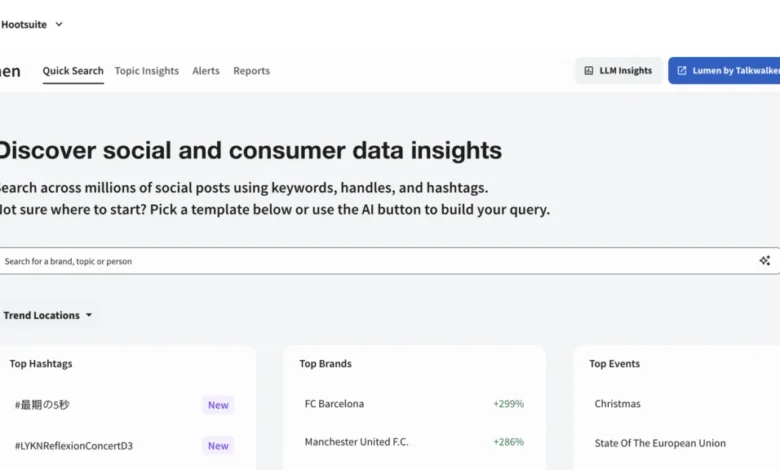
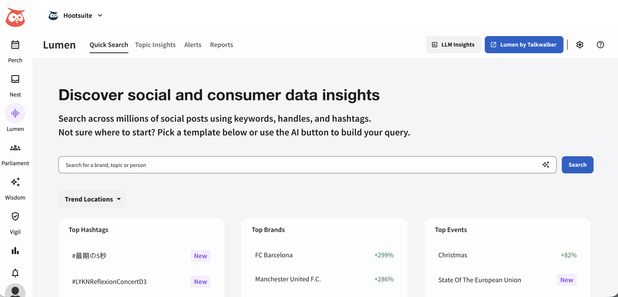
Effective content must be grounded in the verified preferences and behaviors of the target audience rather than internal assumptions. Leveraging first-party platform analytics alongside sophisticated social listening strategies allows organizations to track unprompted brand conversations, identify prevailing consumer pain points, and discover the exact vernacular utilized by their demographic. Documenting these insights in a centralized repository ensures that valuable audience data scales effectively across the entire marketing department.

Step 3: Defining Core Content Themes and Pillars
Content pillars serve as the structural guardrails for a brand’s digital presence. These thematic buckets should directly support broader marketing objectives and dictate the boundaries of what is published. If a proposed post fails to align with an established content theme, it is typically excluded from the rotation, ensuring that the brand narrative remains focused and cohesive.
Step 4: Prioritizing Platform Selection
Spreading resources thinly across every available social network is a primary cause of campaign failure. Organizations must utilize their audience research and strategic goals to prioritize high-impact networks. Whether an enterprise focuses its primary efforts on LinkedIn for B2B engagement, TikTok for younger consumer acquisition, or Instagram for visual storytelling, setting a clear cadence per platform dictates downstream resource allocation, design requirements, and ideation volume.
Step 5: Brainstorming Systematic Campaign and Post Ideas
Relying on sudden bursts of inspiration is an unreliable method for filling a content calendar. High-performing organizations establish regular brainstorming sessions, dedicated internal communication channels, and cross-departmental idea pipelines. By anchoring brainstorming efforts in historical performance analytics, teams can identify past successes and replicate winning formats systematically.
Step 6: Curating a Balanced Content Mix
A healthy marketing plan maintains a strategic equilibrium between original asset creation and curated third-party content. While original materials establish thought leadership, curated content keeps channels active and authoritative without overtaxing internal creative teams. Many organizations utilize a foundational balance—such as 40 percent original content and 60 percent curated resources—while ensuring that format variety, including video, text, and imagery, is maintained to protect against algorithmic shifts.
Step 7: Assigning Ownership and Implementing Approval Workflows
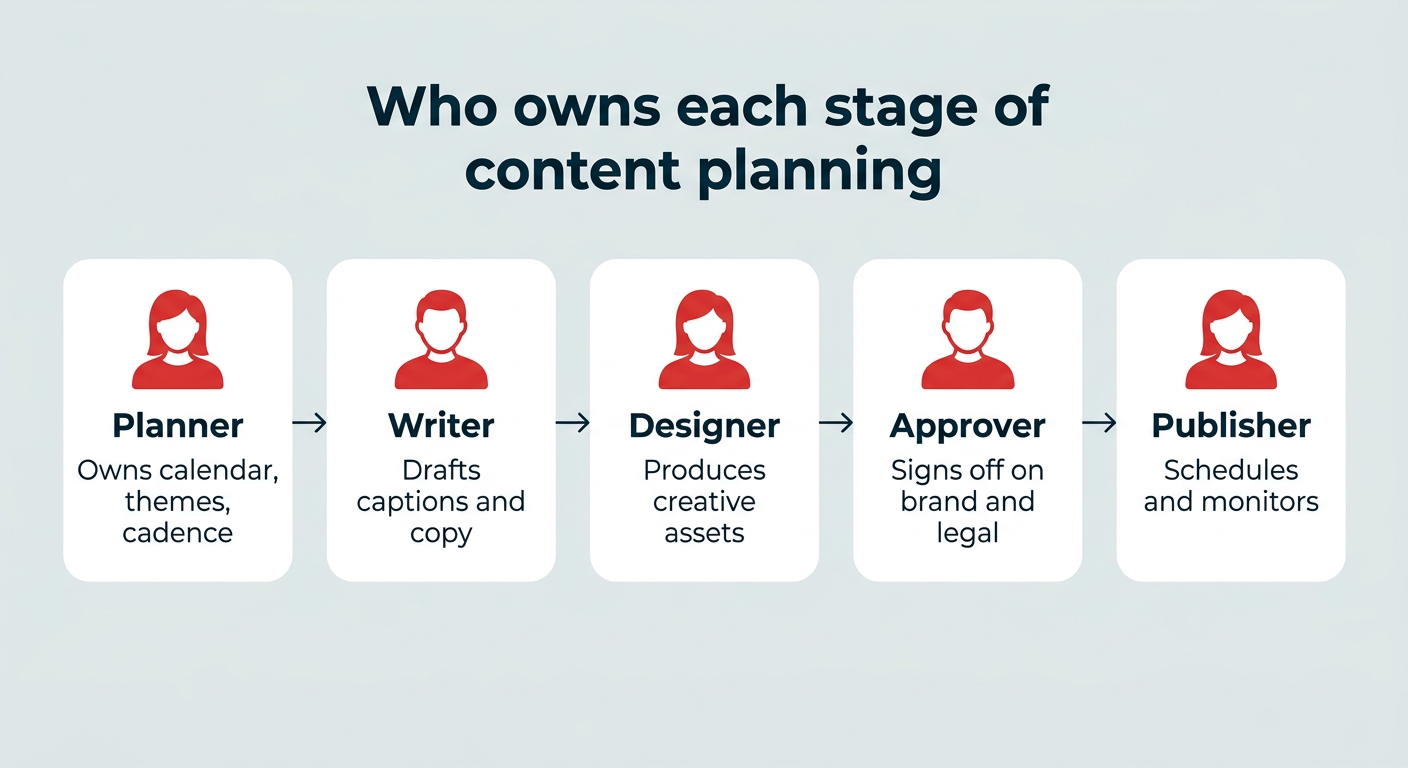
Ambiguous responsibilities routinely derail content schedules. High-functioning social teams explicitly assign ownership for each phase of the pipeline, designating clear leads for planning, writing, design, approval, and publishing. In heavily regulated sectors such as financial services, healthcare, and pharmaceuticals, integrating compliance and legal reviews directly into the timeline is vital to mitigate brand risk and legal exposure. Implementing structured governance layers ensures that institutional rules and account permissions remain strictly enforced across all regions and accounts.
Step 8: Drafting Precise Post Captions
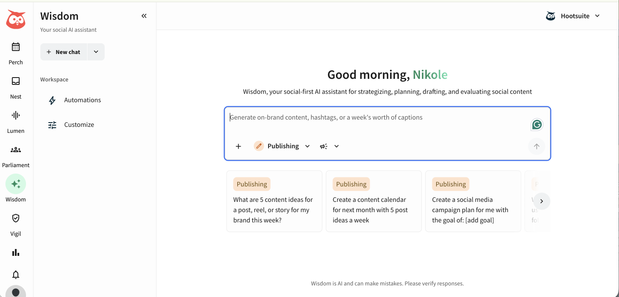
Writing copy prior to initiating design assets yields significant operational advantages. Drafting captions in advance allows copywriters to establish clear messaging hooks, integrate necessary keywords, and determine character counts without being influenced by visual elements. The integration of advanced artificial intelligence writing assistants has increasingly accelerated this phase, allowing content creators to rapidly generate draft angles, optimize hashtags, and refine messaging tone before final human editorial review.
Step 9: Producing and Securing Design Assets
Visual presentation dictates whether digital content captures user attention in crowded feeds. Establishing explicit production timelines for graphic design, photography, and video editing prevents the creative bottlenecks that frequently stall publishing schedules. Unified planning platforms allow cross-functional teams to visualize upcoming asset requirements, track production status, and execute multi-channel campaigns seamlessly.
Step 10: Advanced Scheduling and Timing Optimization
Publishing consistently is important, but timing deployment to coincide with peak audience activity is critical for maximizing reach. Utilizing sophisticated publishing tools equipped with predictive analytics allows brands to automatically determine optimal posting times across diverse networks such as Facebook, Instagram, LinkedIn, and TikTok. Batch-scheduling capabilities enable marketing departments to queue hundreds of posts in advance, freeing up internal teams to focus on community engagement and real-time interaction.
Measurement, Analysis, and Continuous Improvement
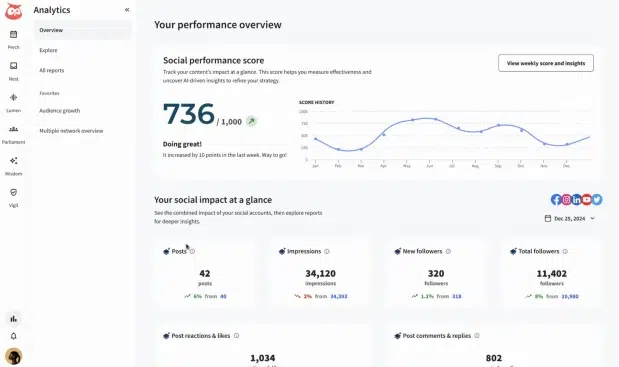
A content plan that is never audited remains nothing more than a static publication schedule. To drive continuous improvement, marketing teams must systematically measure performance against established KPIs using a disciplined review cadence.
A light weekly review enables teams to monitor immediate engagement trends and substitute timely content where appropriate. A comprehensive monthly audit reveals broader patterns across specific content themes and visual formats, while quarterly reviews provide the ideal juncture to re-evaluate overarching goals, platform mixes, and posting cadences. By closing the feedback loop—allocating more calendar space to high-performing content formats and pruning underperforming themes—organizations transform raw analytics into actionable intelligence that enhances future strategic execution.
The Integration of Artificial Intelligence in Contemporary Content Planning
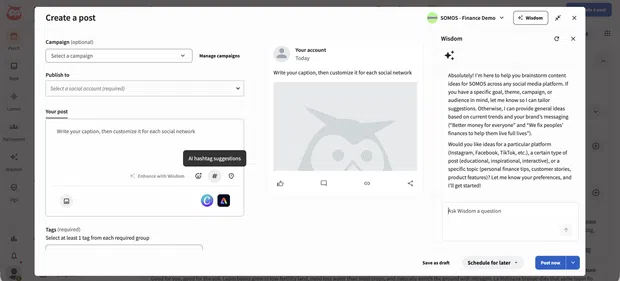
The integration of generative artificial intelligence into modern digital marketing has fundamentally altered how organizations approach research, drafting, and scheduling. Rather than replacing human strategic judgment, AI functions as a powerful operational accelerator that compresses hours of manual labor into streamlined workflows.
Industry data underscores the distinction between exploration and execution. While a significant majority of marketing professionals actively explore generative AI tools, only a fraction report realizing substantial enterprise-wide benefits, primarily due to challenges in training models on proprietary brand guidelines and maintaining rigorous quality control. Consequently, leading organizations treat AI outputs as initial drafts that require rigorous human editorial oversight, brand alignment checks, and compliance reviews prior to publication.
Selecting the Right Tools and Infrastructure
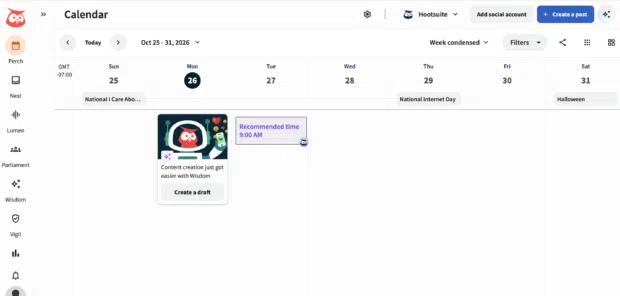
The evolution of digital marketing has driven a clear industry preference for comprehensive operational suites over fragmented, single-function point solutions. Organizations evaluating content planning infrastructure increasingly look for platforms that unify multi-platform scheduling, collaborative calendar visualization, advanced performance analytics, social listening capabilities, AI-assisted content generation, and enterprise-grade governance controls into a single connected workspace. By consolidating these disparate workflows, marketing leaders can eliminate costly handoffs, protect brand integrity, and scale their digital operations efficiently across global markets.