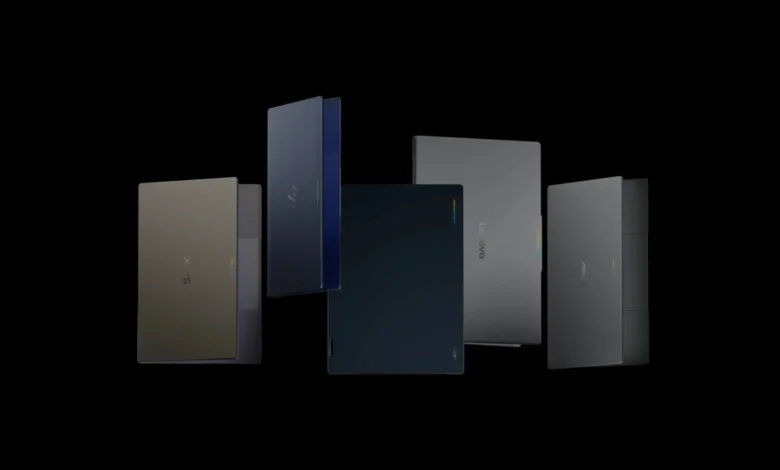
At the Android Dev Summit 2026, held earlier this week, Google executives solidified the company’s roadmap for its burgeoning Googlebook operating system. While the current market has been defined by the initial rollout of five core devices—primarily traditional laptops—the company confirmed that the next evolution of the platform will focus on detachable hardware. This pivot signals a strategic effort to bridge the gap between high-performance desktop productivity and the portable convenience of tablet computing, positioning Googlebook as a formidable competitor in the versatile mobile workstation market.
The Evolution of the Googlebook Form Factor
The announcement, delivered during the developer keynote on Wednesday, serves as a formal acknowledgement of the direction the ecosystem is taking. Industry analysts have tracked the development of Googlebook since its inception, noting that the platform was designed from the ground up to scale across various screen sizes. During the summit, Google representatives emphasized that the operating system is architected to be "form-factor agnostic," meaning the software environment remains consistent whether the user is interacting with a 15-inch clamshell laptop or a compact, detachable tablet.
This revelation follows months of industry speculation and hardware leaks. In July 2026, internal documents and supply chain reports hinted at a Lenovo-manufactured device featuring a detachable keyboard and an integrated kickstand. The leaked specifications also referenced a unique "Glowbar" hardware feature situated adjacent to the camera module, which is rumored to serve as an indicator for notifications or system status. By confirming that detachables are officially on the horizon, Google is validating these earlier reports and providing a clearer timeline for hardware partners and developers alike.
Current Market Standing and Device Landscape
The current Googlebook lineup is dominated by the clamshell form factor, which has served as the stable foundation for the platform’s initial public release. These devices are optimized for traditional productivity workflows, utilizing high-resolution displays and optimized hardware-software integration.
The Acer Googlebook 14, priced at $899, currently stands as the sole convertible model in the initial cohort. This device offers a 2-in-1 experience, allowing users to transition between laptop, tent, and tablet modes. However, the experience is not yet fully optimized for all orientations. While the OS supports full-screen applications in portrait tablet mode, the core system interface—including the desktop environment, the app tray, and the Overview window management system—remains strictly locked to a landscape orientation. This limitation highlights the work still required by Google’s engineering teams to ensure that the user interface can dynamically adapt to the physical orientation of a tablet-style device.

The transition to detachables is expected to resolve these UX bottlenecks. By decoupling the keyboard from the display, the hardware will necessitate a complete overhaul of the windowing and gesture-based navigation systems, pushing Googlebook closer to a true "tablet-first" user experience.
Chronology of the Googlebook Rollout
The trajectory of Googlebook has been defined by a rapid succession of announcements and hardware integrations:
- Early 2026: Initial rumors regarding a "Project Googlebook" surface, suggesting a new operating system designed to unify the high-end computing experience across different hardware tiers.
- July 2026: Significant leaks emerge regarding a Lenovo-branded detachable device, revealing plans for a kickstand-integrated chassis and unique notification hardware.
- October 2026: Google officially unveils the first wave of Googlebook devices at the Android Dev Summit, confirming the clamshell-heavy initial launch.
- Late 2026: Google confirms the development of detachable hardware, setting the stage for the next phase of the product lifecycle.
Technical Implications and Software Challenges
The shift to a detachable form factor introduces complex engineering challenges, primarily regarding how the operating system handles state transitions. When a keyboard is detached from a device, the OS must instantly adapt from a keyboard-and-mouse input paradigm to a touch-first interface. This requires sophisticated "context-awareness," where the system anticipates the user’s needs based on the hardware configuration.
Furthermore, the introduction of Googlebook OS to the tablet space raises critical questions about the future of high-end Android tablets. Historically, Android has served as the primary operating system for the tablet market. However, with the maturation of Googlebook, there is a clear distinction emerging: Android remains the preferred choice for media consumption and mobile-centric workflows, while Googlebook is being positioned as the platform for "pro-sumer" productivity. The potential for a "desktop-class" experience on a tablet form factor could disrupt the market segment currently occupied by premium tablets from competitors like Apple and Samsung.
Developer Ecosystem and Future Outlook
During the developer keynote, Google placed significant emphasis on the importance of "adaptive design." Developers are being encouraged to build applications that utilize flexible layout managers, ensuring that UI elements remain functional regardless of whether a user is using a keyboard, a stylus, or a touchscreen.
For the developer community, the move toward detachables is a double-edged sword. On one hand, it expands the addressable market for their applications. On the other, it mandates more rigorous testing across different input modalities. Google has promised to release updated developer kits and simulation tools to help streamline this process, ensuring that the transition to the detachable form factor is as seamless as possible.

Market Impact and Strategic Considerations
The strategic intent behind this push is clear: Google is seeking to capture the segment of the market that demands the portability of a tablet without sacrificing the power of a laptop. By utilizing the Googlebook brand to bridge this divide, the company is attempting to create a cohesive ecosystem that locks users into a unified experience across their entire suite of personal computing devices.
Industry analysts suggest that the success of these future detachable devices will depend heavily on the maturity of the software. If Google can successfully implement a fluid, touch-optimized desktop interface that doesn’t feel like a compromise, it could significantly alter the consumer perception of what a tablet can achieve. Conversely, if the software remains tethered to landscape-only constraints or suffers from poor performance during mode-switching, it may struggle to gain traction against established competitors who have had years to refine their "pro" tablet experiences.
Conclusion
As Google looks toward 2027 and beyond, the focus will undoubtedly shift from establishing the platform to refining its versatility. The upcoming launch of the Lenovo detachable will likely serve as the benchmark for this new form factor. If the hardware-software synergy proves effective, it will provide a blueprint for other manufacturers to follow, potentially leading to a wave of high-performance detachable Googlebook devices.
While the current clamshell-centric lineup has provided a stable entry point, the move toward detachables represents the true test of Google’s long-term vision for the operating system. By integrating the portability of a tablet with the robust architecture of a desktop-class OS, Google is aiming to redefine the standard for mobile productivity. Whether this will lead to the sunsetting of high-end Android tablets or a harmonious coexistence remains to be seen, but the clear consensus among developers and industry observers is that the platform is entering its most critical phase of growth. The upcoming months will be pivotal as the tech giant prepares to deliver hardware that matches the ambitious, cross-form-factor promise of the Googlebook ecosystem.