Apple HomeView software discrepancy highlights ongoing manufacturing and supply chain challenges for new smart home hub

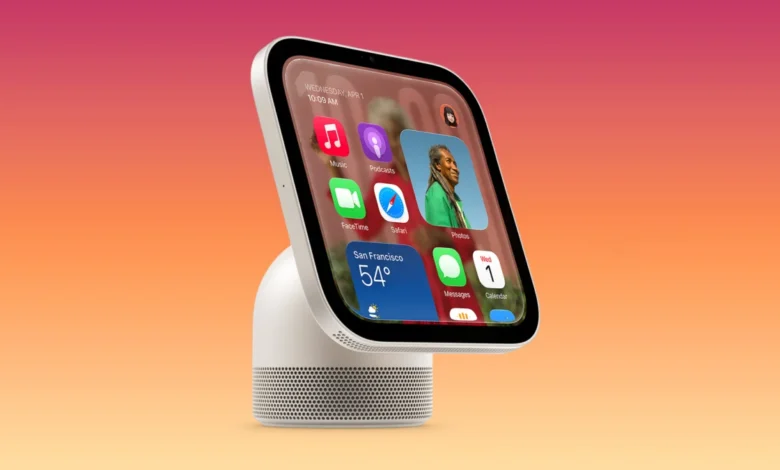
The upcoming launch of the Apple HomeView smart home hub, scheduled for retail availability on Friday, November 13, 2026, has been marked by technical complexities that underscore the product’s turbulent journey to market. According to documentation verified by AppleDB, units of the HomeView will arrive at customers’ homes pre-installed with HomeView Software version 26.5. This operating system iteration is now six months old, necessitating an immediate, mandatory over-the-air update to version 27.2 during the initial device setup process. This discrepancy serves as the latest piece of evidence confirming long-standing industry rumors regarding significant development delays and production bottlenecks that have plagued the project throughout 2026.
A Chronology of Delays and Development Hurdles
The path to the HomeView’s release has been anything but linear. Reports regarding a touch-enabled smart home hub from Apple began circulating in early 2026, with many analysts predicting a mid-year reveal. However, internal testing and software refinement requirements consistently pushed the timeline back. By late summer, supply chain leaks indicated that Apple was struggling to finalize the integration between the device’s hardware—a 7-inch Liquid Retina display—and the Siri AI engine.
The chronology of these events reveals a high-pressure environment at Apple’s Cupertino headquarters. In early October 2026, Bloomberg’s Mark Gurman provided a comprehensive leak outlining the device’s features just days before the official announcement. This information confirmed that Apple had abandoned the rumored "homeOS" branding in favor of the more conventional "HomeView software" nomenclature, mirroring the company’s naming convention for the HomePod. Following the official announcement on October 13, the market received confirmation that the product would arrive in November. The discovery that the hardware ships with a six-month-old software build suggests that the units currently entering the retail channel were likely manufactured or "frozen" in the factory months before the final software refinements were completed for public release.
Technical Specifications and the Software Gap
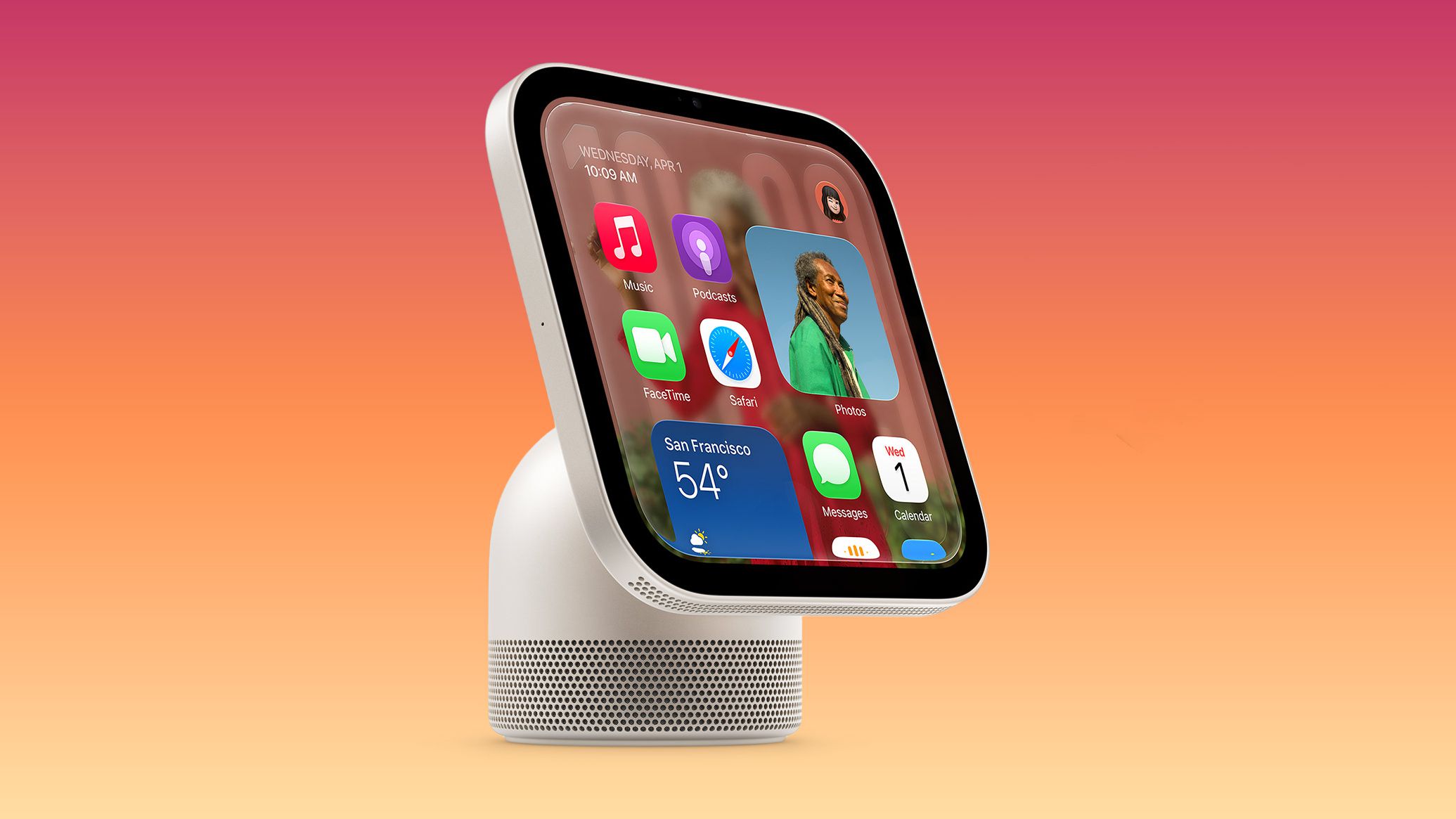
The HomeView represents a strategic pivot for Apple in the smart home category. Featuring a 7-inch Liquid Retina display, the device is designed as a centralized hub for HomeKit-enabled accessories. Its core differentiator, according to Senior Vice President of Worldwide Marketing Greg Joswiak, is the integration of advanced facial recognition technology that allows the interface to shift dynamically between a shared household view and a personalized user experience.
The reliance on version 26.5 out of the box creates a "day-one" friction point for consumers. In modern hardware releases, this is often a result of long lead times in global logistics. When a device is manufactured months in advance, the software image is committed to the flash storage at the factory. Any improvements, security patches, or bug fixes developed in the interim must be delivered via a software update. The fact that version 27.2 is required immediately implies that critical features or stability improvements—likely related to the new Siri AI engine or facial recognition protocols—were finalized well after the initial manufacturing run.
Market Context and Competitive Positioning
Apple’s entry into the smart display market places it in direct competition with established incumbents such as Amazon’s Echo Show and Google’s Nest Hub. Unlike its competitors, Apple has prioritized privacy and deep ecosystem integration. The decision to use a 7-inch display suggests a focus on desktop, bedside, and kitchen counter utility, where the device can act as a controller for lighting, climate, and security cameras.
Analysts tracking the smart home sector have noted that Apple’s strategy is heavily reliant on the "Welcome home" experience. By utilizing Siri AI, the HomeView is intended to act as the "brain" of the home. However, the software versioning issue raises questions about the maturity of this AI at launch. If the hardware is ready but the software is trailing behind, users might experience inconsistent performance during the first few weeks of operation. This is a common phenomenon in the tech industry, often referred to as "Day Zero" patching, but it is less common for a company with Apple’s reputation for vertical integration and seamless user experiences.
Implications for the Home Ecosystem
The decision to discard the "homeOS" brand name in favor of "HomeView software" is indicative of a broader strategy to simplify the consumer’s mental model of Apple’s product lines. By grouping the device under the HomeView umbrella, Apple avoids fragmenting its operating system portfolio further. However, this also signals that the company is not yet ready to treat its smart home platform as a standalone ecosystem on par with iOS, iPadOS, or macOS.
From a supply chain perspective, the reliance on older software indicates that Apple had to make a difficult choice between delaying the launch further or shipping with an outdated OS and forcing an update. Given the seasonal importance of the November launch window—which aligns with the lead-up to the holiday shopping season—it is clear that the company opted for the latter. While an over-the-air update is standard practice, the six-month gap between the factory build and the current release is substantial, suggesting that the final months of the project were defined by a "sprint" to reach functional parity with Apple’s internal standards.
Official Stance and Consumer Impact
While Apple has not provided a formal statement regarding the software versioning, the company’s standard protocol is to ensure that the "out-of-box" experience is mitigated by high-speed Wi-Fi updates during setup. For the average consumer, this will likely manifest as a 10-to-20-minute update screen during the initial configuration.
Industry experts suggest that this does not necessarily indicate a flawed product, but rather a compressed development cycle. The HomeView is a complex piece of hardware requiring tight synchronization between hardware sensors, the local processor, and cloud-based AI services. The fact that the device was tested extensively throughout September and October suggests that the software version 27.2 is the product of these final, intensive testing phases.
Looking Ahead: The Future of HomeView
As the November 13 launch approaches, the attention of the tech community will shift from the software version to real-world performance. The HomeView’s success will likely depend on whether the facial recognition and Siri AI integrations function as advertised without significant latency.
If the device performs well, the software versioning discrepancy will be relegated to a footnote in the product’s history. If, however, early users encounter bugs or connectivity issues, critics may point to the six-month software gap as evidence of a rushed product cycle. Regardless, the HomeView marks a significant expansion for Apple, and the company’s ability to manage the transition from this initial launch to a more mature, stable software environment will be the true test of the platform’s longevity.
For consumers, the advice remains clear: ensure a stable internet connection is available during the setup process. The necessity of updating to version 27.2 is not merely an optional patch; it is an essential component of the device’s functional integrity. As Apple continues to iterate on its smart home strategy, the HomeView will undoubtedly serve as the primary laboratory for the company’s future efforts in home automation, artificial intelligence, and user-centric hardware design. Whether it becomes the standard for the modern home remains to be seen, but the industry is watching closely to see if Apple can overcome the production hurdles that have defined the early life of this new, ambitious hub.