Nintendo games are now running natively on the Apple TV 4K thanks to an AI-assisted porting project.

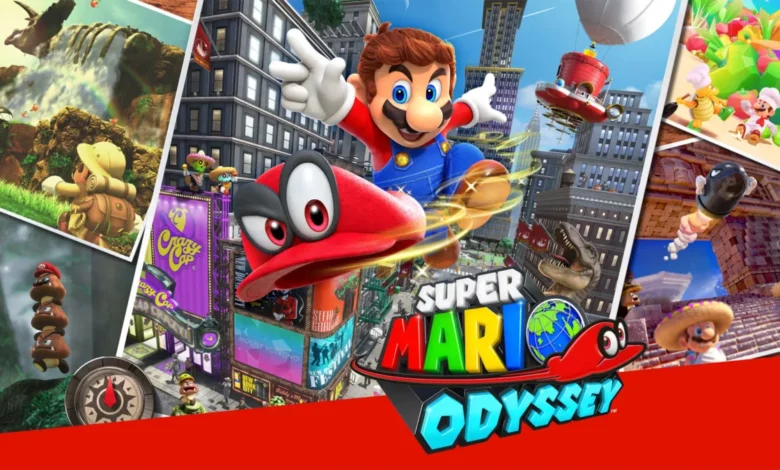
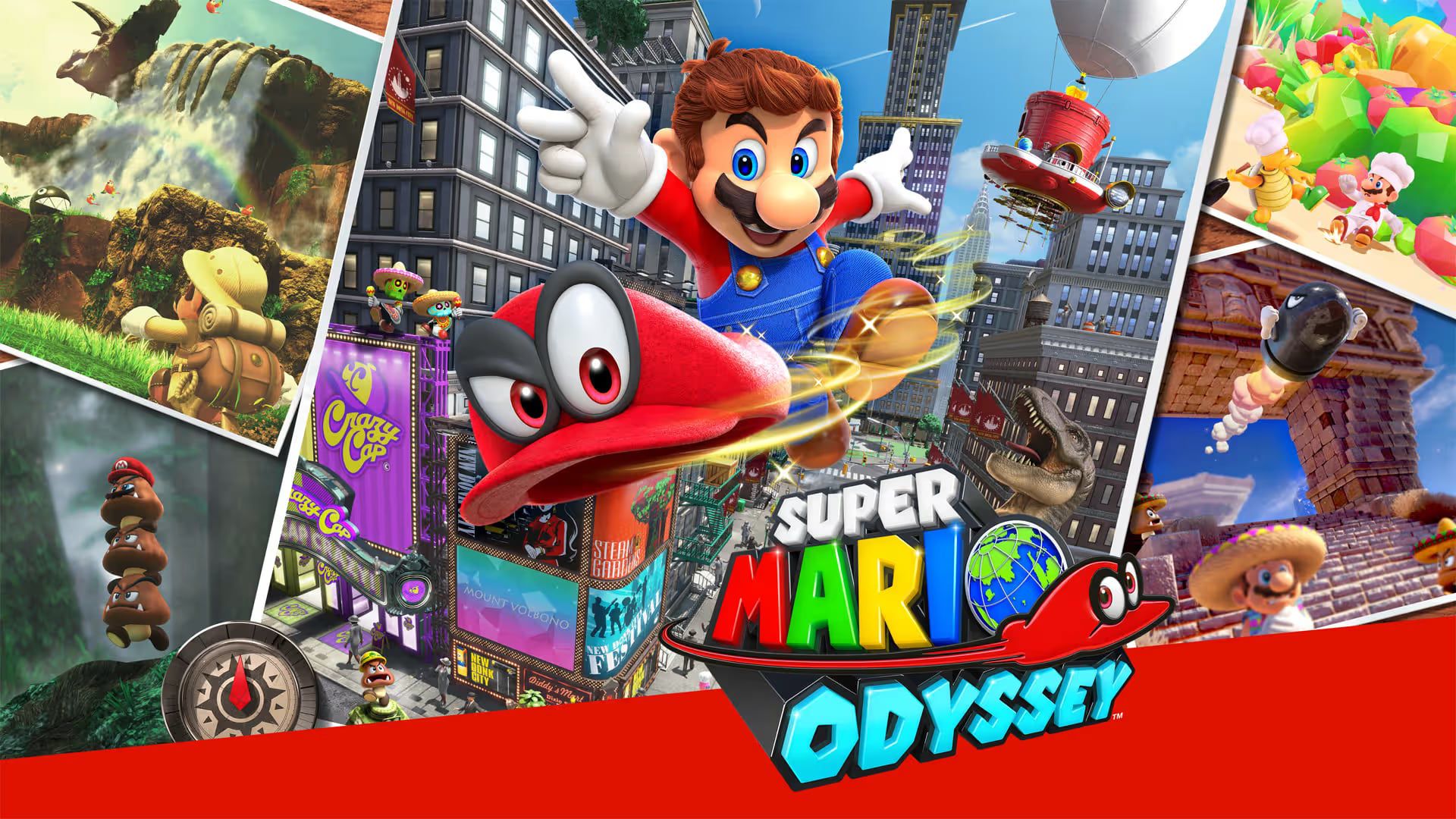
The landscape of video game preservation and cross-platform compatibility shifted significantly this week as an open-source project titled TVPort demonstrated the ability to execute Nintendo Switch software natively on Apple’s hardware. The project, spearheaded by a developer under the pseudonym "FloatingFalafel," leverages advanced artificial intelligence models to recompile game code, allowing titles like Super Mario Odyssey and Animal Crossing: New Horizons to function on the Apple TV 4K without traditional emulation.
The Technical Foundation of TVPort
TVPort operates as a specialized fork of the existing nxnative toolkit, a framework designed to bridge the gap between the Nintendo Switch architecture and other hardware environments. The critical innovation introduced by FloatingFalafel is the integration of Claude Opus 5.5, an AI model that assists in the complex process of recompiling game binary files. By utilizing a Mac to process the game data through this AI-assisted pipeline, the user can effectively translate the proprietary instructions of the Nintendo Switch into a format compatible with the tvOS environment.
According to the initial reports and documentation released on GitHub, the performance benchmarks are notable for a non-official port. Super Mario Odyssey has been reported to maintain a stable 60 frames per second (fps), while the more relaxed Animal Crossing: New Horizons runs at 30 fps. These figures are particularly impressive given that the Apple TV 4K is not a device designed for gaming in the traditional sense, but rather a media consumption hub that has only recently begun to see its hardware capabilities expanded through the inclusion of more powerful mobile-derived silicon.
Chronology of Modern Game Porting and Emulation
The release of TVPort arrives at a time of heightened activity in the game preservation and modding community. The history of unofficial ports and emulation has evolved from simple pixel-perfect recreations to complex, automated recompilation efforts.
- 2024: Nintendo successfully filed a high-profile lawsuit against the team behind the Yuzu emulator. The resulting $2.4 million settlement and the subsequent shutdown of Yuzu set a legal precedent, signaling Nintendo’s aggressive stance against any technology that facilitates the playing of their copyrighted titles on unauthorized hardware.
- Early 2026: Developments in AI-assisted code translation began to surface, with hobbyist developers experimenting with LLMs to interpret and rewrite game engine instructions.
- October 2026: Apple announced the fourth-generation Apple TV 4K, powered by the A19 chip. This hardware refresh promised a 50% increase in CPU performance and significant improvements in AI-driven processing, setting the stage for more intensive software to be ported to the device.
- November 4, 2026: FloatingFalafel releases the TVPort project, demonstrating the viability of native execution on the third-generation Apple TV 4K.
Hardware Limitations and Future Scalability
The current iteration of TVPort is limited by the thermal and processing constraints of existing hardware. FloatingFalafel has noted that while lighter titles perform well, more graphically and computationally demanding games—such as The Legend of Zelda: Tears of the Kingdom—frequently trigger thermal throttling on the third-generation Apple TV 4K.
However, the hardware landscape is poised to change on November 13, 2026, with the commercial launch of the fourth-generation Apple TV 4K. Equipped with the A19 Bionic chip and improved thermal management, this new model is expected to provide the necessary overhead to run complex titles that previously exceeded the capabilities of the Apple TV ecosystem. Industry analysts suggest that if the A19 chip delivers on its performance promises, it may turn the Apple TV 4K into a viable "micro-console" for high-end gaming, provided the software support—official or otherwise—continues to materialize.
The Legal and Ethical Friction
The release of TVPort has immediately reignited the debate surrounding digital ownership and intellectual property rights. Nintendo’s corporate policy has long been to guard its software library with extreme vigilance. The company maintains that its intellectual property is inextricably linked to its proprietary hardware, and any effort to decouple the two is viewed as a violation of their terms of service and copyright protections.
Users interested in testing TVPort must be aware that the software does not include game files. To function, the user must possess a legitimate, legally purchased copy of the Nintendo game and extract the data from their own modified Nintendo Switch console. This "bring your own files" requirement is a common strategy in the modding community to avoid distributing copyrighted assets directly, though it does not provide legal immunity against Nintendo’s litigious approach to enforcement.
Broader Implications for the Gaming Industry
The emergence of TVPort represents a shift from "emulation"—which mimics hardware—to "recompilation"—which adapts software. Emulators like Yuzu were designed to translate Switch instructions in real-time, which is computationally expensive and prone to performance bottlenecks. Recompilation, as utilized by TVPort, involves changing the game’s binary code so that it can run directly on the Apple TV’s architecture. This is significantly more efficient and potentially creates a higher quality user experience.
From a broader perspective, this project highlights the untapped potential of high-end mobile processors. As Apple continues to unify its hardware ecosystem, the distinction between a smartphone, a tablet, and a television-connected console continues to blur. If third-party developers can harness the power of Apple’s silicon to run games originally designed for dedicated consoles, the traditional console market may face new competition from hardware platforms that were previously considered "casual" gaming devices.
Industry Response and Market Outlook
While Nintendo has not issued a formal statement regarding TVPort specifically, the company’s past actions provide a clear roadmap for their likely response. Following the Yuzu litigation, it is widely anticipated that Nintendo’s legal department will issue a DMCA takedown notice to GitHub to have the TVPort repository removed.
However, in the world of open-source development, code once released is difficult to fully suppress. Even if the primary repository is removed, the knowledge gained from the project will likely persist in decentralized networks, potentially leading to further refinements of the porting technology.
For the consumer, the situation remains a precarious one. While the ability to play Super Mario Odyssey on a larger screen via an Apple TV is a significant technical achievement for the modding community, it is one that exists in a legal gray area. As the fourth-generation Apple TV 4K prepares to hit shelves, all eyes will be on whether Apple decides to intervene, or if they will remain a neutral platform provider while Nintendo fights to maintain its walled garden.
Conclusion
The arrival of TVPort is a testament to the speed at which AI is changing the landscape of software development. What was once the domain of specialized engineers—porting games between disparate architectures—is now increasingly accessible through automated tooling. Whether this leads to a new era of cross-platform gaming or simply another legal battle in the ongoing war over digital rights remains to be seen. For now, the experiment serves as a powerful reminder of how modern hardware, when paired with clever software engineering, can bridge the gap between competing ecosystems, challenging the long-held assumption that console exclusives are permanently bound to their native hardware.