The Rise of ‘I Remember When You Were Little’: How an AI-Generated Among Us Song Became a Global Viral Phenomenon

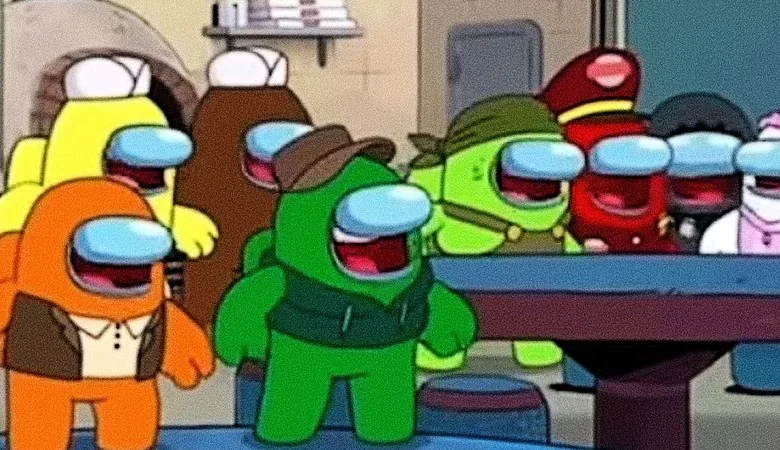
The digital landscape of late 2026 has witnessed yet another bizarre intersection of artificial intelligence, internet subcultures, and viral meme culture. The latest auditory and visual earworm to sweep platforms like TikTok and YouTube is an AI-generated musical creation colloquially known as "I Remember When You Were Little, Little, Little, Little" or "I Remember When You Was Lil." Derived from a computer-generated video featuring characters from the popular social deduction game and television adaptation Among Us, the track features an orange crewmate marching into a room and repeatedly singing the phrase "little" with hypnotic monotony.
What began as an obscure, procedurally generated clip posted by a now-deleted TikTok account in September 2026 has rapidly morphed into an international multi-platform trend. Amassing millions of views, inspiring diverse remixes, linguistic adaptations, and earning a distinct categorization within the internet’s ever-expanding "brainrot" lexicon, the phenomenon offers a compelling case study in modern algorithmic virality. This report examines the origins, chronology, spread, and broader implications of the "I Remember When You Were Little" internet meme.
Main Facts and Origins of the Trend
The genesis of the phenomenon dates back to late September 2026. On or around September 27, a TikTok user operating under the handle @fitztheamongus published a short video clip. The content was generated entirely through artificial intelligence tools, a burgeoning medium that has increasingly flooded social media feeds with surreal, uncanny-valley animations.
In the original video, recognizable characters from the Among Us universe—specifically crewmates styled in familiar spacesuits—are depicted in a domestic or institutional room. The focal point of the clip is an orange crewmate who marches purposefully into the space and begins to sing a surreal, repetitive lyric: "I remember when you were little, little, little, little," dragging out and reiterating the diminutive adjective multiple times in a cadence that is simultaneously grating and mesmerizing.
The surreal nature of the content immediately caught the attention of algorithmic curation and niche digital communities. On the very day of its release, the video was captured and reposted to the Reddit community /r/AIslop, a forum dedicated to archiving, mocking, or analyzing bizarre, low-effort, or unsettling AI-generated media. However, rather than fading into obscurity as a piece of generic algorithmic waste, the clip contained the precise ingredients necessary for internet subcultures to repurpose it into humor: absurd repetition, recognizable source material, and a distinct lack of contextual logic.
Chronology of Spread and Platform Adaptation
The transition of the Among Us AI clip from a piece of isolated internet oddity to a widespread cultural meme followed a rapid, multi-week timeline throughout October and early November 2026.
The earliest known application of the clip within a traditional meme format emerged on October 3, 2026. TikTok user @_cbbc took the original video and paired it with a relatable, albeit hyper-specific, text caption: "What random people you’ve never seen before tell you at the family reunion." This framing struck a chord with viewers, connecting the bizarre, uninvited intrusion of the orange crewmate to the universally awkward social experiences of encountering distant, overly familiar relatives who insist on commenting on one’s physical growth over the years. The post successfully garnered over 41,000 views within its first month, establishing a narrative template for subsequent creators.
The momentum escalated significantly on October 11, 2026, marking a pivotal day for the meme’s distribution across multiple platforms. Another TikTok user, @0koraiya0, published a variation of the family reunion meme format. This iteration resonated even more widely with audiences, pulling in upwards of 985,000 views in a single month.
Simultaneously, the audio-visual asset began to detach from its original framing, branching out into distinct edits and musical variations. On the same day, a YouTube channel titled Ultimate Shorts Memes uploaded the full-length version of the song and accompanying video, accumulating over 30,000 views. Concurrently, foreign and alternative content creators began manipulating the audio parameters of the track. A prominent example was posted by YouTuber Timitimibãr wartek 3, who shared a slowed-down, reverberated version of the song. The atmospheric, chopped-and-screwed aesthetic of this remix appealed to internet humor sensibilities, generating over 33,000 views on YouTube.
The slowed-down iteration experienced even greater traction when reposted to TikTok on October 11 by the same creator, rapidly surging past 1.8 million views within a month. This viral breakout demonstrated the critical role that audio tracks play in TikTok’s algorithmic ecosystem, where users frequently adopt, layer, and remix trending sounds independently of the original video context.
Cross-Cultural Adaptations and Crossover Remixes
As the trend matured into the latter half of October and early November 2026, creators began integrating the audio and visual elements into more complex, multi-layered meme formats. These later developments highlighted the internet’s tendency toward pastiche and cross-pollination of disparate fandoms.
On October 27, 2026, TikTok user @chasediaz69 published a high-engagement remix that spliced the audio of the "little, little, little" song with dramatic visual sequences from the iconic anime and manga franchise JoJo’s Bizarre Adventure. The stark juxtaposition between the deadpan, repetitive AI-generated audio and the high-octane, stylized action of JoJo’s Bizarre Adventure resonated deeply with anime-centric meme circles, driving the post past 1.2 million views within a single week.
The global reach of the trend was further underscored on November 2, 2026, when Russian TikToker @npnrofls posted an adaptation featuring a human translation and vocal performance of the song in Russian. This localized version proved that the core comedic and hypnotic value of the track transcended language barriers, garnering over 144,000 views in just 48 hours and inspiring localized derivative content within the Russian-speaking digital space.
Supporting Data and Quantitative Engagement Metrics
While comprehensive academic or market research reports have yet to be published regarding this specific micro-trend, platform analytics illustrate the velocity and scale of modern AI-driven internet phenomena. Key metrics associated with the "I Remember When You Were Little" trend include:
- Initial Outbreak (Late September 2026): The foundational video originated on a TikTok account (@fitztheamongus) that has since been deleted, a common trajectory for accounts that trigger sudden copyright scrutiny, platform enforcement, or coordinated reporting.
- Milestone View Counts: Individual meme iterations crossing the platform threshold regularly achieved high engagement within tight windows—ranging from 41,000 views for early narrative adaptations to over 1.8 million views for manipulated audio tracks on TikTok within a 30-day monitoring period.
- Cross-Platform Migration: The content successfully traversed at least three major digital ecosystems—TikTok, Reddit (via /r/AIslop), and YouTube Shorts—demonstrating how modern memes rely on cyclical cross-posting to sustain momentum.
Broader Impact and Implications of AI-Generated Memes
The rapid rise and cultural saturation of the "I Remember When You Were Little" meme offer valuable insights into the changing nature of internet culture, content creation, and the integration of artificial intelligence into everyday media consumption.
Historically, viral internet memes relied on human-generated content—home videos, television broadcast clips, cinematic slip-ups, or original physical performances. However, the emergence of trends like the Among Us singing crewmate highlights a paradigm shift toward "AI-native" humor. In these scenarios, artificial intelligence tools are used not merely to assist in professional production, but to generate deliberately surreal, uncanny, and low-friction content that human creators then hijack, remix, and weaponize for comedic purposes.
This trend sits comfortably within the broader cultural category known as "brainrot"—a term used by younger internet generations to describe hyper-surreal, fast-paced, repetitive, and nonsensical digital media that consumes significant portions of online attention. Critics and cultural commentators often point to brainrot content as evidence of declining attention spans or the trivialization of media. Conversely, sociologists and digital media analysts argue that these trends represent a sophisticated form of postmodern folklore. Through rapid iteration, translation, and remixing (such as the Russian language covers and the JoJo’s Bizarre Adventure crossovers), internet communities actively deconstruct and reassemble algorithmic output, transforming cold, corporate, or automated media into communal inside jokes.
Furthermore, the deletion of the original creator’s account (@fitztheamongus) underscores the precarious legal and platform status of AI-generated content that leverages established intellectual property. Among Us, developed by Innersloth, is a globally recognized gaming property with established brand guidelines. While fan art and derivative media are generally tolerated or embraced within gaming communities, the automated, high-volume churn of AI-generated video assets utilizing recognizable character designs operates in a regulatory grey area. Despite the original creator’s departure from the platform, the meme had already achieved escape velocity, disseminated by secondary uploaders and independent remixers who ensured its survival across global feeds.
Conclusion
The phenomenon of "I Remember When You Were Little, Little, Little, Little" encapsulates the eccentricities of the 2026 digital media ecosystem. What began as a throwaway AI-generated animation of an Among Us crewmate evolved into an international viral sensation through a collaborative, decentralized process of memetic engineering. By bridging generational humor, cross-cultural translation, and multi-platform remix culture, the trend demonstrates that even the most synthetic and automated outputs of artificial intelligence can be repurposed by human creativity to forge a shared, albeit bewildering, global cultural moment. As generative AI tools continue to evolve and saturate the digital sphere, the trajectory of this meme suggests that future internet folklore will increasingly rely on the chaotic interplay between automated machine generation and human participatory culture.