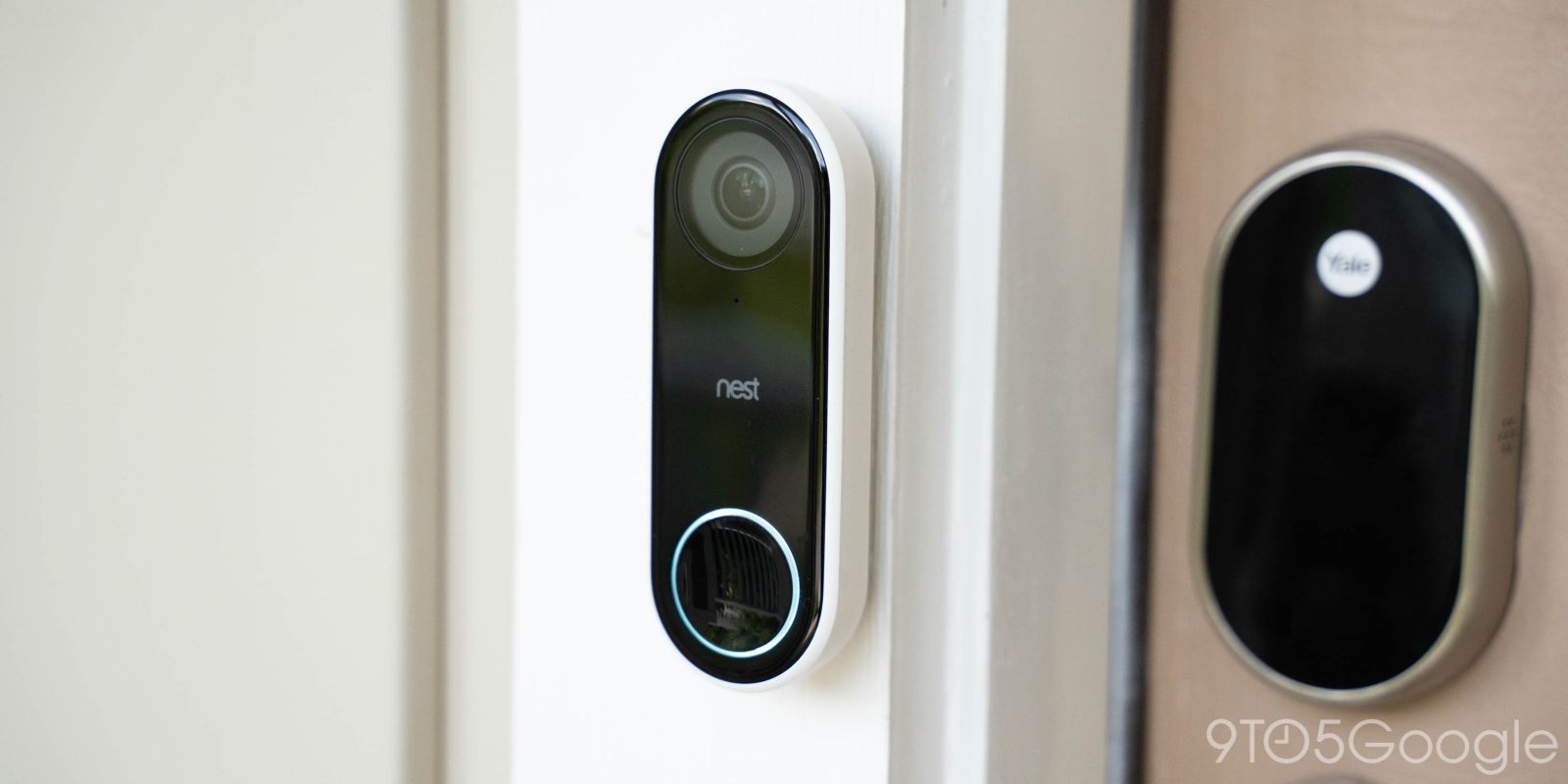
Google Nest Hello doorbell users report widespread live video feed failures as the company remains silent on a potential fix.

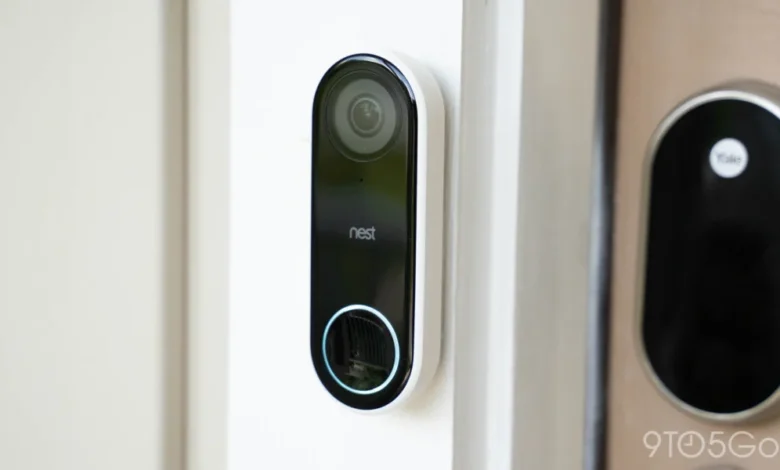
The Google Nest ecosystem, a cornerstone of the modern smart home, is currently facing a significant stability crisis. Owners of the original Nest Doorbell, colloquially known as the "Nest Hello," are reporting that the live video feed functionality within the Google Home app has become entirely non-functional. This technical failure has left a substantial portion of the company’s user base without the ability to remotely monitor their doorsteps, effectively rendering one of the device’s primary security features useless. While the issue is most prevalent among first-generation wired doorbell users, scattered reports suggest that some older Nest cameras are experiencing similar connectivity interruptions.
The Scope of the Outage
The current disruption appears to have intensified over the past week, according to a surge in activity across Reddit forums and official Google Nest support pages. Users are describing a consistent pattern: while the Google Home app may successfully load the doorbell’s interface, the actual video stream fails to initialize, often resulting in a static screen, a loading spinner that persists indefinitely, or a generic error message indicating that the camera is "offline" or "unreachable."
Curiously, the malfunction is selective. Many users report that while the live feed is broken, the backend notification system remains operational. When a visitor presses the doorbell, the signal is still transmitted to Nest Hub displays and mobile devices, and the corresponding audio alerts still function. This discrepancy suggests that the issue lies specifically with the video streaming pipeline rather than a complete failure of the device’s connectivity to the cloud.
A Timeline of Recent Disruptions
The timeline of this event traces back to late October 2026, a period that coincides with a series of firmware updates pushed by Google to its legacy Nest hardware. On or around October 30, 2026, Google initiated a deployment of software patches intended to maintain compatibility and security for its older product line. Shortly thereafter, the first wave of user reports began to surface on social media platforms.
By early November, the volume of complaints on the Google Nest Help Community had grown from isolated incidents into a consolidated stream of reports. By the second week of November, the problem had evolved into a widespread technical outage, with dozens of unique threads documenting the same failure across various mobile operating systems, including both iOS and Android. Despite the accumulation of evidence and the clear correlation between the late October firmware updates and the loss of functionality, Google has yet to issue a formal service advisory or acknowledge the existence of a bug.
Technical Speculation and Potential Causes
Within the community of affected users, a prevailing theory has emerged regarding the root cause of the failure: the transition to WebRTC (Web Real-Time Communication). WebRTC is a standard that allows for low-latency streaming between browsers and applications. Google has been systematically migrating its various Nest products to this protocol to improve performance and integration across its ecosystem.
Some advanced users have attempted to troubleshoot the issue by manually adjusting settings related to WebRTC handshakes or network port forwarding. However, these anecdotal workarounds have proven to be inconsistent at best, failing to restore functionality for the vast majority of those affected. The difficulty in finding a reliable solution suggests that the problem is not a simple configuration error on the user’s end, but rather a deeper incompatibility between the legacy hardware’s firmware and the updated cloud-based infrastructure now utilized by the Google Home app.
Broader Implications for the Smart Home Industry
The situation with the first-gen Nest Doorbell highlights a critical tension in the smart home industry: the lifecycle of hardware versus the evolution of software. When consumers purchase high-end security hardware, they generally expect a multi-year service life. However, as manufacturers like Google migrate their backend infrastructure to newer standards, older devices—even those that are technically sound—often require complex software "shims" to remain operational.
When these updates fail, the resulting loss of functionality creates a "planned obsolescence" narrative, even if the intent was merely to modernize the backend. This creates a significant burden on the brand’s reputation. For users who invested in a premium product years ago, the inability to view their own camera feed represents a breach of the implicit contract between the manufacturer and the consumer. Furthermore, because these devices are fundamentally tied to the cloud, users are essentially helpless to fix the issue themselves; they are entirely dependent on Google to push a patch.
The Silence from Google
As of this reporting, Google has remained notably quiet. In the absence of an official statement, support representatives on public forums have provided only generic troubleshooting steps—such as power-cycling the device, resetting the Wi-Fi connection, or reinstalling the Google Home app. While these steps are standard operating procedure for minor glitches, they have proven ineffective in this instance, fueling frustration among the user base.
The lack of an official acknowledgment is particularly concerning given the nature of the device. Unlike a smart speaker or a light bulb, a doorbell is a security-critical piece of hardware. When a homeowner is told that their device is "safe" and "secure," but they are simultaneously denied the ability to verify that security through a live video feed, the device’s value proposition is fundamentally undermined.

Analysis: What Comes Next?
Moving forward, it is highly likely that Google will be forced to address the issue through a secondary firmware update. Historically, when a mass-scale failure occurs following a firmware rollout, the company eventually issues a "hotfix" to resolve the regression. However, the timeframe for such a fix remains unknown.
If the problem is indeed rooted in a fundamental shift toward a new streaming protocol, the engineering challenge may be more complex than a simple bug fix. It may require Google to maintain legacy support branches within their cloud infrastructure, which incurs higher operational costs. This often leads to a "silent deprecation" where manufacturers slowly phase out support for older devices, though such a strategy would be unprecedented for a product as popular as the Nest Hello.
For current owners, the recommended course of action is to monitor official Google Nest support channels and the Google Home app for any pending updates. It is also advisable to document the issue through the "Send Feedback" feature within the Google Home app, as this provides engineers with the necessary diagnostic logs from the specific devices experiencing the failure.
The industry will be watching closely to see how Google handles this outage. As the smart home market matures, the way companies manage the transition from "active" to "legacy" hardware will become a key differentiator for consumer trust. For now, thousands of homeowners remain in the dark, waiting for a simple, functional video feed from a device that was, until recently, a staple of their home security infrastructure. The resolution of this matter will likely serve as a litmus test for Google’s commitment to its long-term customer base, particularly those who have built their homes around the legacy Nest ecosystem.