Samsung Bets Big on Premium Lineup as Leaks Point to Heavy Galaxy S27 Pro and Ultra Production Targets


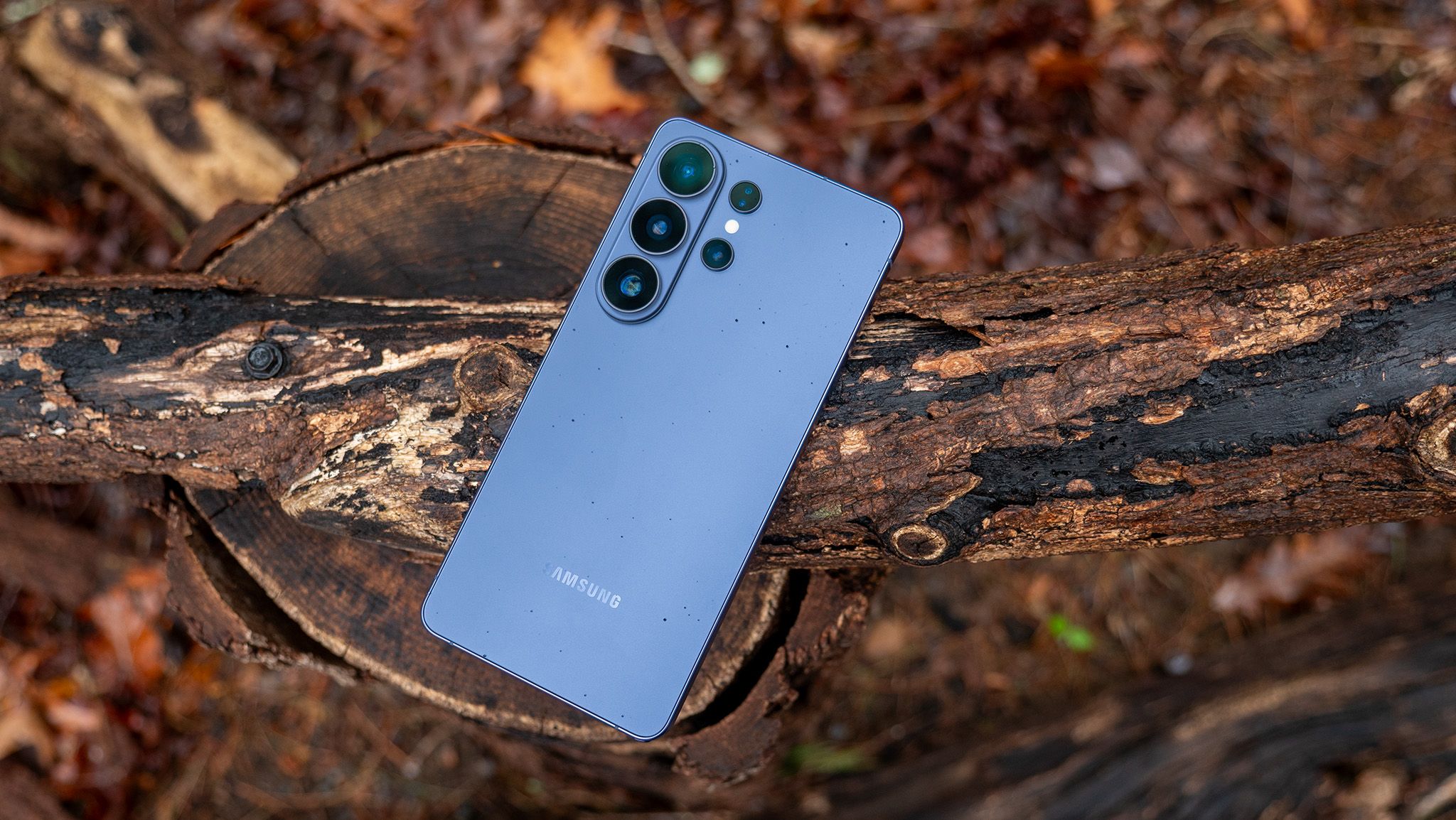
Samsung Electronics is reportedly preparing a massive strategic shift for its upcoming flagship smartphone portfolio, placing its highest manufacturing bets on premium and ultra-tier devices. According to industry supply chain reports leaking out of South Korea, the technology conglomerate is allocating more than 70 percent of its total production volume for the forthcoming Galaxy S27 series exclusively to the newly introduced Galaxy S27 Pro and the top-tier Galaxy S27 Ultra.
The anticipated lineup, scheduled for an official commercial debut in early 2027, marks a significant departure from Samsung’s traditional multi-tier strategy. Rather than relying heavily on the baseline and Plus models to drive mass-market volume, the company appears confident that consumer demand is permanently pivoting toward advanced, higher-end hardware that bridges the gap between conventional flagships and specialized power-user devices.
Main Facts and the Four-Tiered Lineup Strategy
Industry disclosures indicate that Samsung plans to manufacture approximately 35 million units across the entire Galaxy S27 ecosystem. Within this total volume projection, the heavy concentration of resources centers on the upper echelon of the family. The four-model structure is expected to comprise the standard Galaxy S27, the Galaxy S27 Plus, the newly introduced Galaxy S27 Pro, and the flagship Galaxy S27 Ultra.
Out of the targeted 35 million total units, the Galaxy S27 Ultra alone commands an estimated production allocation of 18 million units, matching the high-water mark set by its predecessor, the Galaxy S26 Ultra. Meanwhile, the newly conceived Galaxy S27 Pro is slated for a production run of 7 to 8 million units. Combined, these two premier models account for roughly 25 to 26 million devices—leaving just 9 to 10 million units for the baseline Galaxy S27 and Galaxy S27 Plus combined.
This aggressive production skew reflects a calculated corporate maneuver. Samsung is positioning the Galaxy S27 Pro to capture prospective buyers who historically gravitated toward the standard or Plus variants due to pricing constraints, but who now desire advanced capabilities previously restricted to the Ultra tier.
Background Context and Chronological Evolution of Samsung’s Flagship Strategy
To understand the weight of Samsung’s current production targets, it is necessary to examine how the company’s flagship strategy has evolved over recent product cycles. For years, Samsung maintained a predictable three-pronged approach for its Galaxy S series: a standard compact model, a larger Plus variant, and an ultra-premium Ultra model that absorbed the legacy capabilities of the defunct Galaxy Note series, notably including the integrated S Pen stylus.
However, shifting consumer preferences and intensifying competition in the global premium smartphone market prompted a reevaluation. Market research over the past several years demonstrated that consumers are increasingly willing to pay a premium for longevity, superior camera systems, and advanced processing capabilities, often skipping intermediate hardware updates. Last year, the Galaxy S26 Ultra alone accounted for approximately 50 percent of the entire Galaxy S26 series production, proving that high-end demand remained resilient despite broader macroeconomic pressures and fluctuating global smartphone shipments.
Building on this trend, supply chain rumors surfaced in late 2025 and intensified through 2026 indicating that Samsung would restructure its mid-to-high tier offerings. By inserting the Galaxy S27 Pro into the portfolio, Samsung is effectively creating a four-step ladder. The Pro model is expected to adopt a more compact form factor while retaining select hardware innovations from the Ultra line, such as advanced privacy display technology, while omitting the physical S Pen to maintain a slimmer profile and a more accessible price point relative to the Ultra.
Supporting Data and Production Breakdown
A granular review of the leaked manufacturing estimates highlights the stark contrast between Samsung’s historical volume distribution and its 2027 roadmap.
- Total Projected Production: ~35 million units across the Galaxy S27 family.
- Galaxy S27 Ultra: ~18 million units (~51% of total production).
- Galaxy S27 Pro: 7 to 8 million units (~20% to 23% of total production).
- Combined Premium Share: 25 to 26 million units (~71% to 74%).
- Galaxy S27 Standard & Plus: 9 to 10 million units (~26% to 29%).
Comparatively, during the rollout of the Galaxy S26 generation, the Ultra variant stood alone as the heavy production driver, while the lower-tier models enjoyed a significantly larger share of the overall pie. By reallocating factory capacity toward the S27 Pro, Samsung is explicitly signaling that the traditional "Plus" philosophy—a phone that is merely larger than the base model without offering distinct architectural advantages—may be losing traction with modern consumers.
Industry Implications and Market Analysis
Financial analysts and mobile industry observers view Samsung’s production strategy as a defensive and offensive measure simultaneously. On one hand, it addresses margin compression. Premium and ultra-premium smartphones typically yield higher profit margins per unit than lower-tier devices, insulating hardware manufacturers against rising component costs, including advanced silicon processors and specialized display panels.
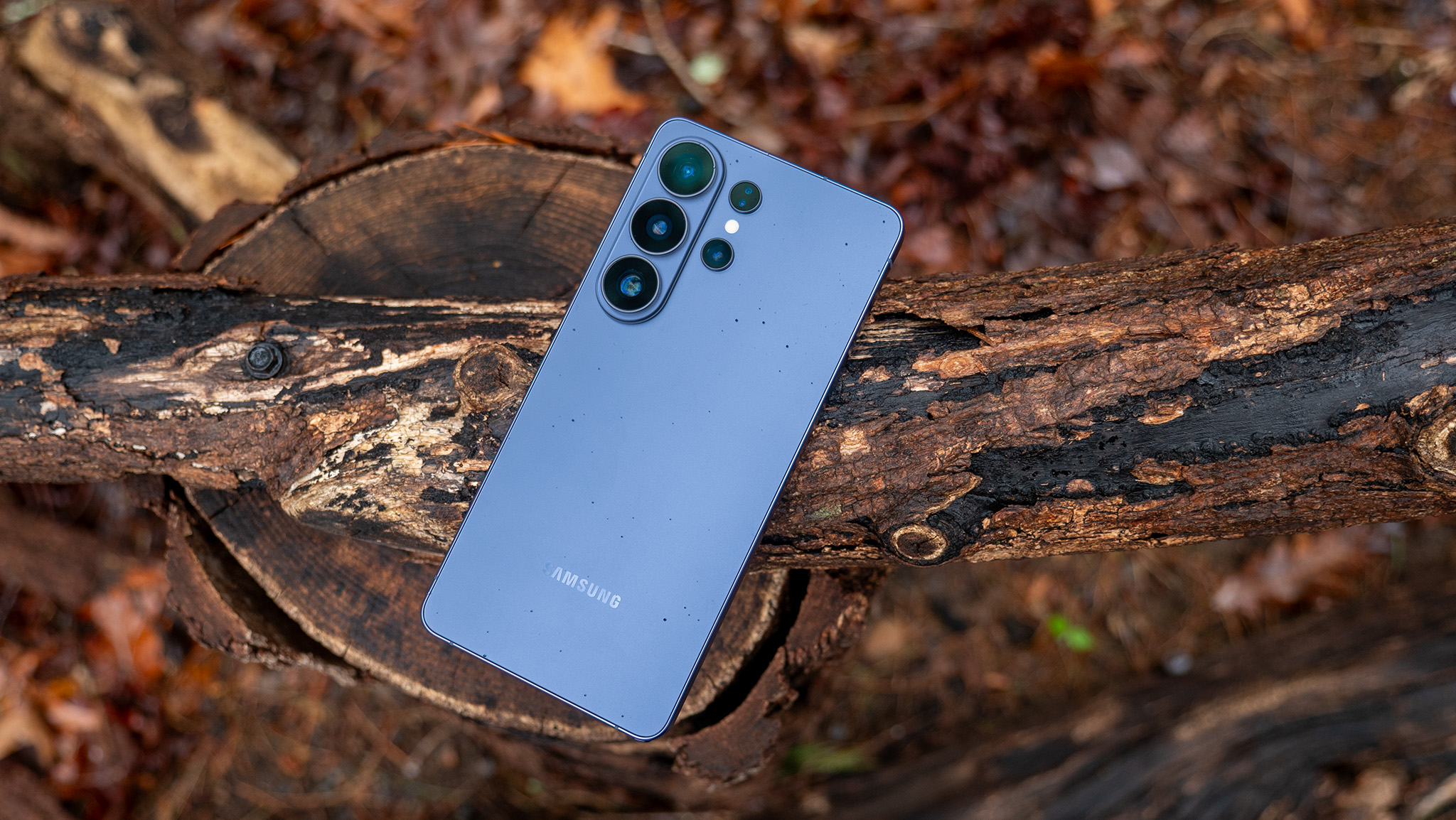
On the other hand, the move is a direct response to competitive pressures from rivals like Apple, whose high-end Pro and Pro Max iPhone models routinely capture the lion’s share of consumer upgrades in major Western markets. Samsung’s recent successes with foldable devices, such as the strong reported market reception of the Galaxy Z Fold 8 against competing dual-device ecosystems, have reinforced executive confidence in the viability of high-average-selling-price (ASP) hardware.
If the Galaxy S27 Pro succeeds in drawing buyers away from the standard and Plus tiers, Samsung could see a substantial boost in overall revenue per device, even if total unit shipments remain flat compared to previous generations. However, this strategy is not without risk. Over-allocating production to high-end variants leaves little room for error if macroeconomic conditions deteriorate or if consumer appetite for upgrades falters, potentially leading to excess inventory or expensive downward price adjustments later in the product lifecycle.
Official Stance and Outlook
As is standard industry practice, Samsung Electronics has declined to officially confirm or comment on leaked production schedules, component allocations, or unannounced hardware specifications. Representatives for the company maintain that product portfolios are continually optimized to meet dynamic global market demands.
With the formal unveiling of the Galaxy S27 lineup still months away, supply chain adjustments remain possible. Manufacturing partners in South Korea and abroad will closely monitor initial component orders in the coming quarters to gauge whether consumer demand aligns with Samsung’s ambitious projections. Until the official launch event, tech enthusiasts and market analysts will continue to parse every leak regarding the S27 Pro’s exact specifications, pricing structure, and global availability.