The Rise of Prompt Tracking: How Brands Are Navigating AI Visibility in the Age of Large Language Models

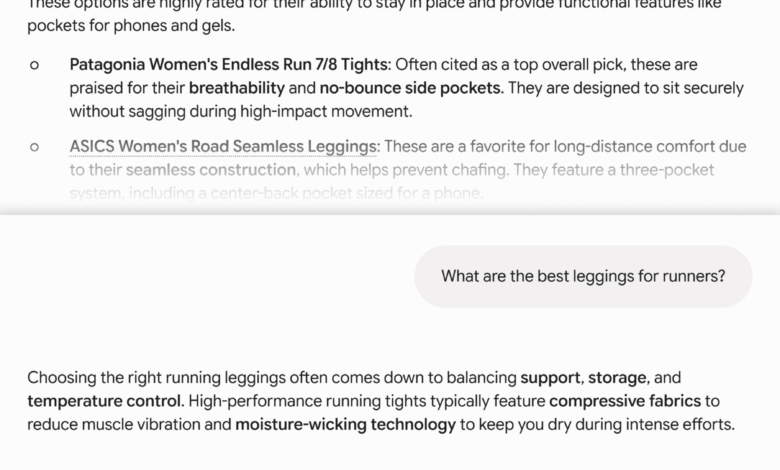
A brand can secure the coveted number one ranking on traditional search engines like Google yet remain entirely invisible within the conversational ecosystems of large language models (LLMs). As consumer behavior shifts rapidly toward generative artificial intelligence for product discovery, market research, and purchasing recommendations, businesses face a critical new frontier in digital marketing: prompt tracking.
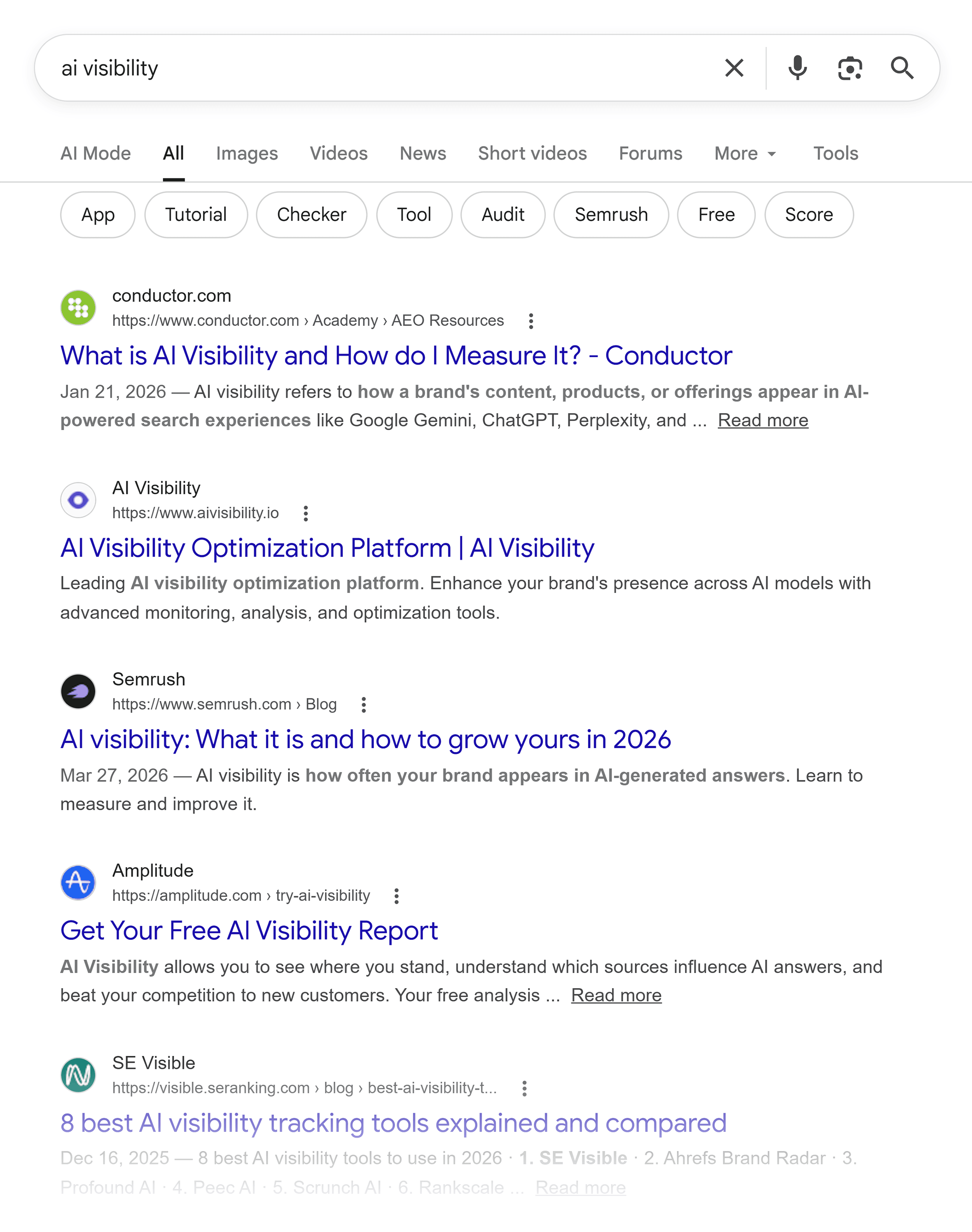
While traditional search engine optimization (SEO) focuses on static rankings and blue links on a results page, LLMs synthesize massive datasets to generate unique, context-dependent answers for every individual user query. This fundamental shift has rendered conventional rank tracking insufficient, prompting marketing teams, digital agencies, and enterprise software giants to adopt prompt tracking—also known as LLM visibility tracking—to monitor, analyze, and improve their brand presence across generative AI platforms.
The Shift from Keywords to Conversational Discovery
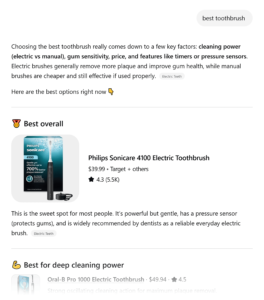
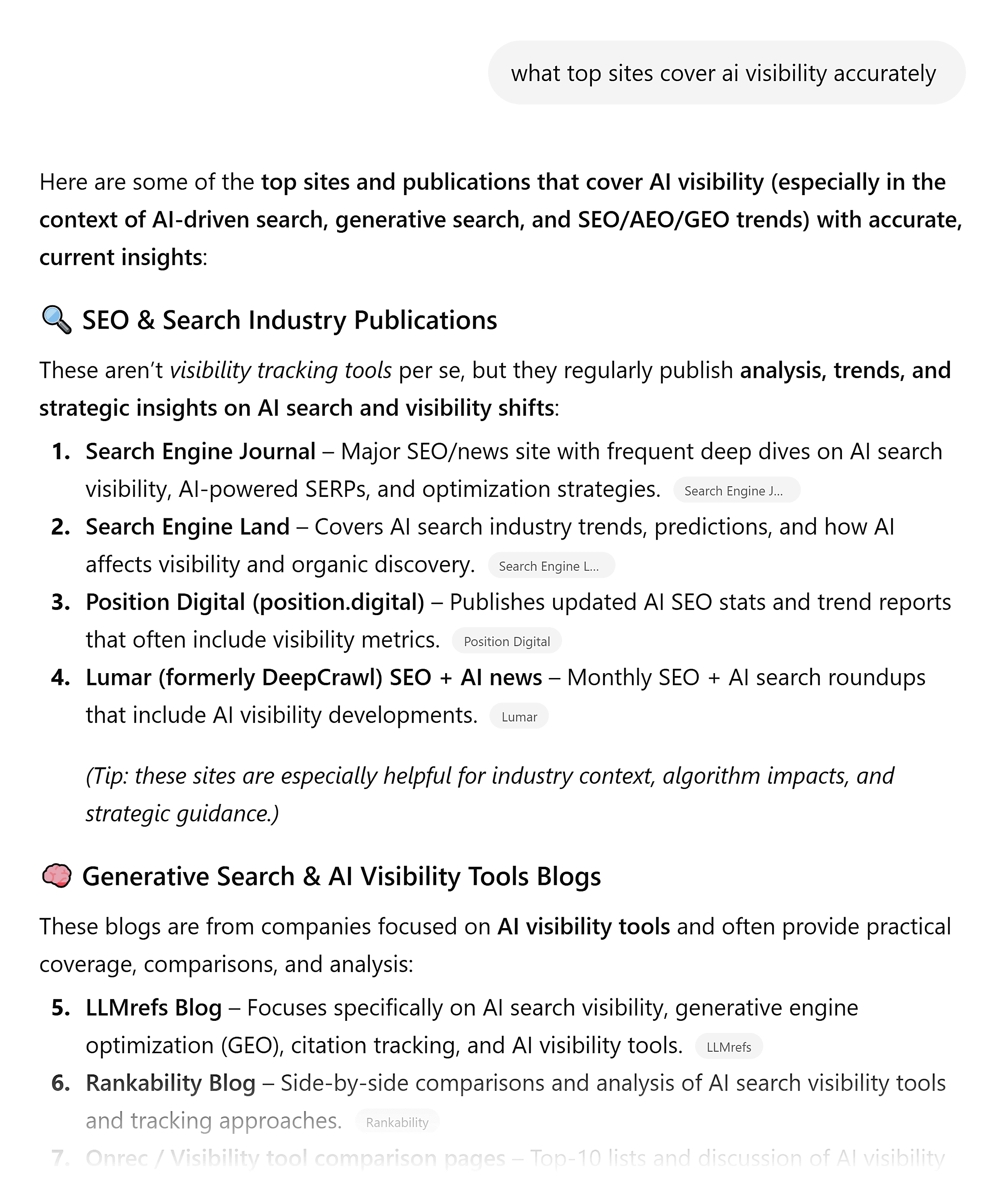
The adoption of generative AI as a primary research tool has accelerated significantly across global markets. Industry surveys indicate that more than half of internet users now rely on AI tools for primary information gathering, with a substantial percentage utilizing these models specifically for product recommendations and brand evaluations. Unlike traditional search engines, where URLs are displayed in a predictable hierarchy, LLMs synthesize information dynamically. The exact same prompt entered twice can yield entirely different responses, influenced by conversational context, real-time data retrieval, and underlying model updates.
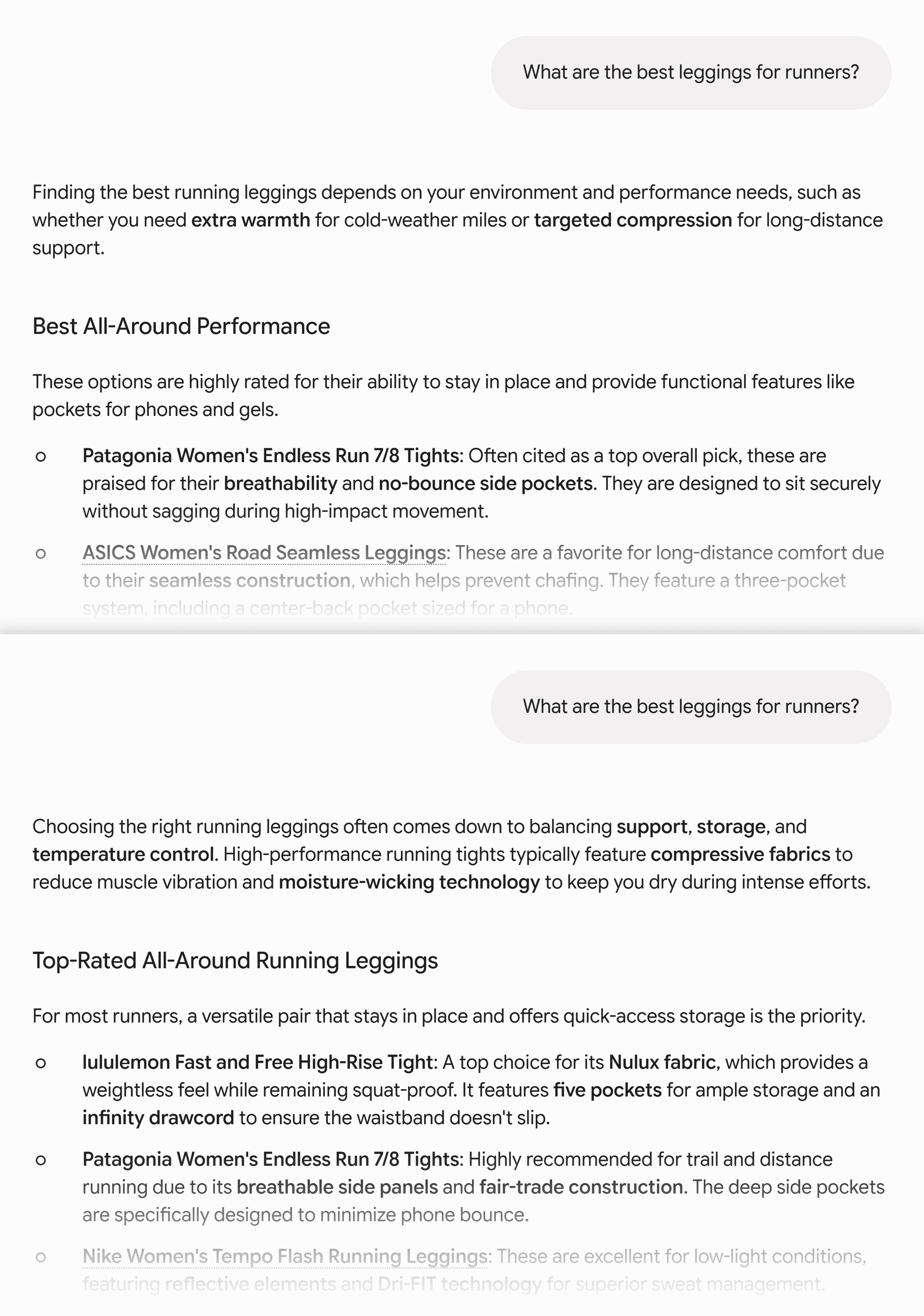
In this new environment, securing the first mention is less critical than ensuring that accurate, positive, and consistent brand messaging reaches the right audience across multiple iterations of a prompt. Without a systematic tracking mechanism, organizations risk flying blind, remaining unaware of whether they are absent from category discussions or, worse, being represented with outdated or incorrect information that directly harms sales pipelines.
Understanding the Mechanics of Prompt Tracking
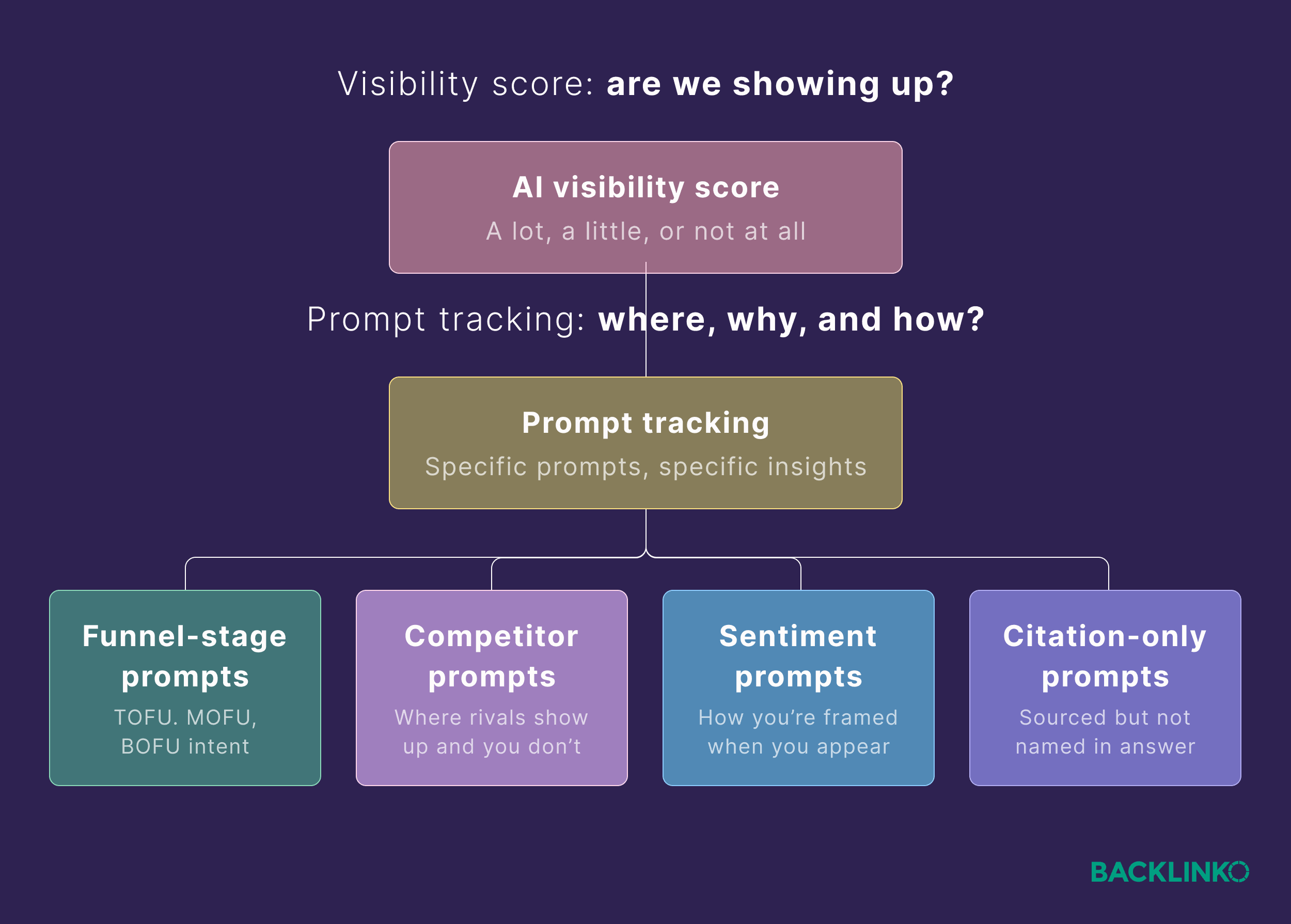
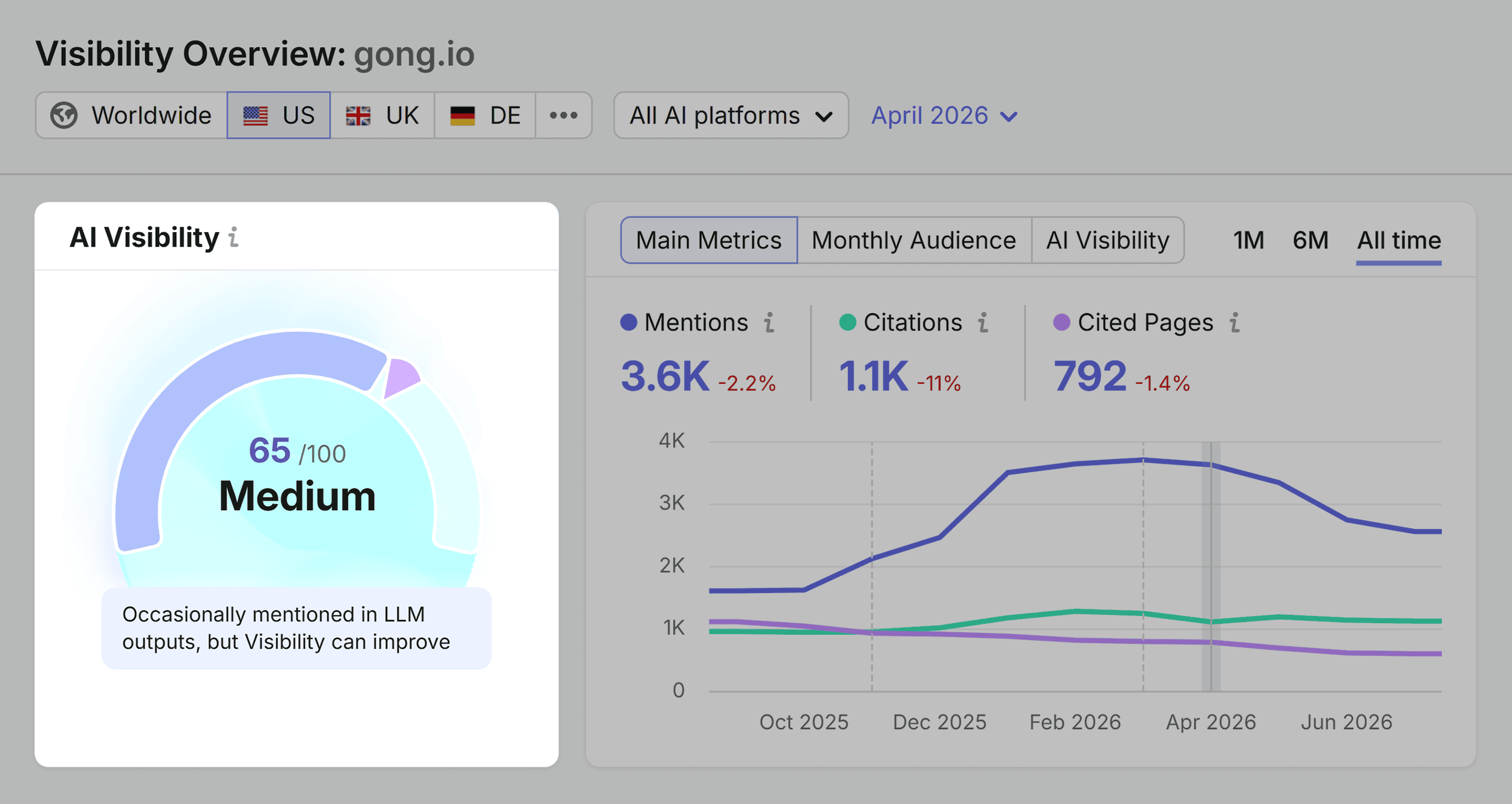
Prompt tracking involves monitoring how a brand appears in AI-generated answers over time through mentions or direct citations. Unlike keyword rank tracking, which asks how close a URL is to the top position on a search engine results page (SERP), prompt tracking evaluates the qualitative and quantitative presence of a brand within generative narratives.
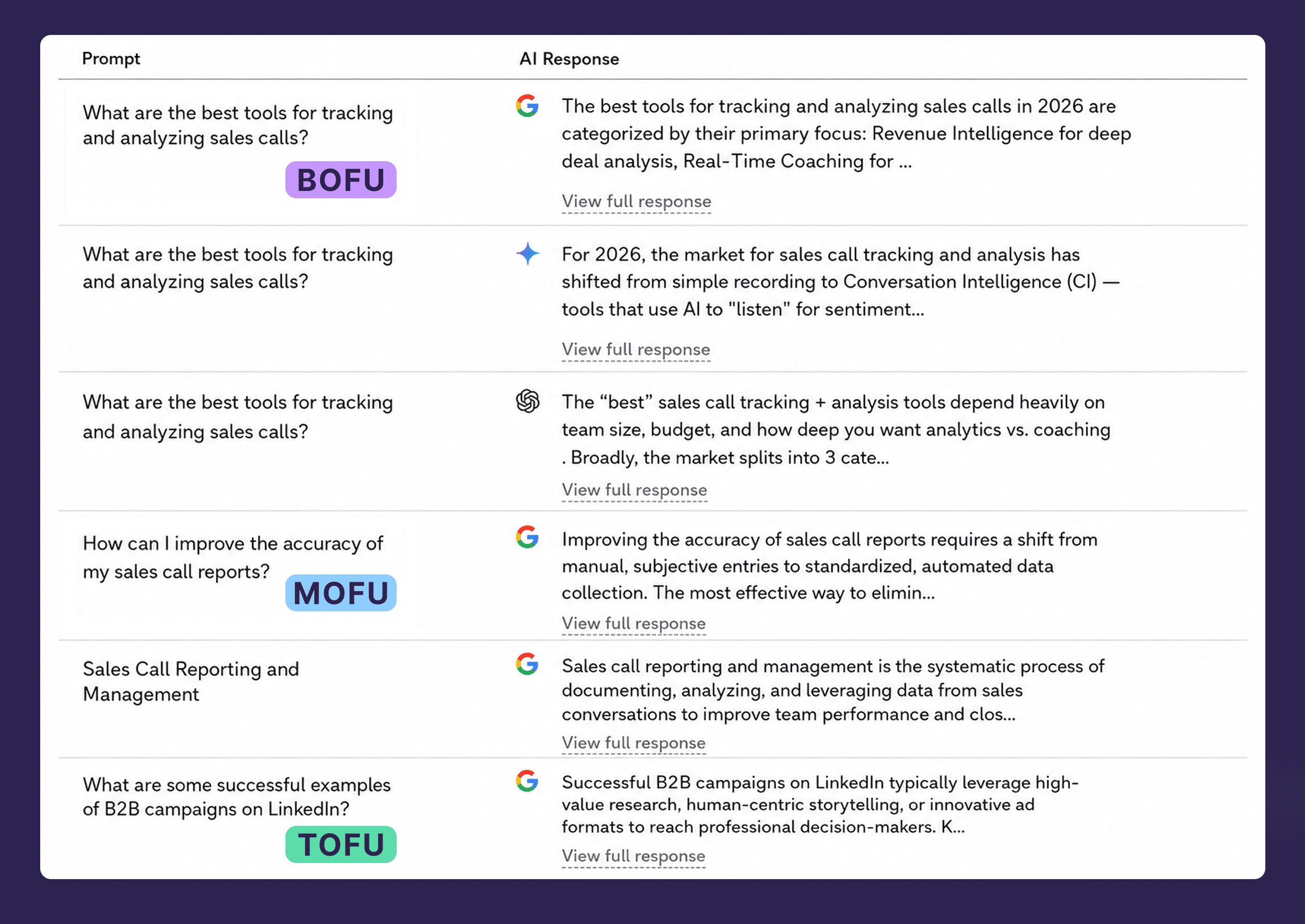
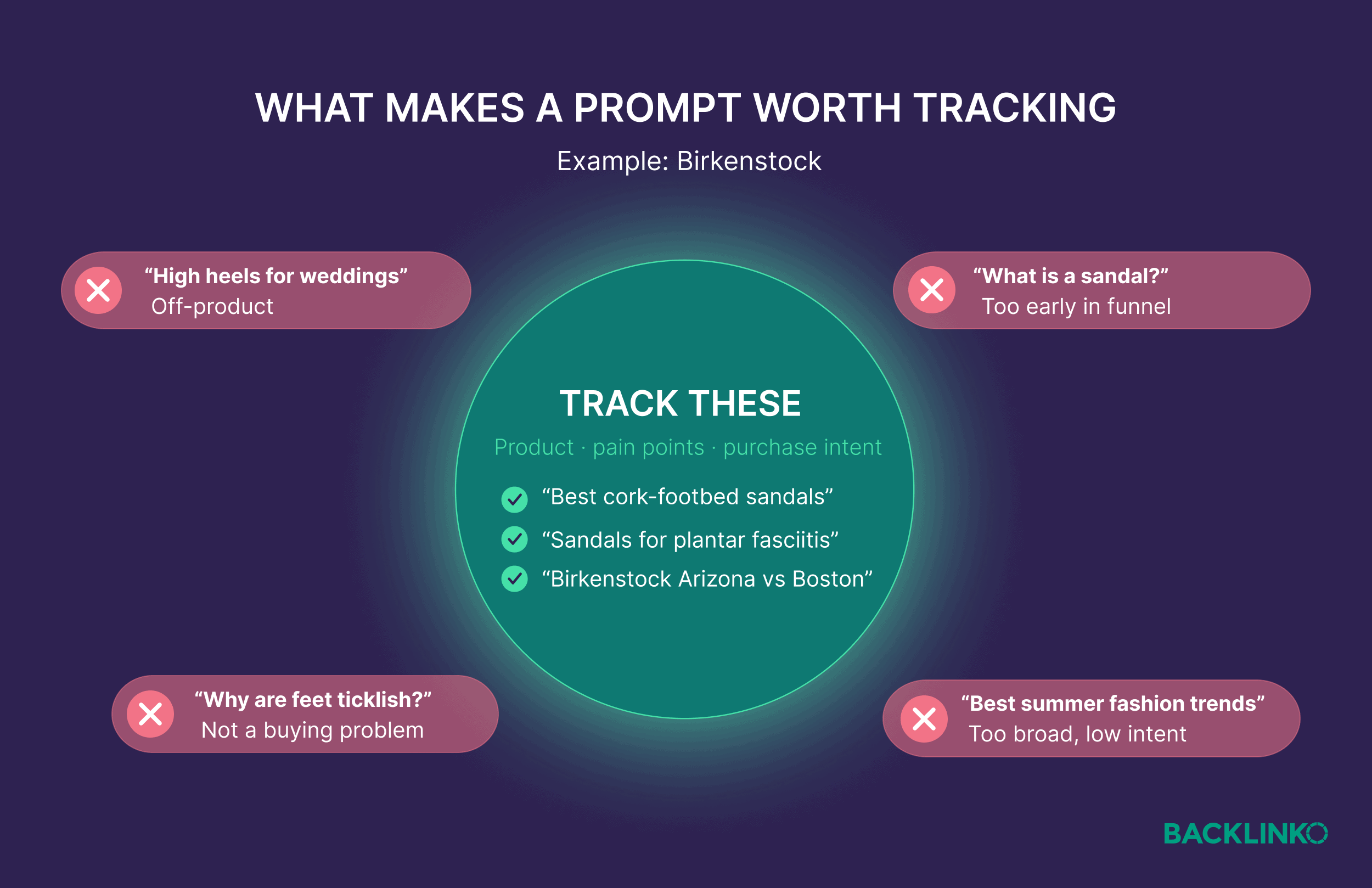
Industry experts categorize valuable prompts into distinct groups, focusing primarily on bottom-of-funnel (BOFU) and mid-of-funnel (MOFU) queries rather than top-of-funnel (TOFU) definitions. Prompts worth tracking typically include:
- Comparison Queries: Evaluating how a brand fares against specific competitors (e.g., comparing software platforms for enterprise workflow automation).
- Evaluation Queries: Assessing product capabilities based on specific constraints or feature integrations (e.g., searching for CRM software that integrates with specific database tools).
- Reputation and Sentiment Queries: Analyzing how AI perceives customer satisfaction, pricing value, and overall market reliability.
- Gap Queries: Identifying high-value industry queries where competitors consistently appear while the brand is absent.
Conversely, broad definitional queries or purely vanity-based brand searches offer little actionable intelligence and are generally excluded from rigorous tracking frameworks.
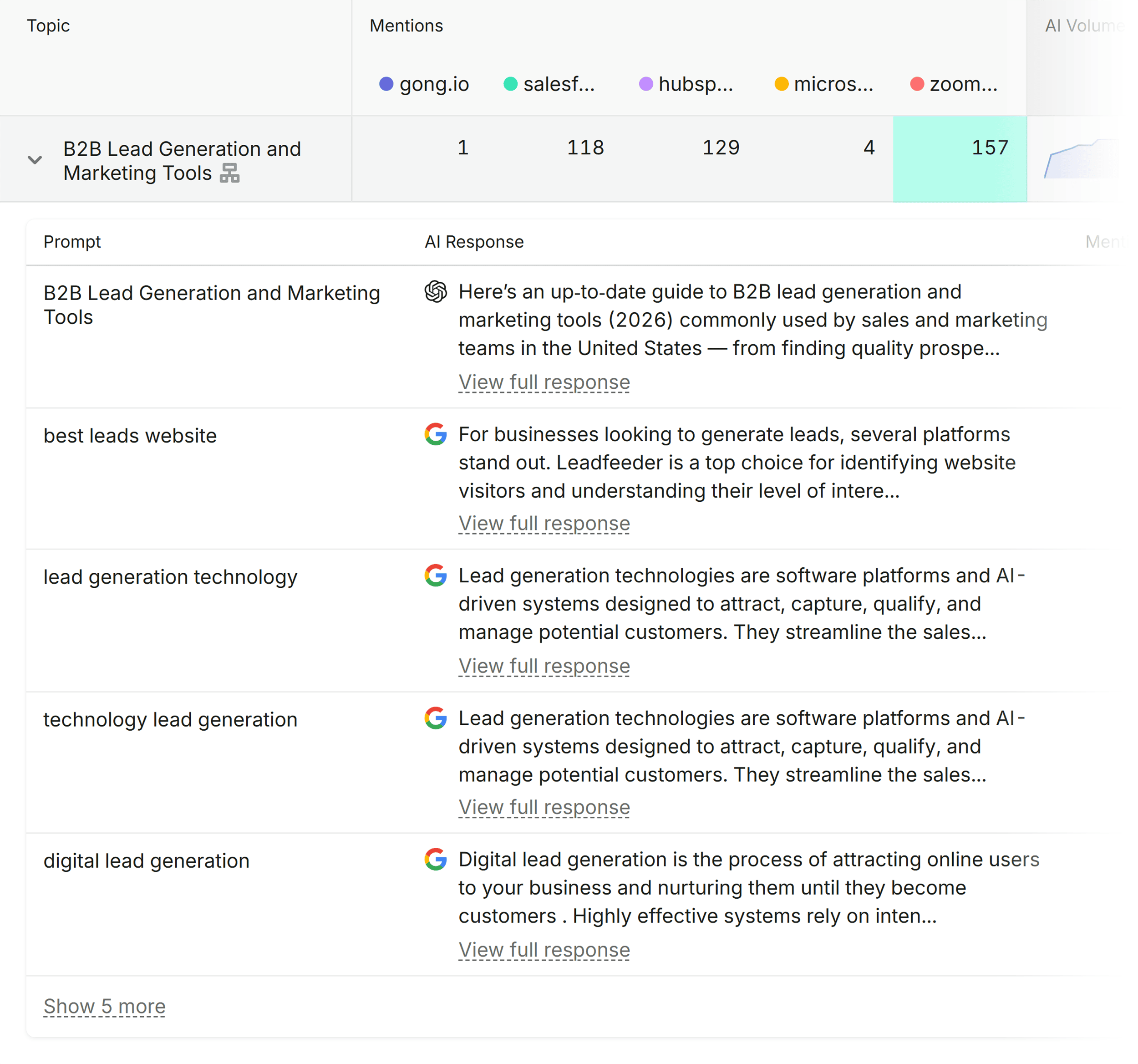
Implementing a Prompt Tracking Strategy: Methods and Best Practices
Organizations deploying prompt tracking typically follow a structured methodology to gather actionable intelligence. Whether utilizing manual tracking spreadsheets or automated enterprise dashboards, the process generally follows several core steps:
- Defining the Prompt Set: Establishing a curated list of 20 to 30 strategic prompts categorized by product offerings, use cases, and buyer intent. These prompts are frequently mapped using keyword research data, user forums, and generative search suggestions.
- Multi-Model Monitoring: Because different LLMs rely on distinct training datasets and retrieval-augmented generation (RAG) sources, tracking must span major platforms such as ChatGPT, Google Gemini, Anthropic’s Claude, and Perplexity AI.
- Longitudinal Analysis: Given the non-deterministic nature of LLM outputs, analysts emphasize tracking trends over weeks rather than reacting to single-session anomalies. A consistent drop in visibility over a four-week period serves as a reliable signal to update on-site content or external PR strategies.
- Competitor and Citation Auditing: Tracking which third-party websites—such as review aggregators, industry publications, and community forums—are consistently cited by LLMs. Because a significant percentage of brand mentions originate from third-party sources, optimizing presence on these external platforms is vital for improving AI visibility.
Strategic Implications and Industry Response
The rise of prompt tracking has fostered the development of specialized software tools and analytical frameworks designed to quantify AI brand equity. Major digital marketing platforms have introduced dedicated AI visibility suites, allowing enterprises to monitor their share of voice across generative search engines, identify content gaps, and track cited sources in real time.
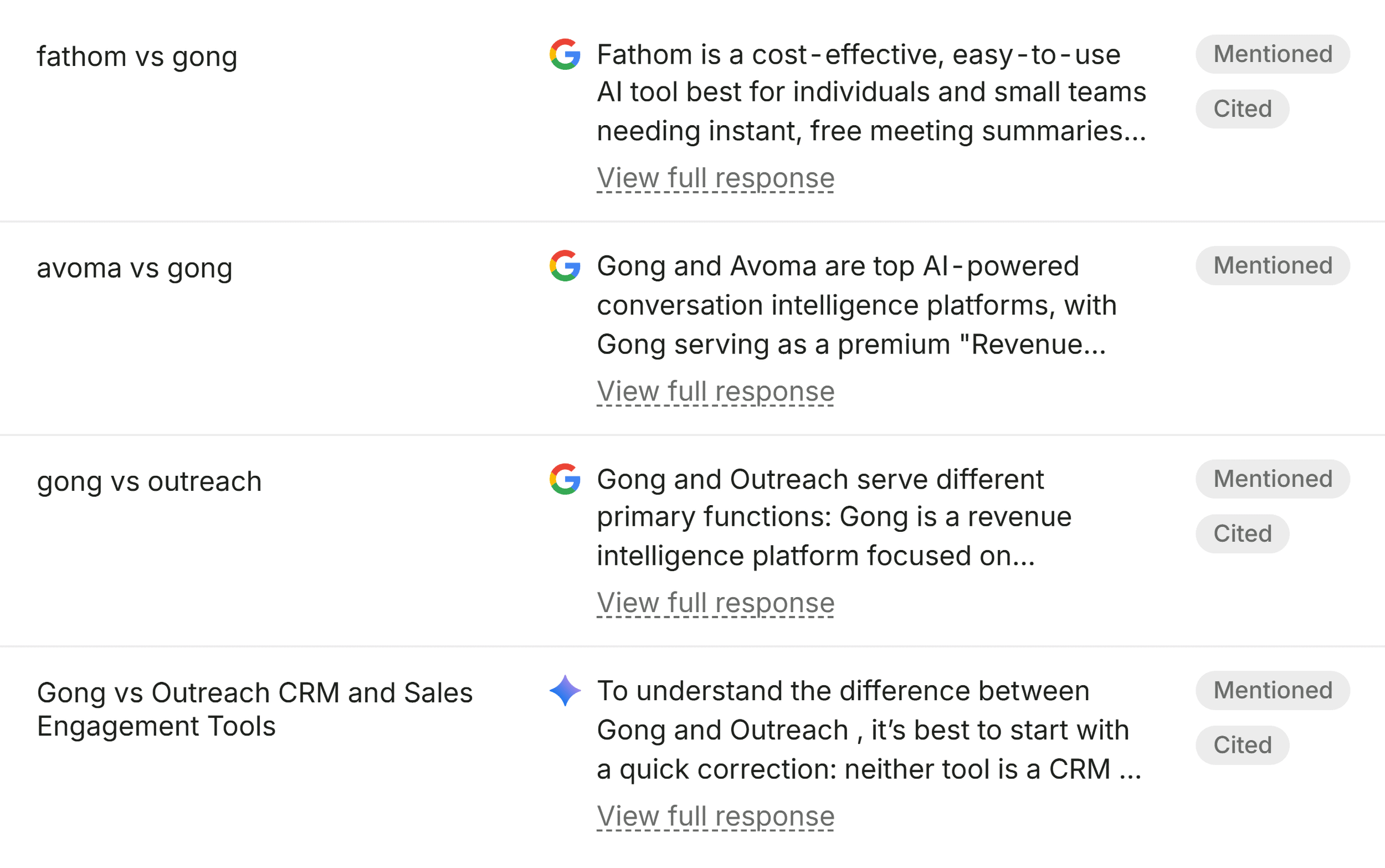
For digital agencies and enterprise marketing leads, the implications are profound. Agencies are increasingly building "constraint maps" and multi-tag tracking systems to evaluate how well brands satisfy specific buyer requirements within AI outputs. When a brand experiences "ghost ranking"—a phenomenon where a company’s content is cited in the source panel but the AI ultimately recommends a competitor—marketing teams must adjust their external authority-building and product documentation to convert passive citations into active recommendations.
As generative AI continues to reshape the digital discovery landscape, prompt tracking is transitioning from an experimental tactic to an essential component of modern digital strategy. Organizations that systematically monitor and optimize their generative AI footprint are better positioned to capture high-intent buyers in the evolving answer economy, ensuring their brand remains visible where modern consumers look first.