RayNeo GT Smart Glasses Review: A Feature-Rich Contender Raises the Bar in the $300 AR Market

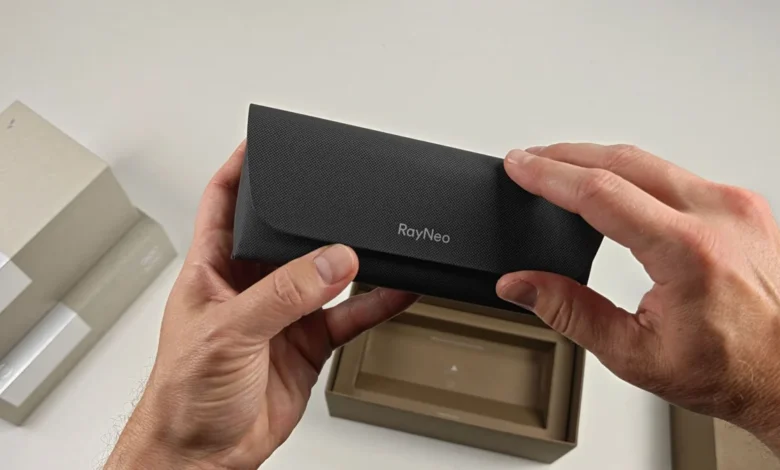
The consumer augmented reality (AR) and smart glasses landscape has reached a critical inflection point, transitioning from an expensive, niche enthusiast category into a fiercely contested mass-market segment. Leading this charge is consumer electronics manufacturer RayNeo, which has quickly followed up on previous models with the launch of the RayNeo GT. Priced competitively at $299, the RayNeo GT enters one of the most crowded pricing tiers in wearable technology. Despite matching the cost of its predecessor, the RayNeo Air 4 Pro, the GT introduces significant hardware refinements, improved ergonomic design, and advanced display technology aimed at capturing a broader demographic of digital consumers, media enthusiasts, and mobile gamers.
Evolution of the $300 AR Segment
Over the past several years, the market for tethered AR smart glasses has accelerated rapidly. Brands like Xreal, Rokid, and RayNeo have battled for dominance by attempting to pack premium virtual-display capabilities into lightweight, everyday form factors. Historically, consumers entering the market at the sub-$300 or $300 price point had to compromise heavily on comfort, field of view (FoV), or visual clarity—often suffering from narrow interpupillary distance (IPD) tolerances, high power draw, or motion sickness induced by display flicker.
The introduction of the RayNeo GT signals a maturation in how manufacturers approach budget-to-mid-range smart eyewear. By integrating dedicated spatial tracking chips and high-frequency dimming into a lighter chassis, RayNeo is attempting to set a new benchmark for what consumers can expect from entry-level and mid-tier wearable displays.
Design Innovations and Ergonomic Adjustments
One of the most persistent hurdles for smart glasses manufacturers has been achieving a universal fit. Human facial structures vary significantly, and minor discrepancies in interpupillary distance or nose bridge height can render virtual screens blurry, distorted, or unusable.
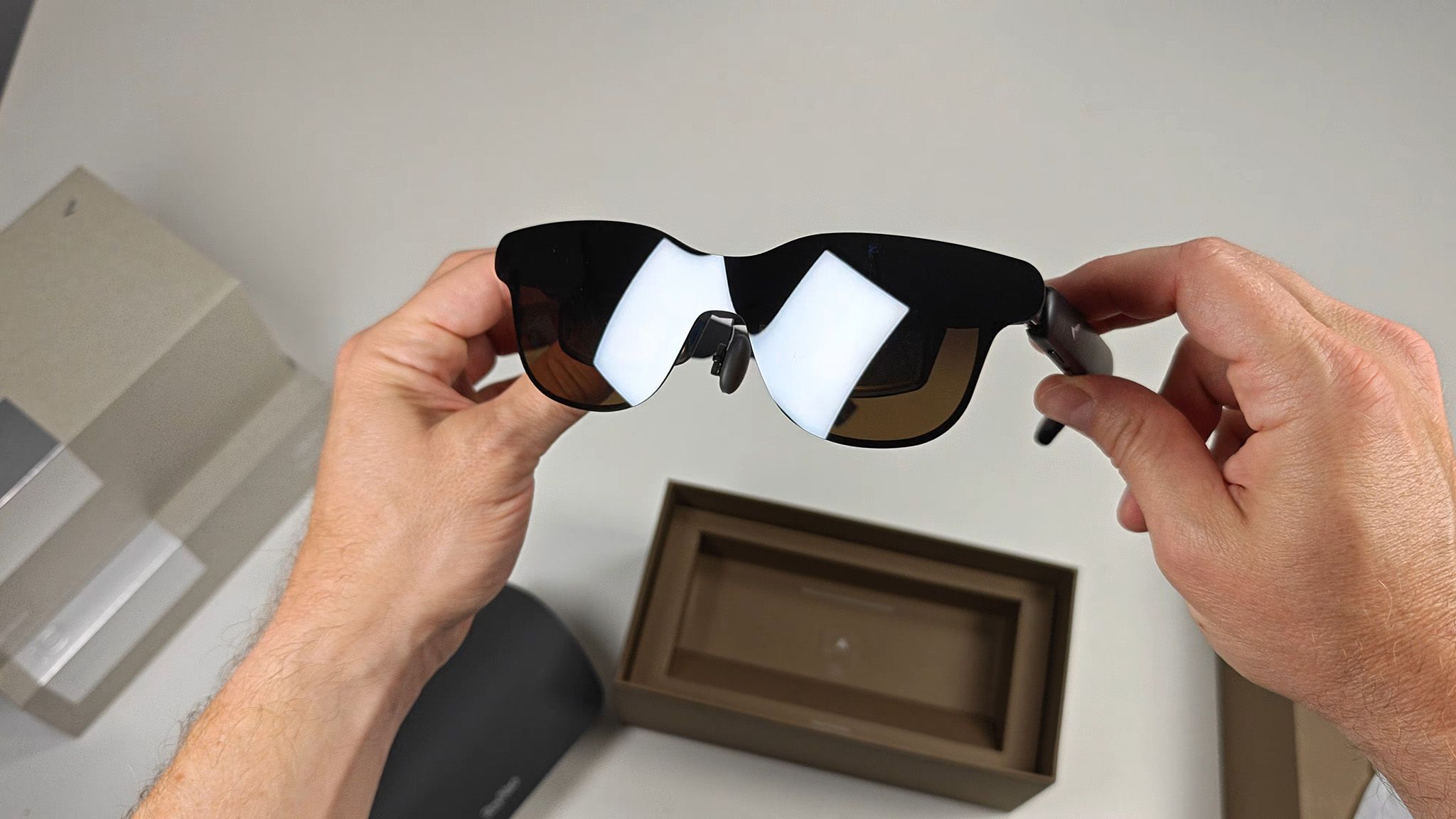
The RayNeo GT directly addresses this engineering challenge by offering three distinct IPD size configurations. While previous models typically catered to a narrow average—leaving users with wider or narrower facial structures at a severe disadvantage—the GT lineup is divided into small (accommodating an IPD of 63 and lower), medium (64 to 67), and large (68 and above) variants. Furthermore, the inclusion of adjustable nosepieces allows users to fine-tune the vertical positioning of the micro-OLED displays relative to their pupils.
Weighing in at 8 grams lighter than its predecessor, the GT also incorporates modular temple pads designed to distribute pressure evenly across the sides of the head. These ergonomic enhancements significantly reduce physical fatigue, allowing for extended wear during long-haul flights, marathon gaming sessions, or prolonged productivity tasks.
Display Technology and Visual Performance
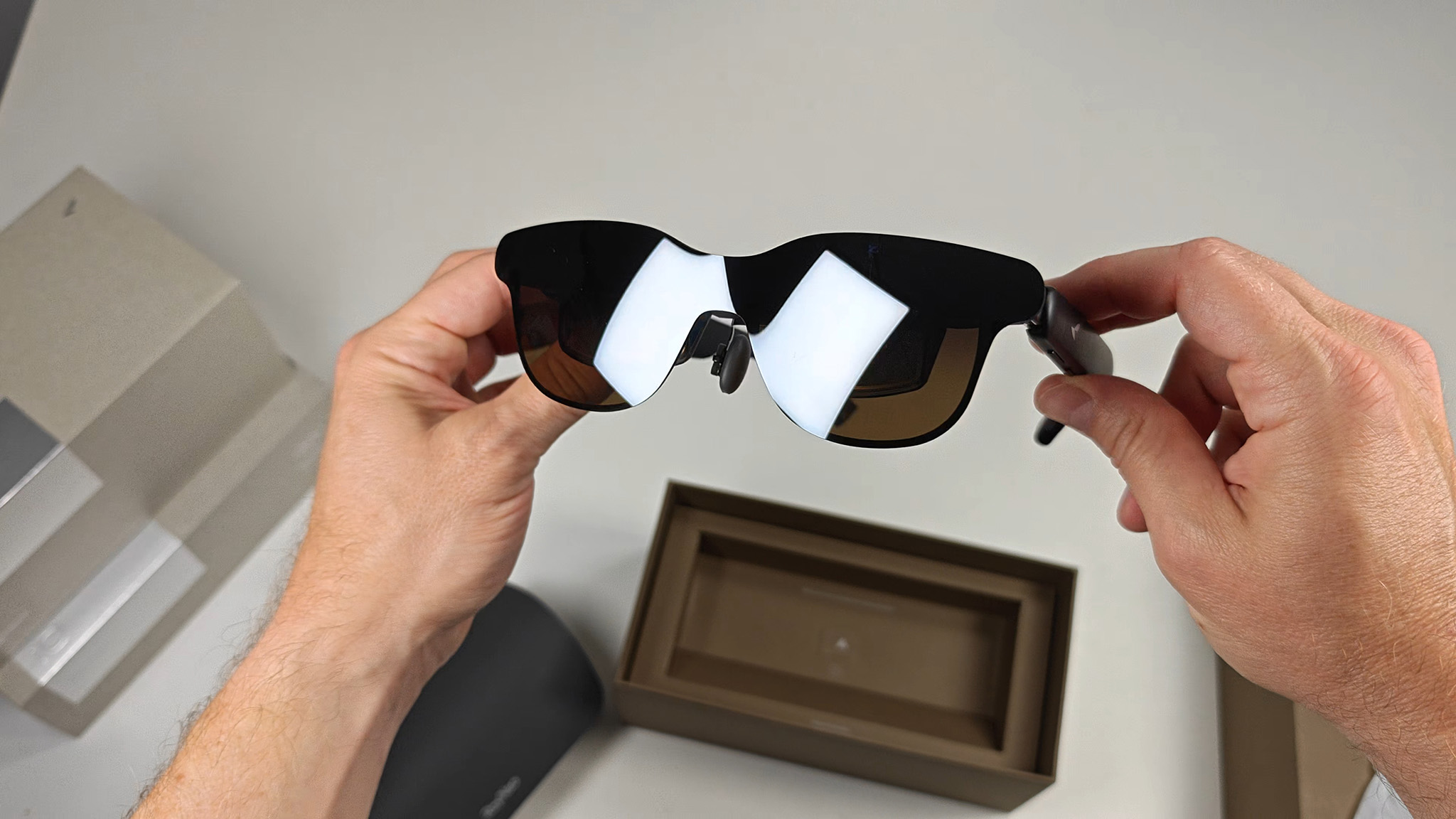
At the core of the RayNeo GT’s hardware suite is the Vision 4000 chipset, which enables advanced features such as SDR-to-HDR conversion and an exceptionally high 3840Hz Pulse Width Modulation (PWM) dimming rate. PWM dimming controls display brightness by rapidly cycling the backlight or pixels on and off. A higher frequency—such as the 3840Hz rate achieved by the GT—virtually eliminates visible flicker, mitigating the eye strain and headaches frequently reported by users sensitive to lower refresh rates.
The glasses feature a standard 47-degree Field of View (FoV), consistent with many competing tethered displays on the market. However, the integration of native 10-bit color depth displays, coupled with software-level decoding support for 12-bit Dolby Vision content, elevates the dynamic range and color fidelity of streamed media.
Despite these advancements, optical transparency remains a notable hardware compromise. The RayNeo GT lenses lack built-in tinting or electrochromic dimming capabilities. While the micro-OLED panels are engineered to achieve high peak luminance levels, competing with bright ambient lighting in outdoor or sunlit environments can prove challenging. Industry analysts suggest that users intending to use the glasses outside of controlled indoor or dim environments will likely need to rely on physical snap-on light blockers or lens covers.
Spatial Tracking and Ecosystem Integration
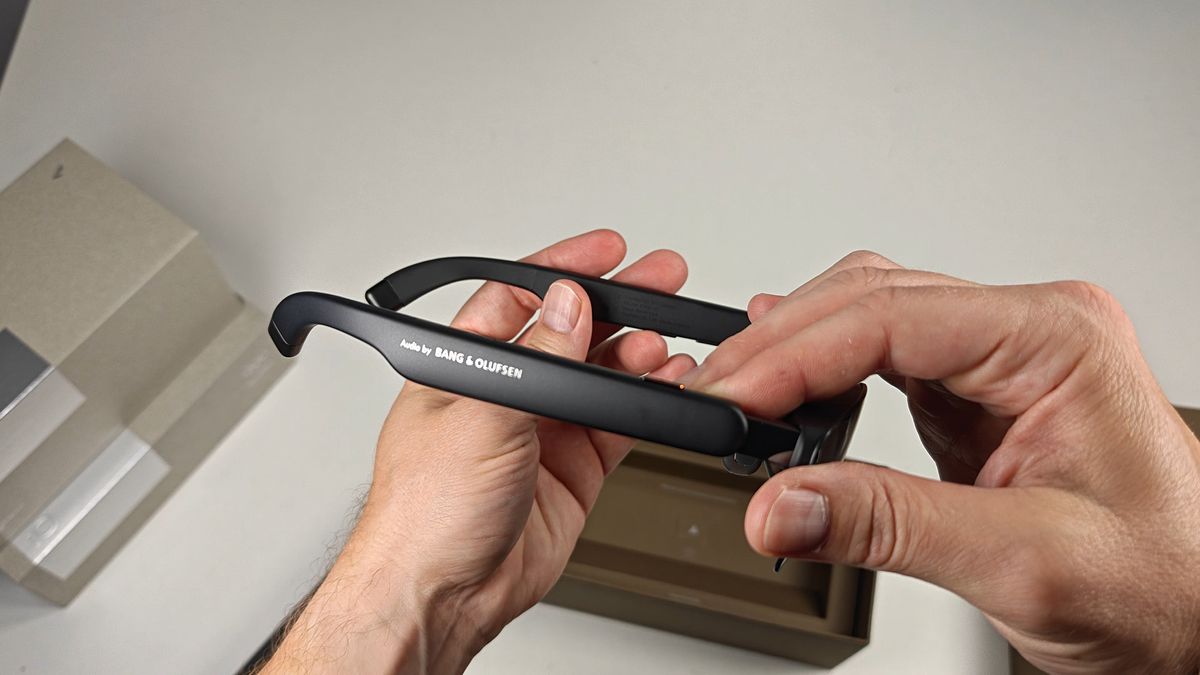
Spatial computing capabilities have increasingly become a differentiator for tethered AR displays. The RayNeo GT integrates a native 3DoF (Degrees of Freedom) spatial tracking chip, allowing virtual screens to remain anchored in space, follow the user’s head movements smoothly, or remain fixed in a steady mode. Users can seamlessly toggle between steady, anchor, and 0DoF follow modes using a dedicated physical button located on the top of the right temple.
While 3DoF and 6DoF tracking modes utilize black frame insertion (low-persistence flickering) to maintain spatial stability during head motion, users sensitive to flicker can switch to the 0DoF Follow mode for a completely flicker-free viewing experience.
To unlock the full functionality of its software ecosystem, the RayNeo GT is designed to pair with the RayNeo Pocket TV—a compact, pocket-sized remote control device running the Google TV operating system. When connected, the Pocket TV transforms the smart glasses into a fully functional, portable entertainment hub capable of streaming content from major platforms without requiring a direct tether to a smartphone or laptop.
However, hardware reviewers have noted certain ecosystem limitations. The Pocket TV exhibits constraints regarding offline media downloads and local storage management, leading experts to recommend utilizing a smartphone as a primary control interface for users who frequently travel without reliable internet connectivity.
Audio Engineering and Connectivity
Audio performance in lightweight smart glasses often suffers from tinny drivers or sound leakage that disturbs individuals nearby. The RayNeo GT utilizes an open-ear, four-speaker acoustic architecture designed to project sound clearly toward the user’s ears while minimizing ambient sound dispersion.
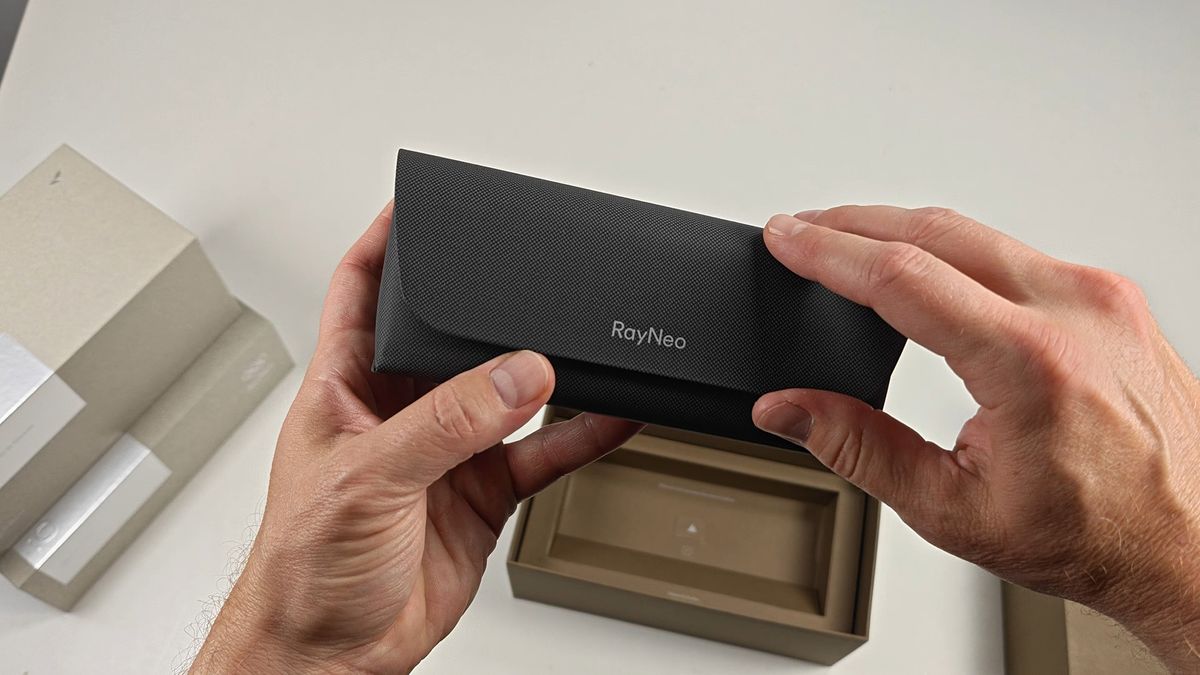
While earlier iterations, such as the RayNeo Air 4 Pro, shipped standard with optional sound tubes to direct audio more precisely into the ear canal, the GT relies primarily on its open-ear layout out of the box, with dedicated sound tubes available as an aftermarket purchase. Despite the absence of physical tubes in the standard retail package, early evaluations indicate that the open-ear configuration delivers ample volume and surprisingly robust audio fidelity for casual media consumption and voice calls.
Market Implications and Competitive Landscape
The launch of the RayNeo GT underscores a broader industry trend: the commoditization of high-definition virtual displays. As core components like micro-OLED panels and spatial processing chips become more accessible, manufacturers are no longer competing solely on raw resolution. Instead, the battleground has shifted toward user comfort, software versatility, and targeted hardware adjustments that solve everyday usability problems.
At $299, the RayNeo GT applies significant competitive pressure on rival manufacturers. While modular alternatives—such as the Xreal XBX A01+ series—cater to consumers seeking highly customizable hardware configurations, RayNeo’s focus on out-of-the-box ergonomics, high-frequency PWM dimming, and native multi-size IPD options positions the GT as a formidable option for mainstream consumers.
As consumer adoption of AR wearables continues to grow, devices like the RayNeo GT illustrate that the technology is rapidly shedding its early-adopter friction points. By balancing cost, visual fidelity, and ergonomic refinement, RayNeo has established a new benchmark for what constitutes value in the modern smart glasses market.