Jensen Huang Resigns as NVIDIA CEO Amid Intelligence Probe and Executive Misconduct Allegations

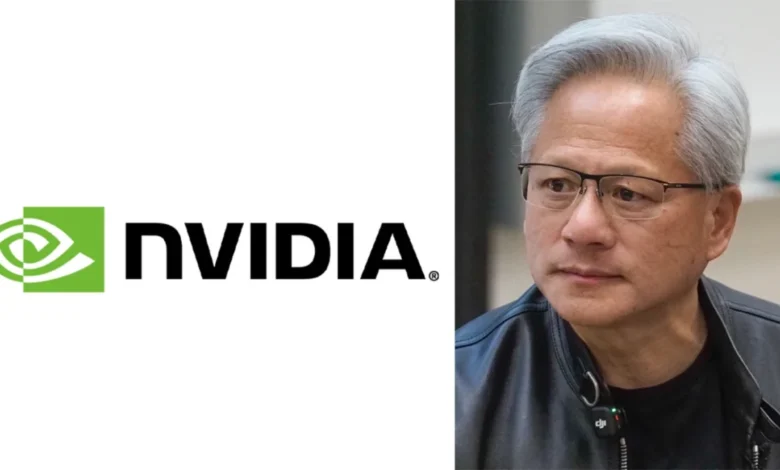
The technology sector is reeling following the abrupt resignation of Jensen Huang, the visionary co-founder and long-standing Chief Executive Officer of NVIDIA. His departure marks the end of an era for the semiconductor titan, a company he guided from a 1993 startup into a cornerstone of the global artificial intelligence infrastructure. The resignation, announced by the company’s board of directors on November 12, follows a cascade of revelations involving alleged security lapses, potential violations of U.S. export controls, and internal conduct policy breaches that have wiped more than $500 billion from the company’s market capitalization in a matter of days.
A Chronology of the Crisis
The unraveling of Huang’s leadership began in early November, prompted by reporting from The New York Times that detailed an extramarital relationship between the CEO and a woman identified as Alice Huang. Alice Huang, who served as a senior executive at the Singapore-based data center firm Megaspeed between March and November 2023, has become the focus of a U.S. intelligence inquiry. Officials are investigating whether she acted as an intelligence asset for the Chinese government, raising concerns regarding the potential compromise of proprietary NVIDIA technology and sensitive national security data.
On Sunday, November 8, NVIDIA’s board of directors formally initiated an independent investigation into the matter. At the time, the board issued a cautious statement, noting they had "no reason to believe that either national security or NVIDIA secrets were compromised." Simultaneously, Jensen Huang issued a companywide communication admitting to the affair. In his message, he acknowledged he had been unfaithful to his wife, stating he took "full responsibility" for his actions, which he described as a failure of his duties to the company’s employees, board, and shareholders.
The situation deteriorated rapidly on November 11, when further reports emerged indicating that Huang had also engaged in an undisclosed relationship with Kimberly Powell, NVIDIA’s Vice President of Healthcare. As an executive reporting directly to the CEO, this relationship represented a clear violation of corporate governance policies regarding conflicts of interest and executive conduct. By the following day, the board accepted Huang’s resignation, effectively severing his ties as president, CEO, and board member.
The Geopolitical Dimension: Export Controls and Security
At the heart of the regulatory scrutiny is the intersection of NVIDIA’s high-performance hardware and U.S. national security. Megaspeed, the firm where Alice Huang was employed, has faced persistent allegations of facilitating the unauthorized transfer of NVIDIA’s restricted AI chips into China, circumventing rigorous U.S. export controls designed to limit Beijing’s access to advanced computing capabilities.
Attorney General Todd Blanche addressed the Department of Justice’s involvement during a press briefing, confirming that federal investigators are actively looking into the allegations surrounding Alice Huang. While the DOJ has yet to reach a formal conclusion on her status as a foreign intelligence asset, the agency is treating the matter with significant urgency. Regarding the smuggling of chips, Blanche declined to comment on specific active investigations but emphasized that the unauthorized sale of restricted hardware constitutes a severe violation of export laws. The potential for NVIDIA’s technology to be leveraged for military modernization in China remains a primary concern for the Biden administration and congressional oversight committees.
Financial and Market Impact
The fallout from these revelations has been catastrophic for NVIDIA’s valuation. Before the initial report, NVIDIA was widely regarded as the most important company in the AI ecosystem, with a market cap that had surged on the back of overwhelming demand for its H100 and Blackwell-class GPUs. Following the news of the scandals, the stock suffered a series of sharp declines. Investors, already sensitive to the company’s heavy exposure to the Chinese market, reacted with panic as the prospect of further regulatory restrictions and internal leadership instability became clear.
The loss of over half a trillion dollars in market value represents one of the most significant single-company sell-offs in market history. Analysts suggest that the uncertainty surrounding the leadership transition—compounded by the ongoing DOJ probe—could suppress the stock price for the foreseeable future. In response to the vacuum at the top, the board has appointed CFO Colette Kress as interim CEO. Kress, who has been instrumental in managing the company’s finances during its period of hyper-growth, will lead the firm while the board evaluates both internal and external candidates for a permanent successor. Harvey Jones has been appointed as the new board chair to oversee the transition.
The Path Forward: Governance and Industry Implications
The leadership crisis at NVIDIA carries profound implications for the broader technology industry. For creative professionals, researchers, and engineers who rely on NVIDIA’s ecosystem—from the GeForce RTX series used in video production to the NVENC encoders and CUDA-accelerated software suites like DaVinci Resolve and Adobe Premiere Pro—the company’s internal stability is paramount. While the physical products and software stacks remain functional in the short term, the departure of the man who defined the company’s strategic direction for over three decades leaves a significant void.
The incoming CEO will inherit a company under unprecedented pressure. Beyond the immediate task of calming jittery investors, the new leadership must navigate a complex landscape of geopolitical tension. The U.S. government is likely to increase its oversight of NVIDIA’s supply chain, potentially requiring more stringent "know your customer" protocols for all international distributors. Furthermore, the company must address the damage to its corporate culture, which has been shaken by the revelations of executive misconduct and the subsequent departure of two high-ranking figures.
Jensen Huang, for his part, has indicated his intention to testify before Congress regarding his involvement and the broader context of the security concerns. This testimony is expected to provide much-needed clarity on how much information—if any—was exposed, and whether NVIDIA’s internal safeguards were sufficient to prevent the misuse of its technology.
Conclusion
The resignation of Jensen Huang is not merely the end of a long-standing tenure; it is a signal of a new, more difficult chapter for one of the world’s most influential technology firms. The challenges facing NVIDIA are multifaceted, spanning the high-stakes world of international espionage, the rigid requirements of export compliance, and the internal need for ethical leadership.
As the company enters this transition period, the board of directors faces the monumental task of restoring institutional credibility. For stakeholders, the primary question remains whether NVIDIA can maintain its dominance in the AI hardware race while operating under the intense, corrective gaze of federal regulators. The "AI boom" continues, but it will do so without the figurehead who was synonymous with its rise. Whether the company can stabilize under Colette Kress’s interim leadership will be a defining test for the semiconductor industry in the coming fiscal year. The path ahead will require not only technological innovation but a rigorous commitment to transparency and compliance that aligns with the global security interests of the United States.
Related posts: