Apple’s 8th-Generation iPad Mini Hits the Market with an OLED Display and Sees Its First Major Price Cut

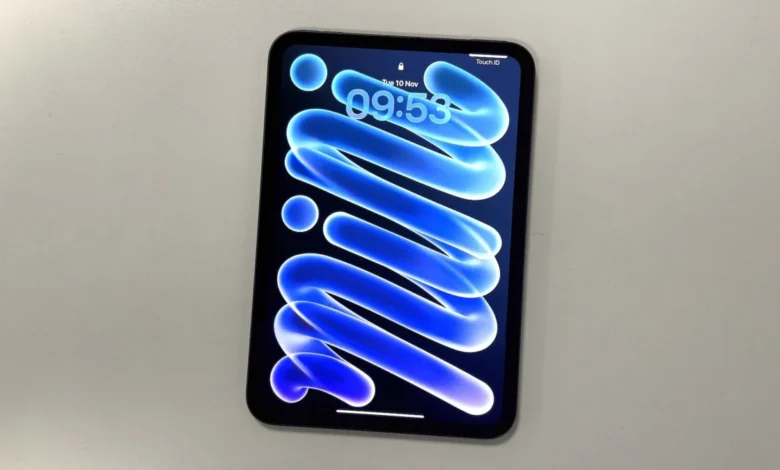
While Apple’s recent product cycle has been dominated by massive technological milestones—including heavily publicized ventures into foldable smartphone technology and touchscreen MacBook integration—a quieter yet deeply significant release has captured the attention of tech enthusiasts and portable productivity users alike. The debut of the 8th-generation iPad mini initially risked being overshadowed by the Cupertino giant’s larger headline-grabbing form factors. However, for a specific cohort of consumers who prioritize maximum portability without sacrificing high-end processing power, the latest iteration of Apple’s smallest tablet represents a monumental leap forward.
Featuring a completely overhauled visual interface headlined by a vibrant OLED display, alongside a remarkably slim and lightweight chassis, the new hardware has quickly earned praise across the tech community. For a limited window, major retailers have introduced the first significant retail discount on the device, dropping the price by $100 and bringing the entry cost down from $699 to $599 at Amazon. This early promotional discount has significantly accelerated consumer interest in a device already hailed by critics as a near-perfect execution of compact tablet engineering.
Evolution of the Compact Tablet: Background Context and Chronology
To understand the significance of the 8th-generation iPad mini, one must examine the trajectory of Apple’s smallest tablet line. Introduced more than a decade ago, the iPad mini was originally conceived as a pocket-friendly alternative to the traditional 9.7-inch iPad, appealing to readers, casual media consumers, and professionals needing a lightweight digital notebook. Over successive generations, Apple gradually narrowed the device’s bezels, upgraded its internal processors, and incorporated Apple Pencil support, transforming it from a budget-friendly media consumption tool into a powerhouse capable of handling demanding creative applications.
The path to the 8th-generation model involved a multi-year hardware drought that left many wondering if Apple would eventually sunset the line in favor of increasingly large-screen smartphones. However, the release of the 6th-generation model in 2021—which introduced a modern edge-to-edge design and USB-C connectivity—proved that a dedicated market for an 8-inch tablet remained robust. The subsequent development cycle focused heavily on display technology and silicon efficiency. By transitioning the display architecture from traditional LCD to OLED, Apple addressed long-standing user requests for deeper contrast ratios, superior peak brightness, and true blacks. Simultaneously, the integration of advanced system-on-chip technology bridged the gap between pocket-sized portability and desktop-grade capability.
Performance and Hardware Architecture
At the heart of the 8th-generation iPad mini lies the formidable A20 Pro chip, a high-performance processor that is shared among select top-tier mobile devices in Apple’s hardware ecosystem, including the iPhone 18 Pro and the iPhone Duo. This custom silicon utilizes a highly optimized sub-nanometer manufacturing process, delivering exceptional computational speed alongside remarkable energy efficiency.
During rigorous benchmark testing and real-world evaluations, the A20 Pro demonstrated seamless multitasking capabilities, effortlessly handling resource-intensive workflows such as 4K video editing, complex 3D rendering, and graphically demanding gaming environments. Power efficiency remains a standout metric for this generation; users can reliably achieve approximately ten hours of continuous web browsing or mixed media playback on a single charge.
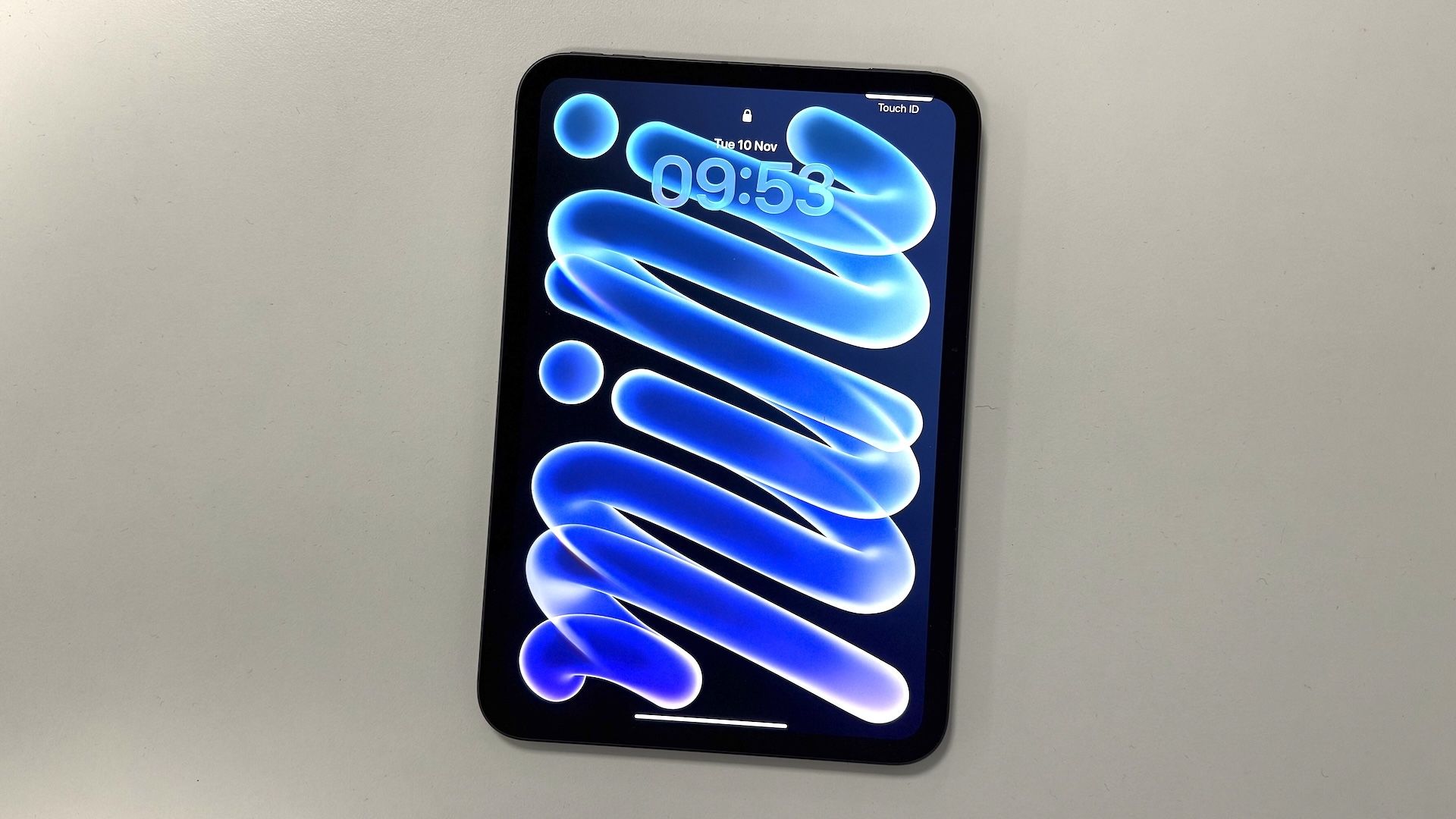
The physical redesign complements this internal power. By shedding noticeable weight and shaving millimeters off its profile, the device satisfies the ergonomic demands of mobile professionals, field technicians, and digital artists who require a tool that can be operated comfortably with one hand for extended periods. The inclusion of the new OLED panel further elevates the hardware, providing vibrant color reproduction that meets the exacting standards of professional photographers and graphic designers working on location.
Market Reception and Promotional Pricing Strategy
The timing of the initial $100 discount coincides with a fiercely competitive retail period, offering consumers an unexpected financial incentive on a brand-new release. Typically, Apple maintains strict price controls on its freshly launched hardware, making immediate retail price reductions a rare occurrence. Industry analysts view the $599 price point—down from the standard $699 MSRP—as a strategic move to capture market share among holiday shoppers and enterprise buyers looking to upgrade their mobile fleets.
Early reviews from industry publications and design platforms have been overwhelmingly favorable. Reviewers have highlighted the device’s rare ability to combine uncompromising performance with an ultra-portable footprint. While larger tablets like the iPad Pro cater to users who require expansive workspace canvases, the iPad mini occupies a distinct niche for individuals whose workflows depend on mobility, quick note-taking, rapid sketching, and real-time data reference.
Broader Industry Implications and Future Outlook
The launch and early discounting of the 8th-generation iPad mini signal a broader industry trend toward hardware convergence. As mobile processors continue to narrow the performance gap traditionally held by desktop computers, specialized form factors are experiencing a renaissance. Consumers no longer need to compromise processing power to achieve portability.
Furthermore, the widespread adoption of OLED technology across Apple’s mobile and tablet lineups establishes a new baseline visual standard for portable electronics. Competitors in the Android tablet ecosystem will likely face increased pressure to match the display fidelity and energy efficiency demonstrated by the A20-powered mini.
As retailers continue to feature promotional pricing on the device, market analysts project steady demand throughout the fiscal quarter. Whether the current discount becomes a permanent fixture or remains a temporary incentive, the 8th-generation iPad mini has successfully reasserted its value proposition, proving that significant innovation can indeed be packaged in remarkably compact dimensions.
Related posts: