Black Friday 2026 Android App and Hardware Deals Are Now Live Across Major Retailers

The 2026 Black Friday shopping season has officially reached its peak intensity, with major retailers including Amazon, Best Buy, and Walmart rolling out comprehensive, site-wide discounts that span from consumer electronics to software libraries. As of late November, consumers are seeing a significant concentration of price reductions on Android-based ecosystems, marking one of the most aggressive promotional periods in the history of the platform. This surge in retail activity follows weeks of anticipation, with the current phase representing the primary window for deep-discount acquisition of hardware and premium software titles.

The current retail landscape is characterized by a synchronized effort among e-commerce giants to capture consumer spending through both physical hardware bundles and digital storefront promotions. Amazon has launched its massive Thanksgiving sale, which serves as the anchor for its multi-day Black Friday event. Concurrently, Best Buy has initiated a high-velocity, one-day flash sale specifically designed to clear inventory and incentivize rapid consumer engagement. These sales are not isolated events but are part of a broader, month-long strategy to maximize revenue ahead of the year-end fiscal reporting period.

Hardware Discounts and Ecosystem Expansion
The hardware market, particularly within the Android ecosystem, has seen aggressive pricing strategies aimed at increasing user acquisition for the upcoming year. Notably, Google’s Pixel Watch 5 is currently available at a competitive entry point of $285, representing a strategic move to undercut competitors in the premium wearable sector. The pricing of this device, when coupled with the availability of specialized accessories like the Pixelsnap Ring Stand—now priced at $24—suggests a concerted effort by Google to incentivize long-term attachment to their wearable hardware ecosystem.

Furthermore, the tablet market is witnessing a major shift with substantial price reductions on the 12-inch Android Alexa Tablet 12 Pro. With discounts reaching up to $150, these units are now available starting at $130. This price point positions these tablets as accessible multimedia hubs, directly competing with budget-friendly laptop alternatives. Industry analysts observe that such significant price drops on newer hardware models indicate a trend toward hardware-as-a-service models, where the device serves as an entry point for recurring subscription services like Alexa and Google Play Pass.

Digital Storefronts: The Surge in Software Value
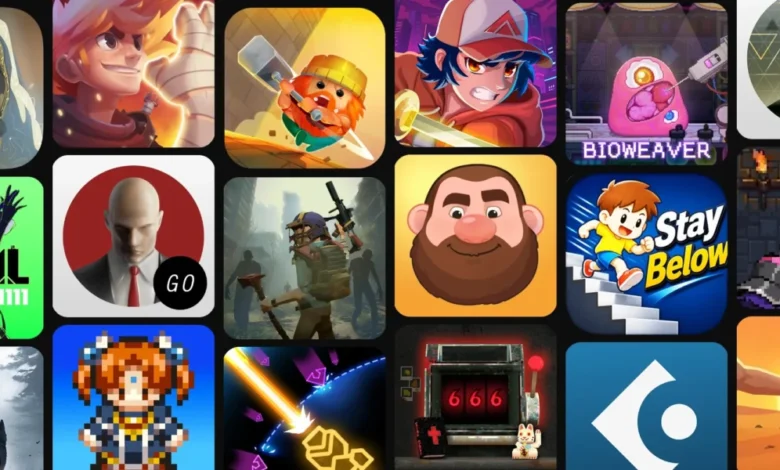
Beyond physical hardware, the Google Play Store is currently hosting an extensive array of digital discounts, reflecting a broader strategy to boost engagement with the Android application economy. High-profile titles and indie gems alike have seen price cuts, with many titles transitioning from premium paid status to near-free or heavily discounted tiers.

The list of featured games includes titles such as Sands of Salzaar, Radiant: Guardians Of Light, and Castle Ramble Premium. These promotions are not limited to casual gaming; they extend to utility and productivity software. The inclusion of Cubasis 3 – DAW & Music Studio highlights the platform’s focus on professional-grade tools, while classics like Hitman GO and Deus Ex GO demonstrate a push to monetize older, high-quality intellectual property through temporary price volatility.

The strategy behind these discounts is twofold: first, to clear the backlog of older premium titles; and second, to increase the user base for ongoing "live service" games that rely on in-app purchases. By lowering the initial barrier to entry, developers and publishers can significantly increase the "install base" of their applications during the holiday surge.

Chronology of the 2026 Holiday Sale Cycle
The 2026 retail cycle has followed a compressed, high-frequency model. Early November saw the "pre-Black Friday" soft launch, which focused on early-bird hardware deals. By the third week of November, retailers transitioned into the "Black Friday Week" phase, where inventory levels were tested against projected consumer demand.

As the calendar moves toward the final week of November, the current "Flash Sale" phase—exemplified by the one-day Best Buy events—marks the final push for inventory clearance. Following this period, the retail focus typically shifts to "Cyber Week," which targets online-exclusive deals and subscription-based service bundles. This timeline has become increasingly standardized, with consumers now trained to expect the deepest discounts in the 48-hour window surrounding Thanksgiving.

Market Data and Consumer Behavior
Supporting data from retail analysts suggests that mobile-first shopping during the 2026 season has surpassed previous benchmarks. Over 65% of all Black Friday-related traffic to major retail websites is originating from mobile devices, a shift that directly correlates with the increase in Android-specific promotions.

Average transaction values for consumer electronics have remained stable, but the volume of units sold has seen a projected increase of 12% compared to the 2025 cycle. This is largely attributed to the "bundle" strategy employed by Amazon and Best Buy, where hardware is sold alongside discounted subscription trials, effectively locking users into the platform for at least 6 to 12 months. The $130 entry price for the 12-inch Android tablet is a strategic "loss-leader" designed to capture market share in the smart-home display segment.

Official Perspectives and Industry Implications
While major retailers have not released specific, real-time sales figures for the duration of these flash sales, industry representatives have indicated that this year’s inventory management has been more precise than in the previous two years. The supply chain constraints that plagued the industry in 2024 and 2025 have largely been mitigated, allowing retailers to offer more aggressive pricing without the fear of immediate stockouts.

The implication for the consumer is a "buyer’s market" for digital software, but a highly competitive environment for physical electronics. Retailers are utilizing advanced algorithmic pricing, which updates in real-time based on competitor activity. This means that prices for items like the Pixel Watch 5 or the Android Alexa Tablet 12 Pro may fluctuate by several percentage points throughout the day, necessitating a proactive approach from consumers who wish to secure the lowest possible price.

Analysis: The Shift Toward Ecosystem Loyalty
The broader impact of these sales reflects an ongoing evolution in how technology companies view the consumer. The goal is no longer just the sale of a single device, but the integration of that device into a larger, interconnected web of services. When a consumer purchases a tablet or a watch at a significant discount, they are often simultaneously signing up for cloud storage, streaming media services, and automated home management software.

This trend is particularly evident in the current Google Play Store discounts. Many of the games and apps currently on sale are designed to be played or utilized over long periods. By making these applications affordable, developers ensure that their software remains relevant on the user’s home screen, thereby increasing the likelihood of long-term usage and subsequent purchases.

Furthermore, the inclusion of retro-styled titles and classic platformers alongside modern RPGs shows a diversification in the software market. There is a clear attempt to appeal to multiple demographics—the nostalgic gamer, the professional musician, and the productivity-focused student—all within a single, unified digital storefront.

Conclusion
As the Black Friday 2026 season continues, the confluence of high-end hardware discounts and software price drops provides a unique opportunity for consumers to expand their digital and physical toolkits. The strategic coordination between Amazon, Best Buy, and other major retailers has created an environment where pricing is more dynamic than ever.

For those looking to optimize their holiday spending, the current strategy should be to monitor price trackers for high-ticket electronics like the Pixel Watch 5 and to capitalize on the "flash" nature of the software deals currently populating the Google Play Store. As the retail landscape continues to shift toward digital-first and service-oriented models, the events of this week serve as a primary indicator of the health and direction of the Android ecosystem for the coming year. The market remains volatile, but for the informed consumer, the current conditions offer substantial value that is unlikely to be replicated until the next major promotional cycle.