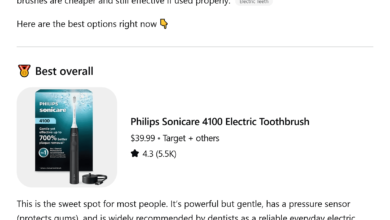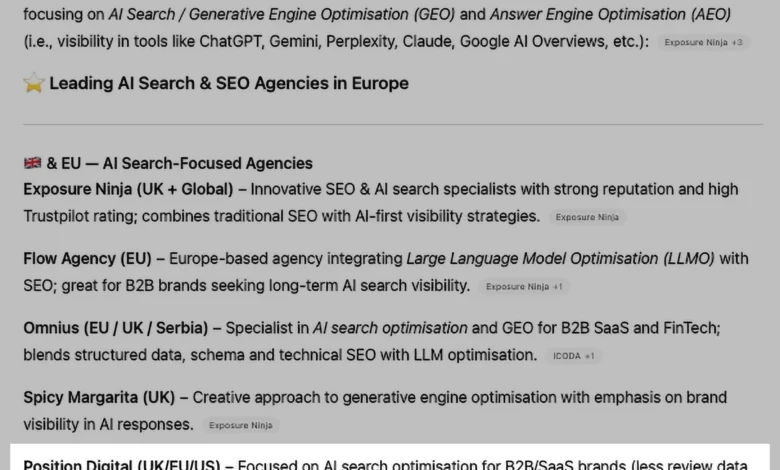
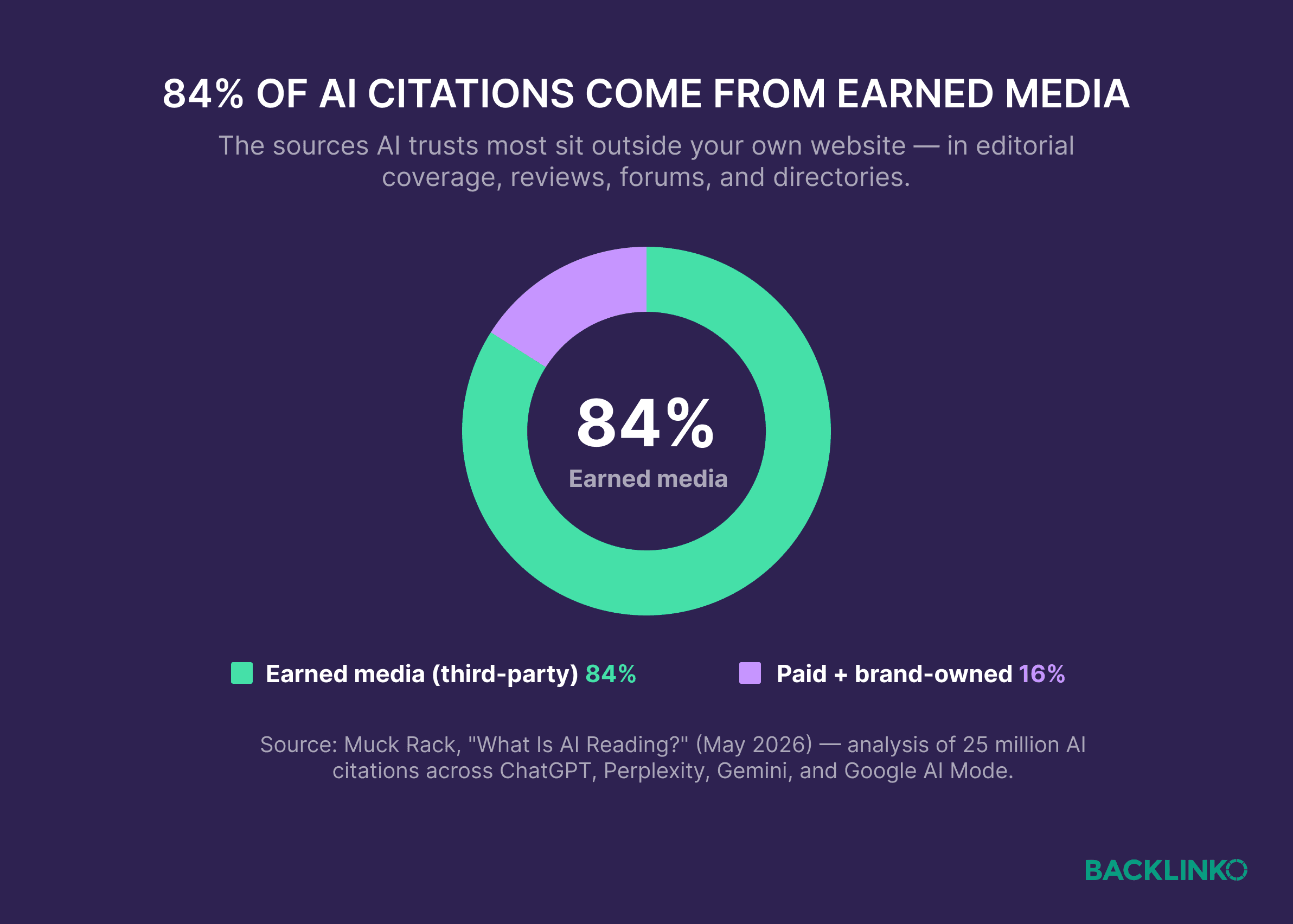
The rapid evolution of search engine technology from traditional keyword-matching algorithms to generative artificial intelligence has fundamentally altered how brands achieve digital visibility. Recent empirical data underscores a profound structural change in how Large Language Models (LLMs) source, aggregate, and present information to end users. Rather than relying heavily on self-published website architecture or basic on-page optimization, modern AI ecosystems place a premium on external validation. Industry studies indicate that an overwhelming majority—approximately 84%—of AI citations originate from earned media, third-party editorial coverage, independent reviews, and peer-to-peer discussion forums. This paradigm shift signals that brand authority is no longer dictated solely by what a company communicates on its own domain, but rather by the frequency, context, and credibility of its mentions across the broader digital landscape.
Understanding the Mechanics of AI Discovery and Citation
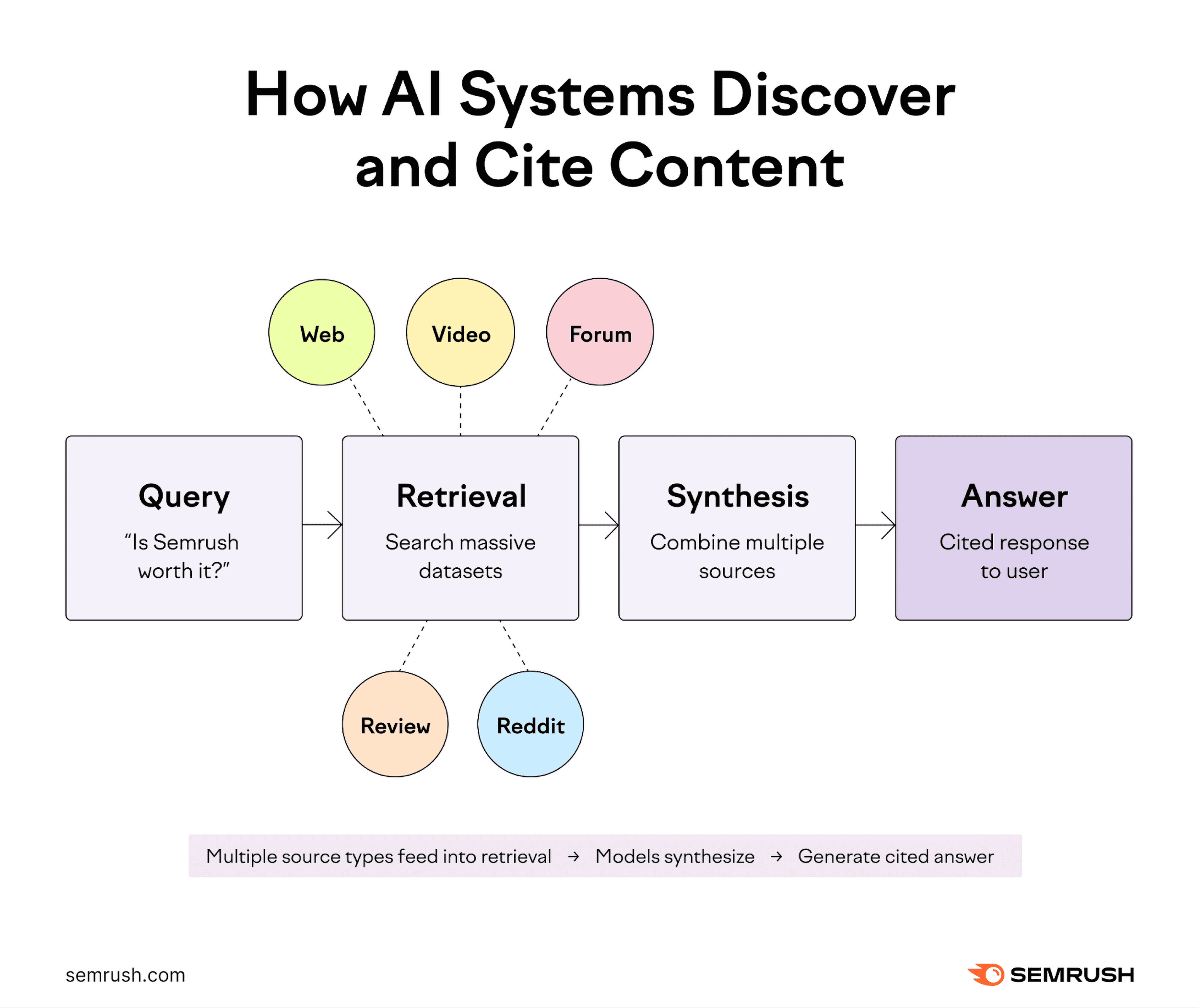
To comprehend why digital public relations has emerged as the premier strategy for generative engine optimization (GEO), one must analyze how LLMs process information. Unlike traditional search engines that crawl individual web pages and rank them based on links and keywords, AI models synthesize answers by aggregating data from dozens of distinct sources across the internet. When a user enters a complex prompt, the underlying neural network identifies patterns of consensus. Brands that appear consistently across authoritative third-party publications, industry roundups, and active online communities become embedded within the model’s training data and real-time retrieval mechanisms. Consequently, conventional SEO tactics must now be augmented with sophisticated digital PR campaigns designed to place a brand into the specific information streams that AI systems actively monitor and trust.
Strategy One: Data-Led Public Relations and Original Research
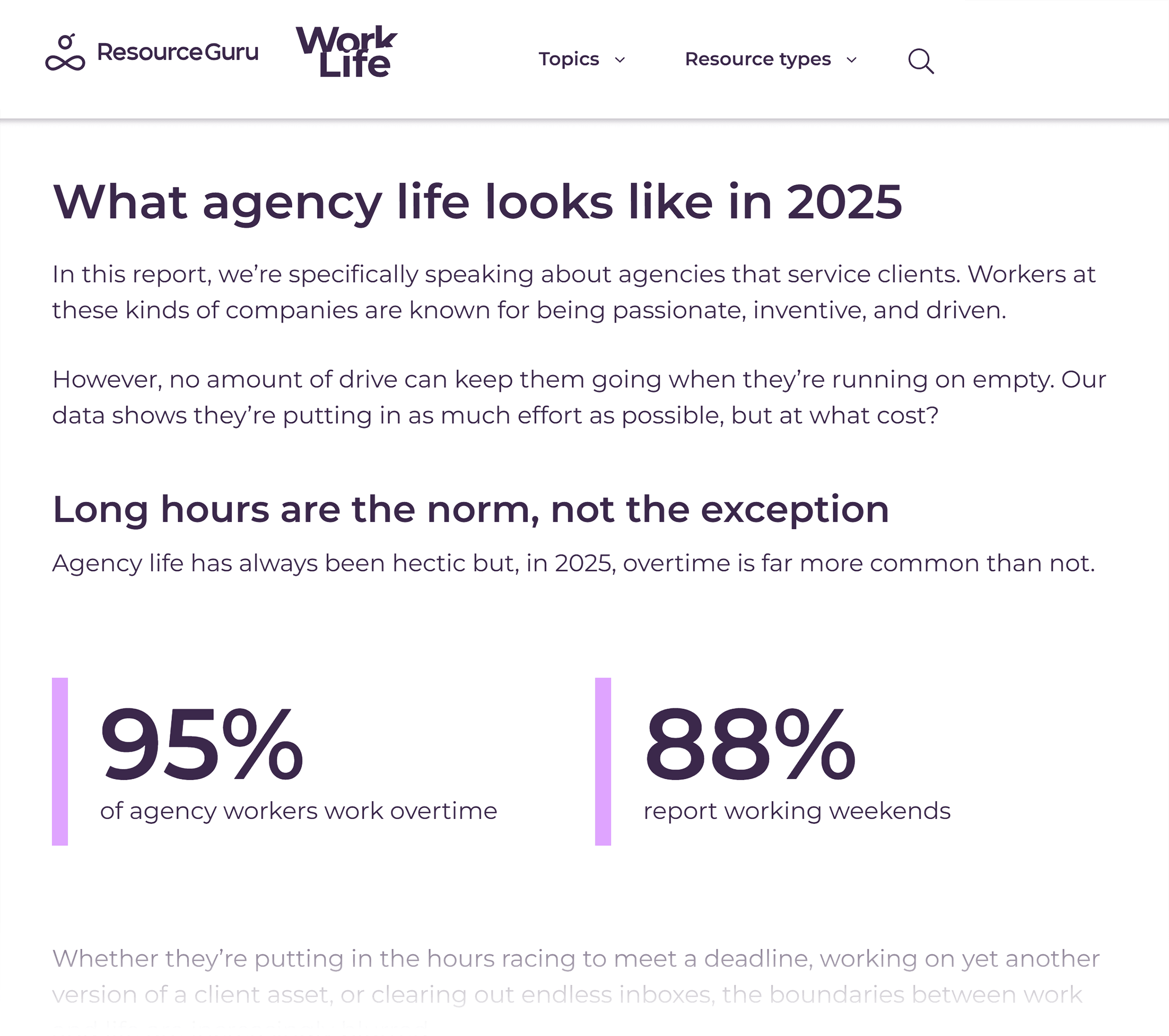
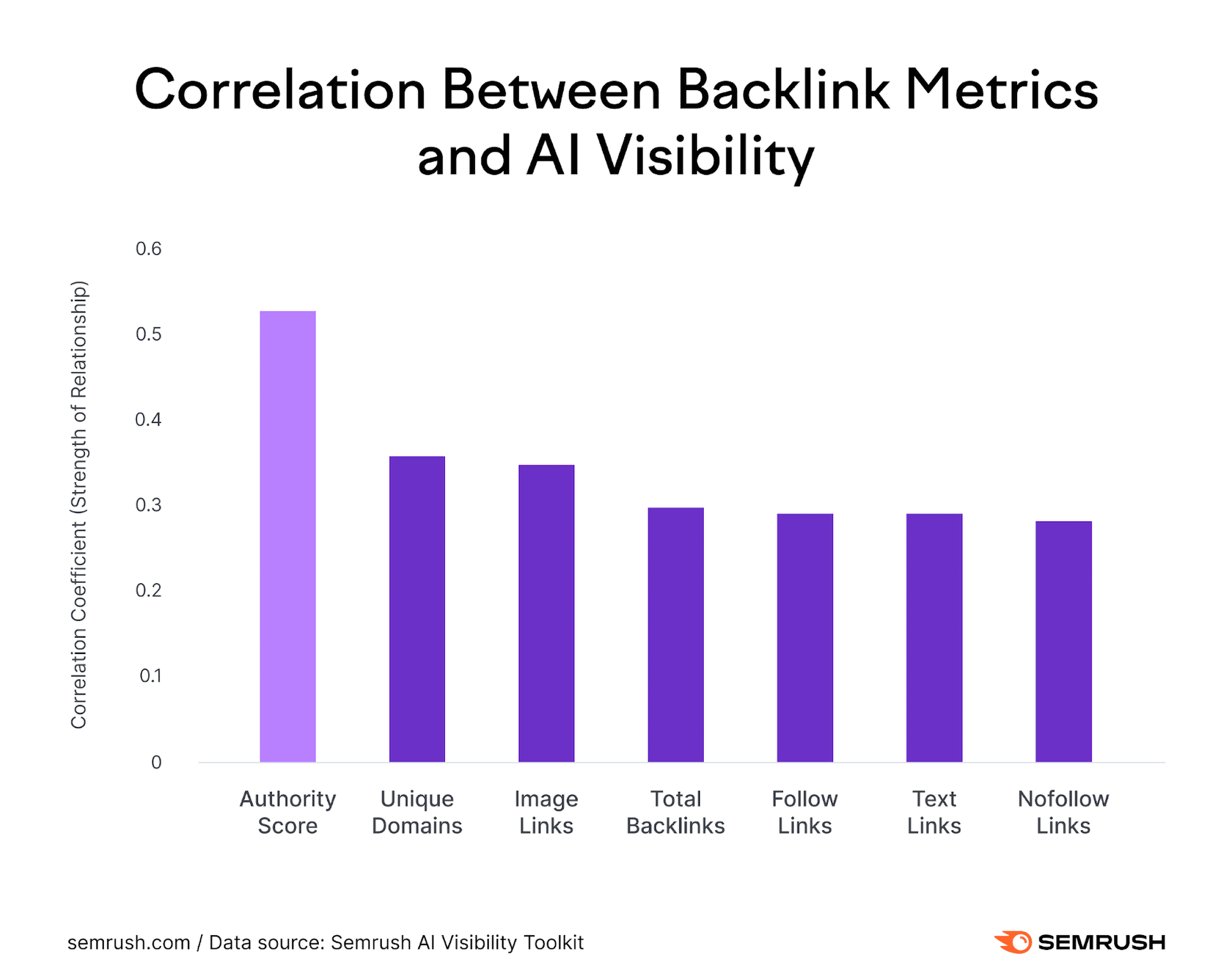
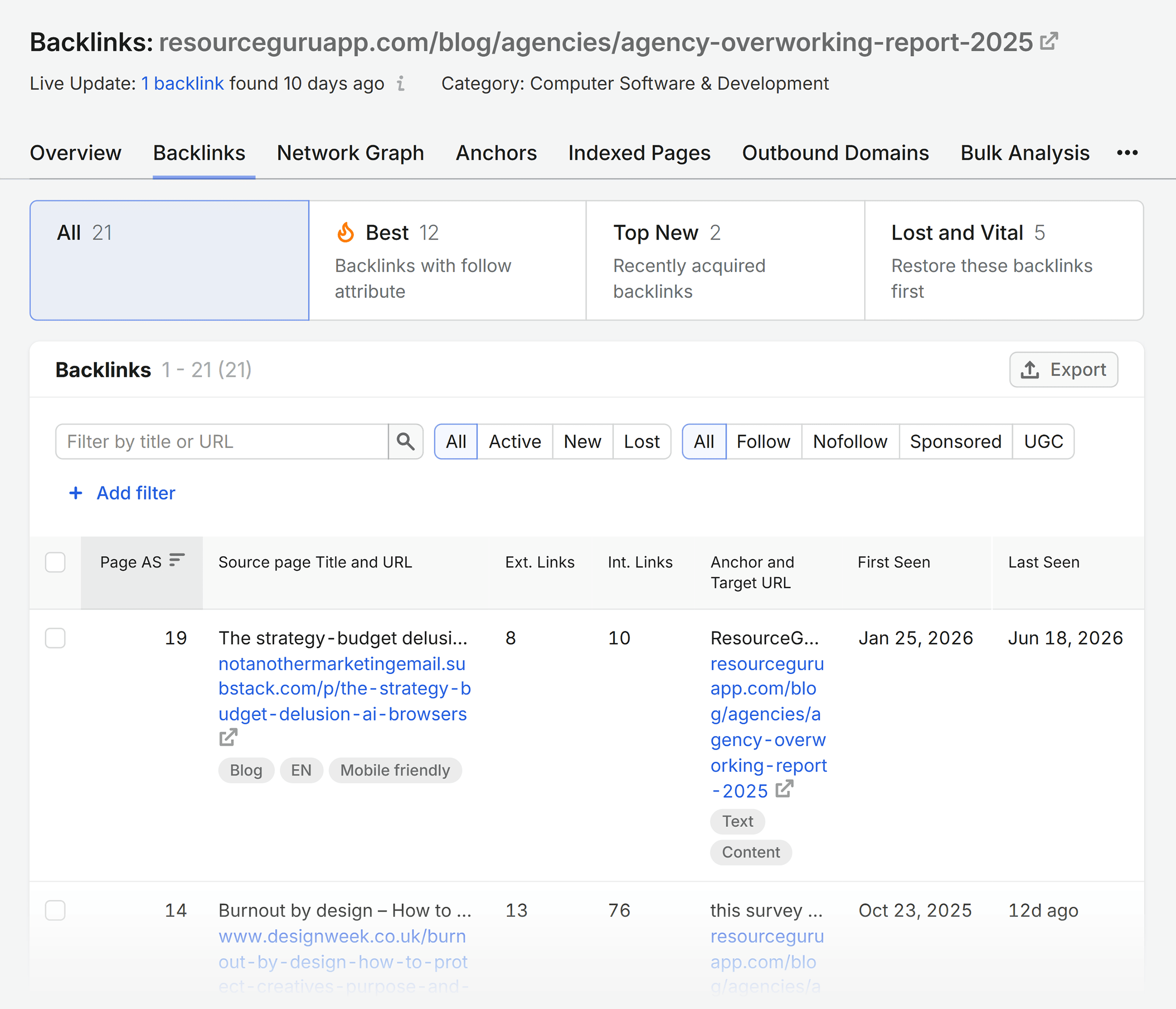
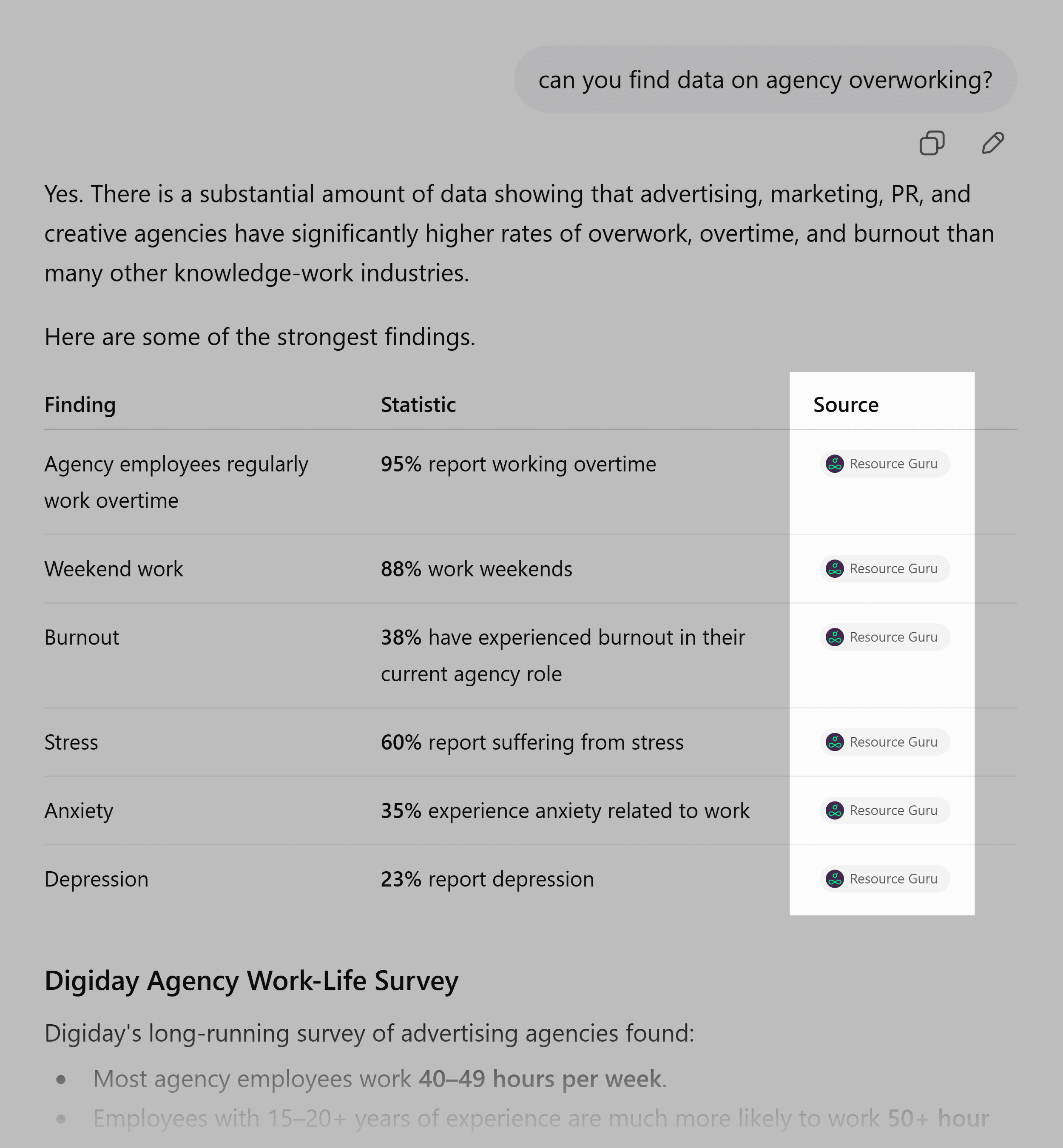
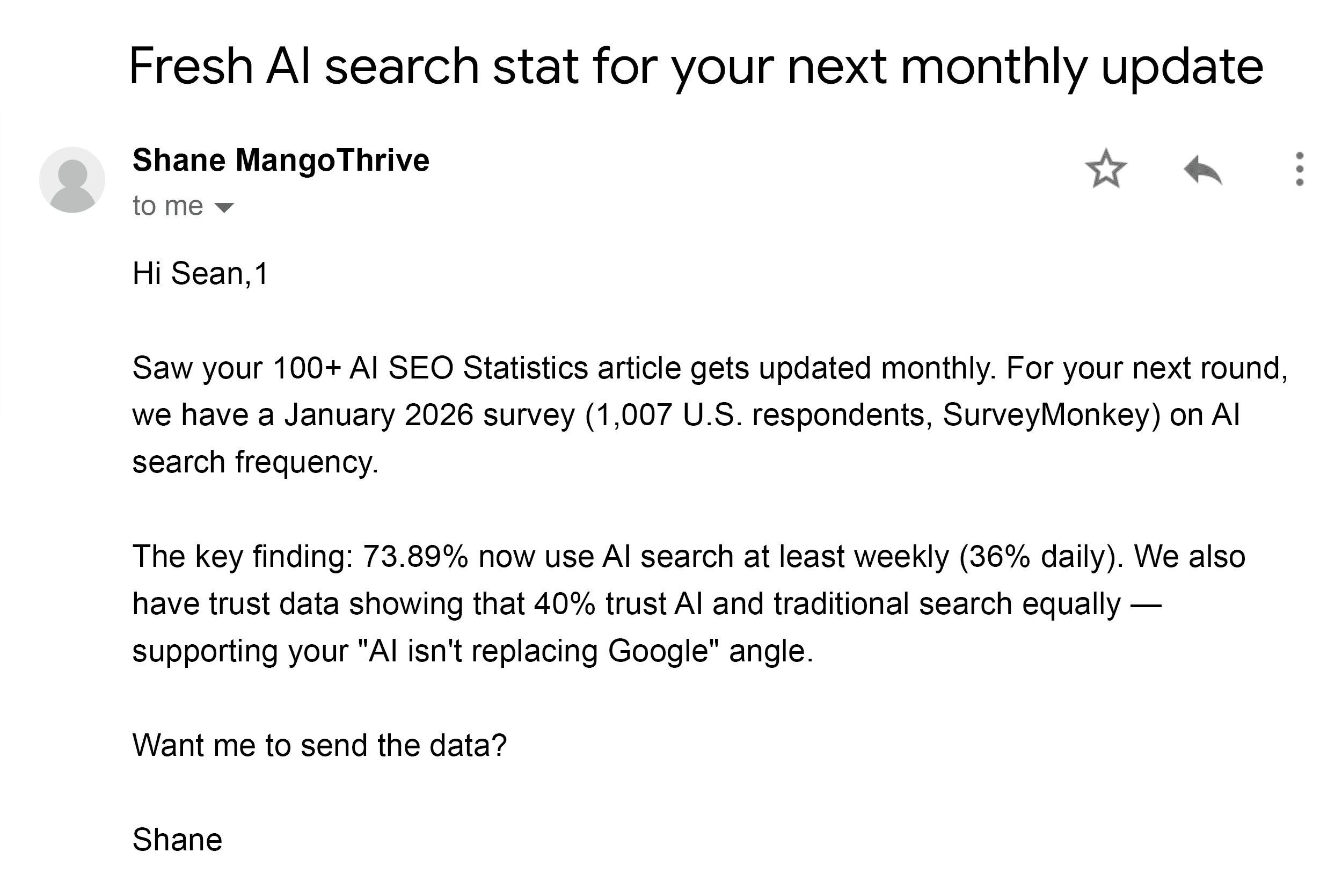
One of the most robust methods for securing high-authority backlinks and organic brand mentions is data-led PR. This approach centers on publishing original research, proprietary surveys, and comprehensive statistical reports that journalists, bloggers, and industry analysts actively seek out to support their own reporting. Data from prominent digital marketing analyses reveals a strong correlation between high domain authority, quality backlink profiles, and frequent citations in AI-generated answers. When a company produces unique, empirical data—such as industry overworking reports or benchmark metrics—other publications naturally reference those findings, embedding the original creator’s name into the resulting digital footprint. To execute this effectively, organizations must publish their findings and systematically pitch updated statistics to writers looking to replace outdated references, thereby capturing valuable real estate in newly forming AI datasets.
Strategy Two: Targeted AI Citation Outreach
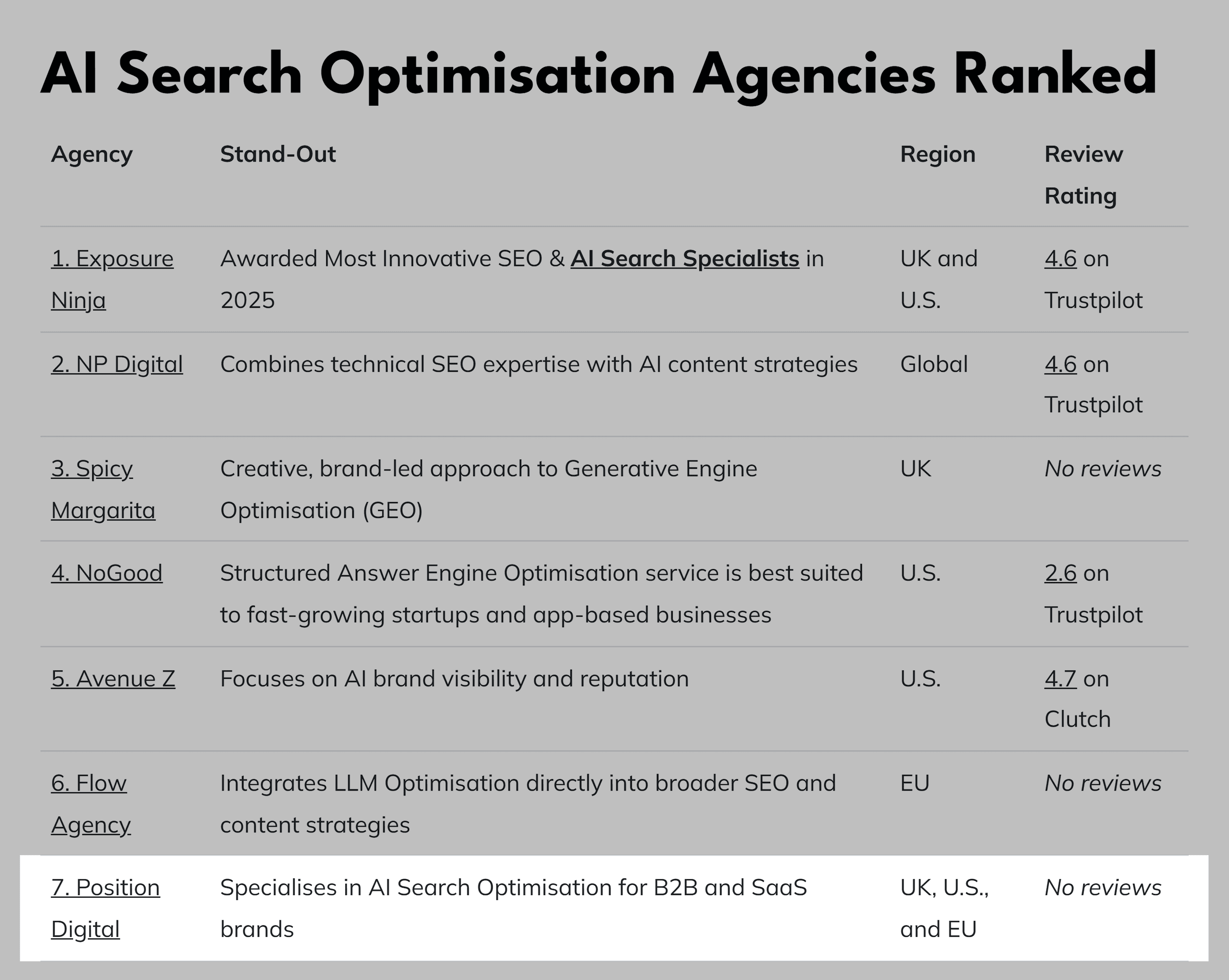
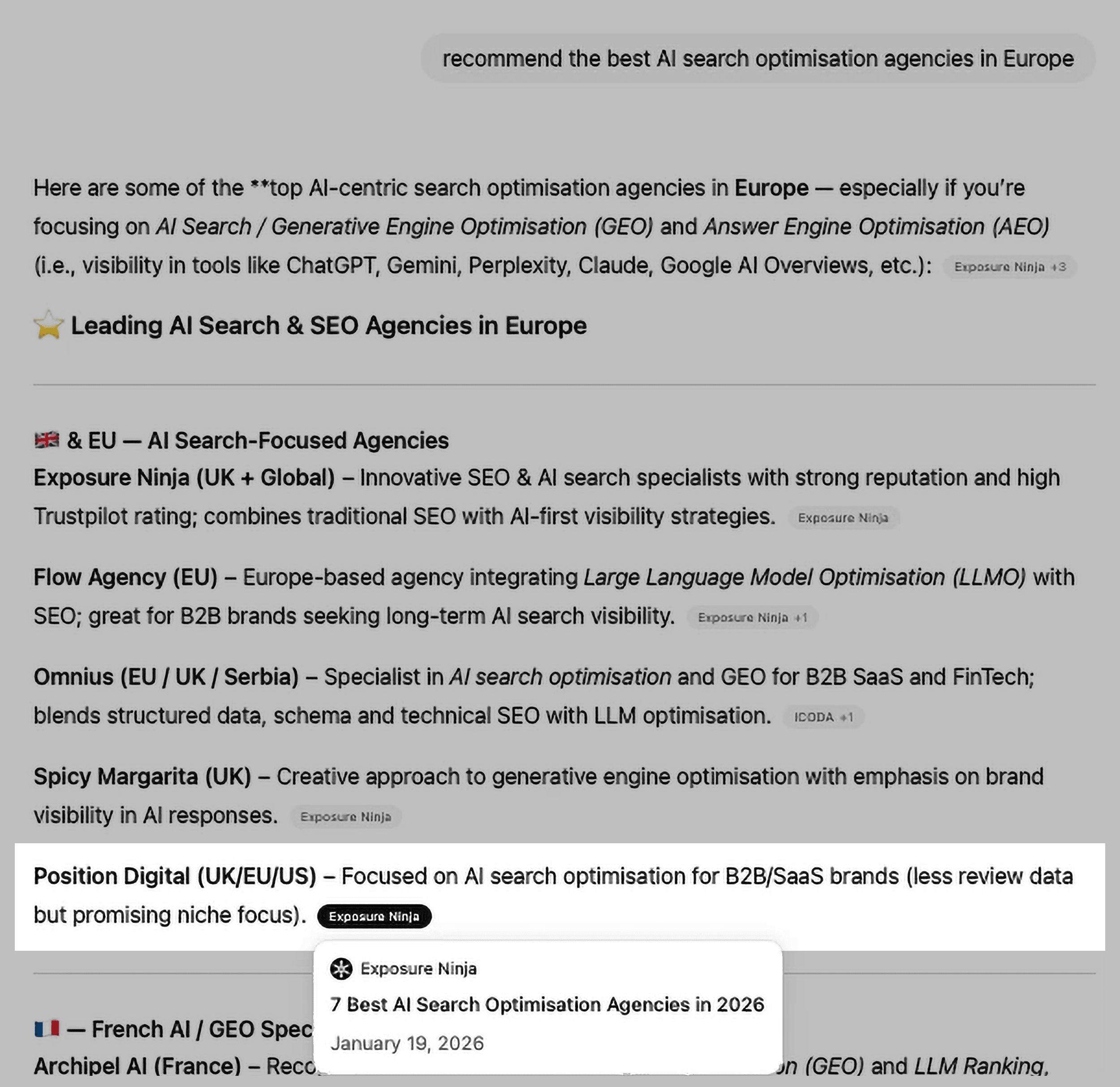
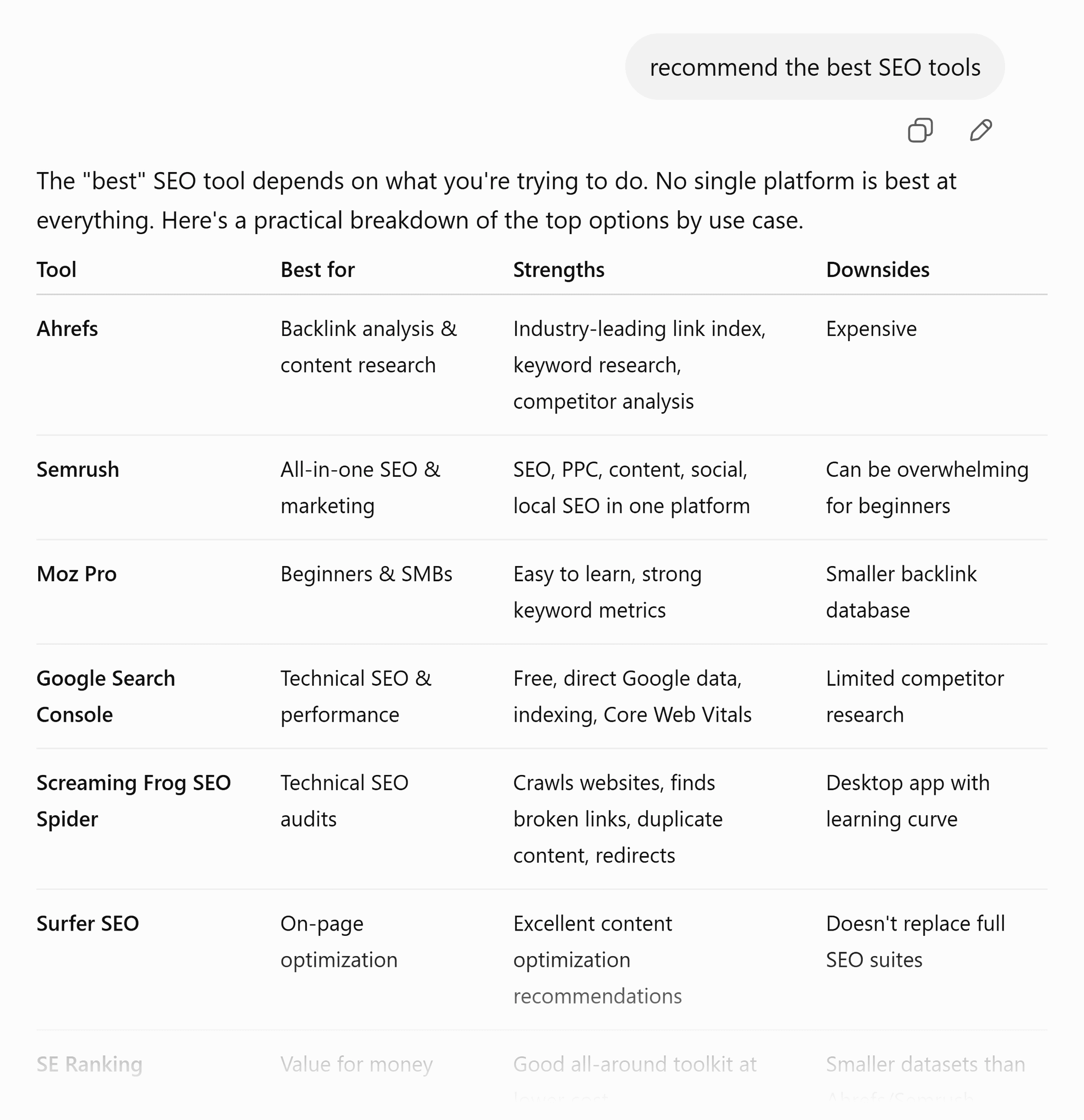
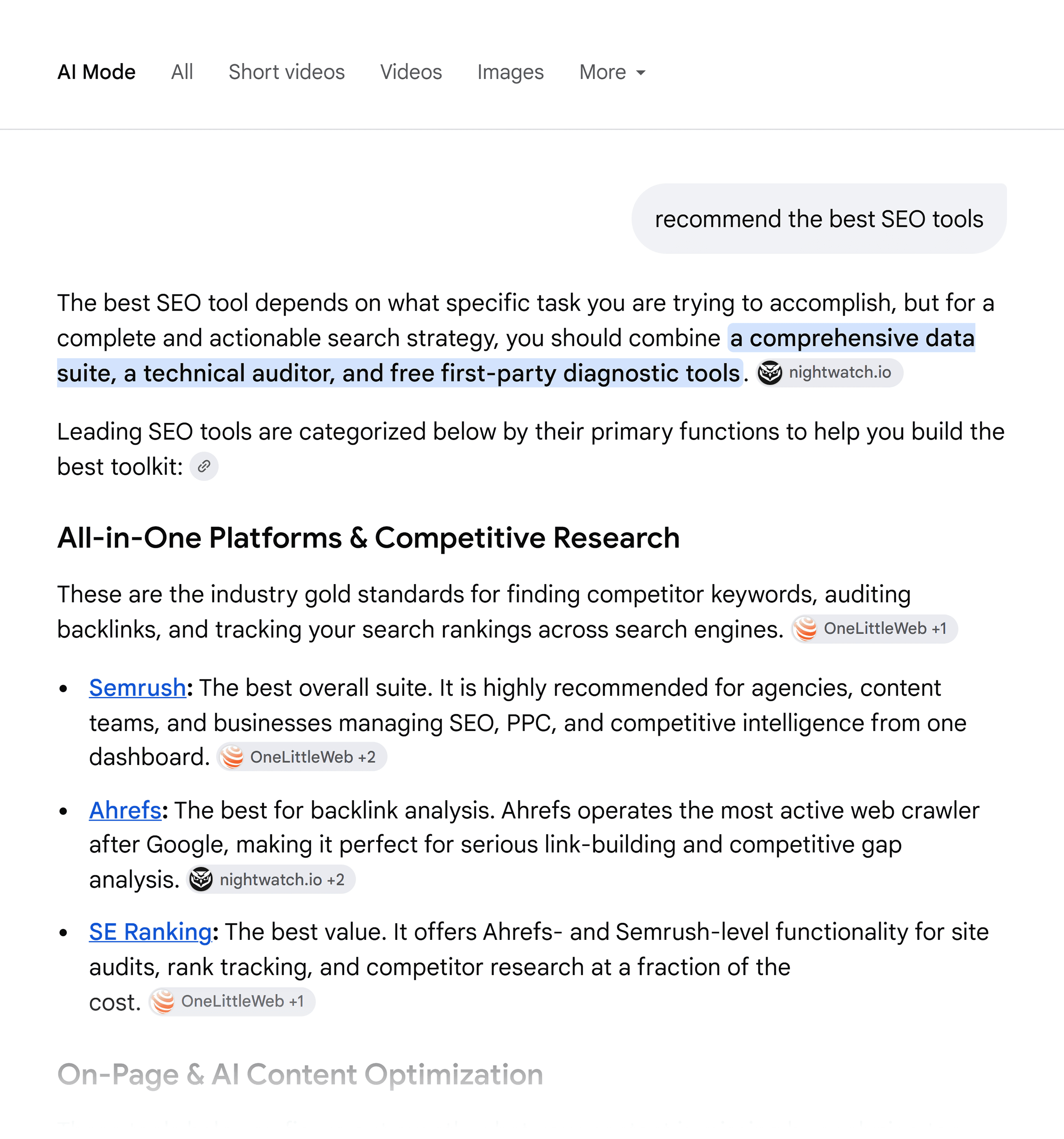
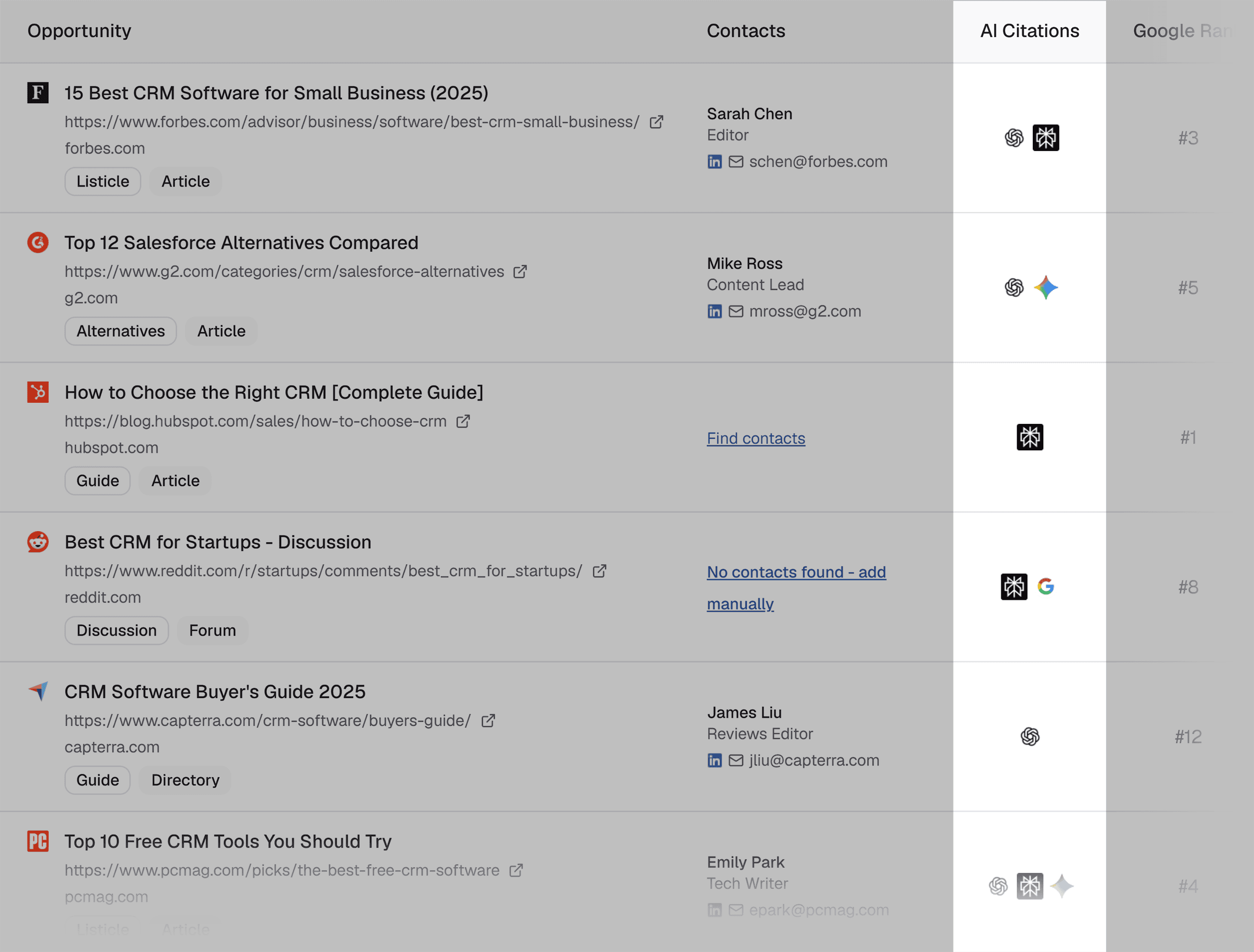
As generative search engines like ChatGPT, Google’s AI Mode, and Perplexity become mainstream, optimizing for specific LLM outputs has become an essential discipline. AI citation outreach involves identifying the exact listicles, comparison articles, and resource guides that AI models pull from when answering user queries in a specific niche. Because different LLMs favor distinct data sources, digital marketers must map out target user prompts—utilizing sales call transcripts, search console queries, and specialized visibility toolkits—to track which URLs are repeatedly cited. Once these influential third-party pages are identified, proactive outreach to the authors with tailored, value-driven pitches allows brands to secure coveted placements within the exact ecosystem AI models rely upon for recommendations.
Strategy Three: Capitalizing on Reactive PR and Breaking News
The dynamic nature of generative search creates unique challenges regarding real-time information retrieval. LLM training data possesses temporal limitations, forcing models to scan the live web for fresh sources when users inquire about breaking news, emerging industry guidelines, or viral trends. Reactive PR capitalizes on this operational window by prioritizing speed and agility. When a significant industry development occurs, the initial wave of coverage typically stems from only a handful of primary outlets. Brands that swiftly publish expert commentary, timely analysis, or original reporting during this critical window position themselves as primary sources for the web crawlers feeding live AI responses. Monitoring industry newsletters, platform announcements, and niche forums helps communications teams spot emerging narratives before they hit mainstream saturation.
Strategy Four: Leveraging Ego Bait and Expert Collaboration
Content marketing that incorporates insights from respected industry leaders—commonly referred to as ego bait—serves a dual purpose in the age of AI search. First, it significantly enhances the perceived credibility of the published material. Research into AI search visibility consistently shows that articles featuring authoritative expert quotes achieve higher average citation rates across major generative platforms than those without them. Second, featuring prominent figures establishes an organic distribution channel. When experts are quoted, they frequently share the content with their own networks, generating a cascade of social mentions, backlinks, and cross-platform visibility. Strategies such as expert roundups, collaborative case studies, and curated influencer lists generate the precise trust signals that modern algorithms interpret as markers of genuine authority.
Strategy Five: Establishing Thought Leadership Across Multiple Channels
While traditional SEO focuses on ranking static web pages for high-volume keywords, thought leadership is designed to cultivate recognizable brand and personal authority that appeals to both human audiences and algorithmic evaluators. Semrush data highlights that professional networking platforms like LinkedIn rank among the most frequently cited domains in AI search responses. Consequently, executives and brand leaders who publish challenging, perspective-driven commentary spark robust community engagement and debate. This external engagement frequently ripples across blogs, newsletters, and independent publications. Furthermore, implementing frameworks such as multi-channel guest posting—where core concepts are expanded upon and distributed across high-authority third-party websites—ensures that multiple independent sources point back to a brand as the definitive originator of a concept.
Strategy Six: Community Building and Third-Party Validation
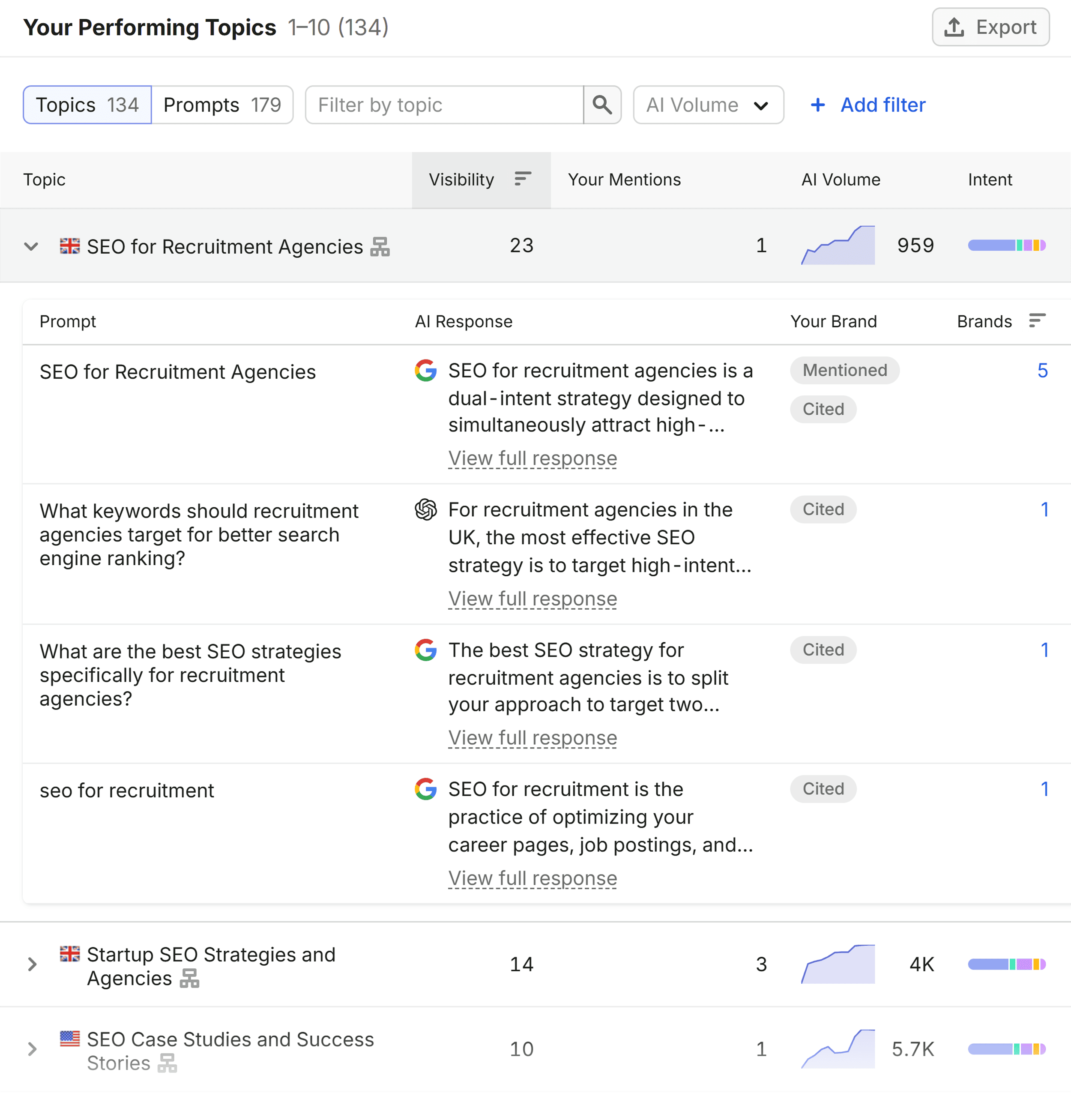
Perhaps the most revealing insight from recent AI visibility studies is the profound trust generative models place in neutral, community-driven platforms. Empirical research demonstrates that LLMs frequently cite user discussions on Reddit, Quora, and specialized forums more often than corporate blogs managed by the very companies being discussed. Similarly, review and rating platforms such as Trustpilot and G2 play a decisive role; data indicates that maintaining an active, positively reviewed profile drastically increases a brand’s probability of being recommended in AI responses. To capitalize on this, organizations must engage in authentic community building, contributing expert insights to relevant threads without resorting to overt self-promotion, while actively encouraging customer feedback on independent review channels.

Implications for the Future of Digital Marketing
The transition toward AI-driven discovery signals the end of insular, self-promotional marketing strategies. Because generative engines prioritize consensus, third-party validation, and earned media over proprietary claims, brands must invest heavily in comprehensive digital PR programs. By combining data-led research, reactive commentary, expert collaborations, and active community participation, organizations can successfully shape the narratives that AI models ingest and reproduce. As search technology continues its trajectory toward automated, conversational answers, the companies that win will be those whose presence is validated not just by their own websites, but by the collective voice of the entire digital ecosystem.