Major Smart Home Brands Slash Video Doorbell Prices by Over 50% Ahead of Black Friday 2026

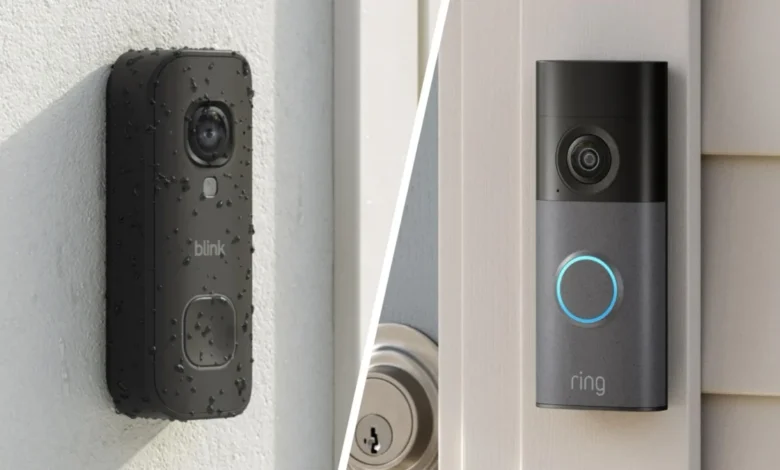
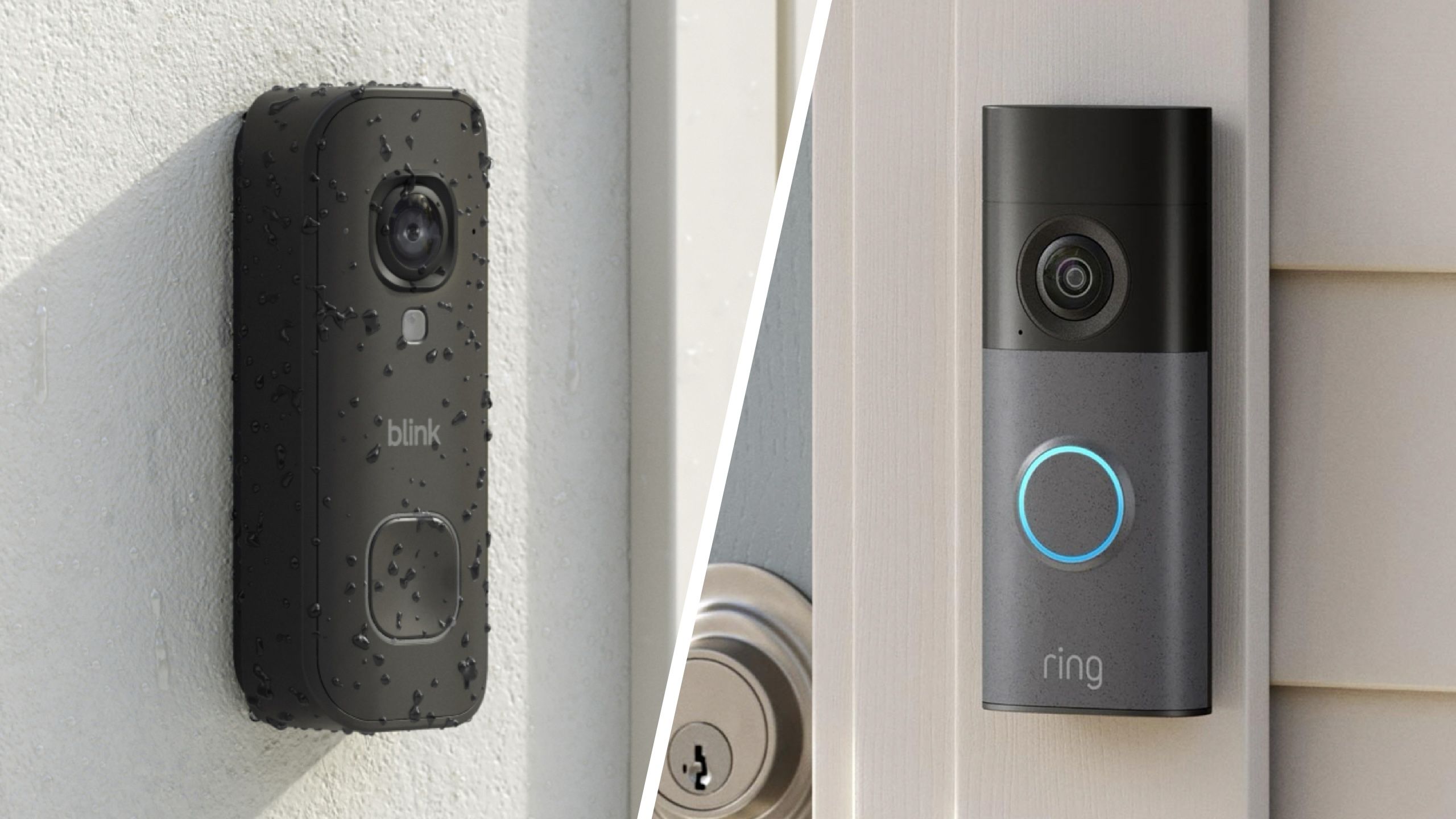
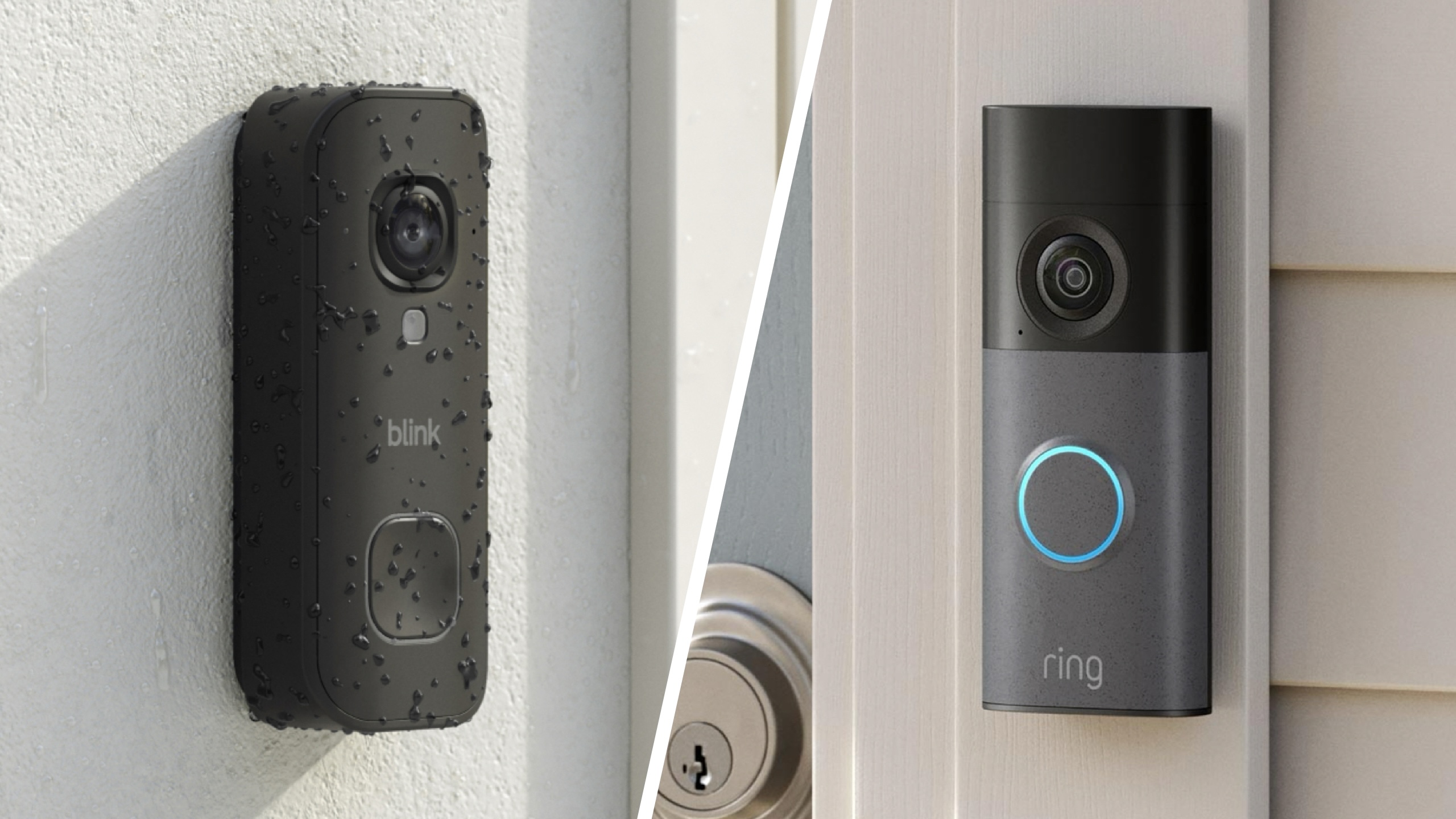
The smart home hardware market is experiencing a notable pricing shift as major manufacturers, including Ring, Arlo, and Blink, introduce aggressive discounts exceeding 50% on popular video doorbell models ahead of the upcoming Black Friday 2026 shopping event. While consumer technology sectors such as smartphones and high-end computing have faced continuous price increases over the past year, the smart video doorbell category has bucked macroeconomic trends by becoming increasingly affordable. Industry analysts note that robust market competition and advancements in manufacturing efficiency have allowed brands to pack advanced features—such as 2K high-definition resolution, enhanced night vision, and bidirectional audio—into entry-level devices that now routinely retail for under $40.
Background Context and Market Evolution
The evolution of the smart video doorbell market over the past decade reflects a transition from luxury home security add-ons to mainstream household utilities. Introduced initially as expensive, proprietary gadgets requiring professional installation, these devices quickly gained traction among homeowners and renters seeking to monitor package deliveries and enhance residential perimeter security.
As consumer demand expanded, component costs for high-definition image sensors, Wi-Fi modules, and wide-angle lenses decreased significantly. This technological democratization enabled brands to introduce budget-friendly alternatives without sacrificing core functionalities. However, a persistent industry pain point has been the reliance on cloud-storage subscriptions. While hardware prices plummeted, ongoing monthly fees required to store and review historical footage often offset the initial low cost of the device. Consequently, consumer preferences have gradually shifted toward hardware supporting local storage options, such as microSD cards or dedicated home base stations, prompting manufacturers to adapt their product lineups accordingly.
Chronology of the Pre-Black Friday Retail Shift
The current wave of discounts began taking shape in early November 2026, as major electronics retailers and direct-to-consumer brands initiated early-bird holiday promotions to capture early shopper interest amidst a competitive retail landscape.
- Early November 2026: Manufacturers release early promotional pricing calendars, signaling steep discounts on legacy and mid-tier smart home ecosystems.
- Mid-November 2026: Industry giants such as Amazon-owned Ring and Netgear-backed Arlo drop prices by more than 50% across select inventory, triggering a competitive response from budget-focused brands like TP-Link and Eufy.
- Late November 2026: Retailers consolidate their promotional catalogs, establishing sub-$40 price points as a benchmark for baseline video doorbell functionality, while emphasizing feature-rich dual-camera models for higher-end consumers.
Analyzing Key Hardware Options and Feature Sets
Navigating the current market requires balancing upfront hardware costs with long-term operational expenses, primarily driven by subscription models. Industry experts emphasize that while ultra-cheap doorbells lower the barrier to entry, recurring cloud fees can accumulate rapidly over the lifespan of the device.
Among the standout offerings in the current sales cycle is the Tapo D205, which has garnered attention for integrating local storage capabilities at an accessible price point of approximately $38. By bypassing the necessity of a cloud subscription, local storage models offer a privacy-centric and economically sustainable alternative for budget-conscious consumers who wish to review motion events without ongoing overhead.
Conversely, consumers with specific security requirements—such as multi-angle monitoring or heavy package delivery schedules—are gravitating toward sophisticated hardware configurations like the Eufy E340. Featuring a dual-camera architecture designed to monitor both the visitor at the door and packages left on the ground simultaneously, this model commands a higher price but addresses specific pain points associated with porch piracy and obstructed fields of view.
Industry Data and Consumer Trends
Recent retail analytics underscore a broader consumer preference for smart home security devices that offer transparent, all-inclusive pricing models. Market research indicates that hardware sales spikes during major retail events like Black Friday are increasingly driven by ecosystem integration—consumers purchasing video doorbells that seamlessly interface with existing smart displays, voice assistants, and automated lighting systems.
Furthermore, data from smart home security watchdogs reveal that subscription fatigue is a primary driver behind the surging popularity of local-storage doorbells. Households are increasingly auditing their monthly digital subscriptions, making hardware that operates independently of cloud servers significantly more attractive. Brands that have adapted to this demand by offering expandable local storage or hybrid models are capturing a growing share of the entry-to-mid-tier market.
Broader Impact and Economic Implications
The aggressive discounting observed in the 2026 Black Friday cycle has broader implications for both the consumer technology market and the residential security sector. For consumers, the democratization of home monitoring tools enhances neighborhood security standards, providing widespread access to deterrent technologies that were once prohibitively expensive.
From an economic perspective, the compression of profit margins on entry-level hardware forces manufacturers to innovate continuously, driving software-as-a-service (SaaS) features, advanced artificial intelligence integrations—such as package detection and facial recognition—and ecosystem lock-in as primary revenue generators. As competition intensifies, manufacturers must carefully balance hardware affordability with the delivery of value-added software services to maintain profitability in an increasingly saturated market.
As the official Black Friday shopping window approaches, retail analysts expect inventory levels for sub-$40 video doorbells to fluctuate rapidly. Consumers are advised to evaluate their specific infrastructural needs—including existing wiring, Wi-Fi network stability, and preference for local versus cloud storage—before committing to a particular smart home ecosystem.