The Ultimate 2026 Guide to Social Media Hiring: Building Winning Teams in the Age of AI and Algorithmic Shifts

The landscape of corporate communications and digital marketing has undergone a profound transformation, forcing organizations worldwide to rethink how they structure, resource, and scale their social media operations. Entering 2026, the modern social media department is no longer merely a megaphone for broadcasting advertisements; it is a complex, data-driven engine that bridges human creativity with artificial intelligence. Navigating this environment requires a sophisticated hiring strategy that accounts for fluctuating consumer behaviors, rapidly evolving platform algorithms, and the integration of automation into daily workflows.

To build a resilient social media team today, business leaders must carefully evaluate their organizational stage, operational bottlenecks, and long-term growth objectives. Industry benchmarks indicate that social team sizing typically scales alongside corporate maturity. Early-stage startups usually rely on a single, agile generalist social media manager, occasionally supplemented by freelance graphic designers or video editors. Mid-market scale-ups generally expand to a cohesive unit of three to five professionals, typically featuring a team lead alongside dedicated specialists for content creation, paid advertising, and community engagement. Meanwhile, global enterprises routinely deploy robust ecosystems of six to twelve or more professionals, led by senior directors who oversee localized or platform-specific strategies backed by external agency support.
The Evolution of Social Media Roles and Specialization

As digital touchpoints multiply, a single "social media" hire is frequently expected to manage tasks spanning disparate disciplines, from copywriting and graphic design to data analytics and crisis communication. However, human bandwidth limitations mean that organizations must strategically sequence their hires to address immediate operational bottlenecks.
The foundational hire for almost any organization is the social media manager. This versatile professional oversees overall strategy, scheduling, and day-to-day execution. Once the foundational presence is established, hiring trajectories diverge based on specific business goals. Organizations heavily reliant on lead generation often prioritize paid social specialists to manage ad spend and campaign budgeting across networks. Conversely, brands seeking to enhance customer sentiment and trust increasingly turn to community managers, who monitor brand mentions, manage social listening tools, and cultivate digital spaces such as specialized groups or forums.
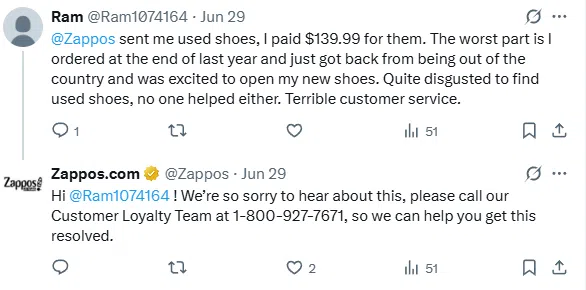
Furthermore, the proliferation of data across multiple channels has elevated the importance of analytics leadership. Modern social analytics leads utilize integrated software suites to translate raw engagement metrics into actionable business intelligence, linking social performance directly to website traffic, customer lifetime value, and bottom-line revenue. Similarly, dedicated customer care specialists have become critical for safeguarding corporate reputations, ensuring that consumer inquiries and complaints voiced on public channels receive prompt, professional attention.
Financial Benchmarks and Compensation Realities
Salary expectations for digital marketing and social media professionals have shifted significantly to reflect heightened skill requirements and economic factors. According to the United States Bureau of Labor Statistics, median annual wages for advertising, promotions, and marketing managers sit well above six figures, reflecting the broader managerial category governing senior social leadership.
For individual contributor and specialized roles, recent data compiled from employment platforms provides a clearer picture of average total compensation packages in the United States. Mid-level social media managers command an average total pay of approximately $91,000 annually, with base salaries typically ranging from $54,000 to $95,000. Social media strategists earn comparable figures, averaging around $93,000 per year. Meanwhile, entry-level social media coordinators and content creators report average earnings near $53,000, while specialized roles such as community managers and paid social specialists average between $65,000 and $66,000. Analytical positions, particularly marketing and social analytics leads, sit on the higher end of the spectrum, frequently commanding upwards of $115,000 to $120,000 annually due to the technical expertise required to interpret complex data sets.
Industry experts emphasize transparency in compensation. A recurring friction point in recruitment involves organizations posting senior-level responsibilities paired with junior-level pay grades. Providing clear salary ranges upfront preserves valuable time for both hiring managers and qualified candidates, fostering trust early in the recruitment cycle.
Balancing In-House Talent, Freelancers, and Agency Support
Organizations must also determine the optimal structural model for their workforce, weighing the benefits of in-house talent against external resources. The decision typically hinges on three primary variables: budgetary constraints, the degree of control required over brand voice, and the speed at which the organization needs to scale.
In-house hiring offers the highest degree of brand control and cultural integration, making it the preferred model for brands where social media serves as a core, daily acquisition and retention channel. However, it represents a substantial fixed cost in salaries and benefits. For specialized, intermittent projects—such as high-end video production or sudden campaign surges—engaging freelance talent provides financial flexibility and rapid deployment without long-term headcount commitments. For enterprises launching into new international markets or rapidly scaling paid acquisition campaigns, external marketing agencies offer immediate breadth, depth, and scalability, though they require meticulous creative briefs to maintain brand consistency.

The Integration of Artificial Intelligence in Recruitment
The integration of artificial intelligence into digital marketing has redefined the baseline expectations for every member of a social media team. Rather than replacing human professionals, AI has streamlined operational workflows, handling repetitive tasks such as initial caption drafting, sentiment summarization, and baseline reporting. Consequently, modern hiring managers increasingly screen candidates for AI fluency.
During the recruitment process, employers actively probe for practical AI competencies. Ideal candidates demonstrate proficiency in leveraging machine learning tools to accelerate research and content iteration while exercising rigorous editorial oversight to ensure outputs align with brand guidelines. Human attributes—such as nuanced creative storytelling, strategic judgment, and authentic community empathy—remain irreplaceable, ensuring that technology acts as a force multiplier rather than a substitute for human ingenuity.
Strategic Onboarding and Long-Term Upskilling

Securing top-tier talent represents only the initial phase of building a high-performing social media unit. Establishing a structured 90-day onboarding plan is essential for transitioning new hires from orientation to autonomous ownership. Initial weeks are typically dedicated to granting tool access, reviewing brand voice guidelines, and establishing approval workflows. Months two and three focus on platform-specific strategy briefings and cross-functional introductions to customer care, public relations, and compliance teams. By day ninety, the new hire should independently manage specific campaigns backed by clear, measurable performance indicators.
Furthermore, maintaining a competitive edge requires a continuous commitment to professional development. With digital platforms, algorithms, and consumer preferences shifting at an unprecedented pace, forward-thinking organizations prioritize ongoing upskilling initiatives. Whether through internal workshops, industry certifications, or cross-training sessions, cultivating a culture of continuous learning ensures that social media teams remain agile, innovative, and fully equipped to drive measurable business success in an increasingly crowded digital marketplace.