Amazon’s Vega OS Transition Signals Crackdown on Sideloading and Piracy on Fire Devices

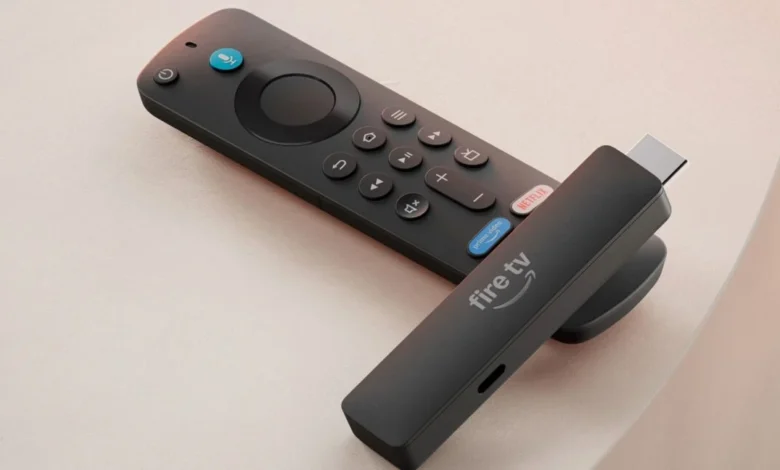
In a significant strategic pivot, Amazon has confirmed it has no intentions of upgrading its current fleet of Fire OS devices to the forthcoming Linux-based Vega operating system, a move widely interpreted as a decisive step to curb app sideloading and, by extension, the pervasive issue of streaming piracy. This revelation, initially reported by German IT publication Heise Online in October, underscores Amazon’s escalating efforts to assert greater control over its device ecosystem, safeguard content partnerships, and mitigate substantial financial losses attributed to illicit streaming. The transition to Vega, anticipated to commence in 2025, represents a fundamental re-architecture of Amazon’s streaming device platform, shifting away from its long-standing Android Open Source Project (AOSP) foundation.
The Evolution of Amazon’s Operating Systems: From Fire OS to Vega
For years, Amazon’s popular Fire streaming devices, including the ubiquitous Fire TV Sticks and Fire tablets, have operated on Fire OS. This proprietary operating system is an extensively customized fork of Android, leveraging the Android Open Source Project (AOSP). While Fire OS has provided a familiar interface and access to a vast array of applications through Amazon’s Appstore, its AOSP lineage has often meant that Fire devices ran on older versions of the underlying Android software. This characteristic presented both advantages and disadvantages. On one hand, it allowed Amazon to tailor the user experience precisely to its ecosystem and integrate its services deeply. On the other, running older Android software could, at times, lead to compatibility issues with newer applications, potential security vulnerabilities associated with unpatched Android versions, and limitations in leveraging the latest advancements in mobile technology.
The impending shift to Vega OS marks a profound technological departure. By moving to a Linux-based architecture, Amazon aims to achieve several critical objectives. Firstly, it provides Amazon with a substantially higher degree of control over the operating system’s core functionalities and security protocols. This enhanced control is paramount for integrating cutting-edge features like Alexa+, Amazon’s generative AI chatbot, ensuring a seamless and proprietary user experience that is less dependent on Google’s Android roadmap. Secondly, a Linux foundation can potentially offer improved performance, better resource management, and greater flexibility for future hardware and software innovations. Crucially, this architectural change is also designed to make it significantly more challenging for users to sideload unauthorized applications, thereby addressing the persistent challenge of piracy that has plagued the Fire device ecosystem. The move is not merely a technical upgrade but a strategic realignment designed to fortify Amazon’s position in the competitive streaming market while protecting its commercial interests and those of its content partners.
The Dual-Edged Sword of Sideloading
Sideloading applications, the process of installing apps from sources other than a device’s official app store, has historically been a popular practice among Amazon Fire device owners. This method has allowed tech-savvy users to bypass Amazon’s curated Appstore and install applications from alternative sources, most notably the Google Play Store, thereby expanding the functionality and versatility of their devices. For many, sideloading was a legitimate means to enhance their user experience. Enthusiasts frequently used Fire tablets, for instance, as cost-effective smart home controllers, installing specific home automation apps unavailable or restricted within Amazon’s official marketplace. It also offered a way to customize the device interface, remove unwanted advertisements, or access niche applications not approved for Amazon’s storefront. This flexibility fostered a vibrant community of power users who appreciated the open-ended nature of the Fire OS.
However, the very openness that facilitated legitimate enhancements also created a significant vulnerability: the ease with which users could install applications designed for streaming pirated content. This aspect of sideloading has become a growing concern for Amazon and its content partners. Apps that facilitate access to illegal streams of movies, TV shows, and live sports have proliferated, often requiring only a few simple steps to install via sideloading. The affordability and widespread availability of Fire TV Sticks, combined with the relative ease of installing these illicit streaming applications, inadvertently positioned these devices as primary enablers of digital piracy in the streaming landscape. This has put Amazon in a challenging position, balancing user freedom with its responsibilities to content creators and intellectual property holders.
Escalating Anti-Piracy Measures and Industry Pressure
The issue of piracy on Fire devices is far from new, but Amazon’s response has notably intensified over the past year. In the fall, Amazon initiated more aggressive measures, actively blocking the installation of applications that have been flagged by the Alliance for Creative and Entertainment (ACE). ACE, a prominent global anti-piracy coalition comprising major entertainment companies such as Netflix, Disney, Warner Bros. Discovery, and Amazon itself, maintains a blacklist of applications and services known to facilitate illegal content distribution. This proactive blocking represents a shift from previous, less stringent approaches, where some pirating apps might have been removed from the official Appstore but could still be sideloaded with relative ease. The new enforcement mechanism suggests Amazon is deploying deeper system-level checks to prevent the installation of blacklisted software, even when attempted through unofficial channels.
The pressure on Amazon to combat piracy has been mounting from various fronts. A May report from Enders Analysis, a reputable media, entertainment, and telecommunications research firm, brought the issue into stark relief, claiming that "jailbroken" Fire Sticks were instrumental in enabling "billions of dollars" worth of streaming piracy. This staggering figure underscores the massive financial impact on content creators, broadcasters, and legitimate streaming services. The report highlighted how readily available devices, once modified, could provide unauthorized access to premium content, directly undermining the subscription models that fuel the entertainment industry.
Beyond research findings, specific content owners have publicly voiced their frustrations and demanded action. Notably, Sky Sports UK, a major broadcaster of live sports, particularly soccer, and the Premier League, England’s top professional football league, have been vocal advocates for stronger anti-piracy measures. These entities invest billions in acquiring exclusive broadcast rights and producing high-quality content, and the widespread availability of their content via illegal streams on devices like Fire Sticks represents a direct threat to their business models and revenue streams. Their sustained pressure on Amazon, along with other device manufacturers and internet service providers, has been a significant catalyst for the tech giant’s intensified anti-piracy stance. The economic implications for these organizations are profound, as every unauthorized stream represents a potential lost subscriber or advertising revenue opportunity.
The Economic Toll of Streaming Piracy
The "billions of dollars" figure cited by Enders Analysis is not merely an abstract number; it represents tangible losses that ripple through the entire entertainment ecosystem. Streaming piracy directly impacts the revenue streams of content creators, film studios, television networks, sports leagues, and legitimate streaming platforms. These losses manifest in several ways:
- Lost Subscription Revenue: When users access content illegally, they are less likely to pay for legitimate subscriptions, directly reducing the revenue of services like Prime Video, Netflix, Disney+, and specialized sports packages.
- Reduced Advertising Revenue: Legal streaming platforms and broadcasters rely heavily on advertising. Piracy diverts eyeballs away from these legitimate channels, diminishing audience numbers and subsequently reducing the value of advertising inventory.
- Devaluation of Content Rights: The market value of exclusive content rights, such as those for major sporting events or blockbuster movies, is eroded when that content can be widely accessed for free. This impacts the ability of content owners to recoup their production costs and fund future projects.
- Impact on Production and Innovation: The entire creative economy relies on a sustainable financial model. When revenues are lost to piracy, it directly affects the budgets available for new film and television productions, the development of innovative technologies, and the employment of countless professionals in the creative industries.
- Increased Security Costs: Companies like Amazon and content providers are forced to invest heavily in digital rights management (DRM) technologies, anti-piracy enforcement teams, and legal battles, adding significant operational costs that could otherwise be allocated to content creation or service improvement.
The Enders Analysis report likely derived its figures by estimating the number of active pirated streams, assigning a hypothetical value based on average subscription costs for comparable legitimate services, and calculating the cumulative loss over a specific period. Such methodologies, while estimates, provide a powerful indication of the scale of the problem.
Broader Implications for Users and the Market
Amazon’s strategic move to restrict sideloading and tighten its grip on the Fire ecosystem through Vega OS will undoubtedly have multifaceted implications for various stakeholders.
For the majority of Amazon Fire device users who primarily consume content through official channels like Prime Video, Netflix, Hulu, and other authorized apps from the Amazon Appstore, the transition to Vega OS and the enhanced anti-piracy measures are unlikely to cause significant disruption. In fact, these users might even benefit from a more secure, potentially faster, and more stable operating environment, along with access to advanced features like Alexa+. The promise of "more modern software" and deeper integration of Amazon’s AI services could enhance their overall experience.
However, for the segment of users who have relied on sideloading for expanded functionality—whether for legitimate purposes like installing Google Play Store apps or customizing their devices, or for accessing pirated content—the impact will be substantial. These "enthusiasts" and those engaged in illicit streaming will find their established methods increasingly difficult, if not impossible, to maintain on newer Vega-powered devices. The inability to sideload will likely prompt a search for alternative solutions. This could manifest in several ways:
- Migration to Rival Devices: Some users might explore other streaming devices that offer greater flexibility for sideloading or have a less restrictive app ecosystem. Devices from competitors like Roku, Google (Chromecast with Google TV), Apple TV, or Nvidia Shield (which runs Android TV and has a more open sideloading policy) could see an influx of users seeking alternatives.
- Seeking Workarounds on Older Devices: A secondary market for older Fire OS devices that remain compatible with sideloading might emerge, or users might simply choose to keep their current Fire OS devices as long as possible, foregoing the upgrade to Vega. This could, however, lead to security vulnerabilities as these older devices cease to receive software updates.
- Development of New Piracy Vectors: The history of digital rights management and piracy is an ongoing cat-and-mouse game. While Amazon closes one avenue, those intent on illicit streaming will inevitably explore new methods and technologies to bypass restrictions, potentially shifting to different hardware platforms or more sophisticated software exploits.
From a market perspective, Amazon’s actions represent a clear strategic decision to prioritize ecosystem control, security, and content protection over the open-ended versatility that some users enjoyed. This could reinforce Amazon’s image as a responsible steward of intellectual property, strengthening its relationships with content providers and potentially attracting more premium content to its platform. However, it also carries the risk of alienating a niche but vocal segment of its user base, potentially impacting market share in the fiercely competitive streaming device segment. The long-term success of this strategy will depend on Amazon’s ability to demonstrate that the benefits of a more controlled, secure, and feature-rich Vega OS outweigh the loss of sideloading flexibility for its user base.
The Future Landscape of Streaming Device Security
Amazon’s shift to Vega OS and its crackdown on sideloading represent a significant moment in the ongoing battle against digital piracy within the streaming device ecosystem. This move is indicative of a broader industry trend where device manufacturers and content owners are increasingly collaborating to create more secure and closed environments to protect intellectual property. As generative AI and other advanced features become more integrated into consumer electronics, companies like Amazon will naturally seek greater control over the underlying operating systems to ensure seamless integration, security, and consistent user experiences.
The implications extend beyond just piracy; a more controlled ecosystem can also lead to better data security, improved device performance, and a more consistent app experience. However, it also raises questions about consumer choice, device ownership, and the balance between corporate control and user freedom. The coming years will reveal whether this strategic pivot by Amazon sets a new standard for the industry or if the quest for open-source flexibility and workarounds continues to define a segment of the streaming device market. One thing is certain: the landscape of digital content consumption and device management is continually evolving, driven by technological innovation, market demands, and the persistent challenge of intellectual property protection.