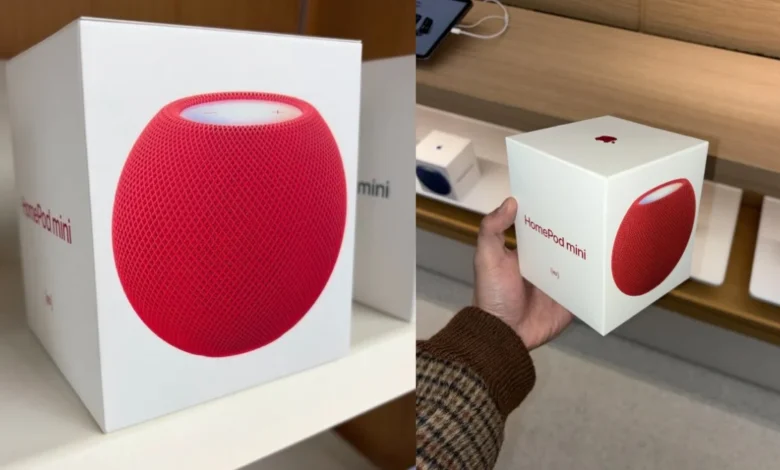
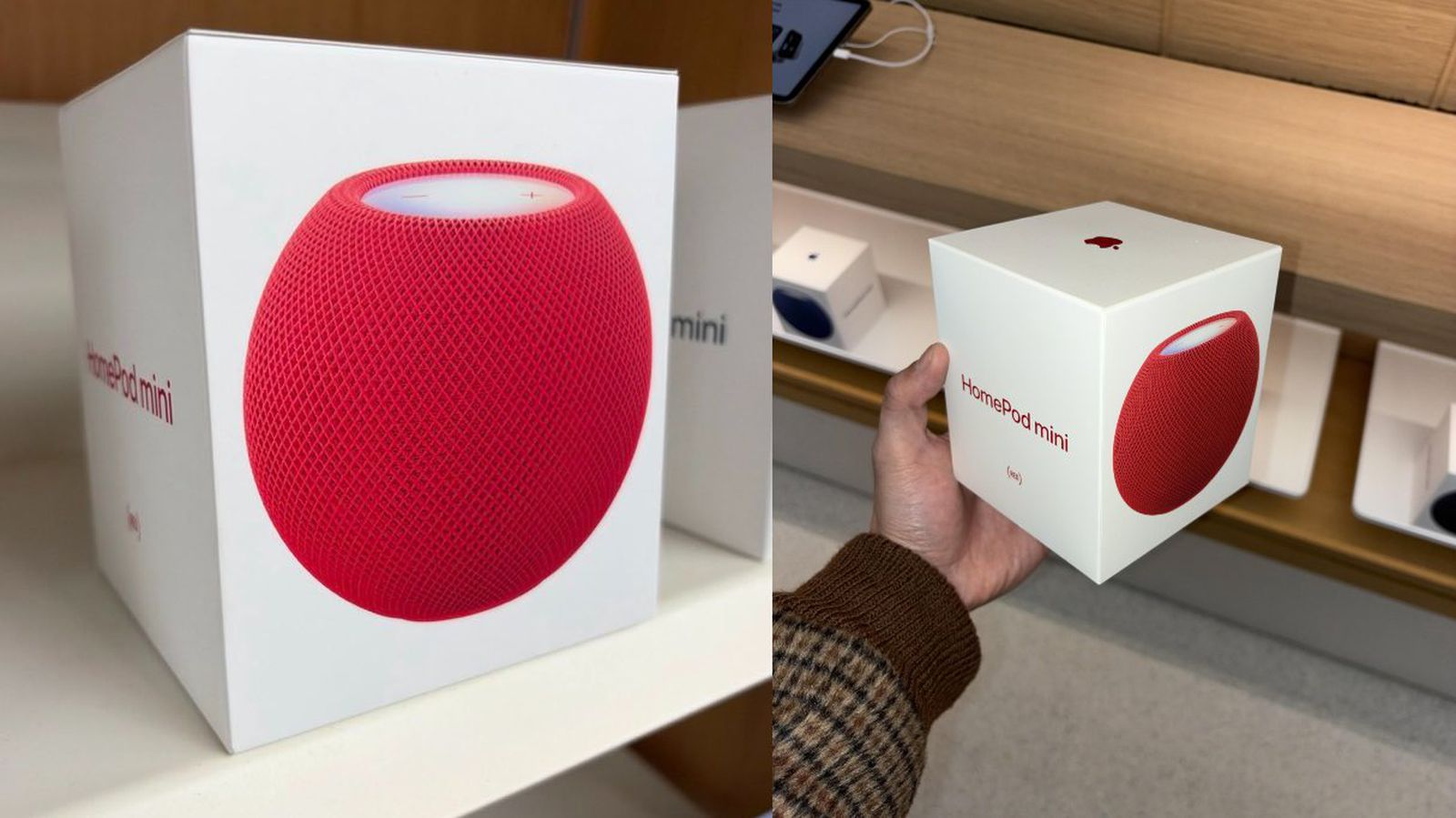
The long-standing tradition of Apple’s (PRODUCT)RED initiative appears to be making a significant return to the spotlight, as photographic evidence suggests the imminent launch of a red version of the HomePod mini 2. Ahead of an official announcement, retail store displays have reportedly begun surfacing with the vibrant, signature crimson hardware, fueling anticipation for a rollout timed to coincide with World AIDS Day on Tuesday, December 1, 2026.
The sightings, which were initially reported by users on social media platforms X and Reddit before being validated by industry analysts, confirm that the new iteration of the HomePod mini 2 will feature the distinct red mesh exterior that has become synonymous with Apple’s charitable efforts over the past two decades. Packaging spotted at retail locations also bears the prominent (PRODUCT)RED branding, signaling a clear continuation of the partnership between the Cupertino-based tech giant and The Global Fund.
A Strategic Revival of a Philanthropic Legacy
The resurgence of the (PRODUCT)RED line comes after a period of relative dormancy for the colorway within Apple’s hardware ecosystem. While Apple continued to support the initiative through various software features and minor accessory updates, dedicated hardware releases in the signature red finish had become increasingly infrequent. By reintroducing the color on flagship audio products like the HomePod mini 2 and potentially the AirPods Max 2, Apple is signaling a renewed commitment to its philanthropic roots.
This year marks the 20th anniversary of the (RED) organization, which was co-founded in 2006 by U2 frontman Bono and activist Bobby Shriver. Since its inception, the organization has worked to engage private-sector partners to raise awareness and funds to combat major health crises in sub-Saharan Africa, including HIV/AIDS, tuberculosis, and malaria. Apple has been one of the largest corporate contributors to The Global Fund, with total donations resulting from its partnership exceeding hundreds of millions of dollars.
Chronology of the (PRODUCT)RED Partnership
To understand the significance of this week’s developments, one must look at the historical trajectory of the collaboration. The partnership began in 2006 with the introduction of a red iPod nano, a move that set a precedent for how consumer electronics could serve as a vehicle for global health advocacy.
- 2006: Apple launches its first (PRODUCT)RED device, the second-generation iPod nano.
- 2006–2015: The initiative expands to include various iPod models, Apple Watch bands, and specialized accessories.
- 2017: Apple introduces the iPhone 7 and 7 Plus in (PRODUCT)RED, marking the first time the company’s primary smartphone was offered in the iconic charity color.
- 2018–2023: The (PRODUCT)RED lineup sees peak expansion, covering the iPhone XR, iPhone 11, iPhone 12, iPhone 13, and iPhone 14 series, alongside several Apple Watch iterations.
- 2024–2025: A decline in the frequency of (PRODUCT)RED hardware releases is observed, leading to market speculation that the initiative was being phased out or pivoted toward digital-only contributions.
- 2026: Apple signals a major revival, aligning new hardware releases with the 20th anniversary of the (RED) organization.
Expansion of the 2026 Collection
Beyond the HomePod mini 2, industry intelligence suggests that the December 1 launch will be part of a broader "Red" event. Sources familiar with the company’s retail strategy indicate that up to four additional products may join the lineup. Among the rumored items are a revised version of the AirPods Max 2—potentially featuring a silver-and-white chassis accented with a red Digital Crown—as well as red sport bands for the Apple Watch and specialized wrist straps for the AirPods Pro. Furthermore, there is growing speculation regarding a potential (PRODUCT)RED version of the AirTag 2, which would represent the first time the tracking accessory has been offered in an official charitable colorway.
This multi-product launch strategy serves as a strategic marketing maneuver, allowing Apple to maximize its impact during the critical holiday shopping season while reinforcing its corporate social responsibility (CSR) credentials.
Data and Impact: The Global Fund
The efficacy of the (PRODUCT)RED partnership is rooted in the transparency of its financial contributions. The Global Fund uses these proceeds to provide testing, treatment, counseling, and prevention programs in countries where the burden of disease is highest.
According to data released by The Global Fund, the financial support provided by private sector partners like Apple has been instrumental in the procurement of antiretroviral medication for millions of individuals living with HIV. The "red" hardware serves a dual purpose: it acts as a constant, tangible reminder of the humanitarian cause for the consumer, and it generates a consistent revenue stream that helps stabilize healthcare infrastructures in vulnerable regions.
Analysts note that the decision to bring back the colorway on the HomePod mini 2 is particularly shrewd. As a high-volume, relatively affordable entry point into the Apple smart home ecosystem, the HomePod mini 2 reaches a broader demographic than higher-end hardware, potentially increasing the total donation volume generated per unit sold.
Industry Implications and Market Reaction
The market reaction to these leaks has been largely positive. Tech enthusiasts and long-time Apple supporters have expressed enthusiasm for the return of the vibrant aesthetic, which contrasts sharply with the more muted, metallic tones (such as "Titanium" or "Space Gray") that have dominated the company’s design language in recent years.
However, the move also carries implications for supply chain management. By introducing a new color variant mid-cycle for existing products, Apple is demonstrating a high degree of operational agility. Maintaining color consistency across different materials—from the fabric mesh of the HomePod to the metallic digital crown of the AirPods Max—requires rigorous quality control and precise manufacturing processes.
Retailers are expected to see increased foot traffic as fans of the brand look to collect these limited-edition items. Given the historical scarcity of certain (PRODUCT)RED items in the later years of the partnership, it is anticipated that these devices will see high demand from collectors and supporters alike.
Looking Ahead to World AIDS Day
As December 1 approaches, all eyes are on the Apple Store storefronts. The company traditionally uses this date to highlight its commitment to global health, often turning its logo red at retail locations globally. This year, the inclusion of actual hardware to commemorate the anniversary marks a return to the "hardware-first" advocacy model that made the (PRODUCT)RED brand a household name in the late 2000s.
While Apple has not yet released a formal press release confirming the entirety of the upcoming lineup, the convergence of the retail sightings and the timing of World AIDS Day leaves little doubt regarding the company’s plans. The revival of the (PRODUCT)RED line serves as a reminder that even in an era of rapid technological advancement, the integration of charitable goals into the consumer product lifecycle remains a potent and effective tool for driving both brand loyalty and global change.
By continuing this legacy, Apple is not merely launching a new colorway; it is reinforcing its position as a global leader that balances high-end innovation with a dedication to addressing some of the world’s most pressing health challenges. As the industry awaits the final confirmation next week, the consensus among observers is that this effort will likely serve as a benchmark for how other major technology firms approach social impact initiatives in the future.