Apple Differentiates iPhone 18 Pro and Pro Max with Exclusive Cellular Modem and Battery Upgrades

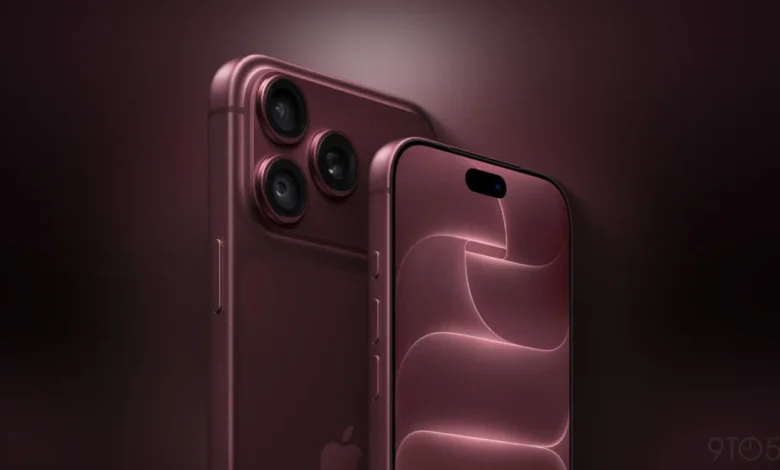
Apple Inc. officially unveiled its latest flagship lineup, featuring the iPhone 18 Pro and iPhone 18 Pro Max. While the two top-tier devices share a nearly identical design language, core processor architecture, and overall aesthetic, Apple has introduced two notable hardware differentiators that set the models apart. In a surprising departure from previous years where feature parity between the Pro and Pro Max was almost absolute, the smaller iPhone 18 Pro debuts Apple’s proprietary next-generation C2 cellular modem, whereas the larger iPhone 18 Pro Max continues to rely on Qualcomm hardware. Conversely, the iPhone 18 Pro Max captures a significantly more substantial leap in battery longevity, cementing its status as the endurance champion of the lineup.
The announcement, made during Apple’s annual September product showcase, highlights the company’s calculated approach to hardware segmentation. Rather than simply scaling screen size and physical dimensions—traditionally the primary distinction between the Pro and Pro Max models—Apple is using internal component choices to create distinct value propositions for buyers on both sides of the size spectrum.
The Evolution of Apple’s In-House Modem Strategy
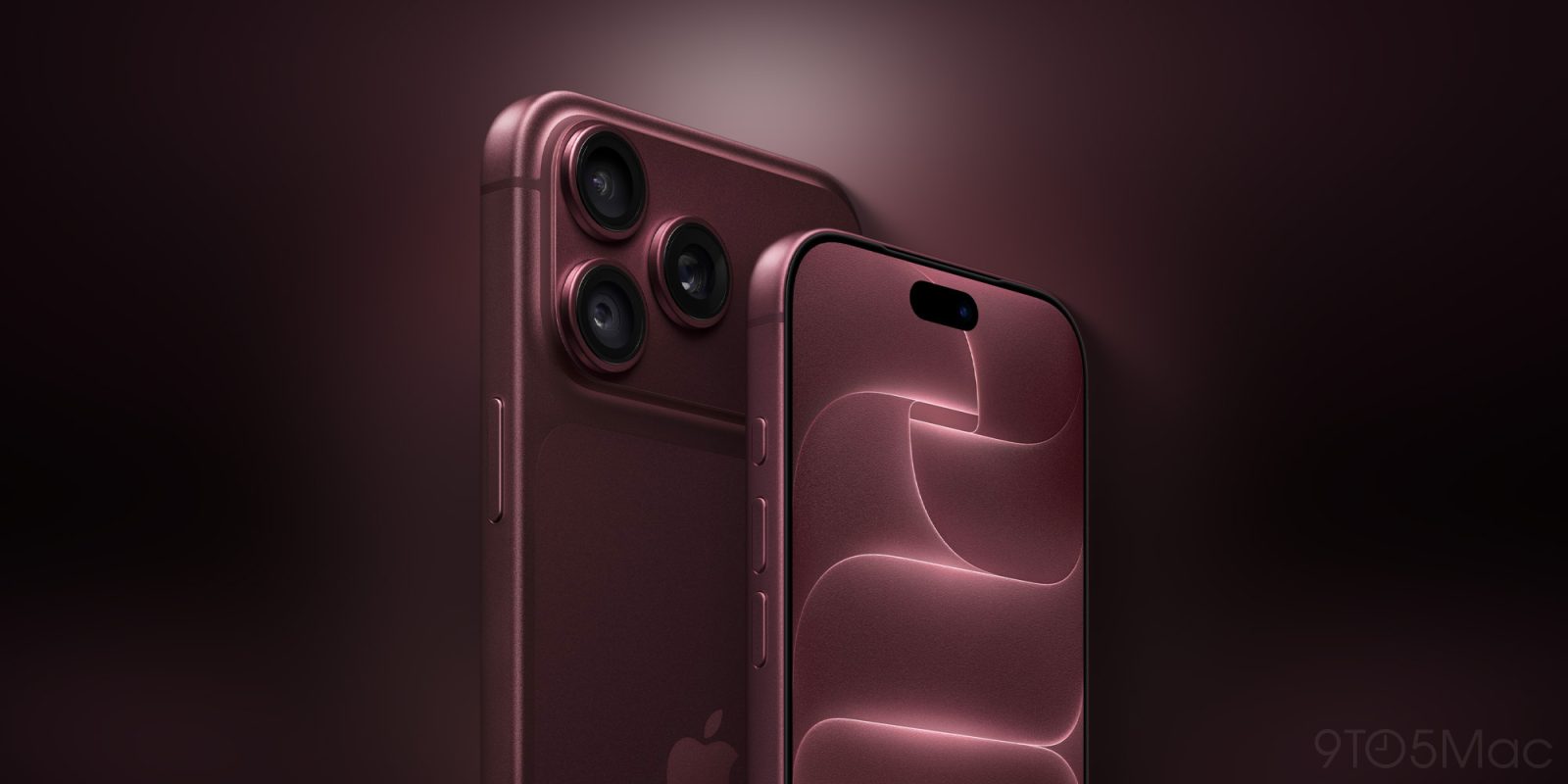
The inclusion of the C2 cellular modem in the iPhone 18 Pro marks a major milestone in Apple’s multi-year transition toward vertically integrated silicon. Apple’s journey toward replacing third-party radio components began in early 2025 with the launch of the iPhone 16e, which introduced the foundational C1 modem. That initial rollout was followed by the C1X variant integrated into the ultra-slim iPhone Air released late last year.
Now, with the introduction of the C2 modem, Apple is pushing deeper into its own wireless technology stack. The C2 chip is featured in both the newly introduced iPhone Duo and the standard iPhone 18 Pro. However, its conspicuous absence from the iPhone 18 Pro Max has drawn considerable attention from industry analysts and tech enthusiasts alike.
According to official technical specifications published by Apple, the C2 modem and the Qualcomm-supplied modem utilized in the iPhone 18 Pro Max offer comparable baseline capabilities. Both variants, for instance, maintain robust support for high-speed mmWave 5G networks across the United States. Despite parity on spec sheets, industry observers note that Apple-designed modems historically unlock proprietary software optimizations, tighter deep-system integration, and exclusive feature sets that external hardware cannot fully replicate. By restricting the C2 modem to the smaller Pro model, Apple appears to be testing its in-house silicon at scale within its flagship tier while hedging its bets on the high-end Max variant.
Battery Endurance: A Divergence in Power Efficiency
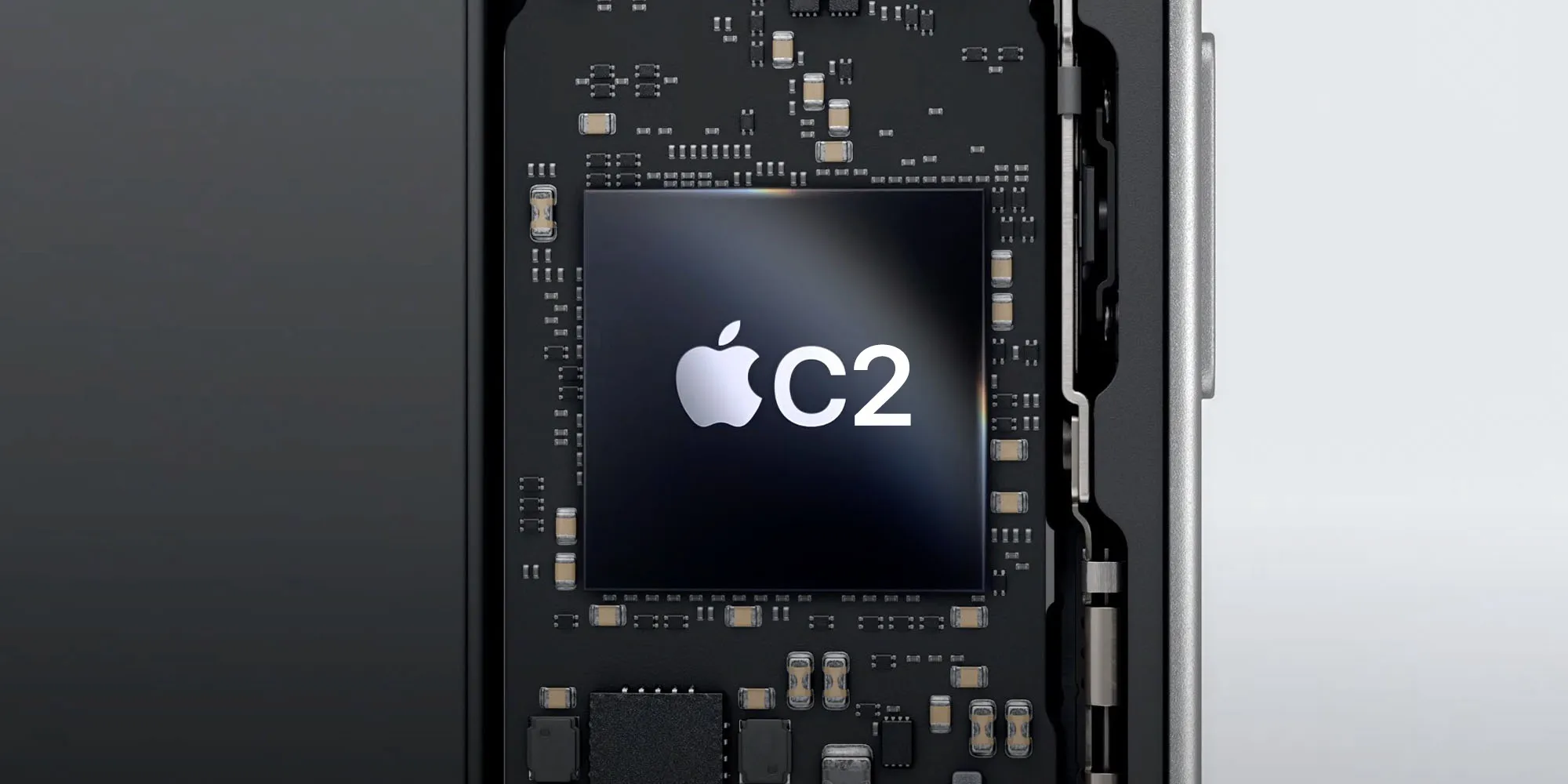
While the cellular modem distinction favors the smaller iPhone 18 Pro, the battery performance department tells a distinctly different story in favor of the larger iPhone 18 Pro Max. Leaks leading up to the September event had correctly suggested that Apple reserved its most aggressive battery life improvements for the larger chassis, and the official figures substantiate those reports.
A review of Apple’s quoted video playback metrics reveals a stark contrast in generational gains:
- iPhone 18 Pro Max: Up to 45 hours of video playback (compared to 39 hours on the iPhone 17 Pro Max)
- iPhone 18 Pro: Up to 36 hours of video playback (compared to 33 hours on the iPhone 17 Pro)
This data illustrates that the iPhone 18 Pro Max gains an impressive six hours of additional video playback capability generation-over-generation. Meanwhile, the standard iPhone 18 Pro receives a more modest, albeit still welcome, three-hour enhancement. While Apple’s Pro Max devices have historically claimed the title of battery champions due to their physical capacity to house larger power cells, the margin between the two Pro sizes has rarely been so pronounced.
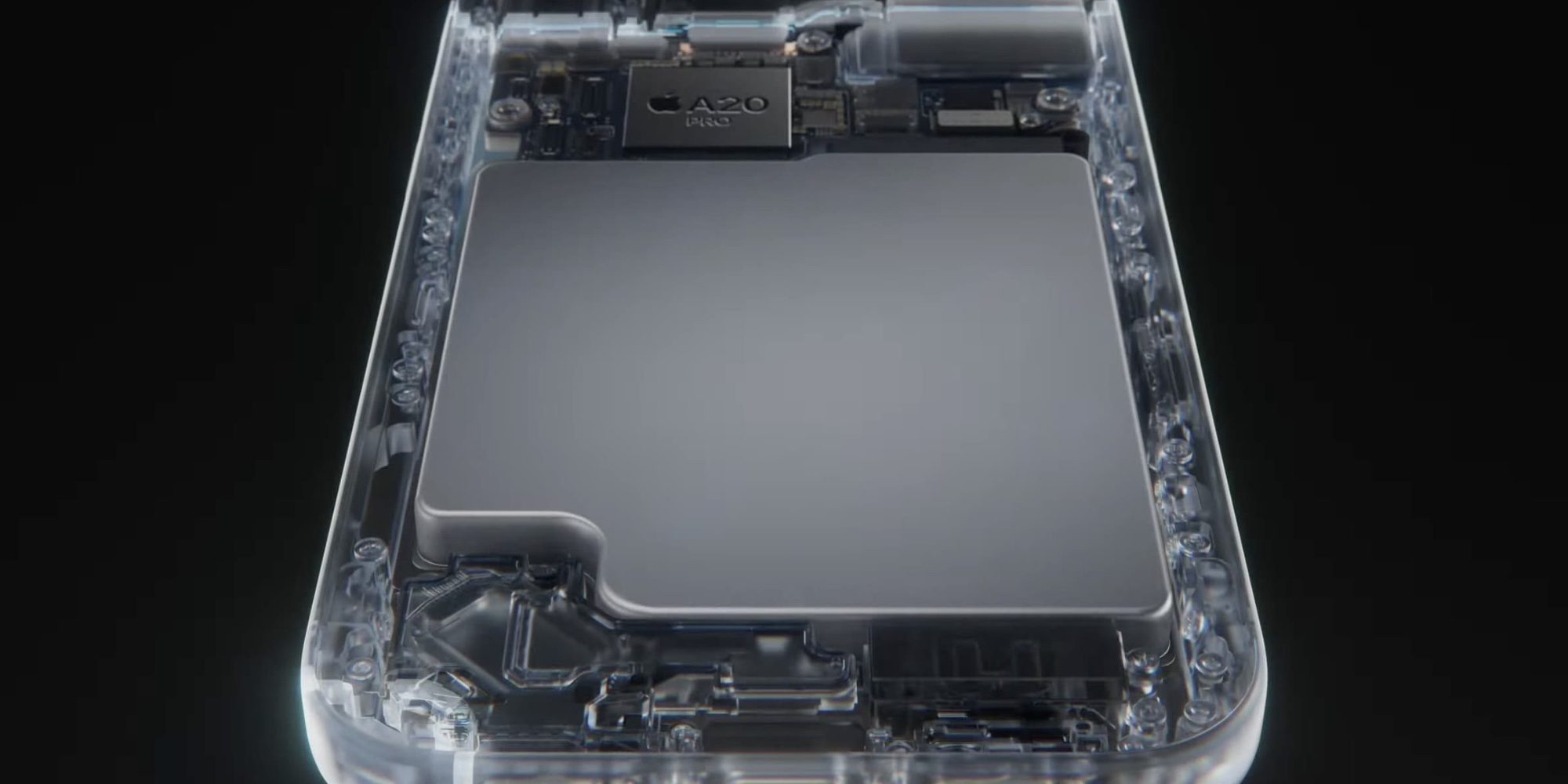
Industry analysts suggest that the physical internal redesign required to accommodate the Qualcomm modem in the Pro Max, combined with optimized thermal management in the larger chassis, may have given engineers the spatial freedom to pack a denser battery unit. This divergence transforms the decision-making process for consumers, shifting the equation from a simple preference for screen real estate to a functional calculation of daily power needs versus device ergonomics.
Chronology of the Flagship Launch and Market Context
The rollout of the iPhone 18 generation is the culmination of years of supply chain restructuring and semiconductor development. Apple’s strategic roadmap has steadily moved toward reducing reliance on external component manufacturers, most notably Qualcomm and Intel, the latter of which saw its smartphone modem business acquired by Apple in 2019.
- 2019: Apple acquires Intel’s smartphone modem division for $1 billion, laying the intellectual property groundwork for proprietary cellular chips.
- Early 2025: Apple launches the iPhone 16e, debuting the first-generation C1 in-house modem.
- Late 2025: The C1X modem makes its debut inside the ultra-thin iPhone Air, proving out thermal and power efficiency gains in a constrained form factor.
- September 2026: Apple introduces the iPhone 18 Pro and Pro Max, officially splitting the flagship tier between the proprietary C2 modem in the Pro and the Qualcomm modem in the Pro Max.
This timeline underscores Apple’s methodical, phased approach to hardware independence. Rather than deploying unproven in-house modems simultaneously across every tier of its highest-margin devices, the company is deliberately staggering the implementation.

Industry Reactions and Market Implications
Market researchers and supply chain analysts have offered mixed reactions to Apple’s bifurcated hardware strategy. On one hand, the successful scaling of the C2 modem represents a triumph for Apple’s semiconductor division, proving that the company can design, manufacture, and deploy complex radiofrequency integrated circuits (RFICs) that stand shoulder-to-shoulder with industry veterans like Qualcomm.
On the other hand, the decision to leave the iPhone 18 Pro Max on Qualcomm hardware has sparked debate. Some financial analysts view it as a pragmatic risk-management move, ensuring that the highest-volume, highest-margin device retains a proven, battle-tested component while the newer C2 chip matures. Others speculate that physical space constraints within the Pro Max layout—particularly surrounding complex camera arrays and thermal dissipation chambers—may have necessitated the retention of Qualcomm’s specific architectural footprint for this generation.
For consumers, these hardware discrepancies introduce a new set of variables when selecting a device. Buyers prioritizing cutting-edge vertical integration, advanced networking efficiencies, and a more compact physical form factor are naturally steered toward the iPhone 18 Pro. Conversely, power users, media consumption enthusiasts, and frequent travelers for whom absolute battery endurance is paramount will find the iPhone 18 Pro Max’s six-hour generation gain difficult to ignore.

As pre-orders open and early units reach testing laboratories, real-world benchmarks will ultimately determine whether the performance delta between the C2 modem and Qualcomm’s alternative translates into tangible consumer-facing advantages. In the meantime, Apple’s subtle yet significant reshaping of its Pro lineup ensures that choosing between this year’s flagship models requires a closer examination of the spec sheet than ever before.