Why Upgrading to the Apple Watch Series 12 Makes Sense After Years of Incremental Updates

Apple Inc. has long dominated the global smartwatch market, capturing consumer loyalty through tightly integrated hardware and software ecosystems. However, in the years leading up to the release of the Apple Watch Series 12, critics and tech analysts frequently pointed out a plateau in performance-driven hardware updates. Following the introduction of the S9 chip—which brought notable speed improvements and on-device machine learning capabilities—subsequent iterations like the S10 focused heavily on thinness, display geometry, and energy efficiency, leaving power users craving a true performance leap. The launch of the Apple Watch Series 12 effectively addresses this hardware deficit, arriving with a suite of upgrades that target processing speeds, health tracking precision, battery management, and artificial intelligence integration. Currently retailing on promotional channels for $329 down from its standard $399 base price, the Series 12 represents a significant inflection point for wearable technology enthusiasts contemplating an upgrade from older generations.
The Chronology of Apple Watch Silicon and the Arrival of the S11 Chip
To understand the operational significance of the Apple Watch Series 12, one must look back at the historical cadence of Apple’s wearable processor development. When Apple released the S9 chip, it marked the first substantial generational performance jump in several cycles, enabling faster local Siri processing and double-tap gesture controls. However, the subsequent release cycle bypassed major architectural silicon upgrades, leaving users with marginal processing gains.
The introduction of the S11 chip in the Apple Watch Series 12 breaks this dormancy. Designed to handle more complex neural network tasks locally on the wrist, the S11 chip bridges the gap between traditional smartwatch utilities and modern AI-driven frameworks. Industry observers note that watchOS 27, the operating system powering the Series 12, relies heavily on this new silicon architecture. On older hardware iterations, complex artificial intelligence prompts and system-level Siri queries frequently suffered from perceptible latency. With the S11 processor, everyday navigation—ranging from loading third-party applications to executing multi-step dictation—operates with noticeable fluidity, validating Apple’s decision to modernize the underlying chipset.
Advanced Health Sensing and Dynamic Complications

Beyond raw computational power, wearable technology continues to pivot toward advanced health monitoring and preventative care. The Apple Watch Series 12 introduces a completely redesigned Health Sensing System. While previous iterations successfully tracked vital parameters such as blood oxygen saturation, electrical heart activity via the ECG app, and baseline cardiovascular metrics, the Series 12 enhances both sensor accuracy and data presentation.
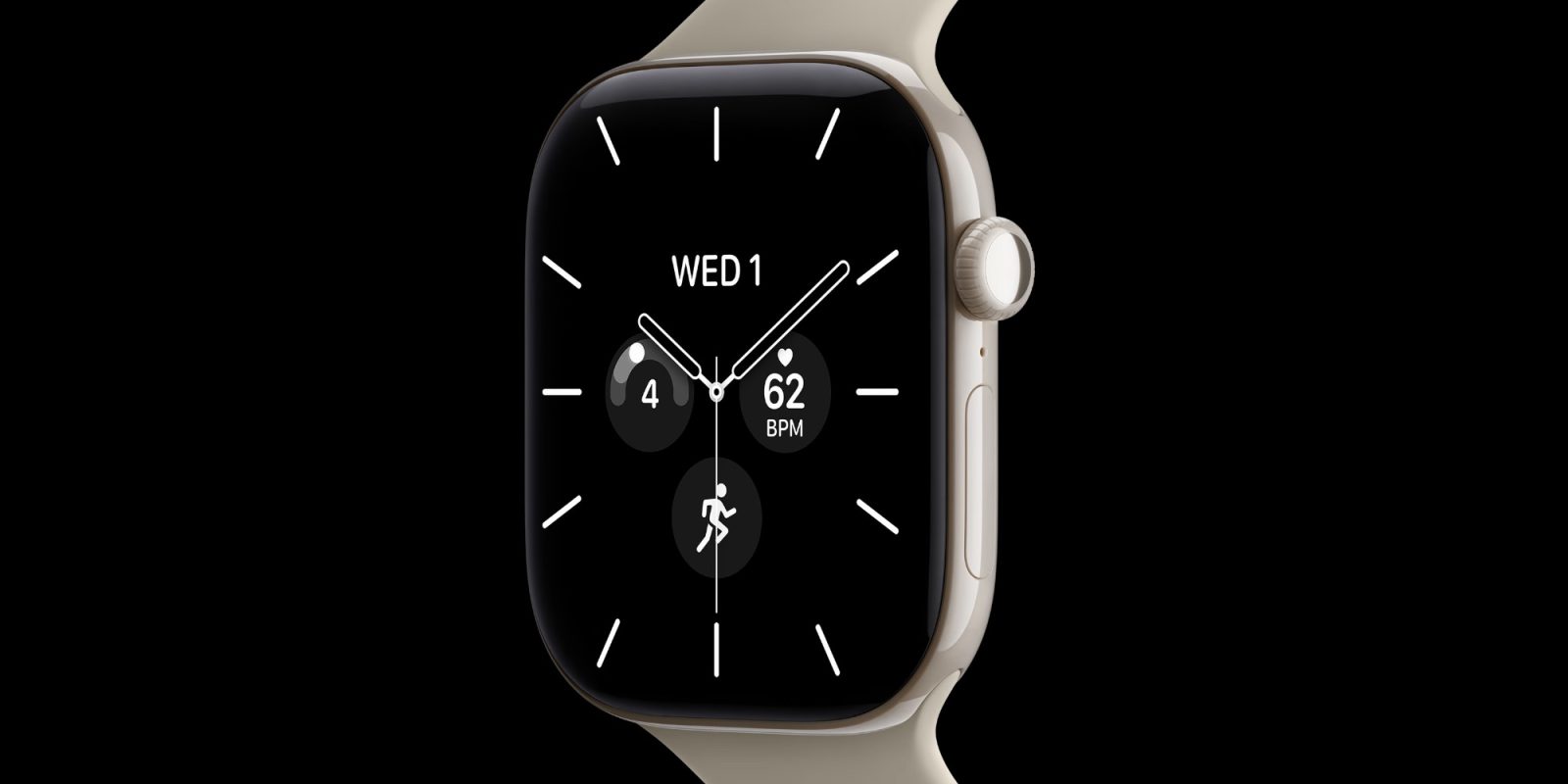
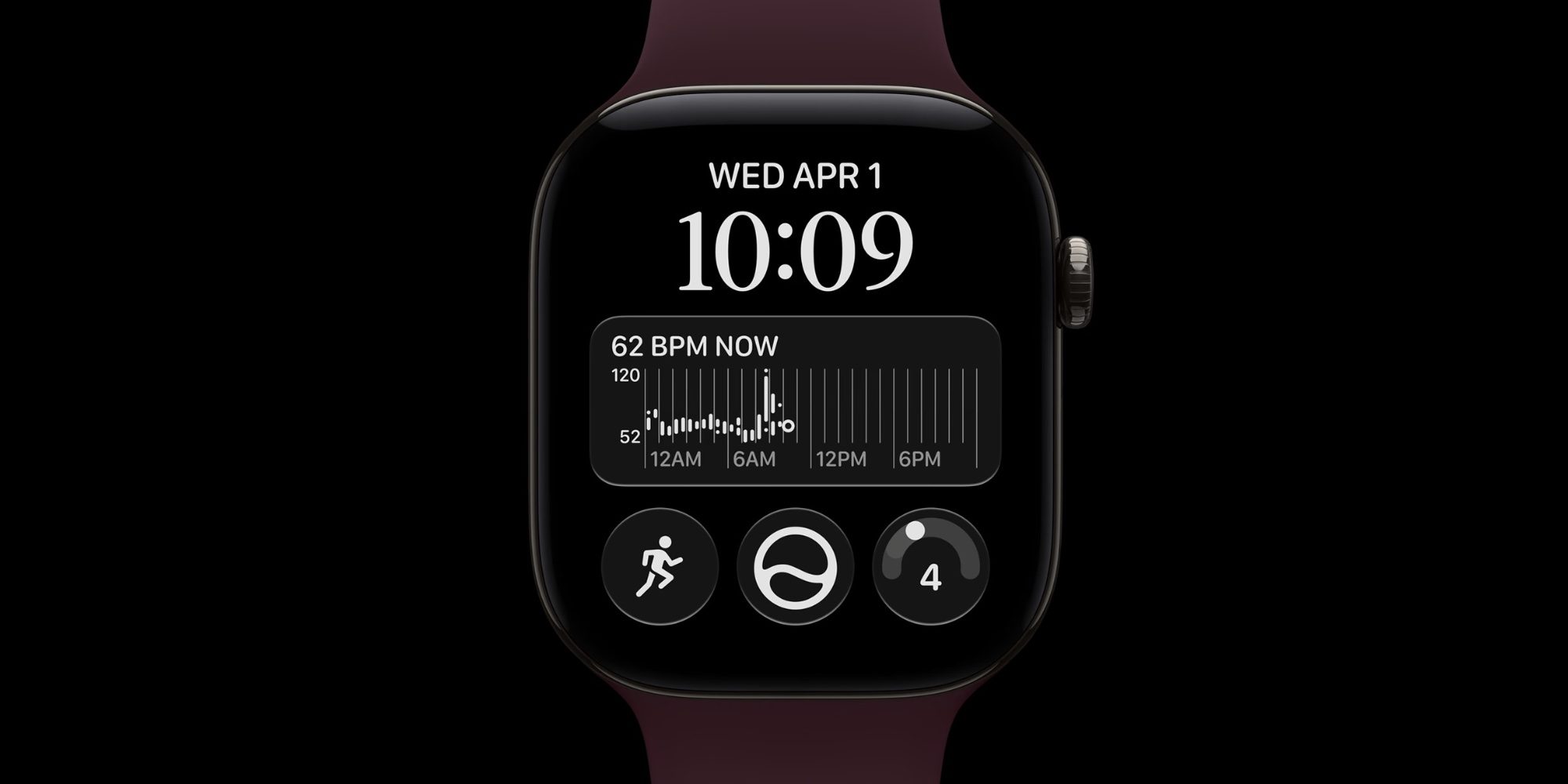
Crucially, the upgraded sensor array unlocks three dedicated watch face complications that were previously impossible to run efficiently on older hardware. These include real-time, low-latency heart rate variability readings, granular step metrics, and a comprehensive daily readiness score. The readiness score, synthesized from resting heart rate, sleep consistency, and recent exertion levels, shifts the device from a passive tracking tool into an active recovery advisor. Medical technology analysts view these developments as part of a broader industry trend toward continuous physiological monitoring, empowering consumers to make informed wellness decisions without navigating deep inside companion smartphone applications.
Siri Recap: Ambient AI and Conversational Intelligence
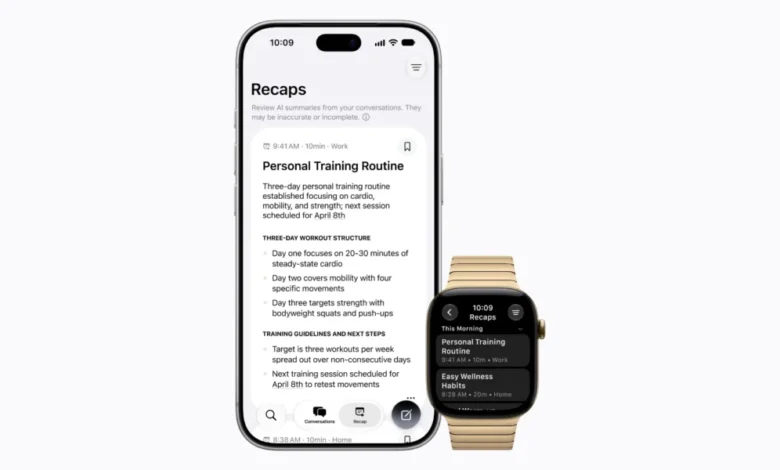
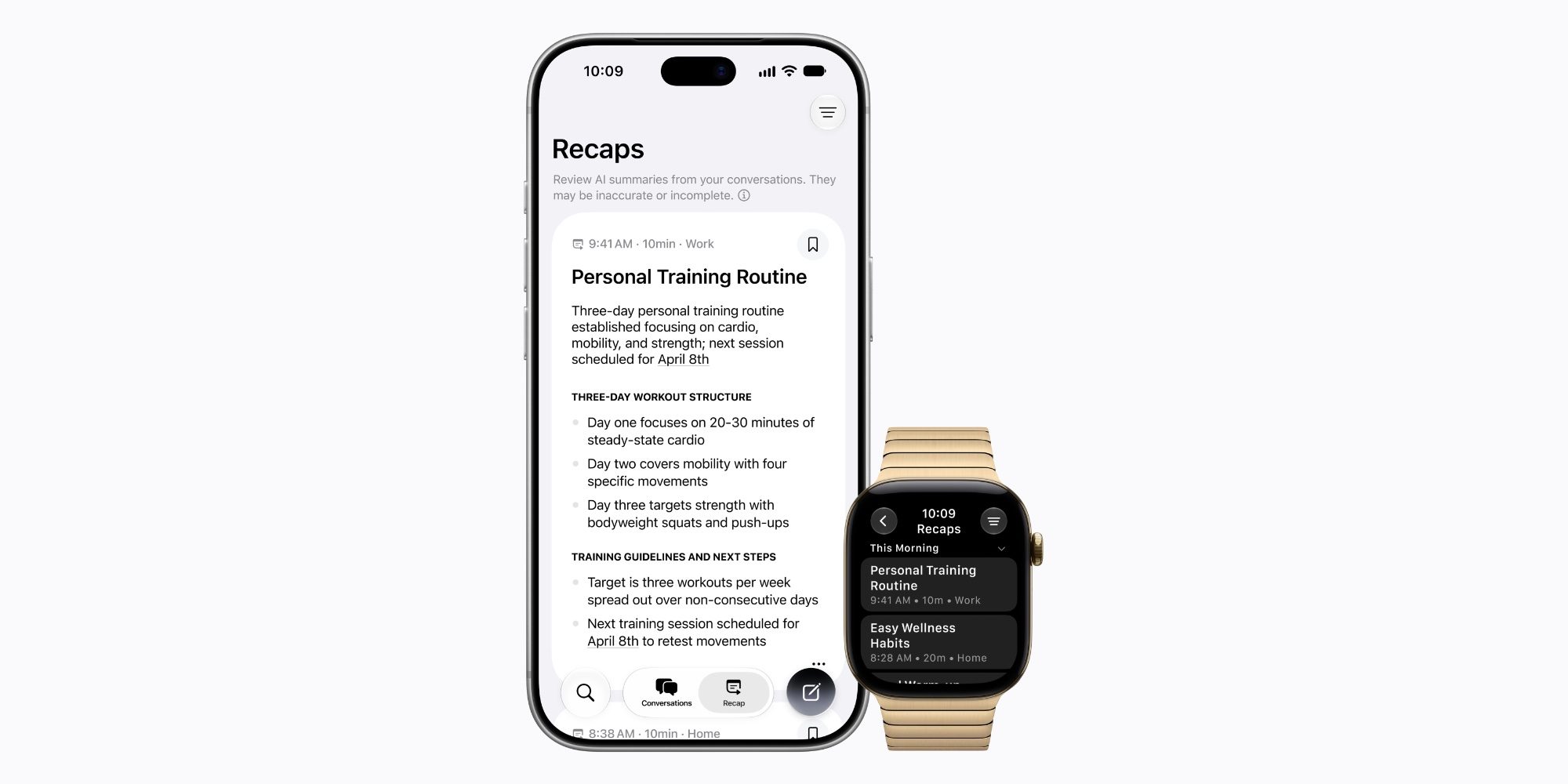
Among the software-driven highlights tied to the recent deployment of the watchOS 27.3 beta is the integration of Siri Recap. Designed specifically to leverage the computational overhead of the Series 12 and Apple Intelligence infrastructure, Siri Recap introduces an ambient conversational logging mechanism to the wrist.
According to official technical documentation provided by Apple, Siri Recap operates discreetly in the background, summarizing spoken interactions and daily dialogues into high-level, structured summaries. This feature aims to assist users in retaining contextual information from meetings, casual discussions, and daily administrative tasks without requiring manual note-taking. While privacy advocates have raised standard inquiries regarding the local processing and retention of conversational data, Apple has emphasized that the vast majority of logged interactions are processed on-device and automatically purged after a designated retention window. For professionals and busy consumers navigating fast-paced environments, Siri Recap offers a frictionless memory-jogging utility that redefines how users interact with voice assistants on wearable devices.
Battery Longevity, Workout Efficiency, and Rapid Power Delivery
Battery anxiety remains one of the primary friction points for smartwatch adoption globally. While the Apple Watch Series 12 maintains a baseline daily battery life span comparable to the preceding Series 11 model, Apple has engineered specific power-efficiency gains into the hardware. Most notably, users engaging in extended outdoor tracking routines will experience up to a 25% increase in operational endurance during GPS-heavy workouts.
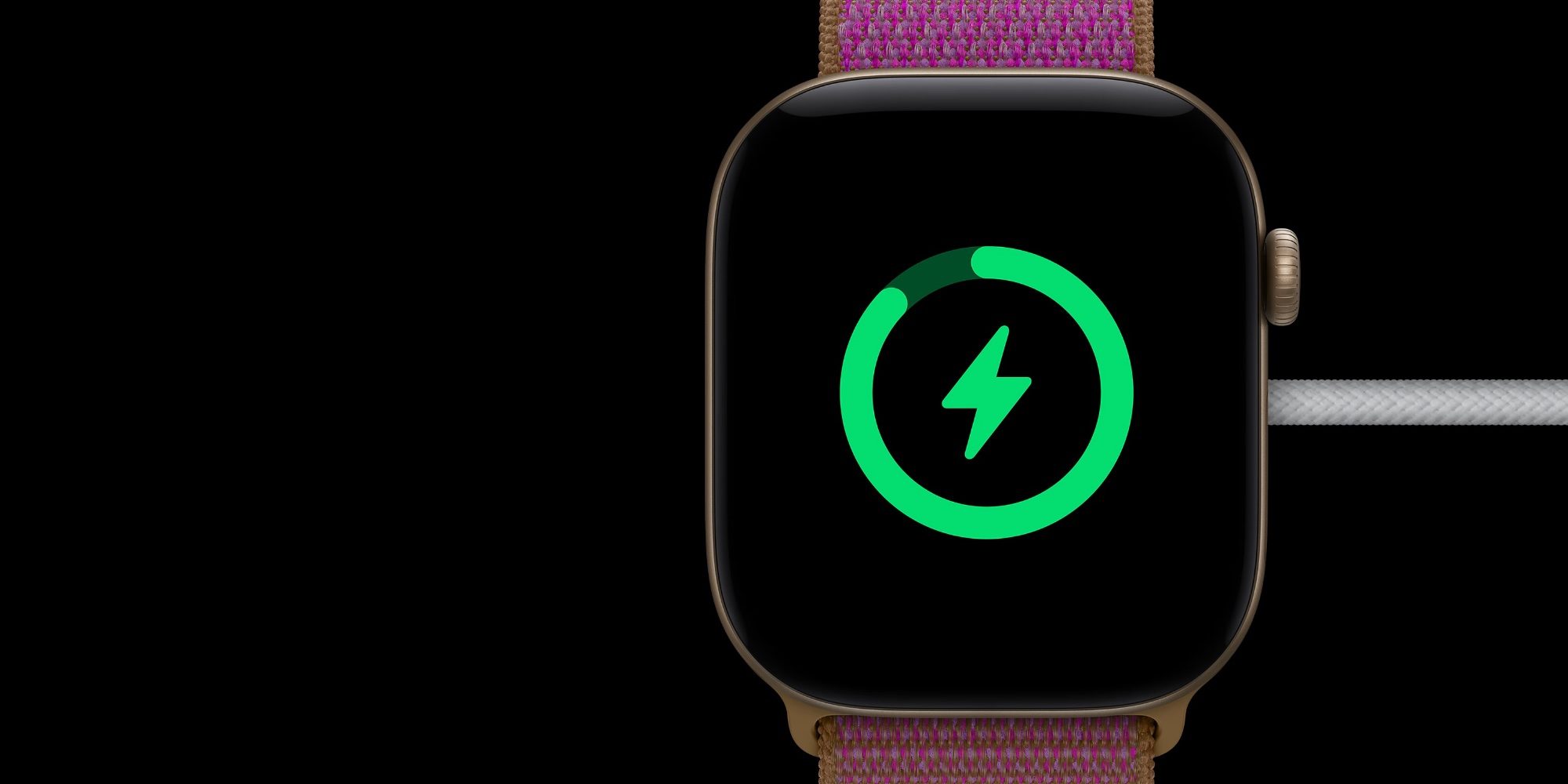
Equally transformative is the implementation of expedited charging architecture. Historically, overnight charging was the default paradigm for daily Apple Watch users, complicating sleep-tracking routines. The Series 12 features a high-density charging subsystem that drastically reduces the time required to achieve a functional operational charge. For instance, a brief evening top-up—often lasting no longer than the duration of a standard shower or dinner preparation—provides sufficient power to sustain overnight health monitoring and a full day of subsequent usage. This architectural improvement directly addresses the logistical challenges of round-the-clock biometric tracking.
Market Implications and Consumer Reception
The commercial rollout of the Apple Watch Series 12 arrives at a critical juncture for the consumer electronics sector. As smartphone innovation cycles lengthen and consumer spending patterns fluctuate, wearable technology must prove its indispensable value to justify regular upgrade cycles. By bundling a long-overdue silicon upgrade, advanced health complications, ambient artificial intelligence features through Siri Recap, and vastly improved charging speeds, Apple has positioned the Series 12 as a compelling proposition for owners of older Series 8, 9, or legacy models.
Initial sales data and consumer engagement metrics suggest strong early adoption rates, particularly as promotional holiday pricing drives the entry-level cost down to $329. As the wearable ecosystem continues to converge with advanced machine learning and proactive health analytics, the Apple Watch Series 12 establishes a new operational benchmark for the industry, ensuring that the device on the user’s wrist functions not merely as a notification relay, but as an intelligent, proactive health and productivity companion.