Google Classroom experiences sudden widespread service disruption affecting global educational institutions

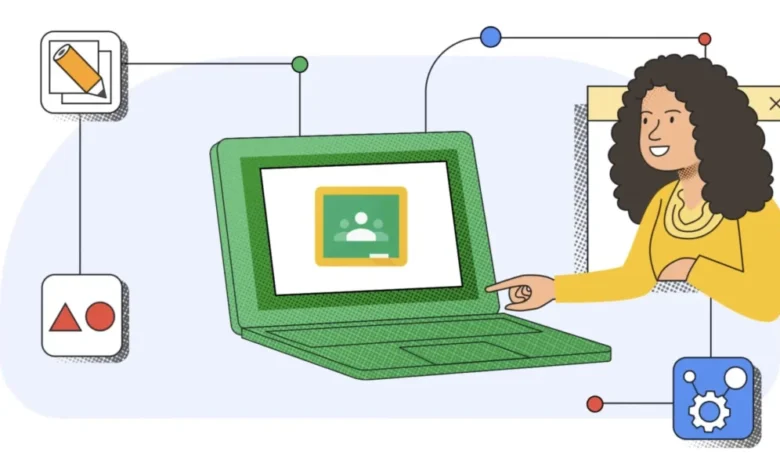
Google Classroom, a cornerstone of modern digital education, experienced a significant and abrupt service disruption earlier today, leaving educators, students, and administrators unable to access critical course materials, assignment portals, and communication channels. The outage, which began shortly after 12:30 PM ET, triggered a massive influx of user reports across tracking platforms, signaling a failure that appears to be isolated to the Classroom platform rather than the broader Google Workspace ecosystem.
The Chronology of the Disruption
The instability of the platform became apparent at approximately 12:33 PM ET, according to data provided by Downdetector, a leading service that monitors real-time outages. Within sixty minutes of the first reported connectivity issues, the platform recorded a surge exceeding 500 individual reports. This rapid spike is a hallmark of a centralized server-side failure rather than a localized internet service provider issue or individual hardware malfunction.
By 1:15 PM ET, reports continued to climb as classrooms across various time zones attempted to access the service during mid-day instruction hours. Unlike intermittent "blips" that typically characterize minor maintenance, this event exhibited the sustained downtime indicative of a backend authentication or database routing error. While Google’s status dashboard remained initially static, the sheer volume of user-generated data corroborated a widespread failure.
Isolation of the Issue within Google Workspace
A critical aspect of this outage is its specificity. Unlike past instances where entire segments of Google Workspace—including Gmail, Google Drive, or Google Meet—have suffered simultaneous outages, today’s event appears remarkably contained. Preliminary diagnostics and user reports suggest that other core components of the Google ecosystem remain fully operational.
Users reported that while they could access their personal or institutional Google Drive files, the specific interface for Google Classroom returned 500-series server errors or failed to load the dashboard entirely. This separation of services is technically significant; it suggests the failure occurred within the specific application layer governing Classroom’s interface, rather than a failure of the underlying Google Cloud authentication protocols that serve the entire Workspace suite. For institutions that rely heavily on integrated workflows, this isolation provided a slight reprieve, as secondary tools like Google Docs and Drive remained accessible for alternative workarounds.
Background and Context of Google Classroom
Since its inception, Google Classroom has evolved from a simple document distribution tool into a comprehensive Learning Management System (LMS) that underpins educational infrastructure for millions of students globally. The platform saw exponential growth during the COVID-19 pandemic, as the transition to remote learning necessitated a centralized, cloud-native hub for assignment submission, grading, and teacher-student communication.
In recent months, Google has invested heavily in expanding the utility of the platform. By introducing third-party add-ons, the company has sought to bridge the gap between static assignment pages and the interactive, multimedia-rich curricula required by modern pedagogical standards. These integrations allow educators to embed content from various educational software providers directly into the Classroom environment, theoretically making the platform stickier and more essential to the daily workflow of the classroom. However, as the ecosystem becomes more complex, the potential impact of a single-point-of-failure event like today’s outage becomes more pronounced.
Implications for Modern Digital Education
The reliance on cloud-based educational tools carries inherent risks, particularly regarding the continuity of instruction. For a K-12 school district or a university operating on a synchronized schedule, even a two-hour window of downtime can disrupt the flow of high-stakes testing, submission deadlines, and synchronous instruction.
From an administrative perspective, this outage highlights the "single point of failure" vulnerability in modern education. While cloud computing provides immense benefits in terms of collaboration and accessibility, it mandates an absolute reliance on the provider’s uptime. When a platform like Google Classroom goes offline, students lose access to their primary interface for knowledge acquisition. This necessitates the development of robust contingency plans by school districts, such as offline-capable document management or secondary communication channels, to ensure that learning is not entirely stalled by a server-side error in Mountain View.

Analyzing the Technical Landscape
While Google has not yet issued a formal root cause analysis, technical observers often point to updates or configuration shifts as the primary drivers of such disruptions. Tech giants frequently roll out updates to their web apps to maintain security and performance, and in a massive, interconnected system, even a minor configuration error in a content delivery network (CDN) or a database load-balancer can cause widespread access issues.
The fact that the outage did not extend to other Workspace apps suggests that the issue might be related to the specific application servers hosting the Classroom front-end, or perhaps a localized cache corruption within the Classroom database index. For users, the outcome is the same: the inability to reach the "Stream," "Classwork," or "People" tabs that form the core experience of the product.
The Role of Transparency in SaaS Reliability
In the realm of Software as a Service (SaaS), transparency during an outage is as critical as the uptime itself. As of this writing, Google has not released an official statement regarding the timeline for full restoration. For enterprise and educational clients who pay for premium Google Workspace for Education tiers, there is an expectation of Service Level Agreements (SLAs) that mandate proactive communication during downtime.
The absence of immediate communication often exacerbates the frustration for IT administrators, who are left to field inquiries from staff and parents without being able to offer a concrete explanation or an estimated time of resolution. As educational institutions continue to digitize their operations, the demand for "five-nines" reliability (99.999% uptime) is becoming the standard expectation.
Looking Ahead
While it is anticipated that Google engineers will resolve this issue with the same efficiency that typically characterizes the recovery of their massive infrastructure, the event serves as a reminder of the fragility of the digital classroom. As we move further into a post-pandemic educational landscape where hybrid learning is the norm, the stability of these platforms will remain a primary focus for school boards and policymakers.

The current incident serves as a case study for the necessity of architectural redundancy. While the cloud is often viewed as infallible, the reality of global-scale networking remains subject to human error and technical anomalies. For the millions of users currently staring at error screens, the focus remains entirely on the restoration of service. Educators are advised to monitor the Google Workspace Status Dashboard for official updates, and to prepare for potential delays in assignment submissions or digital assessments that were scheduled during this outage window.
As the situation develops, the broader conversation will undoubtedly shift toward how Google and other major providers can bolster the resilience of their educational platforms, ensuring that the "always-on" promise of the cloud remains a reality rather than an ideal. The digital classroom is no longer a luxury—it is the front line of modern education, and its stability is a matter of public interest.