The iPhone 18 Pro and Pro Max Poised to Revolutionize Mobile Photography with Variable Aperture Technology

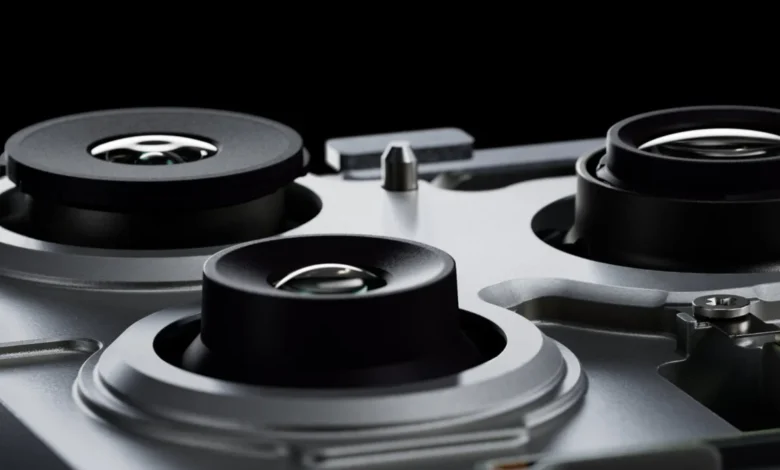
Apple is reportedly set to introduce a groundbreaking variable-aperture camera system in its forthcoming iPhone 18 Pro and iPhone 18 Pro Max models, marking a significant first for the company’s smartphone lineup. This eagerly anticipated upgrade, which has been the subject of persistent rumors, promises to fundamentally alter how these devices capture images and video, delivering tangible improvements for everyday users and professional photographers alike. The unveiling is expected in September 2026, alongside Apple’s inaugural foldable iPhone, setting the stage for a new era in mobile imaging.
Understanding Variable Aperture in Mobile Photography
At its core, an aperture is a crucial component within a camera lens, functioning as the adjustable opening that controls the amount of light entering the camera sensor. A natural and relatable analogy is the human eye’s pupil, which instinctively dilates in dim conditions to let in more light and constricts in bright environments to limit light intake. Traditional iPhone cameras, by contrast, have historically featured a fixed aperture, meaning the lens opening remains constant regardless of ambient light conditions. To compensate for this fixed design, current iPhones rely heavily on a combination of shutter speed adjustments, ISO sensitivity manipulation, and sophisticated software processing algorithms to brighten or darken an image, thereby achieving correct exposure.
The introduction of a variable aperture system fundamentally changes this dynamic. It bestows the device with mechanical control over the physical size of the lens opening. This mechanical adjustment allows the camera to precisely regulate the volume of light reaching the sensor, offering a level of photographic control previously unavailable in Apple’s smartphones. This is not merely an incremental software tweak but a hardware-level enhancement that brings the iPhone’s photographic capabilities closer to those of professional-grade cameras.
Enhanced Video Quality: A Cinematic Leap
One of the most immediate and noticeable improvements for users will manifest in video recording, particularly when shooting outdoors in bright conditions. Existing iPhone cameras, with their fixed apertures, are compelled to capture each video frame at an exceptionally high shutter speed when faced with intense sunlight. This rapid capture is necessary to prevent overexposure, but it often results in footage where movement can appear unnaturally sharp, staccato, or "jerky." This is because a very fast shutter speed minimizes motion blur, which is a natural component of how our eyes perceive movement and contributes to a more cinematic aesthetic.
The iPhone 18 Pro’s variable aperture camera will address this limitation directly. In bright sunlight, the lens opening can be mechanically reduced (made smaller), effectively limiting the amount of light that enters the camera. This crucial adjustment allows the camera to utilize a slower, more appropriate shutter speed without risking overexposure. The outcome is smoother, more fluid video recordings with natural-looking motion blur, emulating the professional quality typically associated with dedicated video cameras. Washed-out highlights, a common issue in overly bright scenes, should also be significantly mitigated, preserving detail and dynamic range. This capability moves beyond computational fixes, offering a more organic and visually appealing result.
Transformative Still Photography: Sharper Details and Authentic Bokeh
Beyond video, still photography stands to gain substantially from variable aperture technology. Photos captured in well-lit environments are expected to exhibit greater sharpness, particularly around the edges of subjects. A smaller aperture (higher f-number) naturally increases the depth of field, ensuring that more of the scene, from foreground to background, remains in sharp focus. This is particularly beneficial for landscape photography or group shots where overall sharpness is paramount.
Perhaps even more exciting for enthusiasts is the impact on Portrait Mode photography. While current iPhones utilize advanced computational photography to simulate the "bokeh" effect – the aesthetically pleasing blur of the background behind a sharp subject – a variable aperture can achieve this effect more authentically. By physically adjusting the lens opening, the camera can create a shallower depth of field, resulting in a more natural and optically rendered background blur. This contrasts with the often computationally "rendered" look of current Portrait Mode photos, which can sometimes exhibit subtle artifacts or an artificial separation between subject and background. The variable aperture promises a more organic, pleasing, and realistic bokeh, adding a professional touch to portraiture. This hardware-driven approach to depth of field offers a distinct advantage over purely software-based solutions, allowing for a more nuanced and physically accurate representation of spatial separation.
Expanding Capabilities: Low-Light Performance and Versatility
While the initial focus of the rumors emphasizes benefits in bright conditions, a variable aperture system inherently offers advantages across the entire spectrum of lighting environments. In low-light scenarios, the aperture can be opened wider (lower f-number), allowing a greater quantity of light to reach the sensor. This capability can significantly improve image quality in challenging lighting conditions by reducing the need for excessively high ISO settings, which often introduce digital noise and degrade image fidelity. A wider aperture in low light can result in brighter images with less grain, preserving more detail and color accuracy. This versatility, adapting to both extremes of lighting, underscores the comprehensive nature of the variable aperture upgrade.
Historical Context and Industry Adoption
The concept of variable aperture in smartphones is not entirely novel. Other manufacturers have previously experimented with or implemented similar technology, though Apple’s adoption often signifies a maturation and refinement of the feature for mainstream use. For instance, Samsung introduced a dual-aperture system in its Galaxy S9 and Note 9 models, allowing users to switch between f/1.5 and f/2.4 apertures for improved versatility in different lighting conditions. Huawei also explored variable aperture solutions in some of its flagship devices. These prior implementations demonstrated the potential benefits but also highlighted the engineering challenges of integrating mechanical moving parts into the compact form factor of a smartphone camera module.
Apple’s characteristic approach has been to observe, refine, and integrate new technologies only when they can deliver a seamless, high-quality user experience. The company’s decision to incorporate variable aperture now suggests that it has developed a solution that meets its stringent performance and reliability standards, potentially offering a more advanced or seamless implementation than its predecessors in the Android ecosystem. This move signifies Apple’s continued commitment to pushing the boundaries of smartphone photography, moving beyond purely computational enhancements to incorporate more fundamental optical improvements.
The Question of User Control: Automatic or Manual?
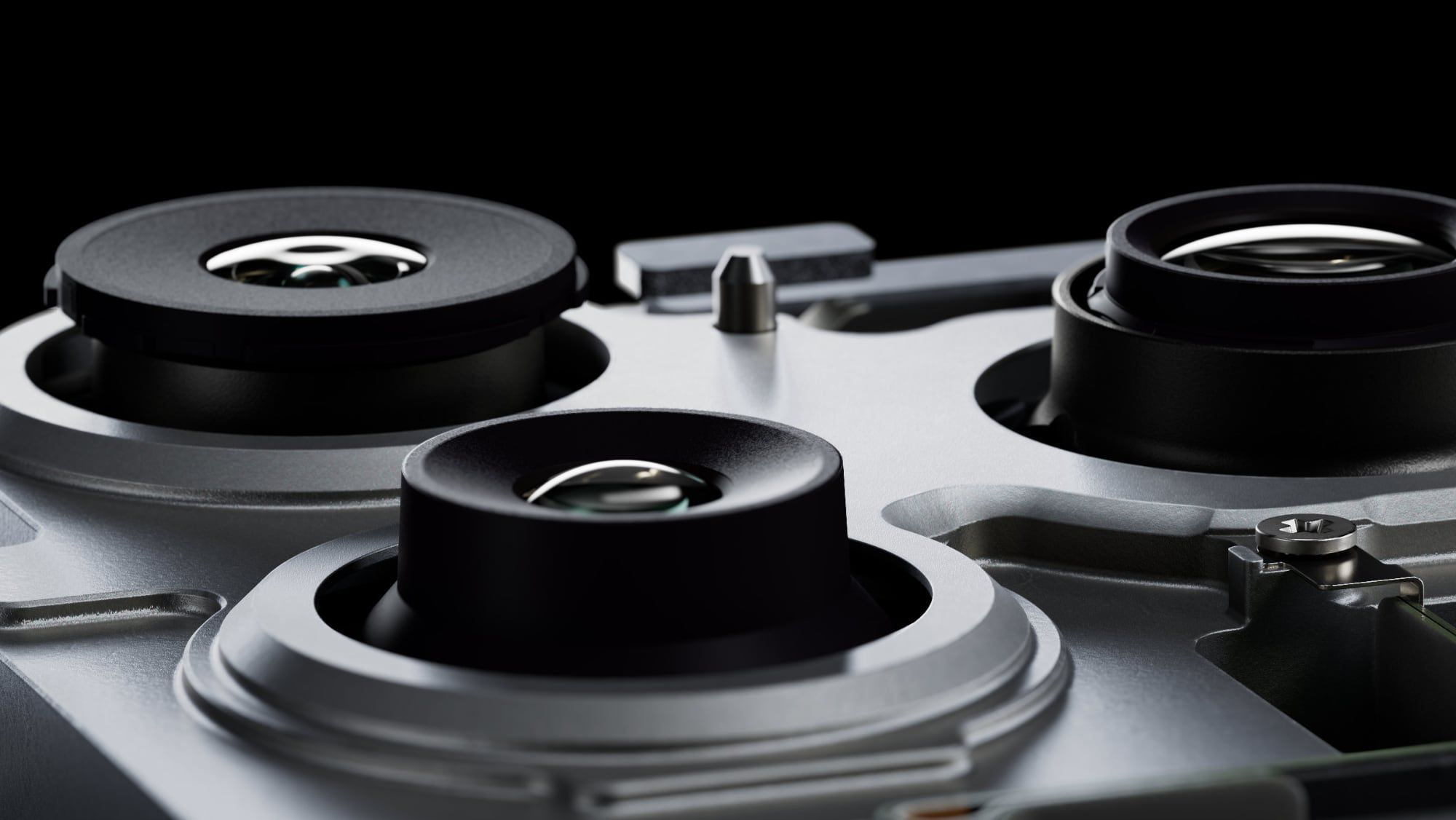
A pivotal question that remains unanswered, and one that will significantly influence the user experience, is whether the iPhone 18 Pro will grant users direct manual control over the aperture setting or if the device will adjust it automatically behind the scenes. This distinction is crucial for understanding the implications of the feature.
If the iPhone 18 Pro opts for an entirely automatic adjustment, the variable aperture will function as a built-in enhancement, working silently to improve photo and video quality without requiring any user intervention. This approach aligns with Apple’s philosophy of making advanced technology accessible and effortless for the average user, ensuring that everyone benefits from superior image capture without needing to understand the underlying mechanics. The camera would intelligently select the optimal aperture for the given lighting conditions, maximizing visual fidelity in every shot.
Conversely, if Apple decides to offer manual control, it would transform the variable aperture into a powerful creative tool for advanced photographers. Manual aperture control would empower users to deliberately manipulate depth of field, enabling them to achieve specific artistic effects, such as a very shallow depth of field for dramatic subject isolation or a wider depth of field for expansive, sharp landscapes. This level of control would appeal to the "Pro" segment of the iPhone user base, mirroring the capabilities found in traditional DSLR and mirrorless cameras and further cementing the iPhone’s status as a serious photographic instrument. Given Apple’s recent trend of introducing "Pro" features like ProRAW and ProRes video, a manual aperture option for the Pro models seems a logical extension of its strategy to cater to creative professionals. The answer to this question will likely be revealed closer to the official launch.
Broader Implications for Apple’s Camera Strategy
The integration of variable aperture technology represents more than just a single feature upgrade; it signals a strategic evolution in Apple’s approach to mobile imaging. For years, Apple has led the charge in computational photography, leveraging powerful processors and advanced algorithms to overcome the physical limitations of small smartphone sensors. Features like Smart HDR, Deep Fusion, and Photographic Styles are testaments to this software-centric innovation. However, the move to variable aperture suggests a renewed focus on optical hardware, indicating that Apple believes there are still significant gains to be made at the lens level.
This shift could be interpreted as Apple striving to further differentiate its high-end iPhone models in an increasingly competitive market. As other smartphone manufacturers catch up in computational photography, advanced optical hardware provides a new frontier for innovation and a compelling reason for consumers to choose the iPhone Pro models. It also suggests that Apple is pushing the iPhone’s camera closer to the versatility and control offered by dedicated cameras, bridging the gap between convenience and professional capability. This could open doors for deeper integration with professional photography workflows and applications, further solidifying the iPhone’s role as a primary content creation tool for a diverse range of users.
Timeline and Release Expectations: A September Unveiling
Industry analysts and supply chain sources indicate that Apple is on track to debut the iPhone 18 Pro and iPhone 18 Pro Max in September 2026. This launch event is also expected to be monumental for another reason: the introduction of Apple’s first foldable iPhone. The simultaneous release of these highly anticipated devices underscores Apple’s ambitious product roadmap for the coming year. Over the next few months, as the launch approaches, more definitive details regarding the implementation of the variable aperture, including the crucial aspect of user control, are anticipated to emerge from leaks and official teasers.
The Pricing Conundrum: Advanced Features and Market Dynamics
While the technological advancements of the iPhone 18 Pro are exciting, they arrive amidst a broader discussion about pricing. Recent reports from various sources, including "The MacRumors Show," Chinese leakers like "Fixed Focus Digital," and analytics firm IDC, suggest that the iPhone 18 Pro lineup and Apple’s first foldable iPhone will likely launch at higher price points than previous generations. This follows a wave of price increases across much of Apple’s existing product lineup, including HomePod mini, HomePod, and Apple TV, which were implemented recently.
"Fixed Focus Digital" indicated on Weibo that while current iPhone models had not seen price hikes, the iPhone 18 Pro models would "definitely see a price hike." IDC, a prominent analytics firm, initially predicted a $100 increase for the iPhone 18 Pro and Pro Max, and a $50 increase for base models. However, following Apple’s recent broader price adjustments, IDC Senior Director of Data & Analytics Nabila Popal revised this estimate, suggesting that the iPhone 18 Pro and Pro Max could see an increase of up to $200.
Several factors are contributing to this anticipated price escalation. The global economic climate, rising component costs, inflationary pressures, and the sheer cost of integrating advanced technologies like the variable aperture camera system and the complex engineering required for a foldable display are all significant drivers. For Apple, these price adjustments are likely a strategic move to maintain profit margins while investing heavily in research and development for cutting-edge features. The variable aperture, being a sophisticated mechanical component, undoubtedly adds to the manufacturing cost.
The potential price increases could have several implications. On one hand, they reinforce the premium positioning of the Pro models, signaling to consumers that these devices offer truly advanced capabilities that command a higher investment. On the other hand, they could impact market accessibility and potentially temper demand, especially for the ultra-premium foldable iPhone. Apple will need to carefully balance these factors to ensure that the perceived value of these innovative features justifies the higher price tags for its discerning customer base.
Conclusion: A New Chapter for iPhone Photography
The rumored introduction of a variable-aperture camera in the iPhone 18 Pro and iPhone 18 Pro Max marks a pivotal moment in the evolution of mobile photography. This hardware-level innovation promises to deliver tangible benefits, from smoother, more cinematic video in bright sunlight to sharper still images and more authentic "bokeh" in Portrait Mode. It signifies Apple’s commitment to pushing beyond purely computational enhancements, embracing advanced optical engineering to redefine what’s possible with a smartphone camera.
As the industry awaits the official unveiling in September 2026, the question of user control over this feature remains a key point of anticipation. Regardless of whether it’s fully automatic or offers manual settings, the variable aperture is poised to elevate the iPhone’s photographic capabilities to new heights, further blurring the lines between professional-grade cameras and the device in our pockets. This technological leap, combined with the expected debut of Apple’s first foldable iPhone, underscores a period of significant innovation for the Cupertino giant, even as it navigates the complexities of global supply chains and potential price adjustments for its flagship devices. The iPhone 18 Pro and Pro Max are set to open a new chapter in mobile imaging, promising a richer, more versatile, and visually stunning experience for users worldwide.