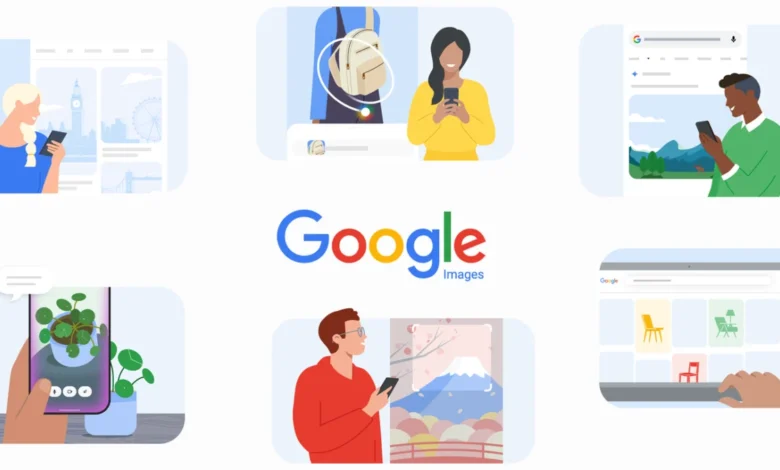
Google has officially reached a significant milestone in the history of digital information, celebrating the 25th anniversary of Google Images, a platform that fundamentally altered how the world interacts with the internet. To mark the occasion, the company has announced a suite of transformative updates, including a reimagined, immersive homepage for visual discovery and the integration of advanced generative artificial intelligence directly into Search. These developments, led by Brad Kellett, Senior Engineering Director for Search, signal a pivot from traditional image retrieval to a sophisticated, multimodal ecosystem where the boundaries between imagination, exploration, and reality are increasingly blurred.
The centerpiece of this anniversary is a complete overhaul of the Google Images interface. For the first time, users will experience a dynamic, live-updated gallery tailored to individual interests through machine learning. This new "home" for visual search allows users to browse an endless stream of inspiration while organizing ideas into persistent collections. As users save content, the interface adapts, placing relevant tabs at the top of the gallery to facilitate deep dives into specific topics. Initially rolling out for desktop users in the United States, this feature represents Google’s commitment to "ambient discovery," where the search engine anticipates user needs based on visual context.
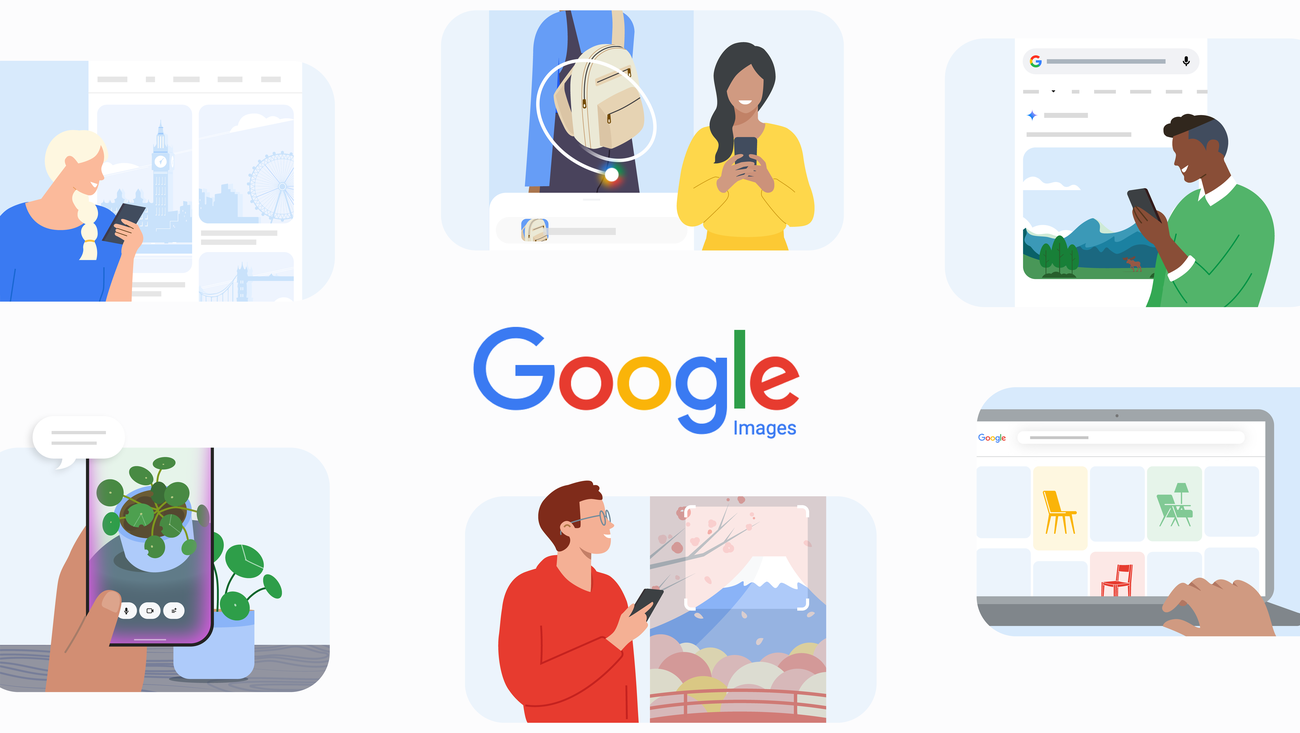
Furthermore, Google is introducing a major leap in creative utility by integrating high-quality image generation into AI Overviews. Powered by the proprietary "Nano Banana" model—the latest evolution in Google’s generative AI architecture—this feature allows users to create custom visuals from scratch using simple text prompts. This update is designed for scenarios where the desired image does not yet exist on the open web, effectively turning Search into a creative studio. The rollout is scheduled for the coming weeks across regions that currently support Google’s AI Mode.
The Genesis of Visual Search: From Blue Links to Pixels
The evolution of Google Images is inextricably linked to a specific moment in pop culture history. In February 2000, Jennifer Lopez appeared at the 42nd Grammy Awards wearing a green Versace silk chiffon dress. The resulting surge in search volume was unprecedented. At the time, Google Search provided only a list of blue text links. Engineers realized that users were not looking for articles about the dress; they wanted to see the dress itself.
In July 2001, Google Images launched with an initial index of 250 million images. This marked the end of the text-only era of the internet. By providing a dedicated portal for visual data, Google established a new standard for information density. Over the next decade, the index grew exponentially, reaching billions of images as digital photography and social media became ubiquitous. This period laid the groundwork for "Similar Images" in 2009, which utilized early computer vision to group visually related content, reducing the reliance on metadata and filenames.
A Chronology of Innovation: 2011 to 2022
The second decade of Google Images was defined by the transition from "searching for images" to "searching with images." In 2011, the launch of "Search by Image" introduced reverse image search to the masses. This tool became essential for journalists verifying the source of a photograph and for consumers trying to identify products or landmarks. By allowing users to drag and drop a file into the search bar, Google turned the image itself into a query.
The advent of the smartphone era accelerated this trend. In 2018, Google Lens was integrated into Search, transforming the mobile camera into a powerful input device. Lens utilized sophisticated neural networks to identify objects, translate text in real-time, and provide shopping links for physical items. This was a critical step toward multimodal search—the ability to process different types of data (text, image, and later, video) simultaneously.
In 2022, Google introduced "Multisearch." This feature allowed users to combine an image with a text modifier, such as snapping a photo of a patterned shirt and adding the word "polka dots" to find variations. This represented a fundamental shift in user behavior, acknowledging that human curiosity is often too complex to be captured by a single medium.

The AI Revolution and the Era of Multimodality (2024–2026)
The current era of visual search is defined by the integration of large-scale AI models. In 2024, Google launched "Circle to Search," a feature that allowed Android users to initiate a search from any app with a simple gesture. This eliminated the friction of switching between applications, bringing search functionality directly into the user’s workflow. By 2025, the platform had expanded to include "Search Live," enabling interactive voice conversations with AI Mode while sharing a live camera feed. This effectively turned Google Search into a real-time assistant capable of troubleshooting hardware or providing culinary guidance through visual observation.
Technical analysis of these recent updates reveals a move toward "visual image fan-out" techniques. This process breaks a single complex image into dozens of sub-queries, allowing the AI to understand the relationship between multiple objects within a frame. For instance, the 2026 update to Circle to Search enables "Multi-Object Recognition," allowing a user to circle an entire outfit and receive separate results for the shoes, trousers, and jacket simultaneously.
The introduction of the "Intelligent Search Box" in 2026 further refined this experience. By allowing users to upload multiple images and ask nuanced, conversational questions, Google has moved toward a "reasoning-based" search. Instead of merely matching patterns, the AI now understands the intent behind a query, such as comparing the aesthetics of two different interior design photos to suggest a third option that combines elements of both.

Supporting Data and Market Impact
The scale of Google’s visual search infrastructure is staggering. As of 2024, Circle to Search is available on more than 580 million Android devices globally. Industry analysts estimate that visual search queries have grown at an annual rate of over 25% since 2020, driven largely by younger demographics who prefer visual discovery over keyword-based searching.
This shift has profound implications for the e-commerce sector. Data suggests that consumers are 60% more likely to engage with a product if they can find it through a visual search tool. Google’s integration of "Visual Results in AI Mode" directly addresses this trend, providing a shoppable grid of products based on conversational descriptions like "barrel jeans that aren’t too baggy." This creates a seamless funnel from inspiration to purchase, positioning Google as a direct competitor to social commerce platforms.
Furthermore, the introduction of the "Nano Banana" generative model indicates Google’s intent to dominate the "prosumer" market. By providing high-fidelity image generation within the search interface, Google is capturing users who would otherwise migrate to specialized AI platforms like Midjourney or DALL-E. This keeps users within the Google ecosystem, allowing the company to gather more data on creative intent.

Industry Reactions and Broader Implications
While Google’s advancements have been met with enthusiasm from tech enthusiasts, they have also sparked discussions regarding digital copyright and the future of the open web. Critics argue that generative AI, which creates images "from scratch," may reduce traffic to original content creators and stock photography sites. However, Google maintains that its tools are designed to augment human creativity and bridge the gap between imagination and existing information.
From a technical standpoint, the move toward "Search Live" and "Intelligent Search Boxes" suggests a future where search is no longer a destination but a continuous, ambient layer of the operating system. Analysts at Forrester Research note that Google’s trajectory is leading toward a "zero-query" future, where the search engine provides information based on the user’s visual surroundings and historical preferences without a formal prompt.
The 25-year journey of Google Images reflects the broader history of the internet itself—a transition from a static repository of documents to a vibrant, interactive, and increasingly intelligent reflection of the human experience. As Google continues to push the boundaries of what is possible with visual search, the focus remains on making the world’s visual information not just accessible, but truly useful in every facet of daily life. From the iconic green dress of 2000 to the real-time AI conversations of today, the evolution of the pixel has redefined the boundaries of human knowledge.