Chick-fil-A Confirms Customer Accounts Hacked in Months-Long Automated Attack

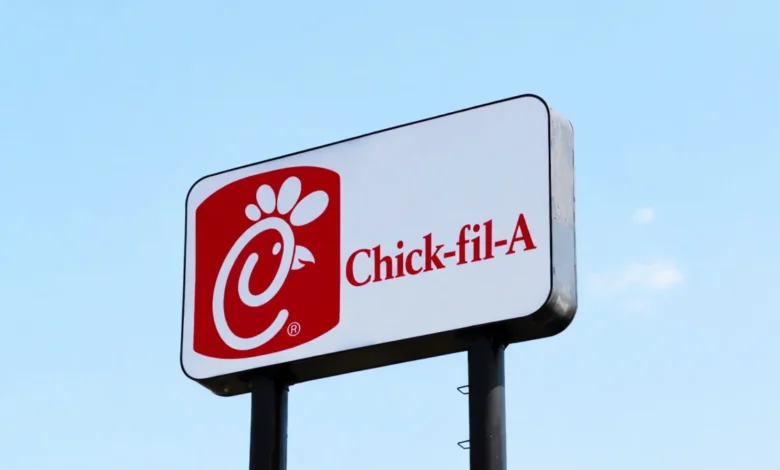
American fast-food giant Chick-fil-A is currently grappling with a significant data breach that has compromised an undisclosed number of its customers’ accounts. The breach, which the company has recently begun to notify affected individuals about, stems from a sophisticated and prolonged credential stuffing attack targeting the popular restaurant chain’s website and mobile application. This incident marks a concerning escalation in the ongoing battle against cyber threats, particularly for organizations that maintain extensive customer loyalty programs and digital engagement platforms.
Chick-fil-A, a dominant force in the quick-service restaurant sector, operates an expansive network of over 3,000 locations across the United States, Canada, Puerto Rico, the United Kingdom, and Singapore. Its "Chick-fil-A One" loyalty program is a cornerstone of its customer engagement strategy, incentivizing repeat business through points, rewards, and personalized offers. It is this very program, however, that has become the target of malicious actors.
The data breach notification letters, filed with various Attorney General offices, reveal that Chick-fil-A’s security team first detected suspicious login activity on certain Chick-fil-A One accounts. This unusual surge in attempted logins triggered an internal investigation, which ultimately uncovered the scope and nature of the cyberattack.
A Chronology of the Cyberattack
The cyberattack campaign, as detailed by Chick-fil-A, unfolded over a specific period in June 2026. The company’s investigation pinpointed an automated attack that commenced on June 17, 2026, and continued through June 19, 2026. During this timeframe, threat actors systematically leveraged compromised account credentials—primarily email addresses and passwords—that had been procured from third-party data leaks.
The attackers employed sophisticated automated tools designed to rapidly test these stolen credentials against Chick-fil-A’s digital infrastructure. This technique, known as credential stuffing, exploits the common practice of individuals reusing the same login information across multiple online services. When credentials from one compromised service are used to access another, the vulnerability is exposed, creating an entry point for cybercriminals.
Following the initial detection of suspicious activity, Chick-fil-A initiated a thorough investigation to ascertain the extent of the compromise. By July 13, 2026, the company had concluded its forensic analysis and determined that unauthorized parties had indeed gained access to sensitive information within the affected Chick-fil-A One accounts. This confirmation led to the issuance of data breach notification letters to impacted customers.
The Scope of Exposed Data
The information accessed by the unauthorized parties varied depending on the data available within each compromised Chick-fil-A One account. However, a broad spectrum of personal and financial details was potentially exposed. This included:
- Customer Names: Essential for identifying individuals.
- Email Addresses: A primary communication channel and often used for account recovery.
- Chick-fil-A One Membership Numbers: Unique identifiers for loyalty program participation.
- Mobile Pay Numbers: Information related to payment methods linked to the app.
- QR Codes: Potentially linked to rewards, offers, or payment functionalities within the app.
- Chick-fil-A Credit Balances: The amount of pre-loaded credit available on customer accounts.
- Last Four Digits of Credit/Debit Card Numbers: While not full card numbers, these digits can be used in conjunction with other stolen information for fraudulent purposes.
- Birth Dates: Often used as a security verification factor.
- Phone Numbers: Another critical piece of contact and verification information.
- Home Addresses: Used for physical delivery and identification.
The inclusion of QR codes and mobile pay numbers is particularly concerning, as these elements can sometimes be exploited to initiate fraudulent transactions or gain unauthorized access to services if not adequately secured. The exposure of the last four digits of payment cards, while seemingly minor, can contribute to a larger profile of stolen information used in more elaborate scams.
Geographic Reach of the Breach
While Chick-fil-A has not disclosed the total number of customers affected nationwide, the company’s filings with state Attorney General offices provide some indication of the breach’s reach. The Texas Attorney General’s office, for instance, reported that the incident impacted approximately 2,182 Texans.
Data breach notification letters have also been dispatched to residents in several other states and the District of Columbia, including Iowa, Maryland, Massachusetts, New Mexico, New York, North Carolina, Oregon, Vermont, and Rhode Island. This broad geographical distribution suggests a widespread attack that targeted a significant portion of Chick-fil-A’s customer base. The sheer volume of affected individuals across multiple jurisdictions underscores the systemic nature of the attack and the widespread implications for consumer data security.
Understanding Credential Stuffing Attacks
Credential stuffing is a prevalent cybercrime technique that relies on automation and the exploitation of password reuse. Attackers acquire large lists of usernames and passwords, often obtained from previous data breaches on other websites. They then use bots to automatically attempt to log into accounts on various platforms using these stolen credentials.
The effectiveness of credential stuffing is directly linked to the tendency of users to employ the same login information across different online services. Cybersecurity experts have long warned against this practice, emphasizing that a single breach on one platform can compromise accounts on numerous others. The ultimate goal of attackers engaging in credential stuffing is to gain unauthorized access to user accounts, from which they can steal personal and financial information, conduct fraudulent transactions, sell the compromised data on the dark web, or engage in identity theft.
The scale of automated attacks like the one experienced by Chick-fil-A is often staggering. Bots can test millions of credential pairs per hour, making it incredibly difficult for organizations to block them solely through manual intervention. Advanced threat actors often employ sophisticated botnets, further amplifying their capabilities and making detection a significant challenge.

Chick-fil-A’s Response and Remediation Efforts
In the immediate aftermath of confirming the breach, Chick-fil-A implemented several measures to mitigate the damage and protect its customers. These actions include:
- Logging out Impacted Accounts: All accounts identified as compromised were automatically logged out to prevent further unauthorized access.
- Removal of Payment Methods: Any payment information associated with the compromised accounts was removed to prevent fraudulent transactions.
- Restoration of Account Balances: Chick-fil-A has reportedly restored the balances of any Chick-fil-A credit that was depleted due to the breach.
- Addition of Rewards: As a gesture of apology and to compensate for the inconvenience and potential risk, affected customers have had additional rewards added to their accounts.
- Password Reset Recommendation: Crucially, Chick-fil-A has strongly advised all impacted users to change their passwords immediately. This includes updating passwords on their Chick-fil-A One accounts and, importantly, on any other online services where they may have used the same or similar credentials.
A spokesperson for Chick-fil-A was not immediately available for comment when contacted by BleepingComputer regarding the specific number of customer accounts affected by the recent attacks. This lack of immediate public detail is not uncommon in data breach situations, as companies often prioritize internal investigations and customer notification before releasing comprehensive public statements.
A Recurring Threat: Previous Incidents
This is not the first time Chick-fil-A has faced significant security challenges. In March 2023, the company confirmed a similar incident where threat actors had gained access to the personal information and used the stored reward balances of over 71,000 customers. That breach, also attributed to credential stuffing attacks, occurred between December 2022 and February 2023. The recurrence of such attacks within a relatively short timeframe raises questions about the robustness of the company’s ongoing cybersecurity defenses and the persistent threat posed by credential stuffing tactics.
The March 2023 incident involved unauthorized access to customer accounts, leading to the theft of personal data and the depletion of loyalty program rewards. The company’s response at the time also included password reset recommendations and efforts to reimburse affected customers. The fact that a similar attack vector and a similar outcome have materialized again suggests that either the threat actors have found new vulnerabilities or that the implemented security measures are not entirely foolproof against determined adversaries.
Broader Implications and Industry-Wide Concerns
The Chick-fil-A data breach serves as a stark reminder of the pervasive and evolving nature of cyber threats in the digital age. For consumers, it highlights the critical importance of cybersecurity hygiene, particularly:
- Unique Passwords: Using distinct and complex passwords for every online account.
- Multi-Factor Authentication (MFA): Enabling MFA wherever available, adding an extra layer of security beyond just a password.
- Vigilance: Regularly monitoring account activity for any suspicious transactions or login attempts.
- Phishing Awareness: Being cautious of unsolicited emails or messages that may attempt to trick users into revealing their login credentials.
For businesses, especially those operating customer-facing platforms and loyalty programs, this incident underscores the necessity of robust, multi-layered cybersecurity strategies. This includes:
- Advanced Threat Detection: Implementing sophisticated systems capable of identifying and responding to automated attacks in real-time.
- Credential Monitoring: Actively monitoring for compromised credentials and taking proactive steps to secure accounts.
- Regular Security Audits and Penetration Testing: Continuously assessing the effectiveness of security defenses.
- Employee Training: Educating staff on cybersecurity best practices and threat recognition.
- Data Minimization: Collecting and retaining only the data that is absolutely necessary for business operations.
- Incident Response Planning: Having a well-defined and practiced plan in place to manage and mitigate the impact of data breaches.
The increasing sophistication of cybercriminals, coupled with the vast amount of personal data stored by companies, creates a fertile ground for attacks. The trend of credential stuffing, as seen in the Chick-fil-A breaches, is likely to continue as long as password reuse remains prevalent among internet users. Organizations must therefore remain vigilant, adapt their defenses, and prioritize the security of their customers’ sensitive information to maintain trust and mitigate the significant financial and reputational damage that data breaches can inflict. The ongoing digital arms race between cybercriminals and cybersecurity professionals demands constant innovation and a proactive approach to safeguarding our interconnected digital world.