Independent fashion designers have long grappled with an invisible operational burden that consumes a disproportionate share of their daily schedules. While the public image of a fashion designer involves sketching haute couture, draping luxurious fabrics over mannequins, and curating avant-garde collections, the reality is far more administrative. Vendor coordination, factory logistics, compliance reporting, supply chain negotiations, and financial bookkeeping frequently push actual design work to the periphery. Recognizing these systemic friction points, Google’s Envisioning Studio, backed by the computational resources and experimental framework of Google Labs, embarked on an ambitious initiative ahead of New York Fashion Week (NYFW). Their objective was not to replace human creativity with automation, but rather to streamline the arduous creative workflow, allowing designers to translate grand runway visions into physical reality with unprecedented efficiency.
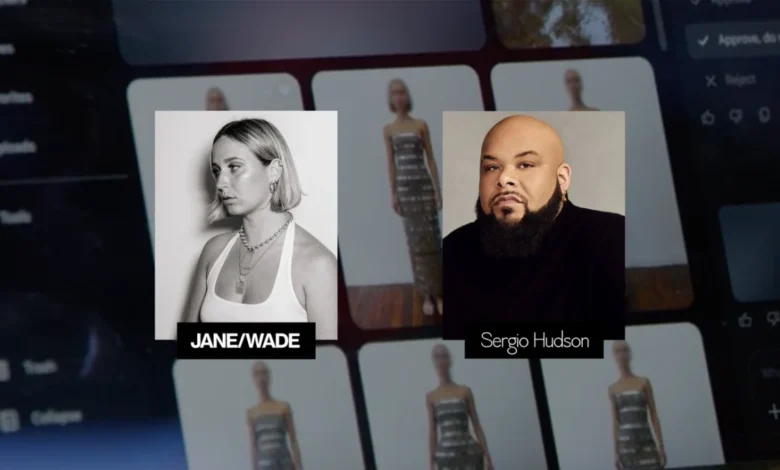
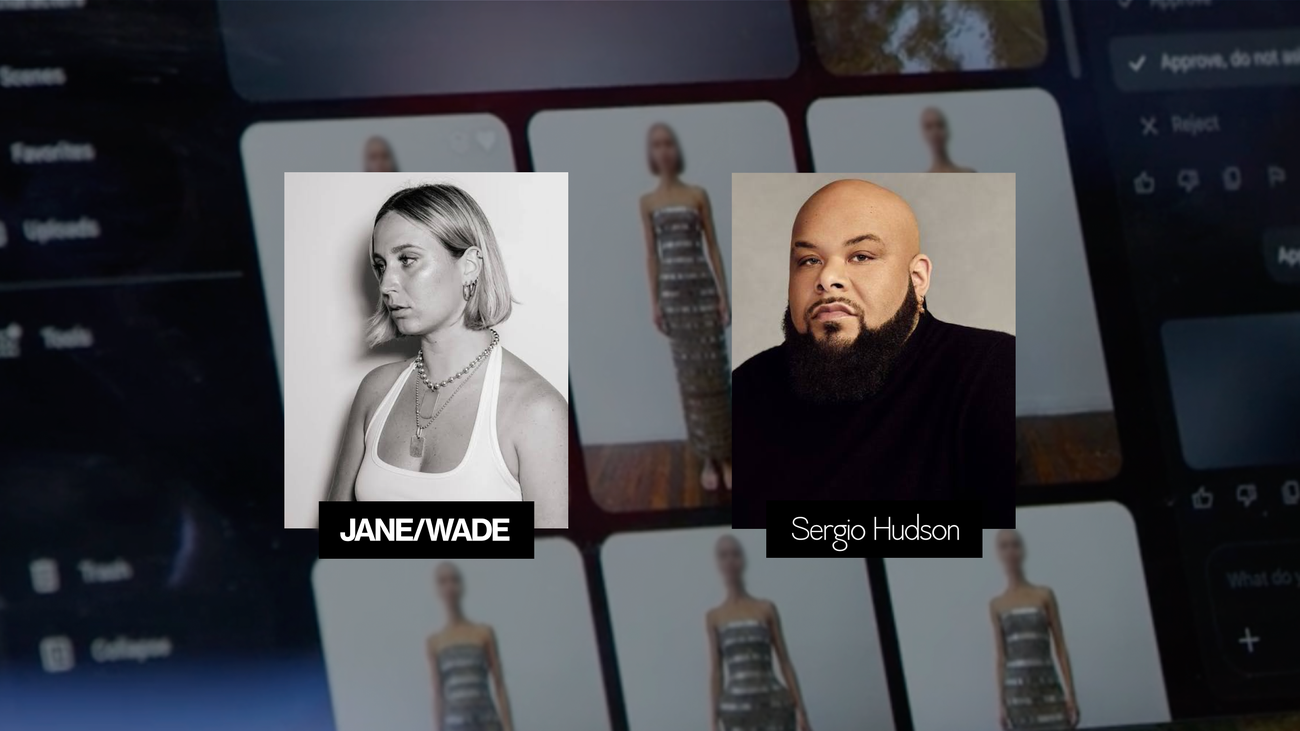
To achieve this, Google engineers embedded themselves directly within the creative ecosystems of prominent independent designers Jane Wade and Sergio Hudson. Utilizing Google Flow, an advanced artificial intelligence creative studio platform, the cross-functional teams engineered two bespoke operational tools designed to solve distinct, high-stakes challenges inherent to pre-runway production. Jane Wade utilized her customized tool to optimize head-to-toe styling, while Sergio Hudson deployed his application to navigate strict budgetary constraints during venue staging and spatial choreography. This collaborative endeavor highlights a significant shift in how technological giants and creative practitioners can co-create practical solutions, moving artificial intelligence out of theoretical testing environments and directly onto the global fashion stage.
The Administrative Bottleneck and the Genesis of the Collaboration
The contemporary fashion ecosystem operates at a relentless pace, yet the foundational infrastructure supporting independent creators has remained largely archaic. Designing a collection for an event as high-profile as New York Fashion Week requires months of intensive labor, precise financial forecasting, and countless iterations of physical samples. For designers like Wade and Hudson, every hour spent coordinating logistics or recalculating production costs represents time pulled away from core artistic innovation.
Recognizing these vulnerabilities, Google’s Envisioning Studio sought to intervene without disrupting the artistic integrity of the creative process. The core philosophy of the project centered on empowerment rather than replacement. By leveraging Google Flow—a platform that enables users to construct bespoke digital tools using natural language prompts without requiring traditional coding expertise—the engineering team gave designers total agency. The objective was to design applications tailored precisely to the workflows, aesthetic sensibilities, and economic realities of independent fashion houses.
Virtually Styling a Collection: The Jane Wade Collaboration
For Jane Wade, whose namesake label is celebrated for its distinctive corporate-meets-subversive aesthetic, the casting and fitting phases of show preparation historically demanded up to three full days of intense manual labor. Traditionally, styling a runway show involves physical garments, multiple rounds of accessories, footwear coordination, and extensive in-person model fittings. If a particular look felt unbalanced or lacked cohesion, the design team was forced to cut, sew, and alter physical pieces late into the production cycle, incurring both financial costs and severe time crunches.
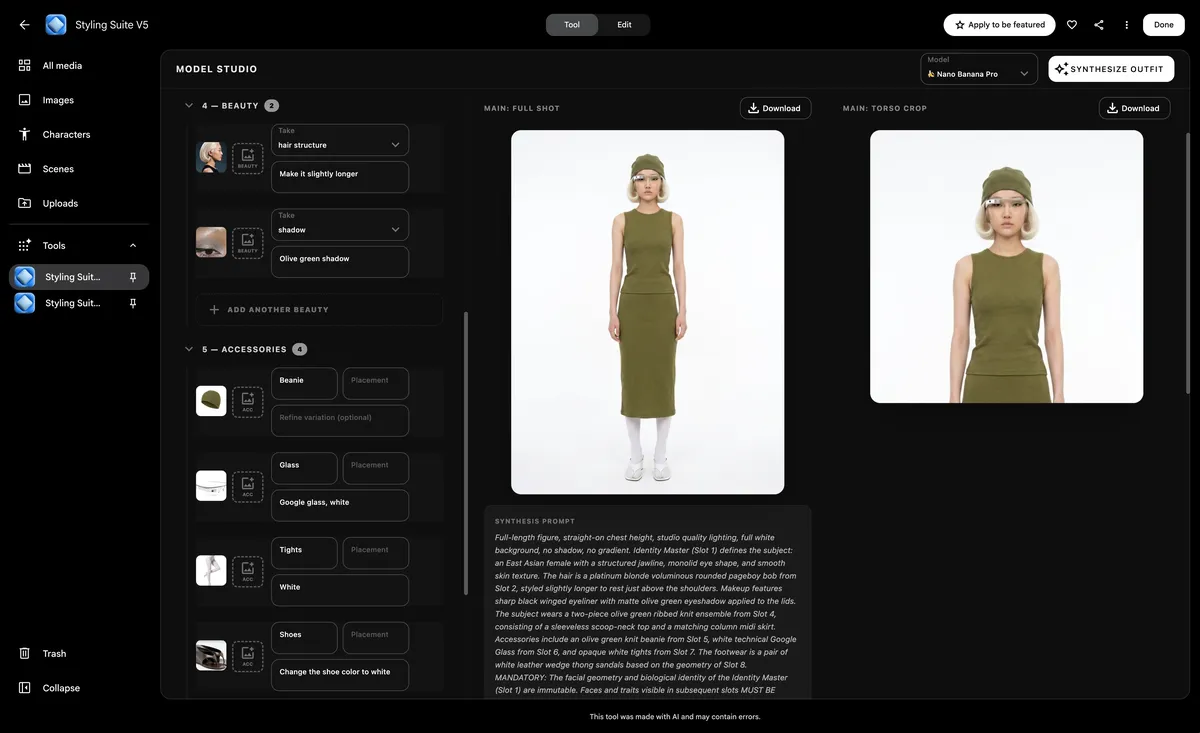
To alleviate this bottleneck, Google and Wade co-created an application within Google Flow known as the Styling Suite. This specialized digital platform allowed Wade to map every facet of her runway looks across digital models before a single stitch of physical fabric was cut. Within the virtual interface, her team could seamlessly curate hair, makeup, accessories, footwear, and garments, experimenting with different combinations in real time.
The implications of this virtual suite were profound. By visualizing complete, head-to-toe looks digitally, Wade could evaluate the harmonic balance of the collection, identify missing structural elements, and refine accessories with surgical precision. This proactive digital curation dramatically reduced the volume of physical sample production required, saving precious hours, minimizing material waste, and allowing the design team to enter physical fittings with a fully realized, cohesive vision.

Grounding Runway Design in Real Budgets: The Sergio Hudson Collaboration
While Jane Wade focused on garment curation and styling, designer Sergio Hudson faced an entirely different structural challenge: the prohibitive costs associated with runway staging and spatial visualization. Hudson, renowned for his sharp tailoring, vibrant color palettes, and polished luxury aesthetic, operates within the strict financial parameters typical of independent luxury labels. In previous seasons, executing modifications to runway lighting, spatial layouts, and physical props required continuous collaboration with production crews, often resulting in expensive delays. Every time Hudson wanted to alter the atmosphere or test a new prop arrangement, a brand-new 3D rendering had to be commissioned from outside vendors, inflating production budgets and complicating the creative decision-making process.
To resolve this, Hudson and Google’s Envisioning Studio developed a specialized tool dubbed Runway Visualization within the Google Flow ecosystem. The platform served as a dynamic, budget-conscious virtual sandbox that simulated the exact physical dimensions of his chosen venue.
Rather than relying on costly, time-consuming external renderings, Hudson could use the tool to instantly adjust venue setups, swap lighting configurations, and test various prop arrangements in real time. Crucially, the tool allowed him to simulate multiple iterations while keeping a close eye on projected expenses, ensuring that every creative choice remained strictly aligned with his financial parameters. Furthermore, the application enabled Hudson to map and refine the precise walking paths of the models, harmonizing the spatial choreography with the audience’s viewing experience. The result was a seamlessly orchestrated runway presentation executed without the financial anxiety that typically plagues independent productions.
Moving Fashion AI Out of Pilot Mode
The successful integration of Google Flow tools into the workflows of Jane Wade and Sergio Hudson marks a critical juncture for artificial intelligence in the creative industries. For years, discussions surrounding AI in fashion have remained trapped in pilot mode—relegated to academic white papers, experimental design concepts, or superficial marketing gimmicks that offer little practical utility to working professionals.
Industry analysts note that the primary barrier to AI adoption in fashion has been a lack of contextual relevance. Many off-the-shelf software solutions fail to integrate smoothly into existing production pipelines, forcing designers to adapt to rigid software limitations rather than the other way around. By inverting this dynamic—allowing designers to use natural language to co-create bespoke tools that fit their exact operational habits—Google’s Envisioning Studio has demonstrated a viable blueprint for meaningful technological integration.
This approach ensures that the human creator remains firmly in the driver’s seat. Artificial intelligence is not dictating design choices, color palettes, or structural silhouettes; instead, it is absorbing the logistical friction, administrative overhead, and spatial calculations that drain creative energy. The visible success of these tools on the runways of New York Fashion Week proves that when technology is deployed as an amplifier of human capability rather than a replacement, the results can elevate both operational efficiency and artistic expression.
Broader Implications for the Global Fashion Economy
The implications of accessible, no-code AI workflow generation extend far beyond New York Fashion Week, offering a glimpse into the future democratization of the global fashion economy. Independent designers frequently operate at a severe structural disadvantage compared to legacy fashion houses backed by multi-billion-dollar conglomerates. While major luxury labels can easily absorb the high costs of complex logistical prototyping, immersive spatial visualization, and extensive sample production, independent creators must navigate tight margins where a single miscalculation can jeopardize an entire season.
By lowering the barrier to entry for advanced digital tooling, platforms like Google Flow help level the playing field. When designers can rapidly prototype runway layouts, virtually style collections, and simulate production logistics without incurring massive financial overhead, they gain the operational agility required to compete in a rapidly evolving market.

Furthermore, the environmental implications of such digital optimization are substantial. The fashion industry is notoriously resource-intensive, with sample creation contributing significantly to global textile waste. By enabling designers to finalize styling, proportions, and spatial configurations digitally before committing to physical manufacturing, tools like the Styling Suite and Runway Visualization have the potential to drastically reduce material consumption across the pre-production lifecycle.
As artificial intelligence continues to mature, the fashion sector is expected to see a proliferation of designer-driven, bespoke applications tailored to everything from sustainable fabric sourcing to automated supply chain tracking. The collaboration between Google Labs and designers Jane Wade and Sergio Hudson illustrates that the most successful technological integrations are those born from listening closely to the pain points of creators and building intuitive, adaptable solutions in partnership with them. For independent designers worldwide, the message from the runway is clear: the future of fashion is not about surrendering the creative spark to algorithms, but about utilizing intelligent tools to clear the path so that human creativity can shine brighter than ever before.