The United Nations Launches AI-Ready Data Commons to Demystify Global Statistics and Accelerate Sustainable Development


For decades, international organizations, national governments, and independent research institutions have dedicated immense resources to tracking humanity’s most pressing challenges. From eradicating extreme poverty and improving global public health to mitigating climate change and ensuring quality education, the United Nations system annually compiles some of the highest-integrity, most authoritative data in the world. However, despite the exceptional quality of these statistics, a persistent structural hurdle has severely hampered efficient utilization: fragmentation. Vital global data has historically remained trapped within disconnected organizational silos, organized in conflicting formats across and within various UN agencies. For data analysts, economists, and policymakers, connecting the dots between interrelated metrics often demanded months of painstaking, manual spreadsheet wrangling before any actual analytical work could even begin.
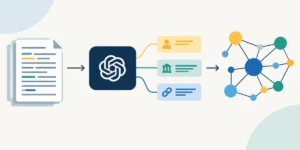
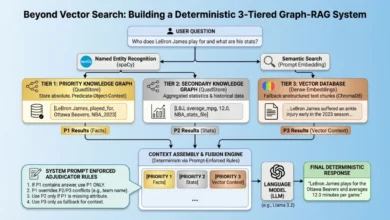
To dismantle these long-standing operational barriers and fundamentally modernize how global statistics are explored, the United Nations system has officially launched the UN System Data Commons. Built on the open-source Data Commons infrastructure developed by Google—and supported by a strategic philanthropic grant from Google.org to the UN Foundation—this pioneering platform integrates critical global statistics into a single, highly searchable, AI-ready knowledge graph. By establishing a unified digital ecosystem where disparate datasets speak the same language, the platform aims to revolutionize international research, empower evidence-based policymaking, and provide a real-time window into humanity’s progress toward global sustainable development goals.
The Chronology and Architecture of a Global Data Revolution
The genesis of the UN System Data Commons traces back to a recognition that modern global crises cannot be adequately understood, let alone solved, through isolated information streams. Complex socioeconomic phenomena—such as the cyclical relationship between childhood malnutrition and economic productivity, or the correlation between environmental degradation and regional displacement—require the cross-examination of diverse indicators spanning multiple sectors. Recognizing that analysts were wasting valuable time on manual data formatting rather than insight generation, the UN pursued a technological foundation that could automate the harmonization of metrics, timelines, and geographic boundaries.
By leveraging Google’s Data Commons architecture, the platform successfully bridges the gap between siloed repositories. The foundational phase of the project focuses on centralizing core statistical frameworks from key UN entities. Following the initial launch, the collaborative initiative outlines an ambitious expansion roadmap. Over the coming year, the UN system plans to aggressively ingest datasets from an expanding roster of international agencies, setting a formal benchmark to incorporate 80 percent of all UN system statistical datasets by the year 2027. This phased integration schedule ensures that the platform scales systematically while maintaining rigorous data governance and validation standards overseen by veteran UN statisticians and technical domain experts.
Bridging the Gap Through Natural Language and Agentic AI Workflows
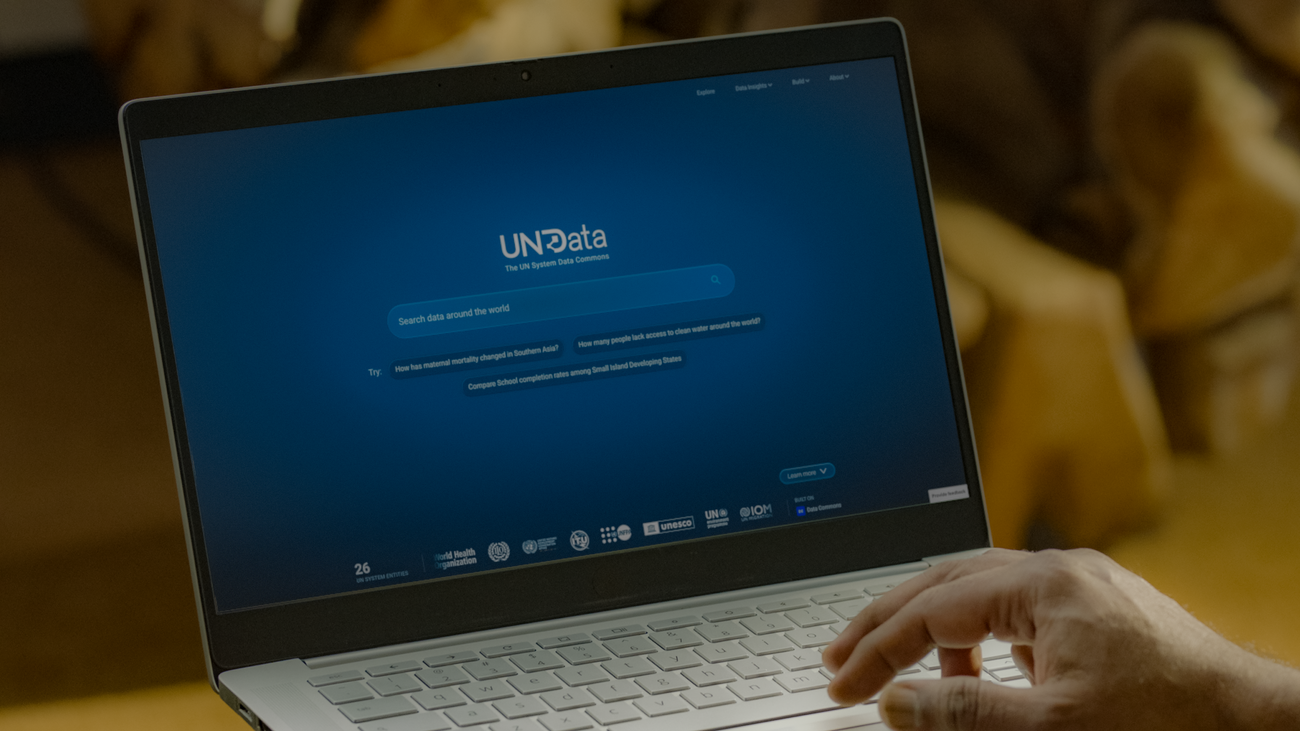
One of the most transformative dimensions of the UN System Data Commons is its deep integration of artificial intelligence, which fundamentally democratizes access to complex statistical information. Historically, deep data exploration required specialized technical proficiency, mastery of database query languages, and familiarity with proprietary statistical software. The new platform introduces intuitive, natural-language search capabilities that lower the barrier to entry for a diverse spectrum of users.
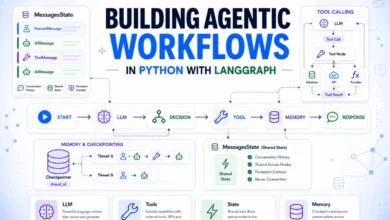
Whether an international policy analyst, a nonprofit program manager on the ground in a developing nation, an investigative journalist, or an academic researcher, users can now query the repository using plain, conversational language. The system instantly processes these queries to retrieve relevant data points and generate dynamic, interactive visualizations. Furthermore, the platform incorporates open standards such as the Model Context Protocol (MCP). This advancement introduces agentic AI assistant capabilities directly into the research workflow. Instead of manually searching through disparate archives to assemble reports, researchers can prompt autonomous AI agents to fetch authoritative figures from the UN System Data Commons, synthesize cross-domain trends, and package the findings into comprehensive charts, infographics, or structured written drafts.
Industry analysts note that while these generative capabilities drastically accelerate the research lifecycle, the platform maintains a strong institutional commitment to data integrity. Every automated output remains anchored to verified, official UN facts, though technical guidelines advise professionals to independently review underlying source citations before publishing critical policy figures.
Implications for Global Policy, Transparency, and Sustainable Development
The launch of the UN System Data Commons carries profound implications for the global humanitarian and developmental landscape. In an era characterized by rapid information cycles and complex geopolitical dynamics, the demand for transparent, verifiable, and instantly accessible data has never been more acute. By transforming raw statistics into an interconnected knowledge graph, the platform directly supports the United Nations Sustainable Development Goals (SDGs), providing a unified scorecard for international progress.
For national governments with limited statistical infrastructure, the platform offers a free, high-capacity analytical resource that can inform domestic policy design and resource allocation. For civil society organizations and academic institutions, the ability to seamlessly interrogate cross-sectoral data accelerates advocacy efforts and fosters greater accountability among global actors. Furthermore, the public availability of the platform via data.un.org signals a broader cultural shift within international diplomacy toward open-source digital cooperation and technological equity.
As the UN system moves closer to its 2027 target of integrating the vast majority of its statistical archives, the UN System Data Commons stands as a model for public-private technological collaboration. By marrying the rigorous standards of international governance with cutting-edge artificial intelligence and cloud infrastructure, the initiative promises to turn the world’s most fragmented data into one of its most powerful tools for global progress.