Early Nintendo Switch 2 Black Friday Discounts Offer First Major Savings for Gamers

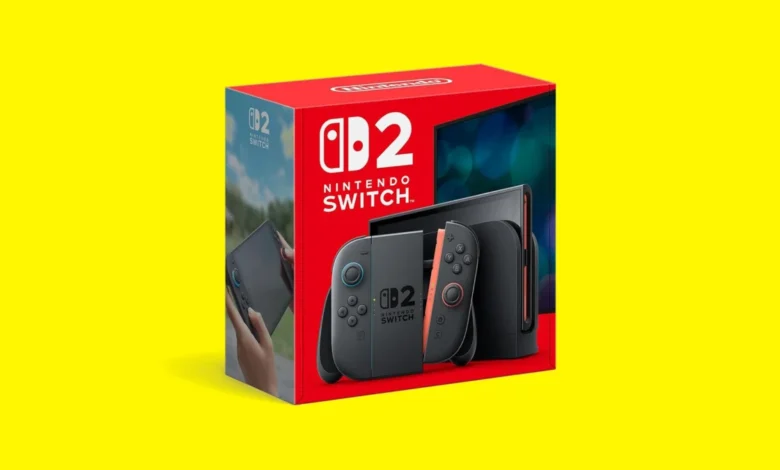
The global retail landscape has officially shifted into high gear for the holiday shopping season, and early Black Friday promotions have brought the first wave of notable discounts on gaming hardware. Among the most anticipated offers are initial price cuts on Nintendo’s successor console, the Nintendo Switch 2. Industry watchers and consumers alike have closely monitored retail platforms for early indications of promotional pricing, questioning whether waiting for the peak shopping period would yield meaningful financial relief. Current offers indicate that early buyers in both the United States and the United Kingdom can indeed secure initial reductions on the next-generation platform, signaling a competitive start to the holiday retail window.
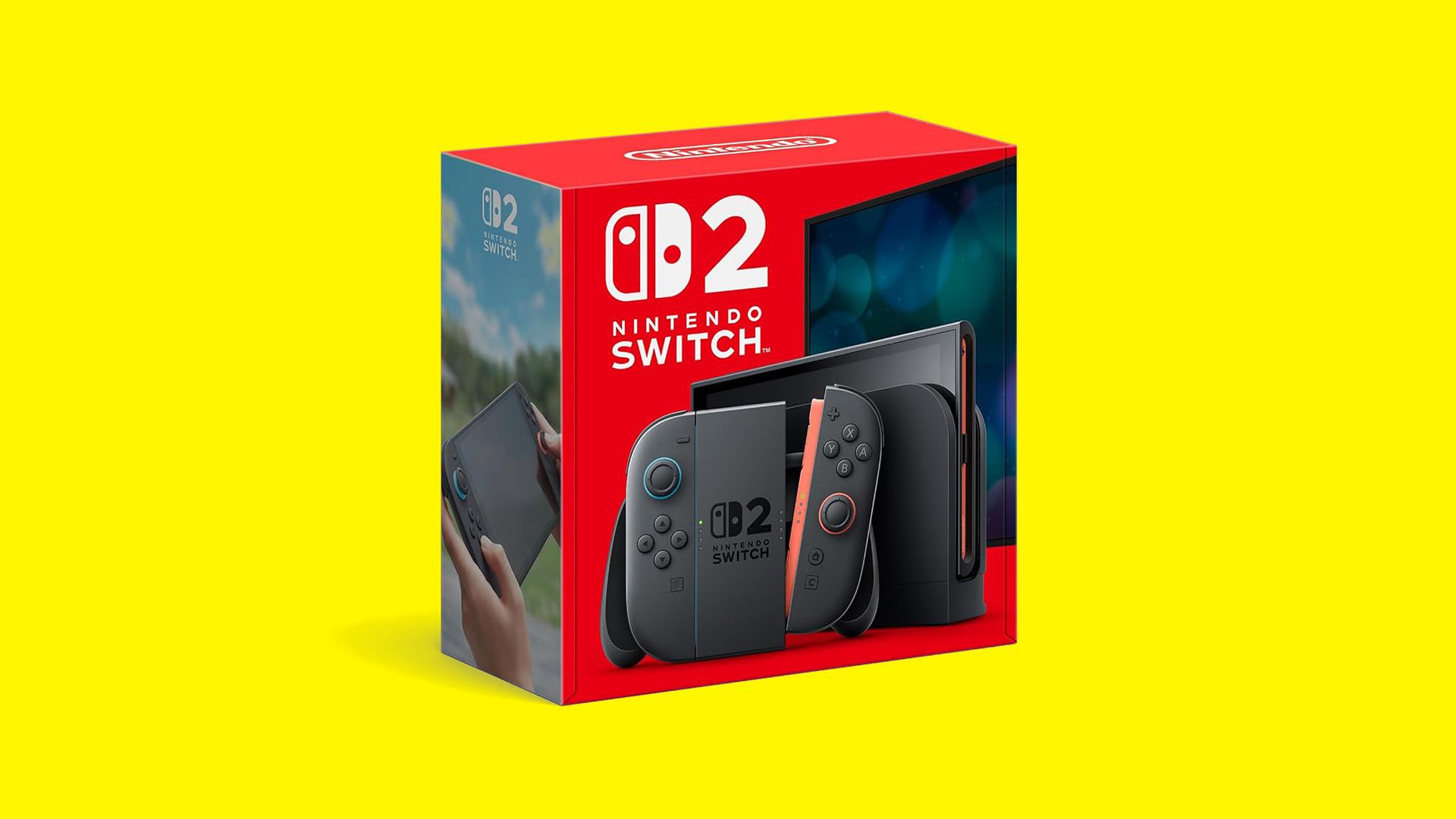
In the United States, online retailer Woot has introduced a $30 price reduction on the standard Nintendo Switch 2 system, lowering the cost from its standard manufacturer’s suggested retail price of $499.99 down to $469. Simultaneously, shoppers in the United Kingdom have access to reduced pricing through major vendors such as Amazon UK and Very. At these outlets, the console’s price has been trimmed from £419 down to £389. While these initial adjustments represent modest savings rather than sweeping liquidations, they mark a significant milestone for a platform that has largely maintained strict pricing consistency since its initial market rollout.
Background Context and Market Dynamics
The introduction of early Black Friday discounts on the Nintendo Switch 2 occurs within a highly competitive consumer electronics market. Holiday shopping seasons traditionally serve as a critical performance metric for hardware manufacturers and third-party retailers, driving a substantial percentage of annual sales volume. Historically, newly released gaming consoles rarely see aggressive price discounting during their first holiday season on the market, as initial consumer demand typically outpaces supply.
However, shifting economic pressures, changing consumer spending habits, and an increasingly crowded marketplace featuring competing handheld and home entertainment systems have prompted retailers to experiment with early promotional incentives. By offering modest discounts—such as the $30 reduction seen at Woot or the £30 markdown at UK retailers—platforms aim to capture early-bird shoppers who might otherwise defer major technology purchases until the final weeks of December.
Industry analysts note that pricing strategies for the Nintendo Switch 2 reflect a delicate balance between maintaining perceived brand value and stimulating volume sales. Unlike older hardware iterations that frequently see deep bundle discounts involving bundled software or accessories, current-generation platforms rely on direct, albeit measured, price trims to entice hesitant buyers.
Timeline of the Holiday Shopping Window
The rollout of these early promotions adheres to an evolving retail calendar that has gradually expanded the traditional post-Thanksgiving shopping event into a month-long commercial period.
- Early November: Retailers begin publishing preview circulars and testing targeted promotions to gauge consumer interest ahead of the main shopping surge.
- Mid-November: Secondary and online-focused platforms, including specialized e-commerce sites like Woot and major digital storefronts such as Amazon, initiate early-bird price cuts on high-demand electronics and gaming hardware.
- Black Friday Week: The official commencement of widespread promotional events, during which the vast majority of physical and digital retailers align their pricing strategies.
- Cyber Monday and Beyond: The conclusion of the promotional cycle, which historically features final attempts to clear remaining inventory before the peak of December fulfillment deadlines.
Market experts anticipate that while early US console deals may hold steady at current reduction levels, additional software bundles or accessory pairings could emerge as Black Friday approaches. Retail trackers are actively monitoring inventory levels across major distribution networks to determine if high demand will trigger stock shortages or prompt deeper price adjustments closer to the end of the month.
Supporting Data and Regional Variations
Pricing trends for the Nintendo Switch 2 illustrate distinct regional promotional strategies between North America and Europe. In the United States, where the baseline retail price is established at $499.99, a $30 discount translates to an approximate 6 percent saving. In the United Kingdom, where the console launched at a standard baseline of £419, the £389 promotional price point represents a roughly 7 percent reduction.
Beyond hardware discounts, the broader gaming ecosystem is experiencing widespread promotional activity. Dedicated software sales have surfaced across multiple digital and physical storefronts, with select Nintendo Switch titles seeing promotional price cuts of up to 57 percent. These software promotions are designed to lower the barrier to entry for new console owners, ensuring that consumers who invest in hardware can immediately access a diverse library of games without incurring excessive additional costs.
Furthermore, retailers have expanded their discount frameworks to encompass essential peripheral devices. Guides focusing on the best Nintendo Switch 2 accessories highlight an array of discounted protective cases, high-capacity storage cards, alternative control pads, and charging docks. This comprehensive approach to discounting—spanning hardware, software, and accessories—reflects a concerted effort by the retail sector to maximize average order values while offering perceived savings across the entire product category.
Implications for Consumers and the Retail Sector
The emergence of early discounts on the Nintendo Switch 2 carries several important implications for both prospective buyers and the broader gaming industry. For consumers, the availability of price cuts prior to the official Black Friday date alleviates the traditional dilemma of whether to purchase early to secure stock or wait in hopes of a better deal. With major online vendors signaling a willingness to reduce prices on current-generation hardware, buyers operating on strict holiday budgets can lock in savings without navigating the frantic inventory depletion typical of late-November shopping days.
From a retail perspective, these early promotions function as a risk-management tool. Spreading out consumer demand over several weeks helps mitigate logistics bottlenecks, warehouse strains, and delivery delays that frequently plague the logistics sector during the final fortnight of December. By incentivizing early purchases through moderate price adjustments, retailers can stabilize their sales pipelines and secure guaranteed revenue ahead of the fiscal quarter’s close.
As tracking mechanisms continue to monitor price fluctuations through Cyber Monday, consumers are advised to verify retailer return policies, warranty coverages, and shipping timelines to ensure that promotional purchases meet their expectations for holiday gift-giving or personal use. Whether these early discounts represent the floor for Nintendo Switch 2 pricing this season or merely the opening salvo in a broader price contest remains to be seen as the peak shopping weekend approaches.