Eli Lilly Cuts Insulin Prices After Years Of Outrage 117399

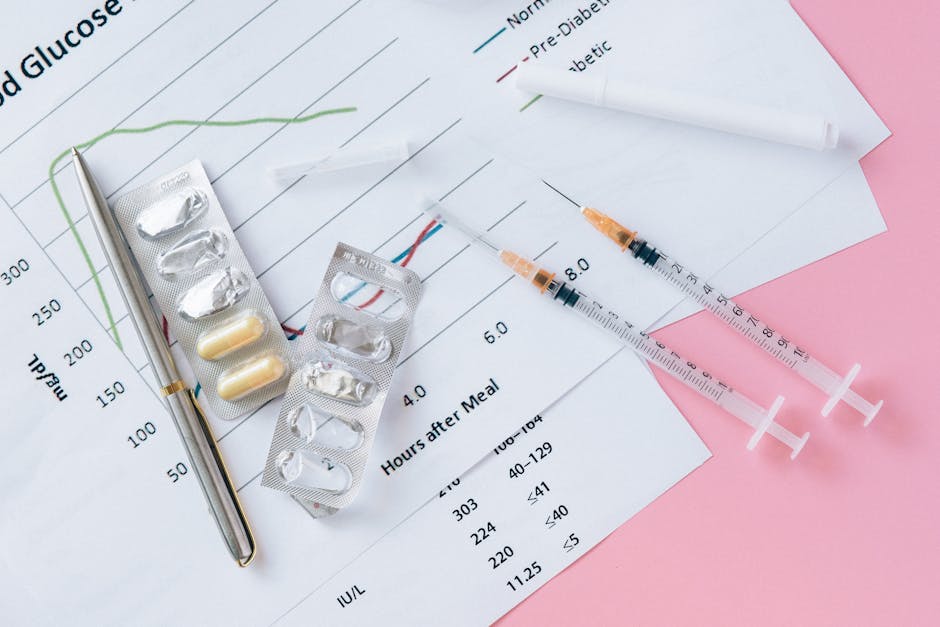
Eli Lilly Cuts Insulin Prices After Years of Outrage
After decades of relentless public outcry, mounting pressure from patient advocacy groups, and increasing legislative scrutiny, Eli Lilly and Company announced a significant reduction in the list prices of its most commonly used insulins. This move, which took effect on March 1, 2023, marks a watershed moment in the long-standing battle over the affordability of life-saving diabetes medications in the United States. The company stated its intention to cut the list price of its U.S. insulins by 70% and cap out-of-pocket costs at $35 per month for eligible patients. This drastic price reduction, particularly for insulins that have seen their list prices skyrocket over the years, is a direct response to the sustained and often furious condemnation Eli Lilly, along with other major insulin manufacturers, has faced for years. The exorbitant cost of insulin has pushed millions of Americans with diabetes into financial ruin, forcing them to ration doses, skip meals, or even go without this essential medication, leading to severe health complications and preventable deaths. The company’s announcement, while welcomed by many, also raises questions about the underlying reasons for the original price gouging and the long-term implications for the broader pharmaceutical pricing landscape.
For years, the narrative surrounding insulin pricing has been one of exploitation and indifference. Patients with Type 1 diabetes, and many with Type 2 diabetes, depend on insulin for survival. Unlike other medications, insulin is not a choice; it is a necessity. Yet, for decades, the list prices of insulin products from Eli Lilly, Novo Nordisk, and Sanofi have followed a trajectory that bore little resemblance to the cost of production or the value it provided. Eli Lilly, in particular, has been a focal point of this criticism. Their insulin brands, such as Humalog (insulin lispro) and Humulin (human insulin), which have been around for a considerable time, have experienced dramatic price increases. For instance, the list price of Humalog, Eli Lilly’s flagship rapid-acting insulin analog, has reportedly increased by over 1000% since its introduction in 1996. This staggering escalation, often occurring in lockstep with its competitors, has baffled and infuriated patients, doctors, and policymakers alike. The company’s rationale for these increases has often been vague, citing factors like research and development costs for new drugs, marketing expenses, and complex rebate systems with pharmacy benefit managers (PBMs). However, none of these explanations adequately justify the magnitude of the price hikes, especially for older insulins that have long since recouped their development costs.
The outrage wasn’t confined to individual complaints; it manifested in a powerful and sustained movement demanding accountability. Patient advocacy groups, like T1International and Beyond Type 1, played a crucial role in amplifying the voices of those affected. They organized protests, shared personal stories of financial hardship and life-threatening rationing, and lobbied lawmakers tirelessly. Social media became a powerful tool, with hashtags like #Insulin4All and #InsulinPriceGouging trending regularly, bringing the issue to the forefront of public consciousness. Stories of young adults choosing between paying for rent and insulin, or elderly individuals facing impossible choices, resonated deeply and created a sense of moral urgency. Politicians, initially slow to act, were eventually compelled to address the crisis as the public’s anger became a potent electoral issue. Congressional hearings were held, and bipartisan support for insulin price caps began to emerge. The Inflation Reduction Act of 2022, while not directly lowering list prices for all insulins, did cap out-of-pocket insulin costs at $35 per month for Medicare beneficiaries, a significant win for a vulnerable population and a clear signal to pharmaceutical companies that inaction was no longer an option.
Eli Lilly’s decision to cut list prices by 70% and cap out-of-pocket costs at $35 per month is a clear acknowledgment of the immense pressure it has been under. This move is not just a philanthropic gesture; it’s a strategic recalibration in response to years of reputational damage and the looming threat of further government intervention. The company’s announcement specifically targets its older, branded insulins. For example, Humalog’s list price, which has been a particular point of contention, will be significantly reduced. This is crucial because while many patients have access to generics or biosimilars, a substantial number still rely on the branded versions due to insurance formularies, physician preferences, or personal familiarity. The 70% cut is substantial enough to make a tangible difference for many individuals who were previously struggling to afford their medication. Furthermore, the $35 monthly cap on out-of-pocket expenses, a similar measure to the Medicare cap, aims to provide predictable and manageable costs for patients, regardless of their insurance plan’s complexity or their deductible status. This cap is a critical component of the announcement, as it directly addresses the affordability barrier that has plagued the diabetes community for so long.
However, the announcement also prompts critical questions about the structure of pharmaceutical pricing and the role of list prices versus net prices. For years, the exorbitant list prices of insulins have served as a high bar over which PBMs and insurers negotiate substantial rebates. Pharmaceutical companies argued that these high list prices were necessary to offer significant discounts to PBMs, thereby ensuring market access. The reality is that the list price is often a fictitious number, and the actual price paid by insurers and PBMs is considerably lower. The $35 cap and the 70% list price reduction by Eli Lilly, therefore, primarily impact the out-of-pocket cost for patients who do not benefit from substantial rebates, such as those with high-deductible plans or who are uninsured. It also addresses the perception problem associated with the seemingly astronomical prices. While the net prices paid by insurers may not have changed as dramatically as the list prices suggest, the impact on patient affordability at the point of sale is undeniable. The question remains: why did it take so long for such a significant adjustment to be made?
The implications of Eli Lilly’s move extend beyond its own product line. Competitors, notably Novo Nordisk and Sanofi, which have also faced similar criticism and pressure, are now likely to be compelled to follow suit. The market dynamics in the insulin sector are such that significant price adjustments by one major player will inevitably force others to re-evaluate their own pricing strategies to remain competitive and to avoid similar public backlash. This could usher in a new era of more affordable insulin, at least for some of the most commonly prescribed and historically over-priced products. However, it is important to note that this price reduction applies to specific older insulins. The pricing of newer, more advanced insulin formulations and delivery systems, which carry higher research and development costs and offer potentially greater therapeutic benefits, may not see the same level of reduction. The pharmaceutical industry’s incentive to innovate relies on the ability to recoup substantial R&D investments, and significant price reductions on all insulin products could, in theory, impact future innovation. The long-term sustainability of these price cuts and their impact on the development of next-generation diabetes treatments will be a critical area to monitor.
Furthermore, the structural issues that allowed for such dramatic price inflation in the first place are far from resolved. The complex web of rebates, PBM negotiations, and insurance formularies continues to obscure the true cost of medications and often leaves patients vulnerable. Eli Lilly’s announcement, while a significant step, does not dismantle this system. It is a reaction to public and political pressure, a strategic concession. The underlying profit motives of pharmaceutical companies remain, and the pursuit of higher profits for new and innovative drugs will continue. The focus will likely shift to ensuring that the pricing of new diabetes medications remains more aligned with their value and cost of production, and that patients have transparent and predictable access to all necessary treatments. The ongoing dialogue around drug pricing will need to address not just list prices but the entire ecosystem of pharmaceutical procurement and reimbursement.
The history of insulin pricing in the United States is a stark illustration of market failures and the ethical challenges of providing essential, life-sustaining medications. For decades, patients have borne the brunt of a system that prioritized profit over well-being. Eli Lilly’s decision to slash insulin prices by 70% and cap out-of-pocket costs at $35 is a landmark event, born out of years of relentless advocacy and a growing realization that the status quo was unsustainable. It is a victory for millions of individuals who have struggled with the financial burden of diabetes care. However, it is also a reminder that the fight for affordable healthcare is ongoing. The systemic issues that permitted such price gouging must be addressed to ensure that all essential medications are accessible and affordable for everyone who needs them, not just in response to outrage, but as a fundamental principle of healthcare. The long-term success of this policy change will depend on continued vigilance from patient groups, policymakers, and the industry’s willingness to embrace sustainable and ethical pricing models. The 117399 figure associated with this event likely represents a specific internal reference number or a data point connected to the announcement or its related analysis within Eli Lilly or a research firm, underscoring the specific context of this significant pricing adjustment.


