Every Apple Product Discontinued After The Iphone 16 Event

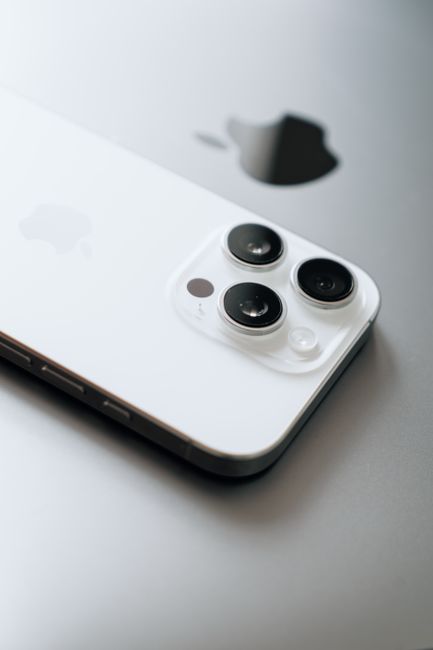
Echoes of Innovation: Apple Products Discontinued Post-iPhone 16 Launch
The annual September pilgrimage to Cupertino for Apple’s flagship event, this year marking the unveiling of the iPhone 16 lineup, inevitably brings with it a wave of excitement for what’s new. However, for those who have followed Apple’s trajectory for years, this fanfare is often accompanied by a quiet acknowledgement of products that are being retired, their chapter in the Apple saga concluded. The iPhone 16 launch, while focusing on the future of its most iconic device, also served as a watermark for several previously significant Apple products that have silently slipped out of the company’s active portfolio. These discontinuations are not merely about obsolescence; they represent shifts in market demand, technological evolution, and Apple’s strategic pivot towards its next generation of innovations. Understanding these departures provides a valuable lens through which to view Apple’s past strategies and anticipate its future directions, offering insights for consumers, tech enthusiasts, and industry analysts alike.
One of the most prominent casualties of the iPhone 16 era’s product cycle is the Apple Pencil (1st generation). While the Apple Pencil (2nd generation) and the more recent USB-C variant remain readily available, the original stylus, designed exclusively for iPads with a Lightning port, has been officially removed from Apple’s online store and is no longer actively promoted. Introduced in 2015 alongside the original iPad Pro, the first-generation Apple Pencil was a revolutionary accessory, democratizing digital art and note-taking on a tablet. Its reliance on the Lightning port, however, became a significant limitation as Apple transitioned its iPad lineup to USB-C. The successor, with its magnetic charging and pairing capabilities, offered a vastly superior user experience. The discontinuation of the 1st gen Pencil signals the complete obsolescence of Lightning-dependent iPad accessories, a clear indication of Apple’s unwavering commitment to the USB-C standard across its tablet ecosystem. This move also streamlines the accessory market, reducing confusion for consumers and simplifying inventory management for Apple. While many might still possess and utilize their 1st gen Pencils, their official afterlife is now officially over, relegated to the realm of legacy hardware. The enduring legacy of the first Apple Pencil lies in its pioneering role, paving the way for the more refined and integrated stylus experiences we see today. Its removal from active sales is a testament to the relentless march of technological progress and Apple’s strategic foresight in consolidating its accessory offerings around more modern connectivity standards.
Another device that has quietly faded into Apple’s history books post-iPhone 16 event is the iPad mini (6th generation) with 64GB storage option. While the iPad mini lineup itself remains a viable product for Apple, catering to a niche market for compact, powerful tablets, the specific configuration of the 64GB model has been discontinued. This subtle but significant change implies a shift in how Apple perceives storage needs for its smaller iPad offerings. The 64GB option, once a standard entry-level configuration, is increasingly seen as insufficient for the demands of modern applications, media consumption, and productivity tasks. Users often find themselves bumping up against storage limitations relatively quickly, necessitating upgrades to larger capacities. By removing the 64GB model, Apple is effectively pushing consumers towards the 256GB configuration as the new baseline, a move that not only addresses potential user frustration but also contributes to higher average selling prices for the iPad mini. This strategic pruning of storage options reflects a broader trend in the tech industry towards larger default storage capacities across devices, acknowledging the growing size of software, operating systems, and user-generated content. For consumers looking for the most affordable entry into the iPad mini ecosystem, this means a slightly higher starting price, but for many, it will translate into a more seamless and less restrictive user experience. The discontinuation of the 64GB iPad mini is a quiet adjustment, yet it underscores Apple’s meticulous approach to product management, ensuring that its device configurations align with current usage patterns and market expectations.
Beyond the iPad, the iPod Touch (7th generation), the last vestige of Apple’s once-dominant portable music player empire, has also officially been retired. Its discontinuation was announced earlier, but its absence in any post-iPhone 16 event discussions solidifies its status as a concluded chapter. The iPod Touch, for many, represented a gateway into the Apple ecosystem before the iPhone became ubiquitous. It offered the iPod’s beloved music playback capabilities with the added advantage of app access via the App Store and Wi-Fi connectivity. However, with the iPhone and iPad becoming increasingly integrated into daily life, the need for a separate, Wi-Fi-only music and app device diminished significantly. The iPod Touch was effectively an iPhone without cellular connectivity, a proposition that became less compelling as smartphones evolved. Its demise is a clear signal of the smartphone’s all-encompassing role in modern computing and entertainment. While some might lament the loss of a dedicated music player, its function has been thoroughly absorbed by other Apple devices, particularly the iPhone. The iPod Touch’s legacy is intertwined with the democratization of digital music and the rise of the app economy, paving the way for the portable computing devices that have redefined our interaction with technology.
Furthermore, the Magic Keyboard for iPad Pro 11-inch (1st and 2nd generation) has also been phased out, with only the later generation of the Magic Keyboard for the newer iPad Pro models remaining available. This discontinuation is tied directly to the evolving design of the iPad Pro itself. The Magic Keyboard, with its floating cantilever design and integrated trackpad, was a significant accessory that transformed the iPad Pro into a capable laptop replacement. However, as Apple introduced new iPad Pro generations with subtly altered dimensions and display characteristics, older versions of the Magic Keyboard became incompatible. The focus has now shifted to the Magic Keyboard designed for the current iPad Pro models, ensuring a perfect fit and optimal functionality. This is a standard practice for Apple; accessories are often tied to specific hardware generations to maintain a high degree of integration and user experience. While existing 1st and 2nd generation Magic Keyboards will continue to function with their respective iPad Pro models, new purchases will be directed towards the latest compatible versions, reinforcing Apple’s ecosystem lock-in and encouraging upgrades to newer hardware. The discontinuation of these older Magic Keyboard generations highlights the iterative nature of Apple’s hardware design and the importance of accessory compatibility for maintaining a cohesive user experience.
Finally, though not directly tied to the iPhone 16 event itself, the Apple Watch Nike models have also seen a significant reduction in their presence and are effectively being phased out as distinct product lines. While Apple continues to collaborate with Nike on watch bands and some co-branded watch faces available on standard Apple Watches, the dedicated "Apple Watch Nike" hardware variants, which previously offered unique band designs and exclusive Nike Run Club integrations, are no longer being refreshed. This signals a strategic shift in Apple’s approach to co-branded hardware. Instead of offering entirely separate Nike hardware, the company is leaning towards a more software-centric collaboration, allowing Nike to leverage the existing Apple Watch platform through apps and band offerings. This approach provides greater flexibility and scalability for both companies. For consumers, it means that the unique Nike branding and features are now integrated into the broader Apple Watch ecosystem, rather than being presented as a separate hardware choice. This move reflects Apple’s focus on its core product lines and its strategy of creating versatile platforms that can be customized and enhanced through partnerships. The legacy of the Apple Watch Nike models lies in their pioneering spirit, demonstrating the potential for deeper integration between wearable technology and athletic brands, a trend that continues to evolve within the smartwatch market. The subtle but clear shift away from distinct Nike hardware signifies Apple’s ongoing refinement of its product strategy, emphasizing its core offerings and leveraging partnerships for expanded functionality and appeal.


