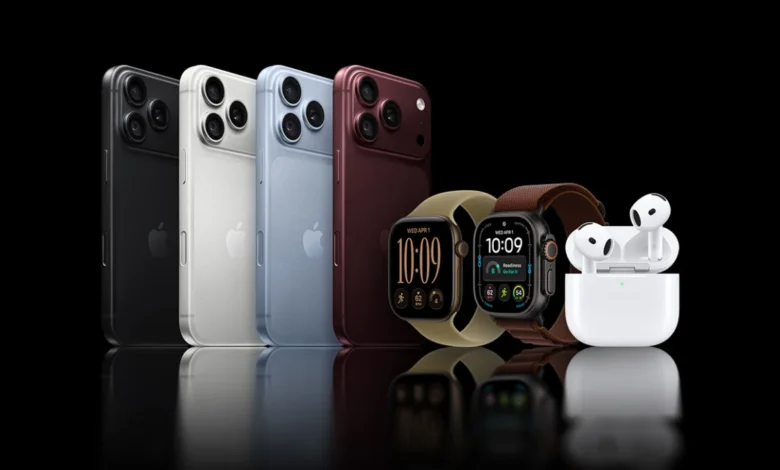
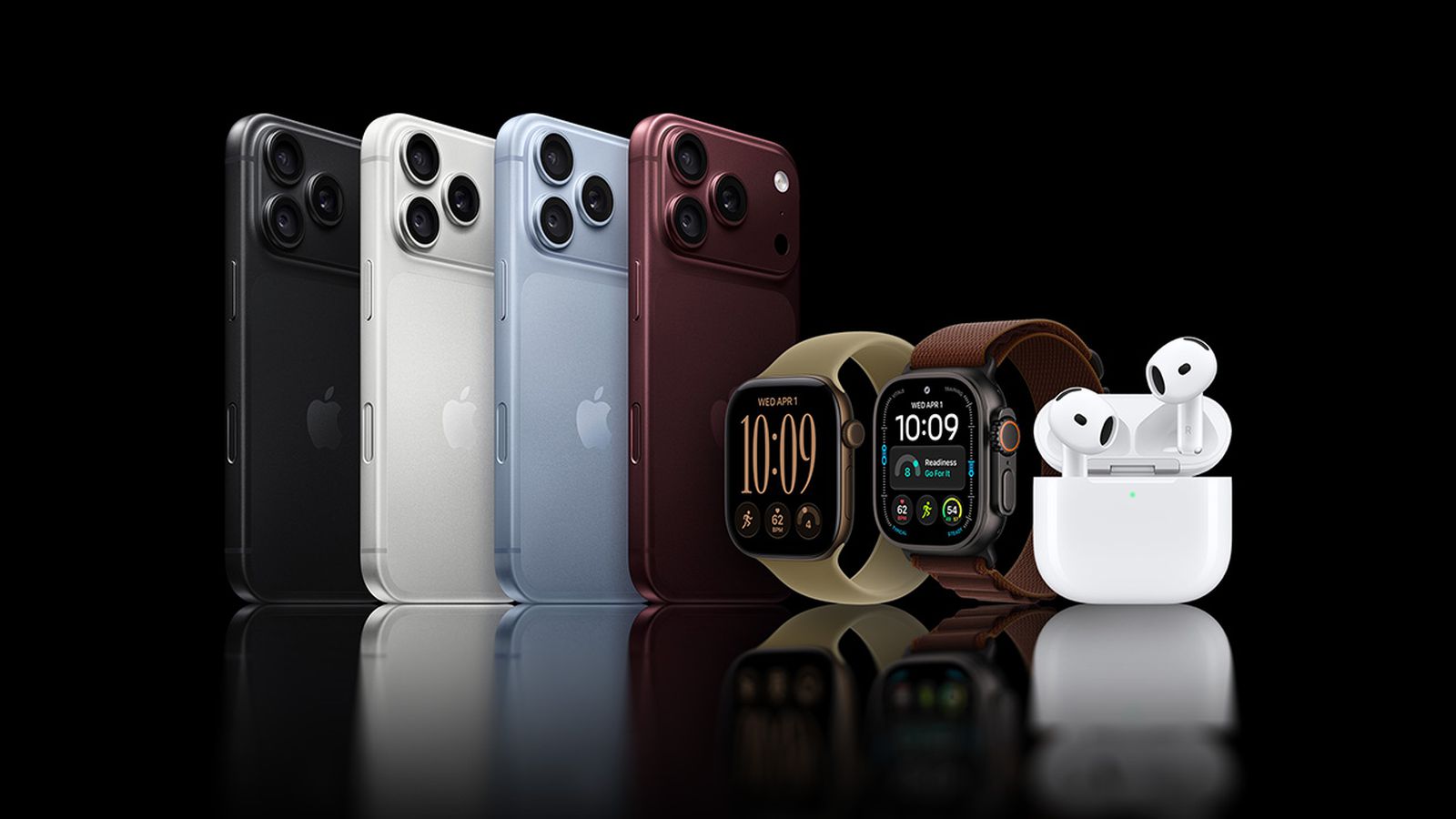
First iPhone 18 Pro, Apple Watch Series 12, Apple Watch Ultra 4 and AirPods 5 Orders Arriving to Customers

A Global Logistics Synchronized Launch
The selection of Australia and New Zealand as the initial markets for the September 18 launch is a strategic tradition for Apple, leveraging the time zone advantage to manage the surge in demand. In New Zealand, where Apple does not maintain direct retail operations, the focus is entirely on direct-to-consumer courier deliveries. In contrast, Australia serves as the first global testing ground for Apple’s retail infrastructure, with local Apple Stores opening their doors at 8:00 a.m. local time to accommodate both pre-order collections and walk-in purchases.
This staggered rollout allows the company to monitor supply chain stability and distribution efficiency before the influx of consumers in major hubs like London, Berlin, New York, and Tokyo. Logistics experts note that while Apple has optimized its distribution networks significantly over the past decade, the sheer volume of high-end hardware—including the new iPhone 18 Pro series—requires meticulous staging at regional distribution centers. Early reports from major metropolitan areas in Australia suggest that stock levels for the iPhone 18 Pro and the Pro Max variants remain stable, supporting the company’s efforts to mitigate the supply constraints that characterized previous product cycles.
Product Lineup and Technological Progression
The 2026 hardware update represents a substantial iteration in Apple’s mobile and wearable strategy. The iPhone 18 Pro and Pro Max are the centerpieces of this launch, introducing refined camera architectures and updated processing power that build upon the foundations laid by the iPhone 17 series. Industry analysts have highlighted that the iPhone 18 Pro represents a significant shift in pricing strategy, with market research firm TrendForce noting an estimated starting price of $1,249, marking a notable increase over the $1,099 starting point of its predecessor.
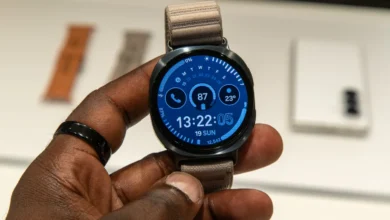
Complementing the smartphones are the Apple Watch Series 12 and the Apple Watch Ultra 4. While initial speculation had suggested the potential integration of Touch ID into the wearable interface, current industry consensus and retail units confirm that the company has opted to refine the existing design language rather than introduce drastic structural changes. The focus for the Series 12 and Ultra 4 has been on internal component optimization, battery efficiency, and software-led health monitoring features, aiming to satisfy a user base that increasingly views the device as a critical tool for medical and fitness tracking.
Rounding out the release are the AirPods 5. These earbuds represent the next evolution in Apple’s audio division, emphasizing enhanced spatial audio capabilities and seamless integration with the latest iOS firmware. As consumers begin to pair these devices with their new smartphones, the emphasis on the "ecosystem" effect—the seamless interoperability between iPhone, Watch, and AirPods—remains the primary driver for Apple’s retail strategy.
Market Context and Economic Analysis
The September 2026 product cycle follows a period of rigorous market analysis. Following the "Surprise and Shine" event, which also unveiled the foldable iPhone Duo, the technology sector has been closely watching how Apple balances the introduction of new, premium form factors with the high-volume demand for the iPhone 18 Pro series.
The decision to increase the starting price point of the iPhone 18 Pro reflects broader trends in the semiconductor and manufacturing sectors. Rising costs in raw materials, particularly for advanced lithography and display technologies, have forced manufacturers to adjust their pricing models. However, early demand in Australia suggests that consumer appetite for premium-tier hardware remains resilient, even in a higher-cost environment. Retailers and carriers, including major chains like Target, Walmart, and Best Buy, are reporting strong interest, indicating that the shift in price has not significantly dampened the initial wave of consumer enthusiasm.
The Role of Retail and Third-Party Partnerships
While Apple’s own retail stores are the primary destination for brand-loyal customers, the role of third-party retailers and telecommunications carriers cannot be overstated. By distributing the iPhone 18 Pro and associated accessories through a wide network of national retailers, Apple ensures that its reach extends well beyond its own physical storefronts. This hybrid approach to retail is essential for meeting the massive scale of launch-day demand.
Industry analysts observe that the availability of devices at third-party retailers often provides a more accurate representation of regional demand than Apple Store sales alone. "The ability for a customer to walk into a big-box retailer and secure a unit on launch day is a testament to the maturation of Apple’s inventory management," said a retail analyst in a recent briefing. "The partnership between Apple and its carrier channels has evolved from simple distribution to a sophisticated, integrated sales experience that allows for real-time activation and data migration."
Implications for the Future of Wearables
The launch of the Apple Watch Series 12 and Ultra 4 signals a shift in how the company approaches its wearable business. Rather than seeking to disrupt the product category with radical hardware changes every year, Apple has moved toward a model of iterative excellence. This strategy is designed to encourage long-term retention among current users while continuing to capture new segments through specialized devices like the Ultra 4, which targets high-performance athletes and outdoor enthusiasts.
The health-focused trajectory of the Series 12 further cements Apple’s position as a major player in the wellness technology sector. With each iteration, the sensors and the underlying watchOS platform become more deeply integrated into the user’s daily life, creating a "stickiness" that is difficult for competitors to replicate. As the first units reach consumers, the focus will shift from unboxing and first impressions to long-term usage reports, which will ultimately dictate the success of the new health and connectivity features.
Looking Ahead: The Global Wave
As the sun sets on the first day of availability in the Asia-Pacific region, the operational focus shifts to the West. The logistical machine that powers Apple’s launches is currently active in distribution hubs across Europe and North America. In these regions, store managers are preparing for the morning rush, with many locations opening their doors early to accommodate pre-order pickups.
The coming week will be critical for assessing the initial market reception of the iPhone 18 Pro. Beyond the initial excitement, the true test will lie in the performance of the new camera systems and battery efficiency under real-world conditions. Furthermore, as the MacRumors forums and various social media platforms become flooded with user-generated content, the collective experience of early adopters will provide the first objective data points on the device’s performance.
For Apple, the successful launch of the iPhone 18 Pro and the new wearable line is more than a quarterly revenue event; it is a demonstration of the company’s ability to maintain a consistent cadence of innovation in a crowded and highly competitive market. As the world transitions through the remaining time zones, the 2026 product cycle will officially be in full swing, setting the tone for the holiday quarter and the year ahead in consumer electronics. The integration of the foldable iPhone Duo into this lineup in the coming months will further define this period as one of the most transformative in Apple’s recent history.