French Pharmaceutical Giant Sanofi To Cut Us Insulin Price 153522
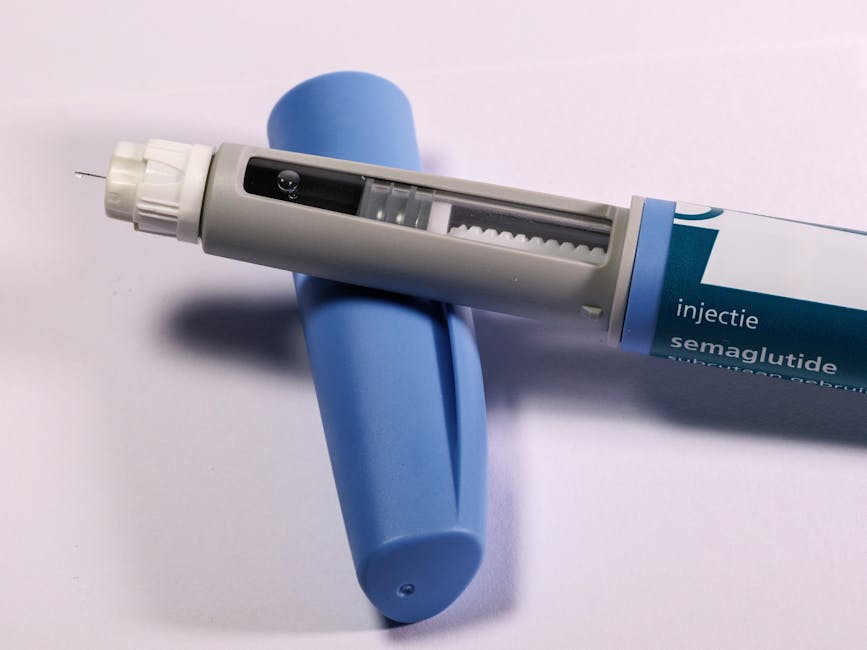
Sanofi to Cut US Insulin Price by 75% Following Intense Pressure: A Deep Dive into the Decision, Implications, and Future of Insulin Affordability
The pharmaceutical behemoth Sanofi has announced a significant 75% price reduction on its long-acting insulin product, Lantus (insulin glargine), in the United States. This move, slated to take effect on January 1, 2025, marks a watershed moment in the ongoing, often contentious, debate surrounding insulin affordability in America. The decision, while lauded by patient advocacy groups and policymakers, is rooted in a complex interplay of market pressures, public scrutiny, regulatory shifts, and the evolving landscape of drug pricing strategies. Understanding the multifaceted drivers behind Sanofi’s action and its potential repercussions is crucial for comprehending the future of chronic disease management and pharmaceutical industry accountability.
Sanofi’s announcement comes after years of escalating prices for insulin, a life-saving medication for millions of Americans living with diabetes. For decades, the cost of insulin has surged, outpacing inflation and leaving many individuals to make impossible choices between their health and financial solvency. This price gouging has not only led to widespread hardship and preventable suffering but has also drawn intense scrutiny from the public, media, and government. Congressional hearings, state-level legislation, and persistent advocacy efforts have created an environment where pharmaceutical companies are increasingly being held accountable for their pricing practices. Sanofi’s decision can be viewed as a direct response to this sustained pressure, an attempt to preempt further regulatory intervention, and a strategic recalibration of its market position. The 75% cut is substantial, effectively bringing the net price of Lantus down to a level comparable to its price over two decades ago, before the dramatic price hikes began. This historical context underscores the magnitude of the issue and the extent to which insulin prices had become detached from manufacturing costs and reasonable profit margins.
The specific product targeted, Lantus, is a basal insulin, meaning it provides a long-acting background level of insulin throughout the day, essential for managing Type 1 and some Type 2 diabetes. Lantus has been a cornerstone of diabetes treatment for many years and, despite the advent of newer insulins, remains a widely prescribed and critical medication. The decision to cut its price is therefore not a minor adjustment but a significant intervention affecting a substantial portion of the insulin-dependent population in the US. While Sanofi has been developing newer insulin formulations, the continued relevance and broad use of Lantus make this price reduction particularly impactful. The company has stated that this move is part of a broader commitment to improving access to diabetes care, a statement that will be closely monitored for future actions concerning its other insulin products and those of its competitors.
Several key factors have converged to precipitate this dramatic price cut. Firstly, the escalating cost of insulin has become a national crisis, impacting an estimated 37 million Americans with diabetes. Stories of individuals rationing insulin, skipping doses, or going into debt to afford this essential medication have resonated deeply with the public and political leaders. This humanitarian crisis has created immense reputational risk for pharmaceutical companies. Secondly, legislative efforts at both the federal and state levels have been gaining momentum. While federal legislation aimed at capping insulin prices has faced political hurdles, numerous states have enacted their own price caps or transparency laws. These state-level actions, though piecemeal, collectively create a challenging regulatory environment for manufacturers. Sanofi’s proactive move may be an effort to get ahead of further potential legislative restrictions and demonstrate a willingness to negotiate rather than be dictated to.
Furthermore, the ongoing shifts in the US healthcare system, particularly the increasing emphasis on value-based care and price transparency, have influenced Sanofi’s decision. Payers, including insurance companies and pharmacy benefit managers (PBMs), have also been exerting pressure on manufacturers to lower prices. The complex and often opaque pricing system in the US, where list prices bear little resemblance to actual out-of-pocket costs due to rebates and discounts, has been under intense scrutiny. Sanofi’s move might also be an attempt to simplify its pricing strategy and regain some control over its market share in a competitive landscape. The company’s statement specifically mentions the intent to make insulin more affordable, suggesting an acknowledgment of the unsustainable trajectory of past pricing.
The implications of Sanofi’s decision are far-reaching. For individuals with diabetes, this price reduction offers a much-needed reprieve from financial burdens. It could lead to improved adherence to treatment regimens, potentially reducing long-term complications and healthcare costs associated with uncontrolled diabetes. Patients who have been rationing insulin or struggling to afford it may now have access to a more stable and affordable supply. This could significantly improve their quality of life and health outcomes.
From a market perspective, Sanofi’s move is likely to set a precedent for other insulin manufacturers. Competitors such as Eli Lilly and Novo Nordisk, who also produce widely used insulins, will face increased pressure to follow suit. The market for insulin is highly concentrated, with these three companies dominating the global supply. A significant price cut by one major player could trigger a price war or at least force others to re-evaluate their own pricing strategies. This could lead to a broader reining in of insulin costs across the industry, a long-sought goal of patient advocates and policymakers.
However, the complexity of insulin pricing in the US means that the impact on out-of-pocket costs for patients might not be immediate or uniform. The actual price paid by a patient is determined by a labyrinthine system involving list prices, rebates negotiated with PBMs, and insurance formulary placement. While Sanofi is cutting its list price, the ultimate affordability for a patient will still depend on their insurance plan, deductible, and copayments. It is imperative that the price reduction translates into tangible savings for individuals at the pharmacy counter, not just for insurers and PBMs. Patient advocacy groups will likely be closely monitoring this transition to ensure that the savings are passed on.
The long-term impact on innovation and research and development within the pharmaceutical industry is another critical consideration. Companies argue that high drug prices are necessary to fund the costly and risky process of developing new medications. Critics, however, point to the exorbitant profits earned by pharmaceutical companies, even on older, off-patent drugs, suggesting that current pricing is not solely driven by R&D needs. Sanofi’s decision to significantly reduce the price of a mature product like Lantus, while potentially impacting its profit margins on that specific drug, could also be a strategic move to secure market share and foster goodwill, which could indirectly benefit its pipeline of newer products. The industry will be watching to see if such price adjustments negatively impact the development of novel diabetes treatments.
SEO keywords relevant to this article include: Sanofi insulin price cut, US insulin affordability, Lantus price reduction, diabetes treatment cost, insulin cost crisis, pharmaceutical pricing, insulin accessibility, Eli Lilly insulin, Novo Nordisk insulin, diabetes medication, chronic disease management, healthcare policy, drug pricing reform, patient advocacy, insulin access.
Sanofi’s decision to cut its US insulin price by 75% for Lantus is a monumental development in the ongoing fight for affordable diabetes care. It signifies a potential turning point, driven by public pressure, legislative threats, and evolving market dynamics. While this move offers significant hope for millions of Americans, the true impact will hinge on how effectively these savings are passed on to patients and whether this action inspires similar changes across the industry. The future of insulin affordability in the US remains a complex issue, but Sanofi’s announcement represents a crucial step towards a more equitable and accessible healthcare system for those living with diabetes. This event will undoubtedly be a focal point for continued discussions and policy initiatives aimed at ensuring that life-saving medications like insulin are not a luxury but a right for all. The company’s commitment to transparency and continued efforts to improve access will be closely observed as the healthcare landscape continues to adapt to these evolving pressures.


