Samsung Solidifies Global Foldable Smartphone Leadership with 69% Share in Q3 2026 Ahead of Anticipated Apple Entry

The global smartphone landscape continues to undergo a profound structural evolution, with foldable devices emerging as a primary battleground for hardware innovation. According to a comprehensive Q3 2026 market analysis report published by Smart Analytics Global (SAG), worldwide foldable smartphone shipments experienced a slight year-over-year contraction of 2%, stabilizing at just over 7.5 million units shipped during the quarter. Despite this minor market-wide cooling, major original equipment manufacturers (OEMs) have maintained aggressive hardware development cycles, setting the stage for a dramatic market resurgence driven by shifting consumer preferences and the anticipated entry of new industry heavyweights.
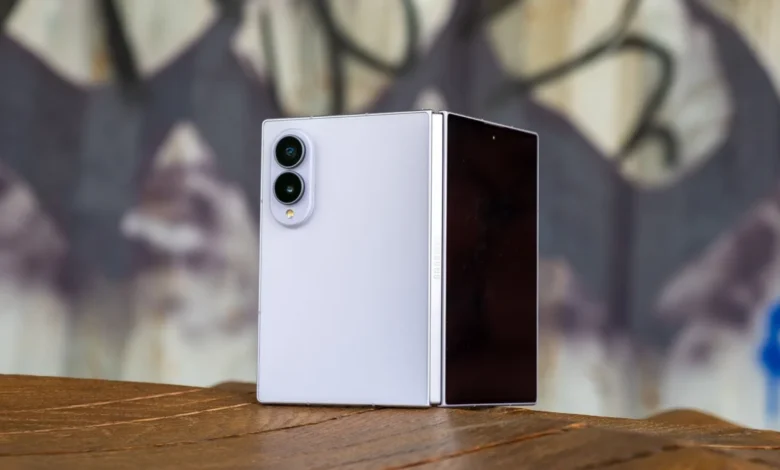
Samsung Electronics has successfully cemented its dominance at the pinnacle of the foldable sector, capturing an overwhelming 69% market share in the third quarter of 2026. This impressive performance represents a 13% year-over-year increase in shipments for the South Korean tech giant, largely propelled by the commercial success of the flagship Galaxy Z Fold 8 and its higher-tier variant, the Fold 8 Ultra. Industry analysts attribute Samsung’s rebound to a strategic pivot in hardware design, specifically the adoption of a wider, shorter aspect ratio—a form factor that addresses long-standing consumer complaints regarding narrow, cramped outer displays.
A Brief Chronology of the Foldable Market Turmoil
To understand Samsung’s current triumph, one must examine the turbulent trajectory of the foldable market over the preceding years. For much of the early decade, Samsung enjoyed largely unchallenged supremacy in the foldable category, establishing a robust duopoly of horizontal book-style foldables (the Galaxy Z Fold series) and vertical clamshell devices (the Galaxy Z Flip series). However, complacency soon left the door open for aggressive international competition.
A significant turning point occurred in the first quarter of 2024, when Chinese tech conglomerate Huawei temporarily dethroned Samsung to become the world’s leading foldable smartphone manufacturer by shipment volume. During that period, Samsung’s shipments plummeted by 42% year-over-year, while Huawei recorded a staggering 257% surge in foldable device distribution. This shift caught Samsung flat-footed and forced the conglomerate to rethink its industrial design language, accelerating research and development into wider chassis designs that mirrored innovations popularized by Chinese competitors.
By late 2025 and into 2026, the industry had widely embraced the "wide-foldable" standard. Huawei fired back with devices like the Pura X View, which introduced innovative mechanical and display technologies to the market. Although the Pura X View did not achieve the same explosive shipment volumes for Huawei that the Galaxy Z Fold 8 secured for Samsung in Q3 2026, it established a new ergonomic baseline that consumers and rival manufacturers now demand. Currently, Huawei maintains a respectable 14% global market share, solidifying its position as Samsung’s most formidable enduring competitor outside of domestic Chinese markets.

Macroeconomic Headwinds and Broader Industry Trends
The resilience of the foldable segment stands in stark contrast to the broader mobile device market. Macroeconomic pressures, inflationary headwinds, and lengthening consumer upgrade cycles have severely impacted traditional slab-style smartphone sales. Broader research data indicates that global smartphone shipments suffered a historic contraction in the third quarter of 2026, hitting their lowest aggregate volume levels in over a decade with a devastating 20% year-over-year drop.
Market analysts note that consumers are increasingly reluctant to purchase incremental upgrades for standard rectangular slab phones, choosing instead to hold onto their existing hardware for longer periods. Consequently, OEMs have leaned heavily into foldable technology as a high-margin, high-interest halo product category designed to reignite consumer enthusiasm and justify premium price points.
However, high retail pricing remains a major barrier to mass-market adoption. While the foldable segment benefits from dedicated enthusiasts willing to pay a premium, pricing architecture across the entire mobile industry has reached unprecedented heights. Industry observers frequently point to non-foldable flagship devices—such as Motorola’s Signature 27, retailing at $1,599—as evidence of ballooning component and manufacturing costs. Premium foldable devices routinely command price tags exceeding $2,000, limiting their addressable market primarily to affluent demographics and enterprise users.
Regional Performance and Geographic Shifts
Geographically, Samsung’s Q3 2026 growth was not uniformly distributed, though the company recorded standout double-digit shipment growth within its domestic South Korean market as well as across major European territories. Consumer adoption in Western Europe proved particularly robust, driven by carrier subsidies and trade-in promotions designed to ease the financial burden of transitioning to foldable technology. Conversely, the Asian market—particularly mainland China—remains intensely hyper-competitive, with local brands continually undercutting international competitors on price while introducing cutting-edge hinge designs and ultra-thin profiles.
Looking Ahead: The 2027 Growth Cycle and the Apple Factor

Despite the modest 2% year-over-year dip in Q3 2026 shipments, market researchers at Smart Analytics Global have cast an optimistic lens toward the immediate future. SAG’s macroeconomic and industry forecast predicts a massive market expansion, projecting a potential 55% year-over-year shipment growth cycle for the global foldable sector throughout 2027.
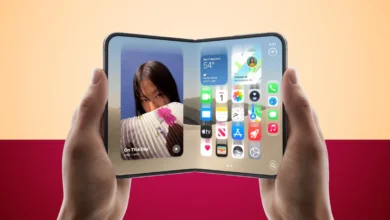
This anticipated recovery is expected to be catalyzed by two primary market forces: the maturation of wide-foldable hardware ecosystems and, most notably, the anticipated commercial debut of Apple’s long-rumored foldable device, frequently referred to in supply-chain reports as the "iPhone Duo."
Apple’s impending entrance into the foldable arena is widely expected to legitimize the form factor for the mainstream consumer base in the same way the company historically validated smartwatch, tablet, and touch-screen smartphone categories. Industry analysts suggest that Apple’s supply chain power, marketing dominance, and deep ecosystem integration will prompt widespread consumer migration toward foldable displays, compelling other Android OEMs to refine their hardware offerings further.
Implications and Future Outlook
As the industry stands at this critical juncture, the trajectory of the foldable smartphone market depends heavily on component pricing, durability improvements, and software optimization. The transition to wide-foldable designs has successfully resolved ergonomics issues, but manufacturers must now focus on reducing manufacturing costs to bring these devices closer to parity with traditional flagship slab phones.
Whether the ambitious 55% growth projections for 2027 materialize will ultimately depend on consumer purchasing power amid lingering global economic uncertainties. If OEMs can successfully introduce competitively priced foldables without compromising build quality or battery life, the mobile industry may finally witness the definitive transition from experimental niche luxury to mainstream ubiquity. For now, Samsung retains its crown at the summit of the foldable world, but with heavyweight contenders preparing to enter the fray, the competitive landscape of tomorrow promises to be fiercely contested.