Guide To Bike And Walk Guernsey Channel Islands
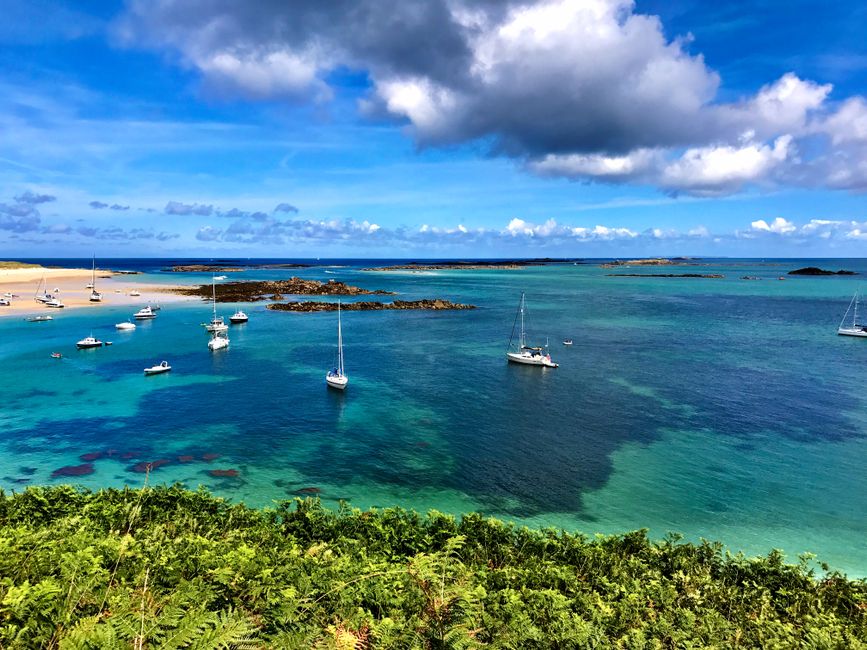
Guernsey: A Cyclist and Walker’s Paradise in the Channel Islands
Guernsey, the second-largest of the Channel Islands, offers a compelling destination for cycling and walking enthusiasts. Its compact size, varied topography, and dedicated infrastructure make it an ideal location for exploring on two wheels or by foot. This comprehensive guide delves into everything a visitor needs to know to plan an unforgettable cycling and walking adventure in Guernsey, from route recommendations to practical advice.
The island’s commitment to active travel is evident in its network of designated cycle paths and well-maintained coastal and inland trails. The Guernsey Cycle Network, comprising over 50 miles of marked routes, prioritizes safety and scenic beauty. These routes often utilize quiet lanes, dedicated cycle paths, and, importantly, the island’s unique ‘Ruettes Tranquilles’ – charming, narrow lanes with a strict 15 mph speed limit, effectively transforming them into shared pedestrian and cycle routes. This creates a relaxed and safe environment for cyclists of all abilities, allowing them to immerse themselves in the island’s stunning landscapes without the stress of heavy traffic. For walkers, Guernsey boasts an extensive network of coastal paths, inland lanes, and footpaths, offering diverse terrain and breathtaking views. The Guernsey Coastal Path, a continuous 30-mile route encircling the island, is a particular highlight, providing unparalleled access to dramatic cliffs, secluded coves, and panoramic ocean vistas.
For cyclists, Guernsey presents a delightful array of cycling opportunities catering to diverse preferences. The North Coast Cycle Path is a popular choice, meandering along the shoreline and offering picturesque views of the sea and the French coast. This relatively flat route is ideal for families and casual cyclists. Key points of interest along this route include Fort Pembroke, Les Fontaines, and the iconic Moulin Huet. Another excellent option is the West Coast Cycle Path, which provides a more rugged and exposed experience, with challenging climbs and rewarding descents. Cyclists can enjoy stunning sunsets over the ocean at vantage points like Vazon Bay and Cobo Bay.
The Interior Cycle Network offers a different perspective, guiding cyclists through the island’s agricultural heartland. These routes are characterized by rolling hills, charming villages, and the ubiquitous ‘Ruettes Tranquilles’. Exploring the island’s interior allows cyclists to discover hidden valleys, ancient dolmens, and a more tranquil side of Guernsey life. For those seeking a more leisurely ride, the St. Sampson’s Harbour to St. Peter Port route is a pleasant option, connecting two of the island’s main hubs and offering glimpses of maritime activity. Bike hire facilities are readily available in St. Peter Port and other key locations, offering a range of bicycles, including electric bikes, which are highly recommended for tackling some of the island’s inclines, particularly for less experienced cyclists or those wishing to cover more ground. Companies like Guernsey Bicycle Hire and Island Cycles provide comprehensive rental services, including helmets and repair kits.
Walking in Guernsey offers an equally rewarding experience, with routes to suit every fitness level and interest. The Guernsey Coastal Path is undoubtedly the island’s crown jewel for walkers. This extensive network of well-marked trails offers a continuous circuit of the island, broken down into manageable sections. Each section presents its own unique character, from the dramatic cliffs of Pleinmont to the sandy expanses of Vazon Bay. Highlights include the dramatic sea stacks at Jerbourg, the historic Hanois Lighthouse visible from the southwest coast, and the tranquil Lihou Island, accessible at low tide. The path is generally well-maintained, with some sections involving steps and inclines, requiring sturdy footwear.
Beyond the coastal path, Guernsey’s inland walking routes provide a quieter and often more sheltered experience. The island’s network of lanes and public footpaths leads through verdant countryside, past ancient fortifications, and into quaint hamlets. The Common Ground Initiative has been instrumental in improving public access and marking footpaths, ensuring walkers can confidently explore the island’s interior. Exploring the grounds of Castle Cornet, a historic fortress guarding St. Peter Port, offers a combination of history and scenic views. For those interested in archaeological sites, routes leading to prehistoric dolmens like the L’Autel du Dehus are a fascinating option. The local bus service can be utilized to access various starting and finishing points for walks, allowing for linear traverses of the island.
When planning your cycling or walking trip to Guernsey, consider the best times to visit. Spring (April-May) and autumn (September-October) generally offer the most pleasant weather for outdoor activities, with fewer crowds and milder temperatures. Summer (June-August) can be warm and sunny, but also busier, particularly around popular beaches and attractions. Winter (November-March) can be unpredictable, with potential for rain and wind, but still offers a stark beauty and the chance for solitude on the trails. Always check the weather forecast before setting out and be prepared for changing conditions.
Practical considerations are crucial for a smooth and enjoyable trip. For cyclists, it is essential to have a reliable bicycle in good working order. If you are bringing your own bike, ensure it is serviced before your trip. If hiring, opt for a reputable provider. Always wear a helmet, even on quiet lanes. Carry a basic repair kit, including a pump, spare inner tube, and tire levers. Familiarize yourself with the island’s road rules, particularly the 15 mph limit on Ruettes Tranquilles. For walkers, sturdy, comfortable walking shoes are paramount. Layers of clothing are recommended, as island weather can change quickly. A waterproof jacket is a necessity. Carry plenty of water, especially on longer walks, and consider a small backpack for essentials such as snacks, sunscreen, and a first-aid kit.
Navigation on Guernsey is generally straightforward. The Guernsey Cycle Network and coastal paths are well-signalled, but it is always advisable to carry a map or use a GPS device. Ordnance Survey maps are readily available and provide excellent detail for both cycling and walking routes. Many cycle hire companies will also provide maps and route suggestions. Understanding the island’s geography, with its prominent bays and headlands, will also aid navigation.
Safety is paramount. Always inform someone of your planned route and expected return time, especially when undertaking longer walks or rides. Be aware of tidal changes if planning to visit Lihou Island or explore any intertidal areas. Respect private property and stick to public rights of way. Be mindful of other users on shared paths and trails. In case of emergency, dial 999.
Accommodation options in Guernsey cater to a range of budgets and preferences. St. Peter Port, the island’s capital, offers a wide selection of hotels, guesthouses, and apartments, providing easy access to amenities and ferry terminals. Coastal villages like Cobo and Vazon offer charming self-catering cottages and smaller hotels, often with direct access to beaches and cycle routes. For those seeking a more rural experience, inland farm stays and bed and breakfasts are available. Many accommodation providers are knowledgeable about local cycling and walking opportunities and can offer advice and resources.
Food and drink can be enjoyed at various establishments across the island. St. Peter Port has a diverse culinary scene, from traditional pubs serving local seafood to international restaurants. Along the coast, beachside cafes and restaurants offer casual dining with stunning sea views. Inland, village pubs and tea rooms provide a taste of local life. When undertaking longer rides or walks, carrying snacks and water is advisable, as facilities can be spaced out, particularly in more remote areas.
Exploring Guernsey’s smaller islands adds another dimension to an active holiday. Herm and Sark, accessible by ferry from Guernsey, offer car-free environments perfect for cycling and walking. Herm boasts beautiful beaches and a tranquil atmosphere, while Sark, a truly unique island, is accessible only by horse-drawn carriage, bicycle, or on foot, offering a glimpse into a bygone era. Day trips to these islands are highly recommended for those seeking a complete escape.
Key attractions that can be easily integrated into cycling and walking itineraries include the following. Castle Cornet in St. Peter Port offers historical insights and panoramic views. The Little Chapel, a miniature church adorned with mosaics, is a charming and unique attraction. The Priaulx Library, located in St. Peter Port, provides a peaceful retreat with beautiful gardens. The Guernsey Museum & Art Gallery offers cultural enrichment. For nature lovers, the Groudle Glen Railway offers a nostalgic journey through a scenic valley. The German Occupation Museum provides a poignant reminder of the island’s wartime history.
Sustainable tourism is an important aspect of enjoying Guernsey’s natural beauty. Respect the environment by not littering and staying on marked trails. Support local businesses by purchasing local produce and souvenirs. Consider using public transport or cycling to reduce your carbon footprint. By embracing these principles, visitors can help preserve Guernsey’s pristine landscapes for future generations.
In conclusion, Guernsey stands out as an exceptional destination for cycling and walking holidays. Its well-developed infrastructure, stunning natural beauty, and commitment to active tourism create an environment where visitors can truly immerse themselves in the island’s charm and tranquility. Whether you are a seasoned cyclist or a keen walker, Guernsey offers a rewarding and unforgettable experience, inviting you to explore its picturesque lanes, dramatic coastlines, and charming villages at your own pace. The island’s compact size makes it easily navigable, allowing for exploration of diverse landscapes within a single trip. The absence of a major airport directly on the smaller islands of Herm and Sark further enhances their appeal for those seeking a truly peaceful escape, with bicycle and foot being the primary modes of transport. The integration of historical sites, natural beauty, and accessible routes ensures a comprehensive and engaging experience for all who choose to discover Guernsey on two wheels or by foot.


