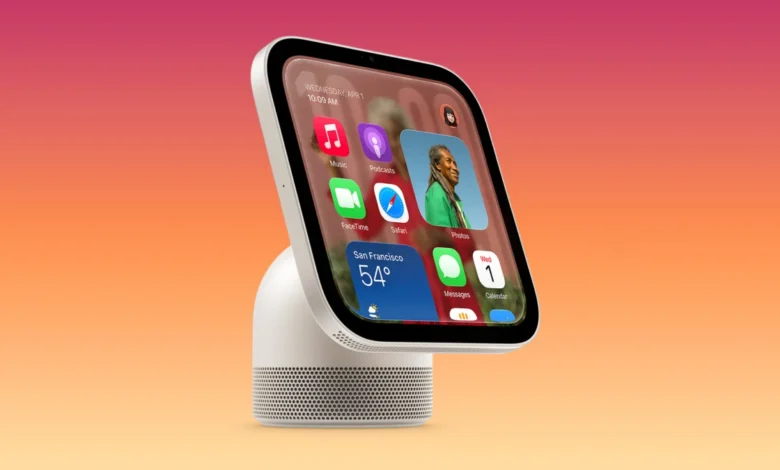
Apple has officially released HomeView Software 27.2, providing an early look at the operating environment for the highly anticipated HomeView device. Scheduled for a market release on November 13, 2026, the device represents Apple’s most significant foray into the dedicated smart home hub category to date. The software release, distributed to internal systems and developers ahead of the hardware launch, has confirmed several key interface design choices, proprietary naming conventions for core system components, and a suite of personalization features that differentiate the platform from existing Apple mobile operating systems.
The software package offers a comprehensive preview of the user experience, confirming that Apple has opted for a bespoke architecture rather than a direct port of iOS. Notably, the system utilizes a proprietary launcher known as "BreadBoard," replacing the SpringBoard framework familiar to iPhone and iPad users. Furthermore, the underlying process for the device’s Control Center interface has been identified as "CupBoard." This technical distinction highlights Apple’s strategy to tailor the HomeView’s performance specifically for stationary, communal home usage rather than mobile personal computing.
Chronology of the HomeView Development
The road to the HomeView’s launch has been marked by significant strategic adjustments and technical delays. Initial industry speculation suggested that the device was originally intended for a 2025 release, likely under the versioning umbrella of "HomeView Software 26." Evidence buried within the code of the current 27.2 update includes graphics referencing the older software version, lending weight to reports that Apple postponed the product launch to ensure the integration of its advanced Siri AI capabilities.
The development timeline accelerated in October 2026, following a series of strategic leaks. On October 11, 2026, detailed specifications regarding the HomeView, alongside a refreshed Apple TV 4K and an updated HomePod mini, were brought to light. This was quickly followed by an official announcement from Apple on October 13, 2026, confirming the existence of the $299 smart hub. The rapid succession of the software release on October 30 suggests that the company is adhering to a strict deployment schedule, ensuring that the necessary infrastructure is prepared for the November 13 retail arrival.
Interface Customization and User Experience
The software reveals a highly customizable interface, focusing on visual fidelity and personalization. Users will have access to 20 default, high-resolution wallpapers, with indications that the system will support custom photo uploads to personalize the Home Screen. This focus on aesthetic variety aligns with Apple’s broader design language, as seen in the latest iterations of watchOS and iPadOS.
One of the most notable features uncovered in the 27.2 release is the face-editing interface. Industry observers, including software developer Guilherme Rambo, have noted that the editing suite allows for granular control over the Lock Screen, mirroring the complexity of the Apple Watch’s modular faces. This interface is designed to be intuitive, allowing multiple users to cycle through different configurations. Furthermore, the system includes native support for Light and Dark modes, with an automated scheduling feature that adjusts the interface’s contrast based on the time of day, a critical feature for a device intended for living spaces and bedrooms.
The inclusion of the "Hello" startup sequence serves as a branding bridge, anchoring the new device within the historical design legacy of the Macintosh while signaling its status as a foundational piece of the modern Apple ecosystem. Additionally, the software confirms the presence of "Snoopy" character animations, a popular inclusion from previous watchOS updates, which will provide a playful, interactive element to the device’s idle states.
Technical Implications and System Architecture
The discovery that Apple utilized sixth-generation iPad mini hardware for internal interface testing provides a fascinating look into the company’s prototyping methodology. By leveraging the form factor of the iPad mini—which features a similar display size to the 7-inch Liquid Retina panel found on the HomeView—engineers were able to refine the BreadBoard launcher and CupBoard control systems before the final hardware was finalized.
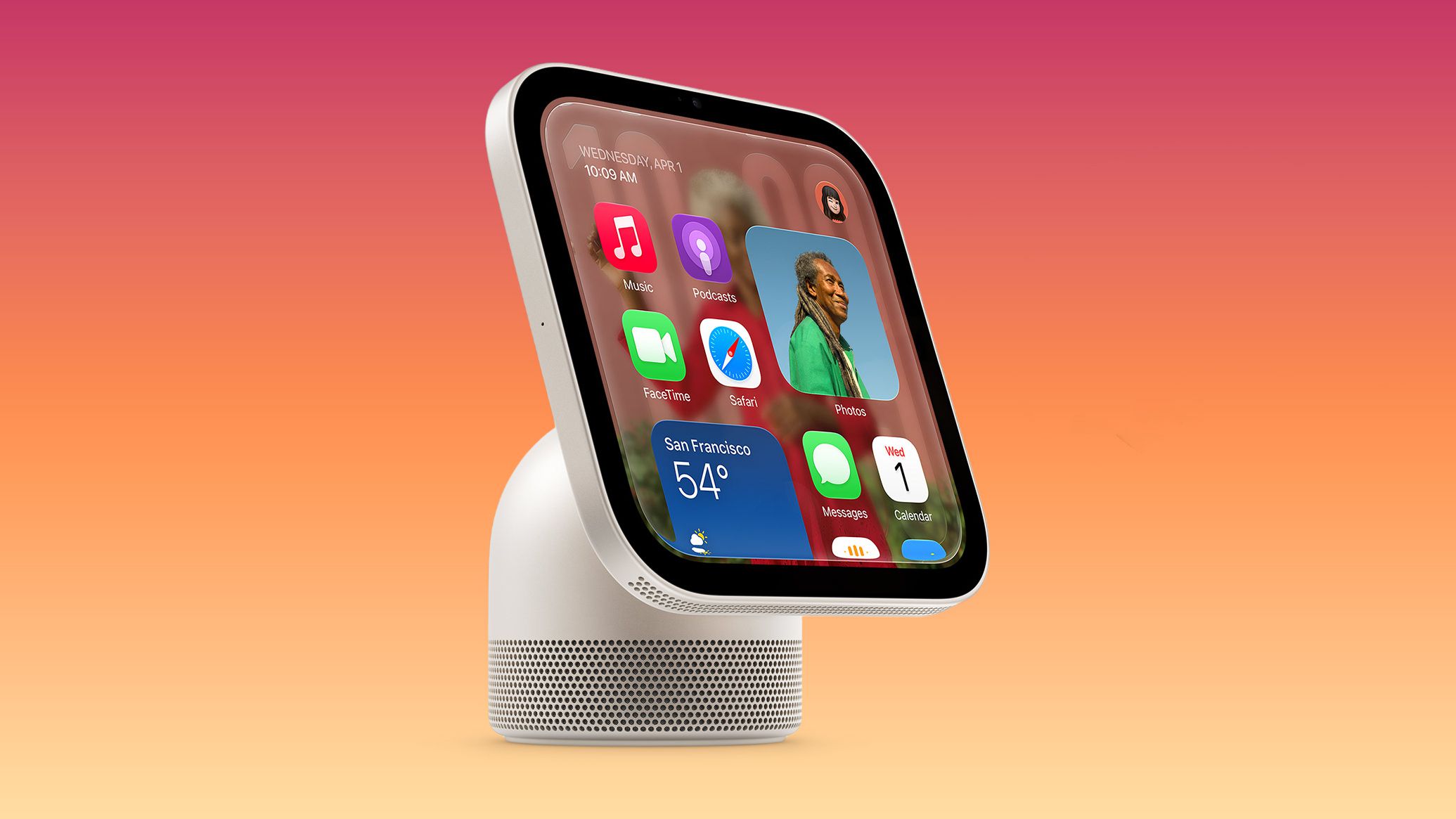
From an architectural standpoint, the decision to build a distinct operating environment for the HomeView suggests that Apple is not merely interested in creating a "wall-mounted iPad," but rather a platform that can evolve independently. By separating the HomeView’s software from the mobile-centric iOS, Apple gains the flexibility to optimize for home-specific tasks, such as long-range Siri voice processing, continuous visual feedback, and low-latency smart home control.
Market Context and Competitive Positioning
Priced at $299, the HomeView enters a crowded market dominated by established players like Amazon’s Echo Show and Google’s Nest Hub. However, Apple’s value proposition is centered on the "Welcome Home" experience, focusing on deep integration with the existing HomeKit ecosystem, robust privacy standards, and the aforementioned Siri AI.
Industry analysts suggest that the success of the HomeView will hinge on its ability to transition from a utility device to a central hub for the modern, automated home. Apple’s emphasis on multi-user support, where the device recognizes individual faces to transition from a communal dashboard to a personalized user profile, is a key competitive differentiator. Unlike the generic interfaces often found in competitors, the HomeView is being positioned as a product that is "shared by everyone, yet personal to each user."
The timing of the launch, alongside the fourth-generation Apple TV 4K, suggests a concerted effort to capture a larger share of the living room. By aligning the software launch cycles, Apple is attempting to create a seamless ecosystem where the HomeView acts as a persistent companion to the television experience, perhaps serving as a secondary control interface or a visual output for smart home alerts that would otherwise interrupt content playback.
Official Stance and Future Outlook
While Apple has kept specific details regarding the device’s long-term software roadmap under wraps, the release of version 27.2 indicates that the platform is feature-complete for the initial rollout. The focus now shifts to the post-launch support cycle. Historically, Apple’s support for its home products has been incremental, and the HomeView is expected to receive regular updates that expand its AI capabilities and integrate with emerging standards like Matter.
The move toward a dedicated "HomeView Software" designation is significant. It signals the abandonment of the "homeOS" moniker that was previously rumored, suggesting that Apple prefers to keep its smart home software branding aligned with the product line itself, much like the distinction between watchOS and tvOS. This nomenclature strategy helps consumers identify the software as a stable, appliance-like OS rather than a complex computing environment that requires constant user maintenance.
As the November 13 release date approaches, the technical community remains focused on how the device will perform under real-world conditions. With the software foundation now confirmed through the 27.2 update, the focus for the coming weeks will likely turn to performance benchmarks, third-party app compatibility, and the responsiveness of the Siri AI in a variety of household environments.
For the average consumer, the HomeView represents a potential shift in how they interact with their living spaces. By centralizing control, communication, and entertainment into a cohesive, visually appealing, and privacy-conscious interface, Apple is banking on the idea that the home hub is the next essential appliance in the digital household. With the hardware and software development phases nearing completion, the industry will soon be able to evaluate whether the HomeView can successfully redefine the domestic digital experience.