The Stigma of the Lens: How Privacy Concerns are Reshaping the Future of Smart Glasses


The integration of cameras into wearable technology represents one of the most significant shifts in personal computing, promising a future of seamless, augmented reality and hands-free documentation. However, as the industry stands on the precipice of widespread adoption, a formidable obstacle has emerged: a profound erosion of public trust fueled by the misuse of recording technology. This shift has cast a long shadow over the development of smart eyewear, with the legacy of early market entrants—most notably Meta—creating a lasting social stigma that manufacturers must now navigate to achieve mainstream viability.
The Evolution of Smart Eyewear Technology
Smart glasses were initially conceived as a solution for hands-free information consumption. Early iterations focused on audio-based systems, which provided open-ear listening experiences without the need for visual overlays, which remained technologically difficult to implement at scale. As hardware miniaturization advanced, the addition of high-definition cameras became the primary differentiator. These cameras allowed users to capture first-person perspectives, facilitating not only personal memory documentation but also sophisticated AI-driven interactions, such as object identification, real-time language translation, and navigation assistance.
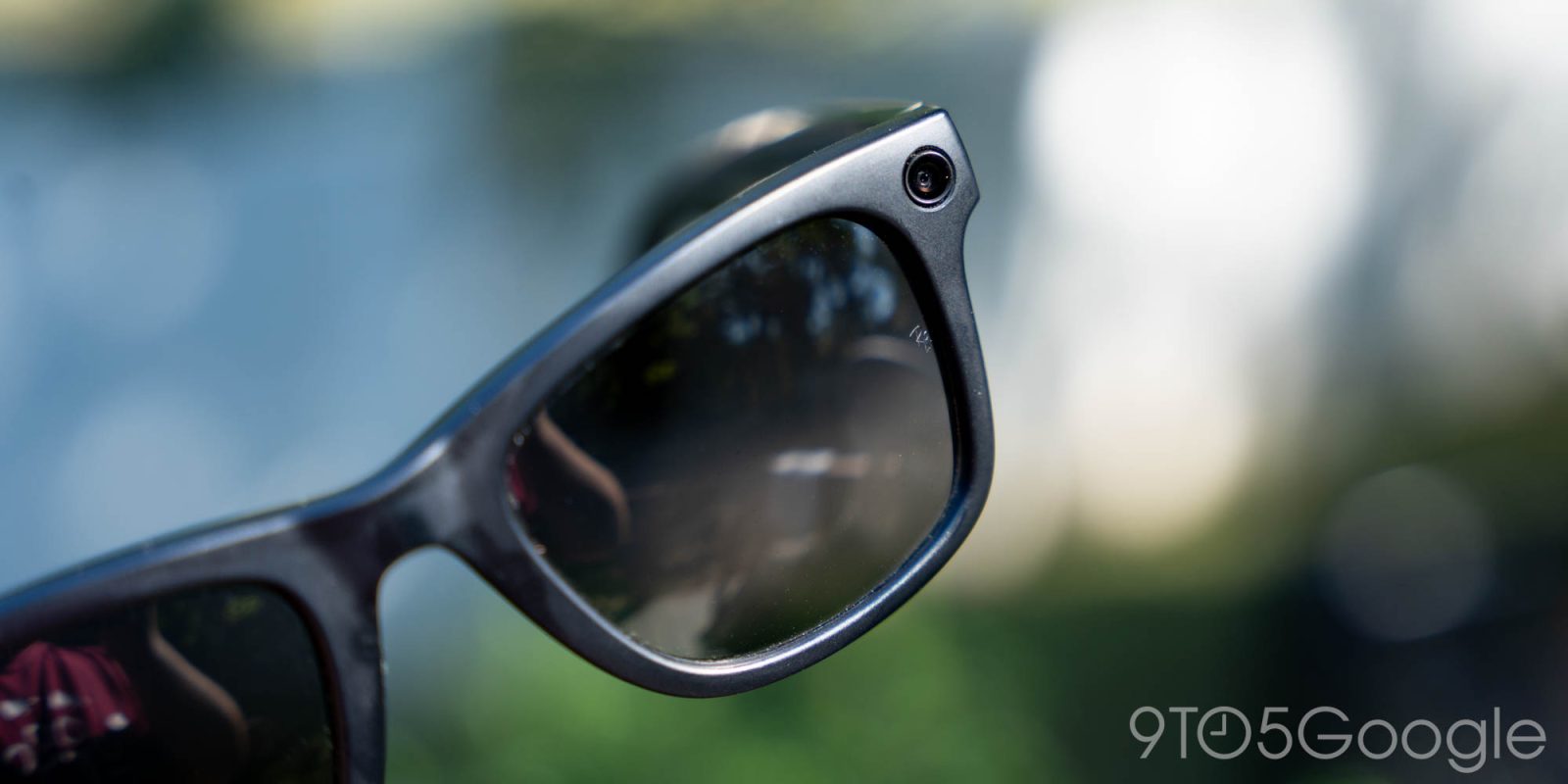
Despite the functional utility of these devices, the market trajectory shifted in 2023 and 2024 as consumer awareness regarding data privacy reached a tipping point. The Meta Ray-Ban collaboration, while successful in terms of hardware performance and aesthetic design, became the focal point of a larger debate regarding the ethical boundaries of surveillance in public spaces.
A Chronology of Privacy Controversies
The timeline of the current "privacy crisis" in wearable tech is anchored by several critical developments:
- Initial Launch and Market Reception (2023): Meta’s smart glasses were launched with an emphasis on AI integration. While the product was lauded for its form factor, concerns were immediately raised regarding the "privacy LED"—the small indicator light meant to notify bystanders of an active recording.
- The Rise of Bypass Methods (2024): Throughout the year, reports surfaced detailing methods to physically or software-tweak the hardware to disable the privacy indicator. This led to a wave of public concern, with privacy advocates labeling the devices as potential tools for surreptitious surveillance.
- Regulatory Scrutiny and Internal Leaks (2025): Reports emerged suggesting that human moderators had, at various times, accessed user-recorded content for training purposes, sparking a significant outcry regarding the security of the data pipelines fueling these AI systems.
- Corrective Updates (Mid-2026): Meta began issuing firmware updates designed to harden the privacy indicators against tampering, though critics argued that these measures arrived too late to mitigate the reputational damage sustained by the category as a whole.
Industry Data and Consumer Sentiment
Public perception of camera-equipped wearables is currently characterized by deep skepticism. Industry surveys conducted in early 2026 indicate that over 60% of consumers express discomfort with the prospect of strangers wearing camera-equipped glasses in private or sensitive environments. This "perv glass" stigma, as it has been colloquially termed in the tech industry, creates a significant barrier to entry for new players, including the upcoming Android XR platforms from Google and Samsung.
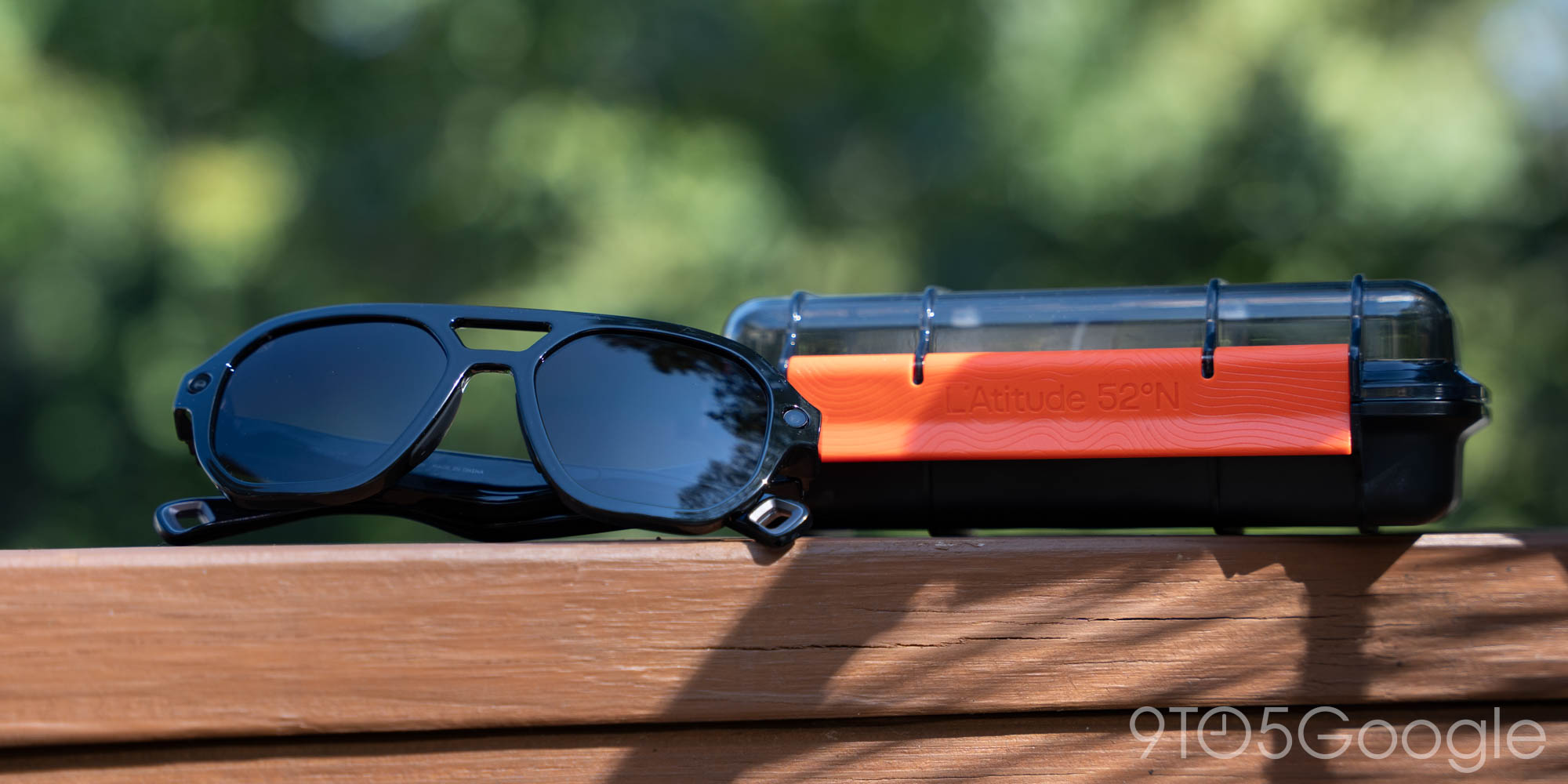
Data from the wearable market suggests a cooling effect on sales growth. While niche enthusiasts continue to adopt the technology for specialized hobbies, the broader general-consumer market has remained hesitant. The correlation between the lack of transparency in data retention policies and the plateau in adoption rates is a point of concern for investors and manufacturers alike.
Official Responses and Technical Safeguards
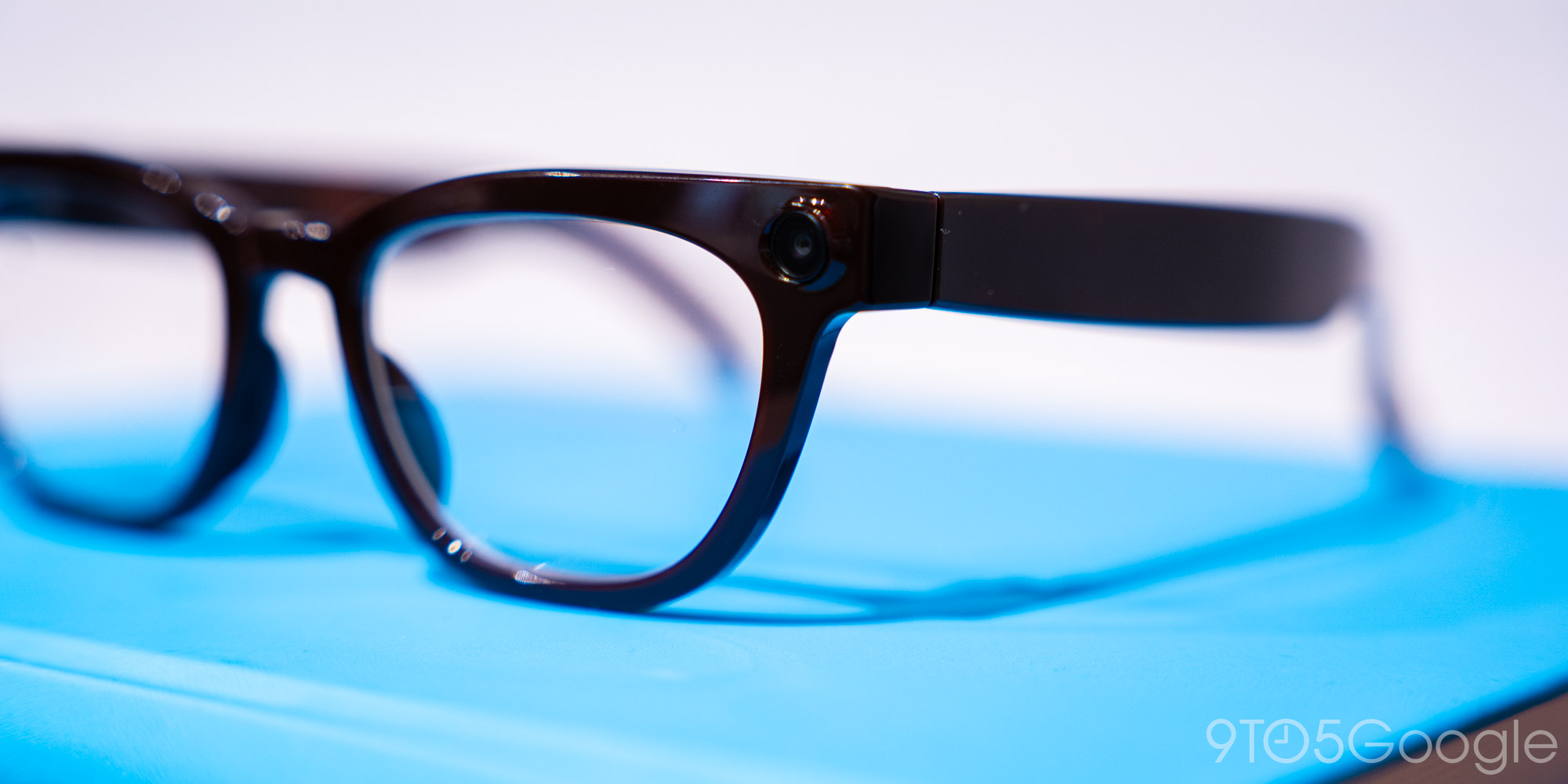
In response to the mounting pressure, major technology conglomerates are pivoting their strategy toward "privacy-by-design." Samsung and Google have explicitly stated that their forthcoming Android XR glasses will feature hardware-level interlocks that prevent the software from functioning if the recording indicator is tampered with.
"Our goal is to ensure that privacy is not an optional feature but a foundational component of the user experience," a representative for an industry-leading manufacturer noted during a recent technical summit. These companies are exploring encrypted on-device processing, where video feeds are analyzed locally by AI without ever being transmitted to a cloud server, thereby addressing the core fear of unauthorized data exposure.
The Broader Implications for Mobile Technology
The implications of this privacy crisis extend beyond mere hardware design. The software ecosystem surrounding these devices is also undergoing a fundamental transformation. Developers are being forced to build apps that prioritize "consent-aware" features, such as blur filters for faces in the background of recordings or automated systems that pause recording when entering specific geofenced "no-go" zones.
Furthermore, the legal landscape is shifting. Legislators in multiple jurisdictions are currently drafting frameworks that would regulate the use of facial recognition and persistent recording in public spaces. These regulations may ultimately dictate the permissible form factor for smart glasses, potentially forcing a bifurcation in the market between "professional-use" devices with high-end cameras and "consumer-use" devices that omit visual recording capabilities entirely.
Future Outlook: Can the Stigma Be Overcome?
The path forward for smart glasses requires a two-pronged approach: technical innovation and transparent communication. For companies like Google and Samsung, the challenge is not simply to build a better camera or a faster processor, but to rebuild the social contract between the wearer and the public.

The successful adoption of future wearable devices will likely depend on whether manufacturers can move away from the "always-ready-to-record" model toward a more intentional, user-driven interaction model. By providing clear, non-negotiable visual cues and verifiable proof of on-device privacy, the industry may eventually transcend the current stigma. However, this process will take years of consistent, ethical behavior to undo the damage caused by the initial, poorly managed rollouts of the last few years.
As the industry prepares for the next generation of Android-based augmented reality, the primary question remains whether the public is ready to embrace a future where technology is integrated into the very way we perceive the world, or if the risk to individual privacy will remain a bridge too far for the average consumer. The coming cycle of product launches will serve as a definitive test for whether the industry can learn from its past mistakes or if the stigma will continue to stifle the next great leap in mobile computing.