Unlocking Growth: How Small Businesses Are Leveraging X to Scale in a Hyper-Competitive Digital Economy


The contemporary e-commerce ecosystem presents a paradox for emerging enterprises: while digital platforms offer unprecedented access to global consumer bases, the sheer volume of market competition makes brand differentiation exceptionally difficult. As small business owners navigate shifting consumer behaviors and tightening marketing budgets, many are turning to alternative, high-impact digital strategies. Among these, the strategic utilization of X—formerly known as Twitter—has emerged as a vital instrument for early-stage startups seeking cost-effective avenues for customer acquisition, brand positioning, and direct market engagement.
The Evolution of Microblogging in Corporate Strategy
Launched in 2006 as a microblogging service characterized by its strict 140-character limit, the platform initially functioned as a casual communication tool for status updates. Over nearly two decades, it transformed into a real-time information network, serving as a primary digital town square for breaking news, cultural commentary, and corporate communications. Following its acquisition by billionaire entrepreneur Elon Musk, the platform underwent significant structural, algorithmic, and operational overhauls, rebranding simply as X.
Despite industry-wide debates regarding algorithmic shifts and moderation policies, X remains a dominant force in digital media, boasting over 330 million daily active users worldwide. For small businesses operating on lean budgets, this vast user base represents an untapped reservoir of potential consumers. Unlike traditional search engine optimization (SEO), which can take months to yield organic traffic, or costly pay-per-click advertising campaigns that drain limited capital, X offers a real-time, bidirectional communication channel that bridges the gap between emerging brands and their target audiences at virtually no financial cost.
Core Advantages for Emerging Enterprises
Small and medium-sized enterprises (SMEs) face distinct financial and operational hurdles that separate them from multinational corporations. Lacking dedicated multi-million-dollar marketing departments, startup founders must maximize the return on investment for every minute and dollar spent. Integrating X into a broader digital marketing framework offers five fundamental advantages that directly address these vulnerabilities.
1. Amplifying Brand Awareness and Real-Time Visibility
In a crowded online marketplace, capturing consumer attention is the primary hurdle for new startups. X’s architecture is uniquely optimized for real-time engagement. When major industry events, cultural moments, or breaking news occur, the platform acts as the epicenter of public discourse. By monitoring trending topics and deploying relevant hashtags, small businesses can inject their brand voice into active conversations, gaining immediate exposure to audiences well beyond their existing follower base. Furthermore, consistent, high-value posting establishes a business as a thought leader within its specific niche, cultivating long-term brand equity and respect.
2. Direct Consumer Engagement and Market Research
The platform’s foundational constraint—historically a 140-character limit, expanded to 280 characters—forces enterprises to communicate with absolute clarity and conciseness. This brevity fosters rapid, unfiltered communication between brands and consumers. By actively replying to mentions, participating in industry threads, and addressing customer service inquiries publicly, small businesses humanize their operations.
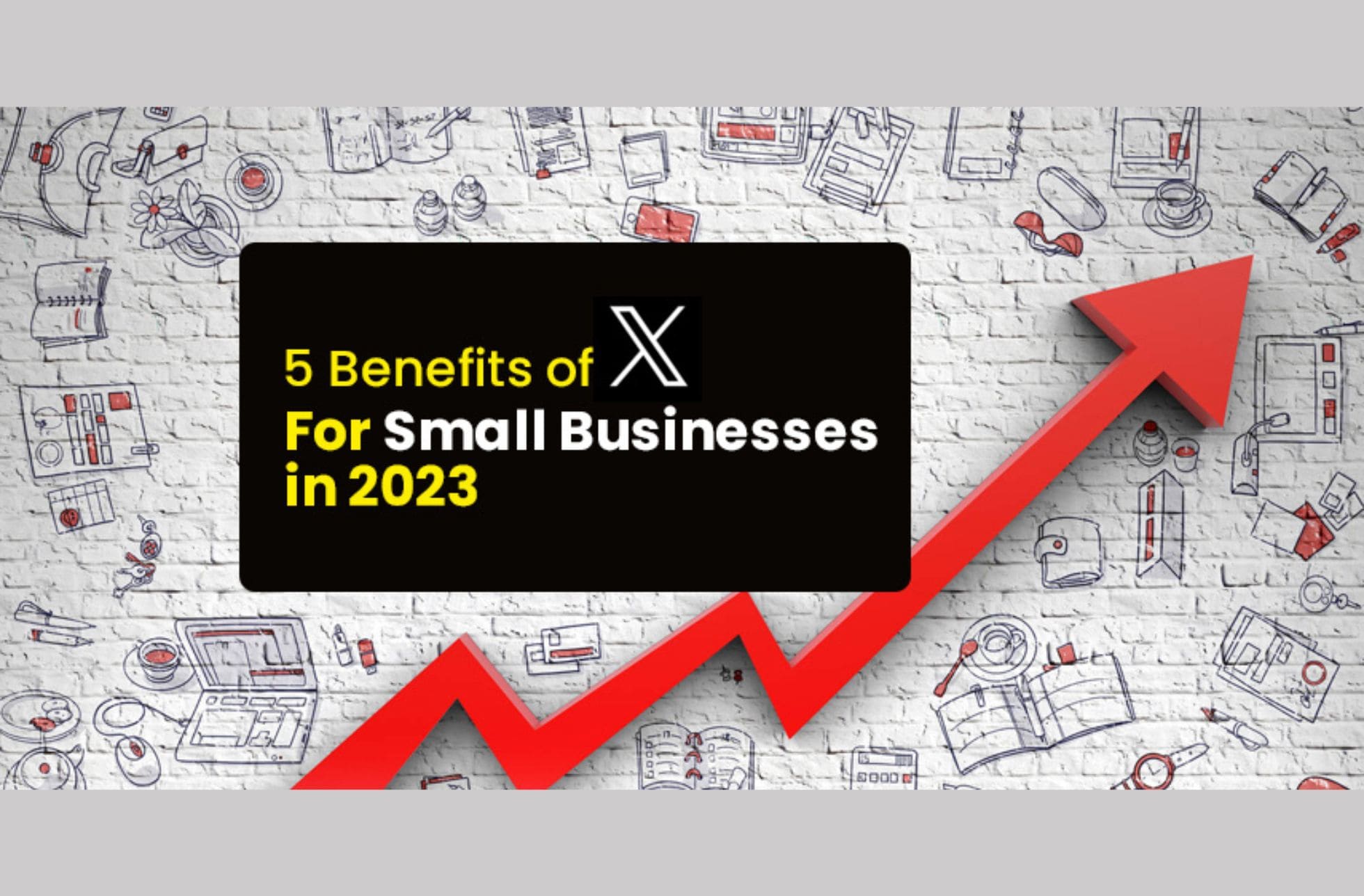
Beyond customer service, this direct line of communication serves as a powerful, cost-free mechanism for market research. Business owners can deploy native polling features, solicit direct feedback on product iterations, and analyze public sentiment regarding emerging industry trends. This iterative feedback loop ensures that startups can adapt their product-market fit dynamically, ultimately driving higher rates of customer satisfaction and retention.
3. Data-Driven Decision Making via X Analytics
Modern digital marketing relies heavily on quantitative analysis rather than intuition. X provides robust native analytics dashboards that track key performance indicators (KPIs) such as impression counts, engagement rates, profile visits, and audience demographic shifts. By analyzing this data, startup founders can reverse-engineer their success. For example, analytics can reveal the optimal times of day to publish content based on when a specific audience segment is most active. It can also identify which thematic categories or media formats—such as short-form video, infographics, or text-only threads—generate the highest conversion rates, allowing marketing teams to allocate their limited time efficiently.
4. Cultivating Social Proof and Third-Party Validation
Consumer trust is a primary currency in e-commerce. Because X operates as an open, transparent forum, public endorsements, positive reviews, and user-generated content act as powerful forms of social proof. When an enterprise operates transparently and ethically, satisfied customers frequently share their positive experiences publicly. This organic advocacy not only validates the brand to prospective buyers but also extends the business’s reach organically through retweets and algorithmic amplification. Conversely, handling public critiques with professionalism and prompt resolution demonstrates corporate accountability, further enhancing brand reputation.
5. Zero Financial Barrier to Entry
Perhaps the most compelling argument for utilizing X within a startup framework is its lack of cost. While paid advertising channels require upfront capital that many bootstrap ventures simply do not possess, basic corporate profiles and organic posting on X are entirely free. For a solopreneur or early-stage e-commerce founder struggling with cash flow, leveraging organic social media growth is a pragmatic necessity. While paid promotions can accelerate growth, building an organic foundation ensures that a business maintains visibility without depending exclusively on ad spend.
Formulating an Actionable X Marketing Strategy
Simply establishing a profile and publishing sporadic updates is insufficient for generating tangible business results. To extract maximum value from the platform, small businesses must execute a structured, intentional marketing strategy. Industry experts recommend a five-stage framework for enterprise integration.
[Define Goals] ──> [Audience Research] ──> [Content Creation] ──> [Active Engagement] ──> [Analytics Review]Step 1: Establish Clear Corporate Objectives
Before publishing the first post, business leaders must define what success looks like on the platform. Objectives may range from driving direct traffic to an e-commerce storefront and generating qualified sales leads to building general brand awareness or establishing customer support channels. Setting specific, measurable goals dictates the tone, frequency, and style of content produced.
Step 2: Conduct Comprehensive Audience Research
A brand cannot effectively speak to an audience it does not understand. Startups must analyze their target demographic’s psychographic profile—their pain points, purchasing habits, preferred humor, and information consumption habits. This foundational research ensures that every piece of content resonates with the intended buyer persona.

Step 3: Craft High-Impact, Concise Copy
Given the platform’s character limits and the rapid scrolling behavior of users, every word must carry weight. Effective tweets utilize strong action verbs, engaging hooks, and strategic multimedia integration. Incorporating high-resolution images, short product demonstrations, or data-driven infographics dramatically increases the likelihood that a post will capture attention in a crowded timeline.
Step 4: Cultivate Community Through Interaction
Marketing on X is not a broadcast mechanism; it is a dialogue. Successful brands actively participate in industry discussions, acknowledge customer praise, and address inquiries swiftly. Building rapport transforms passive observers into loyal brand advocates who actively champion the company within their personal networks.
Step 5: Continuously Monitor and Refine
Strategy must be treated as a living document. By routinely reviewing platform analytics, businesses can identify shifting consumer trends, evaluate the performance of specific campaigns, and discard ineffective tactics. This iterative process ensures continuous optimization of marketing resources.
Best Practices for Writing Engaging Content
For business owners asking how to promote their enterprise effectively without a budget, mastering the mechanics of individual posts is essential. Several proven tactics elevate standard corporate messaging into high-engagement content:
- Prioritize Brevity: Eliminate filler words. Get straight to the value proposition to respect the user’s time and cognitive load.
- Leverage Visuals: Posts containing native imagery, GIFs, or short-form video consistently outperform text-only updates in algorithmic reach and user engagement.
- Utilize Strategic Hashtags: Employ one or two highly relevant industry hashtags to categorize content and make it discoverable to users searching for specific topics, avoiding the trap of hashtag-stuffing which can appear spammy.
- Incorporate Brand Personality: Modern consumers connect with human voices rather than sterile corporate entities. Utilizing appropriate humor, behind-the-scenes glimpses, and authentic storytelling humanizes the brand and fosters emotional resonance.
Broader Economic Implications and Outlook
The democratization of digital marketing tools like X reflects a broader structural shift in the global economy. Historically, market dominance was heavily correlated with advertising capital, allowing legacy corporations to crowd out smaller competitors through sheer spending power. Platforms that offer robust, free organizational and communication tools help level the playing field, enabling agile startups to compete on the basis of product innovation, customer service responsiveness, and authentic brand storytelling.
As the digital landscape continues to evolve, the ability of small businesses to harness real-time communication platforms will remain a key determinant of survival and growth. For solopreneurs and emerging e-commerce ventures entering the market, integrating X into a comprehensive digital strategy offers a proven pathway to visibility, customer loyalty, and sustainable economic success.
Related posts: